
Mechanical Maintenance Skills Part 1
Essential Practical Mechanical Maintenance Skills
Mechanical Maintenance Skills Training Programme
Mechanical Maintenance Skills – Part 1 provides practical, hands-on training for operators, maintenance teams and technicians looking to develop greater mechanical knowledge, competence and confidence.
COURSE AT A
Glance
Duration:
4 days
Delivery:
Practical classroom and workshop training
Locations:
Solihull, Reading or On Site
Prerequisites:
No previous mecchanical experience required
Certificate:
MCP Technical Training Attendance Certificate
Next Step:
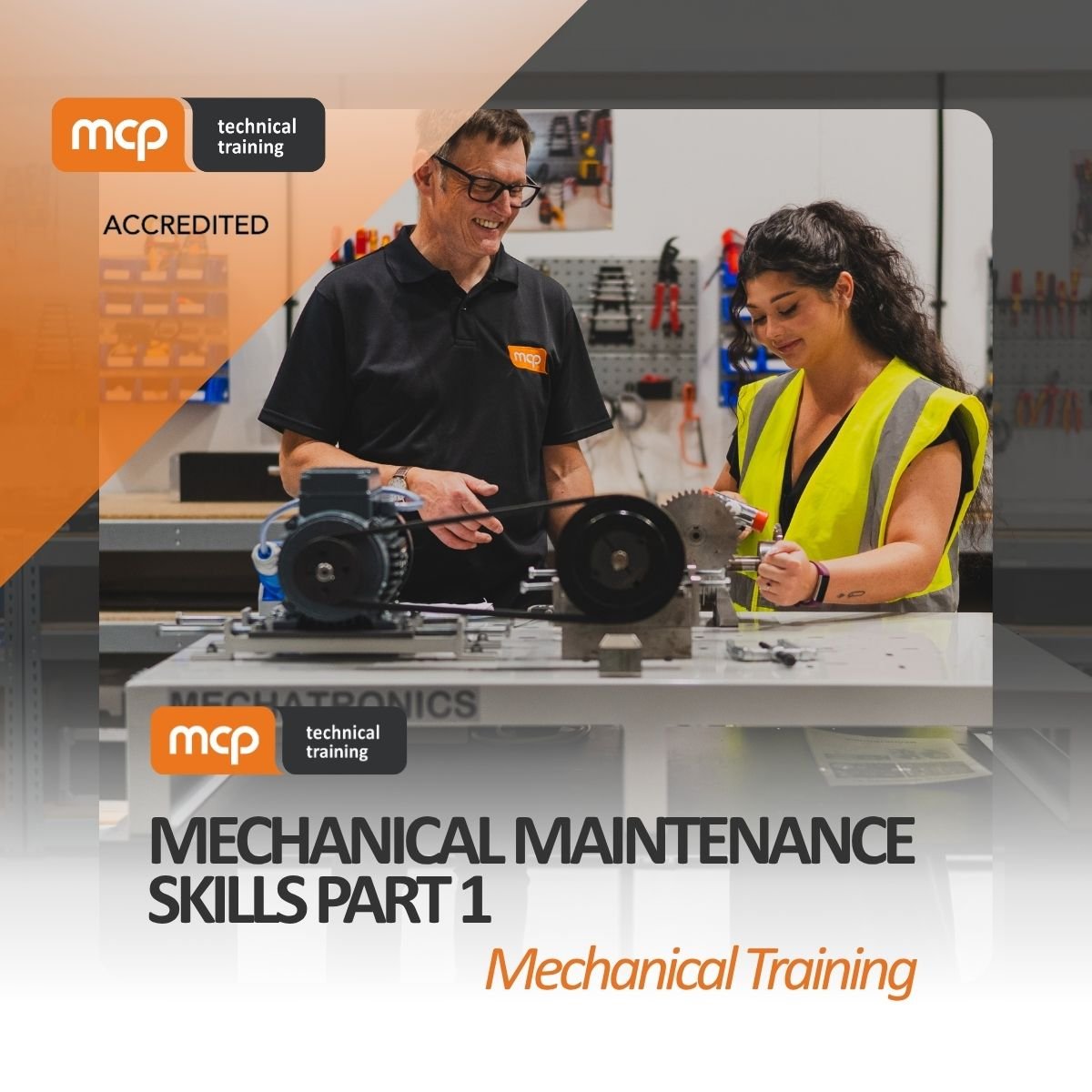
Prices Quoted Exclude VAT
Course Type | Mechanical, Technical Skills
Certificate | MCP Training Certificate
Duration of Course | 4 Days
Location | Reading
PRACTICAL WORKSHOP
Experience
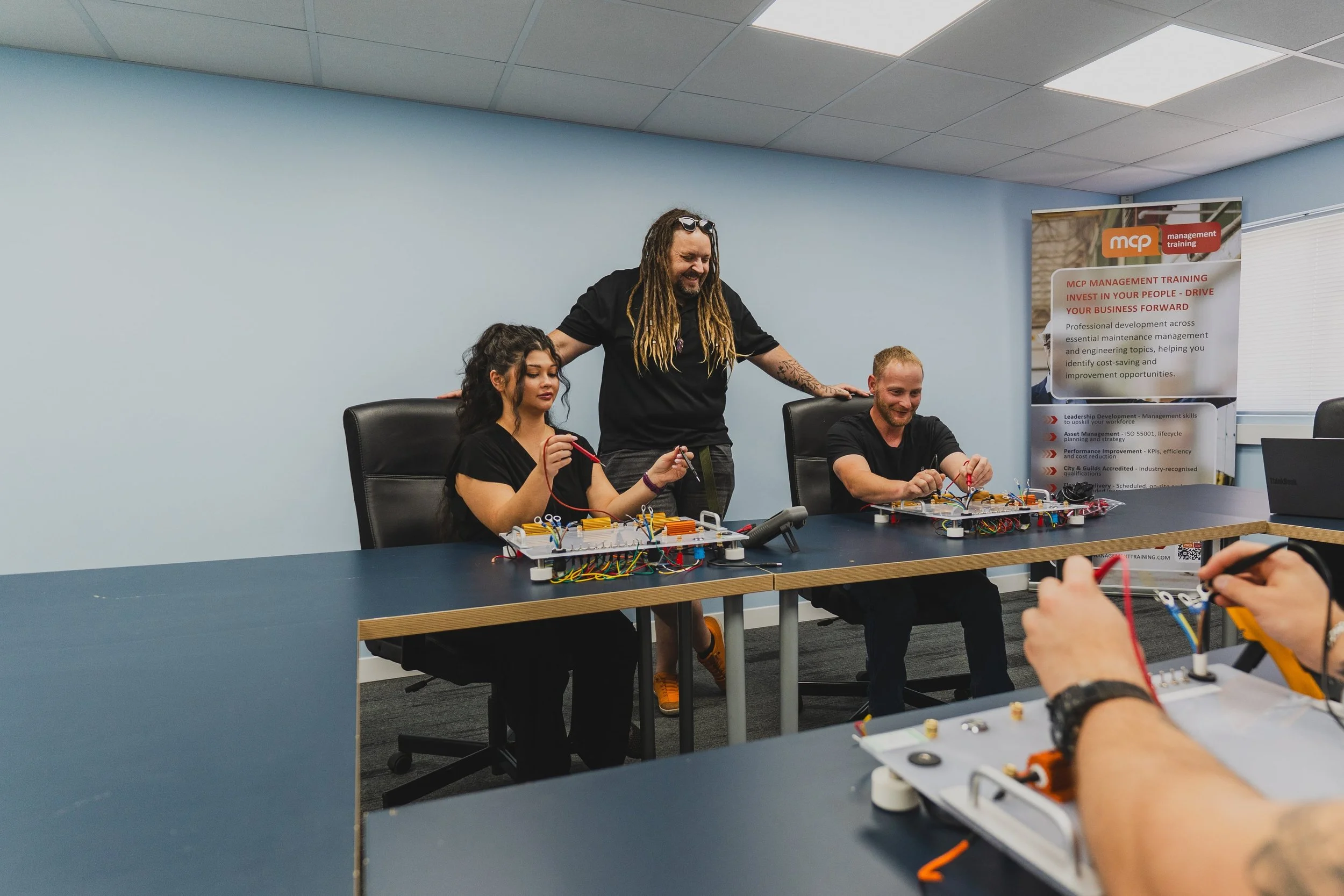
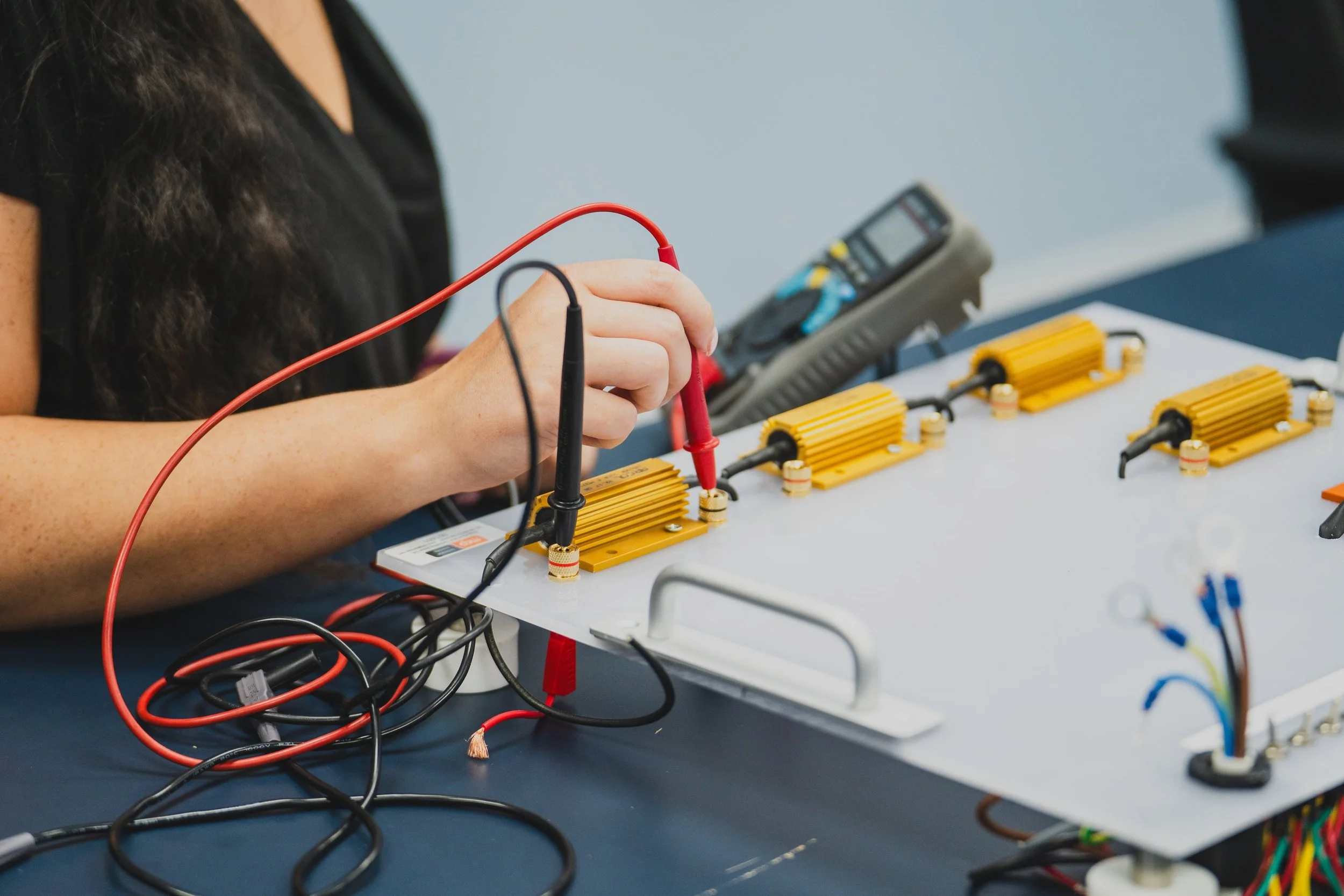
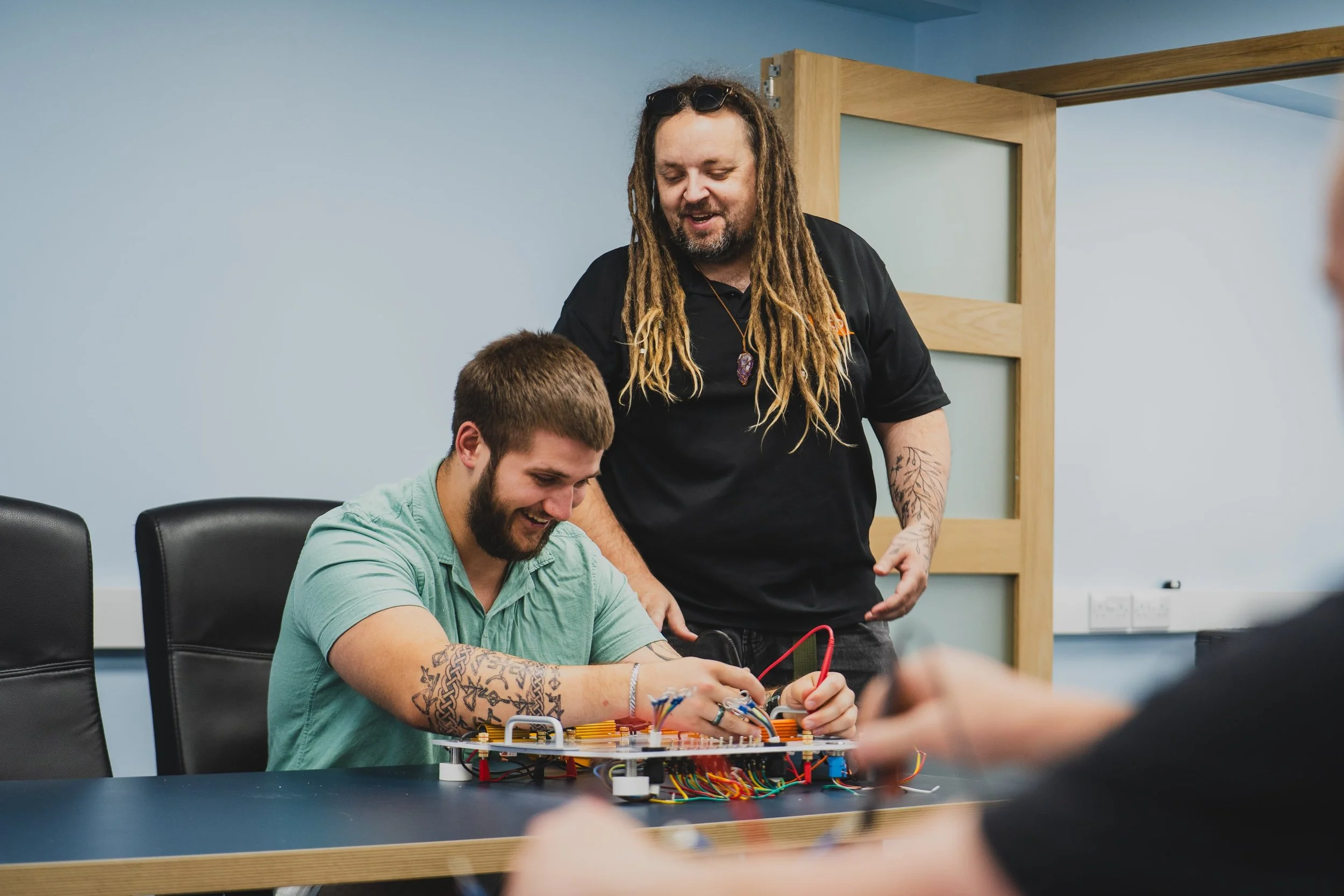
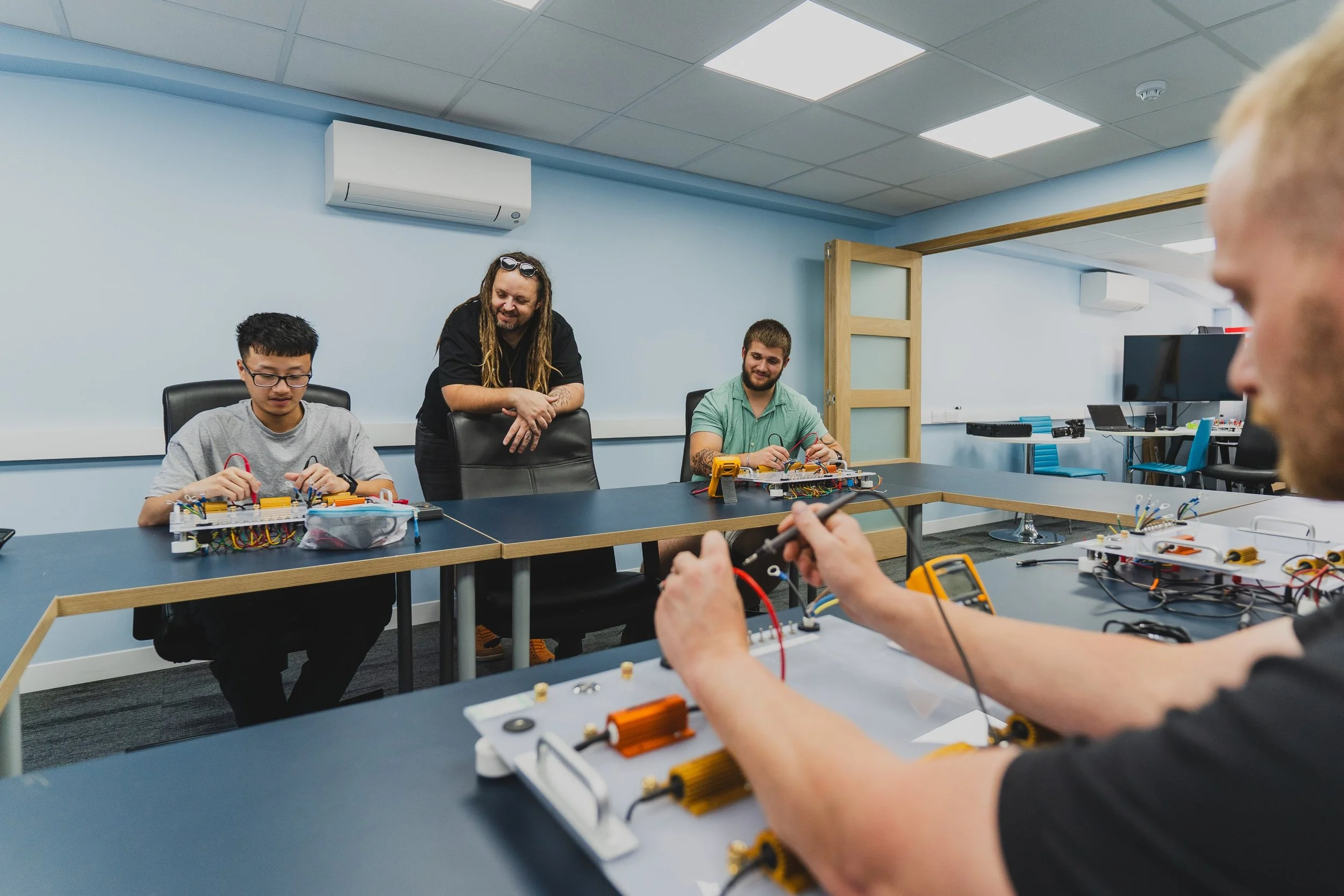
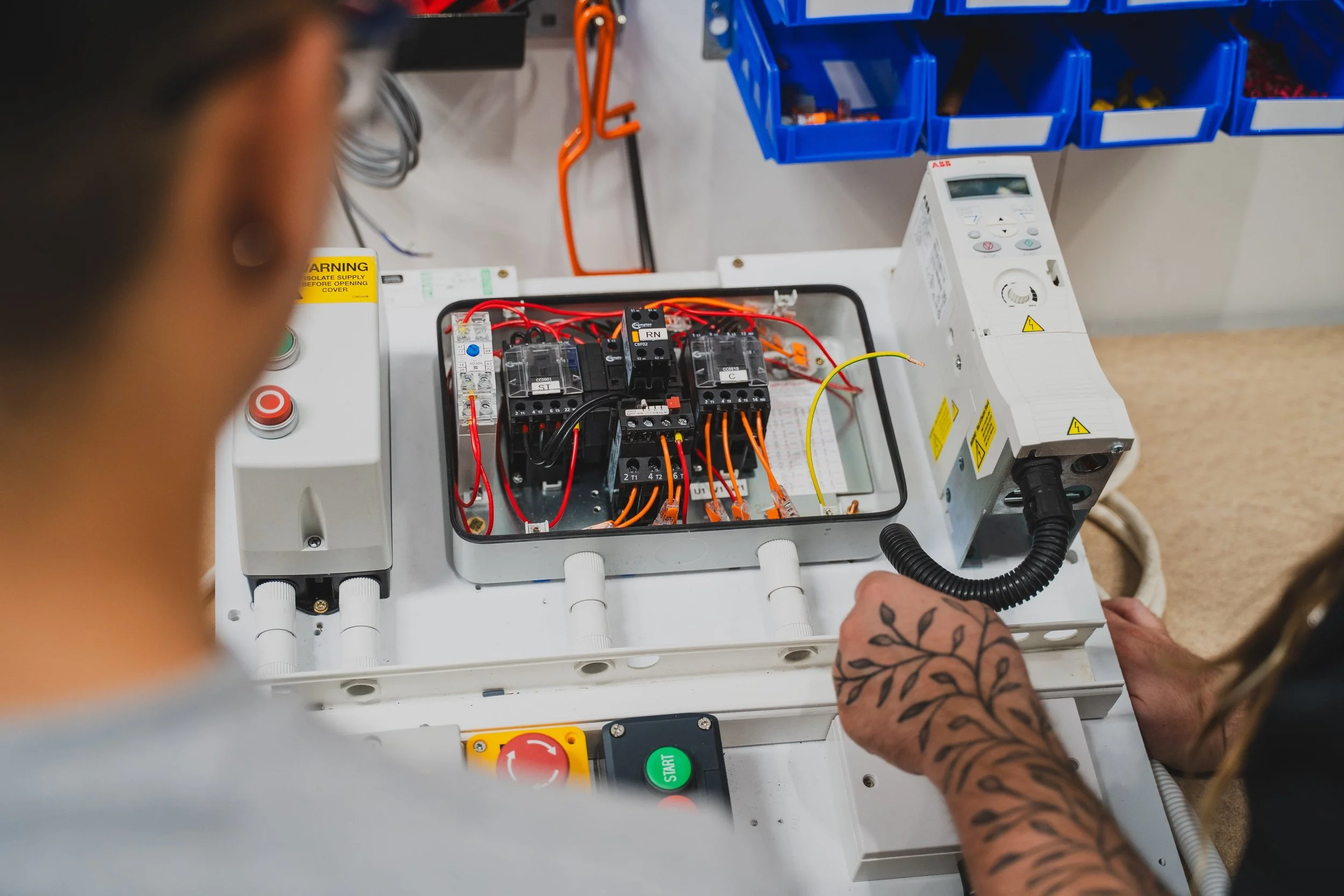
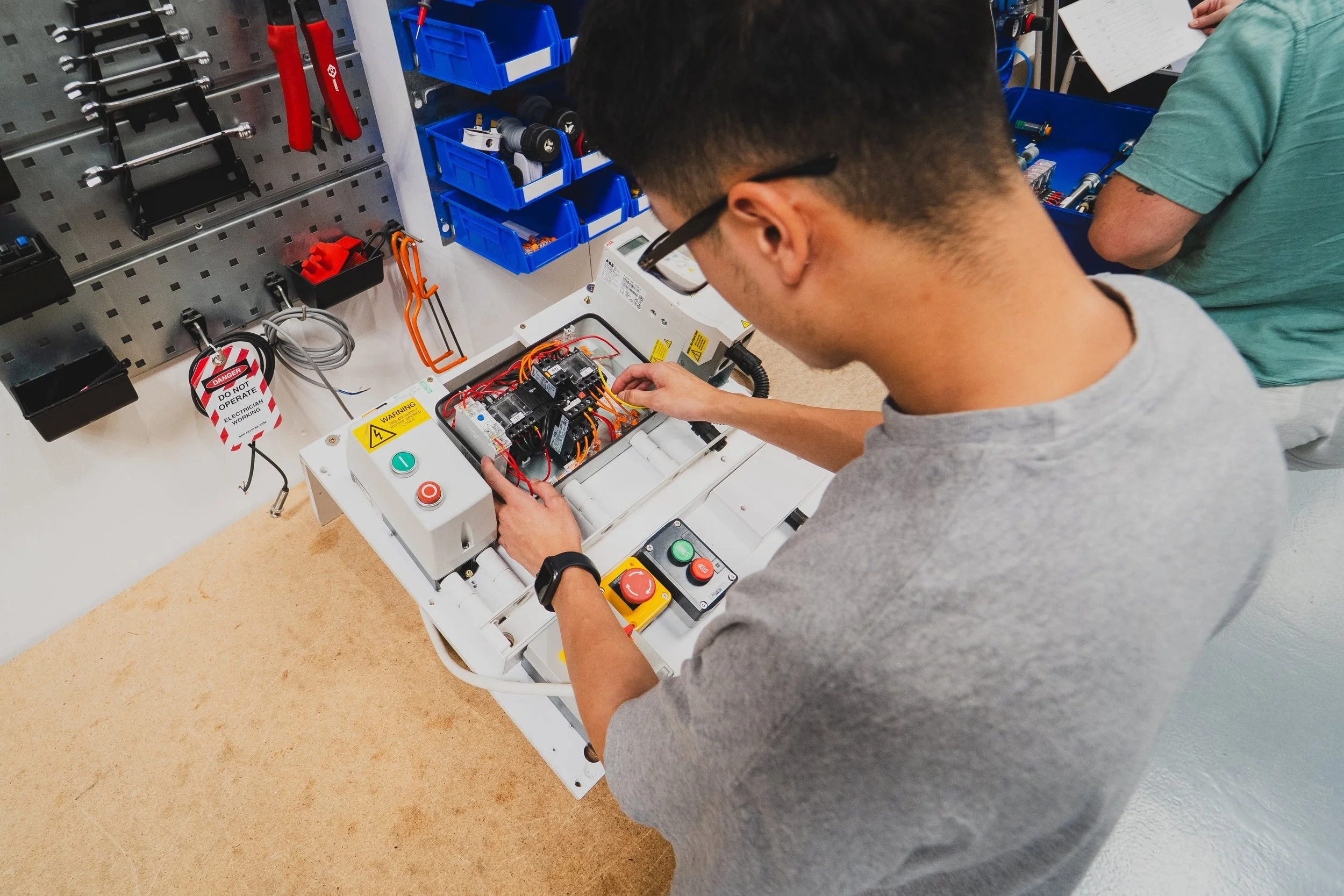
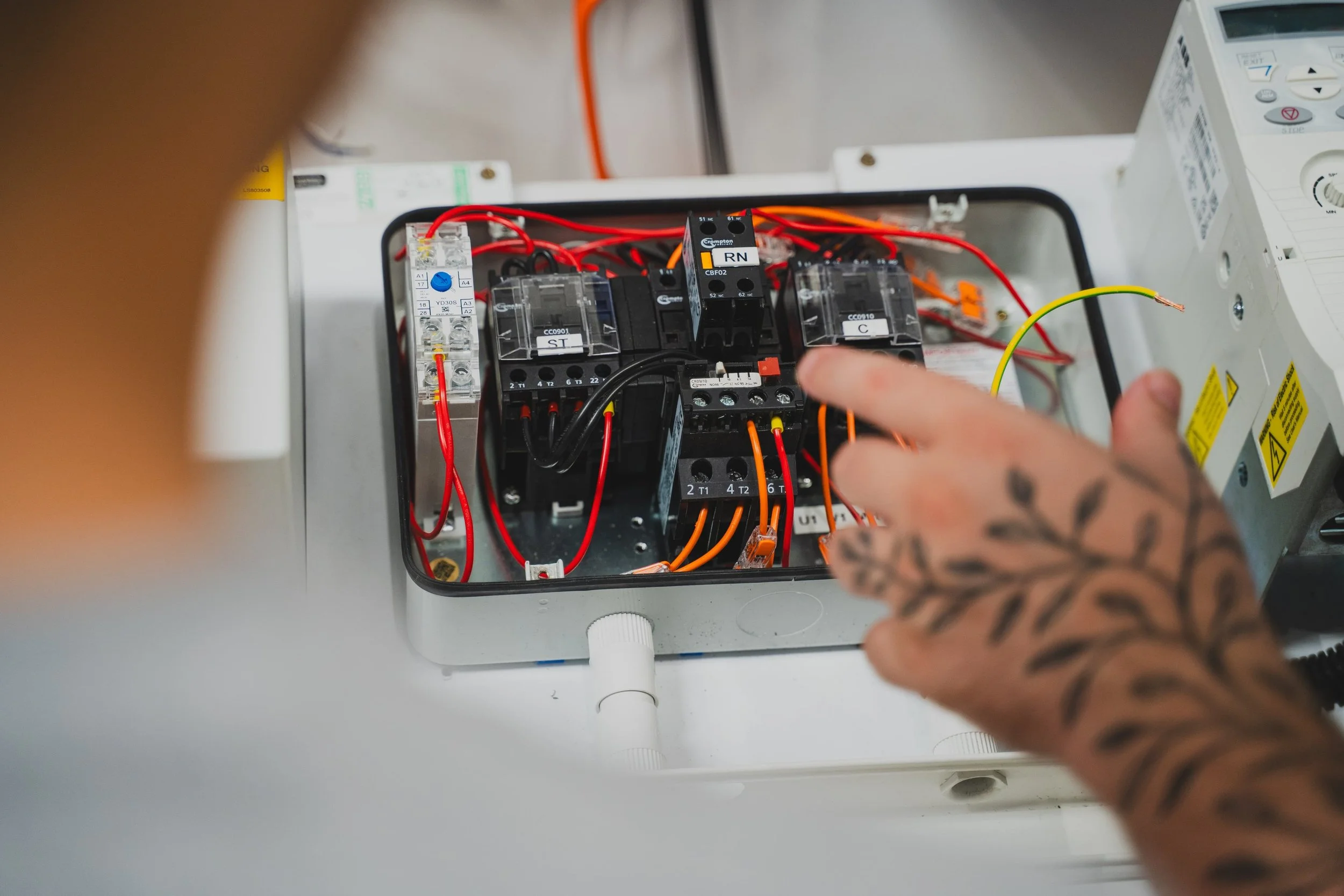
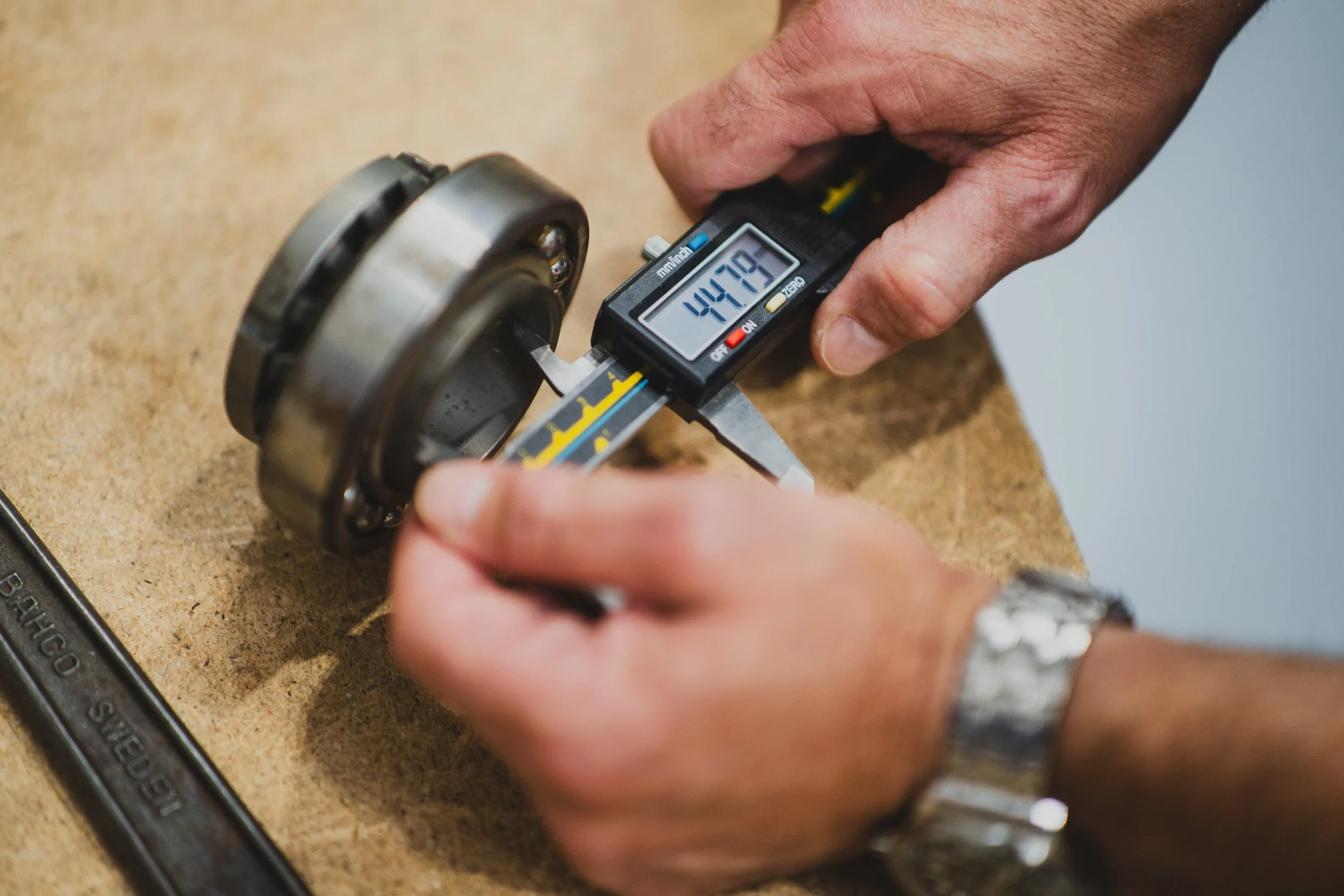
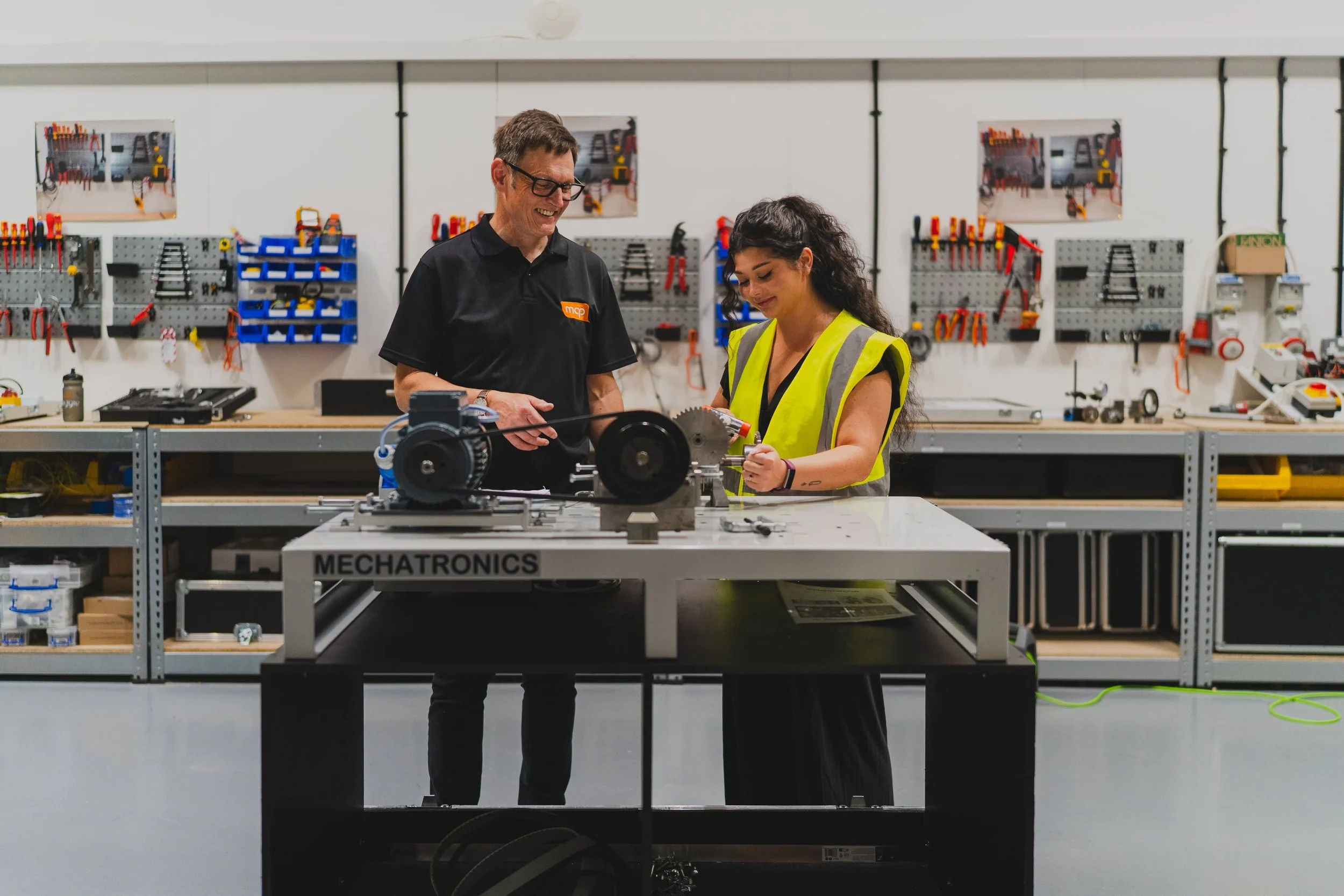
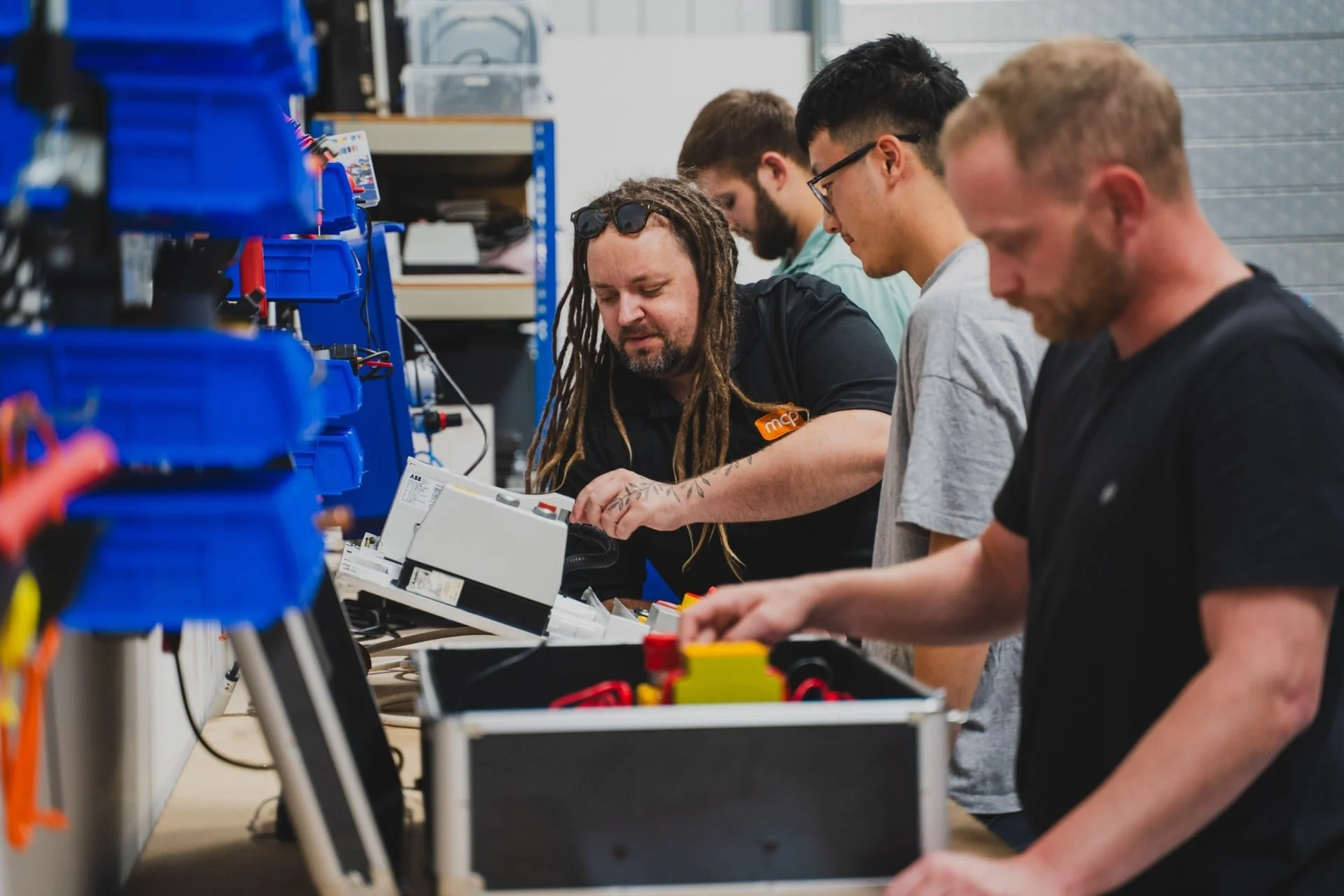
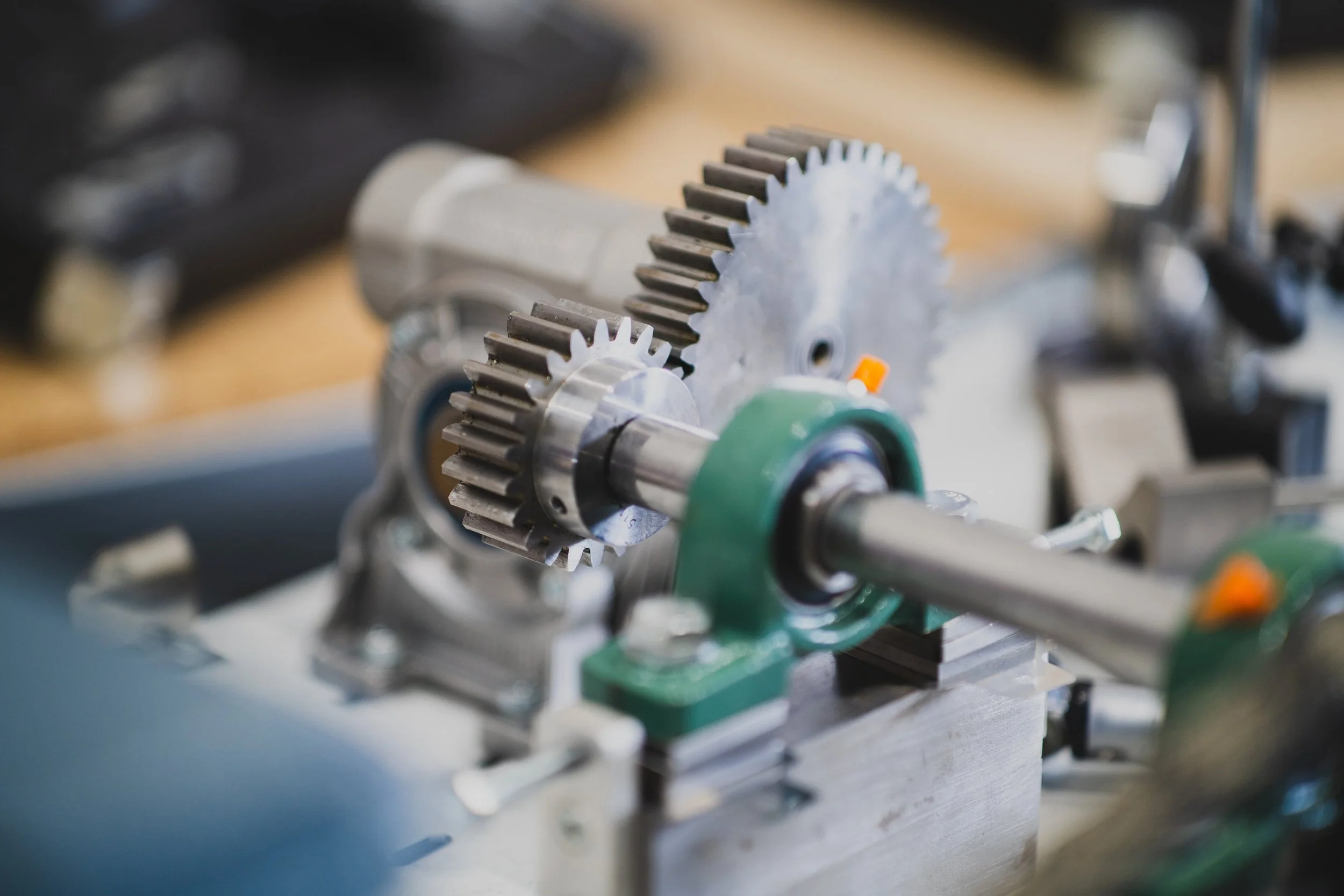
Practical application is central to Mechanical Maintenance Skills – Part 1.
For practical tasks, delegates first learn the underpinning theory before watching the instructor demonstrate the task on a training rig.
They then have the opportunity to practise the task themselves before undertaking a one-to-one practical assessment.
This approach allows delegates to develop their skills progressively, moving from understanding the principle through to demonstrating that they can carry out the task in practice.
Underpinning knowledge is also assessed through a written paper.
HANDS-ON TRAINING
<
HANDS-ON TRAINING <
HANDS-ON TRAINING
>
HANDS-ON TRAINING >
HANDS-ON TRAINING
<
HANDS-ON TRAINING <
WHAT YOU WILL
Learn
Part 1 combines mechanical theory with practical activities across the core components and techniques encountered in routine industrial maintenance.
Safe Mechanical
Working
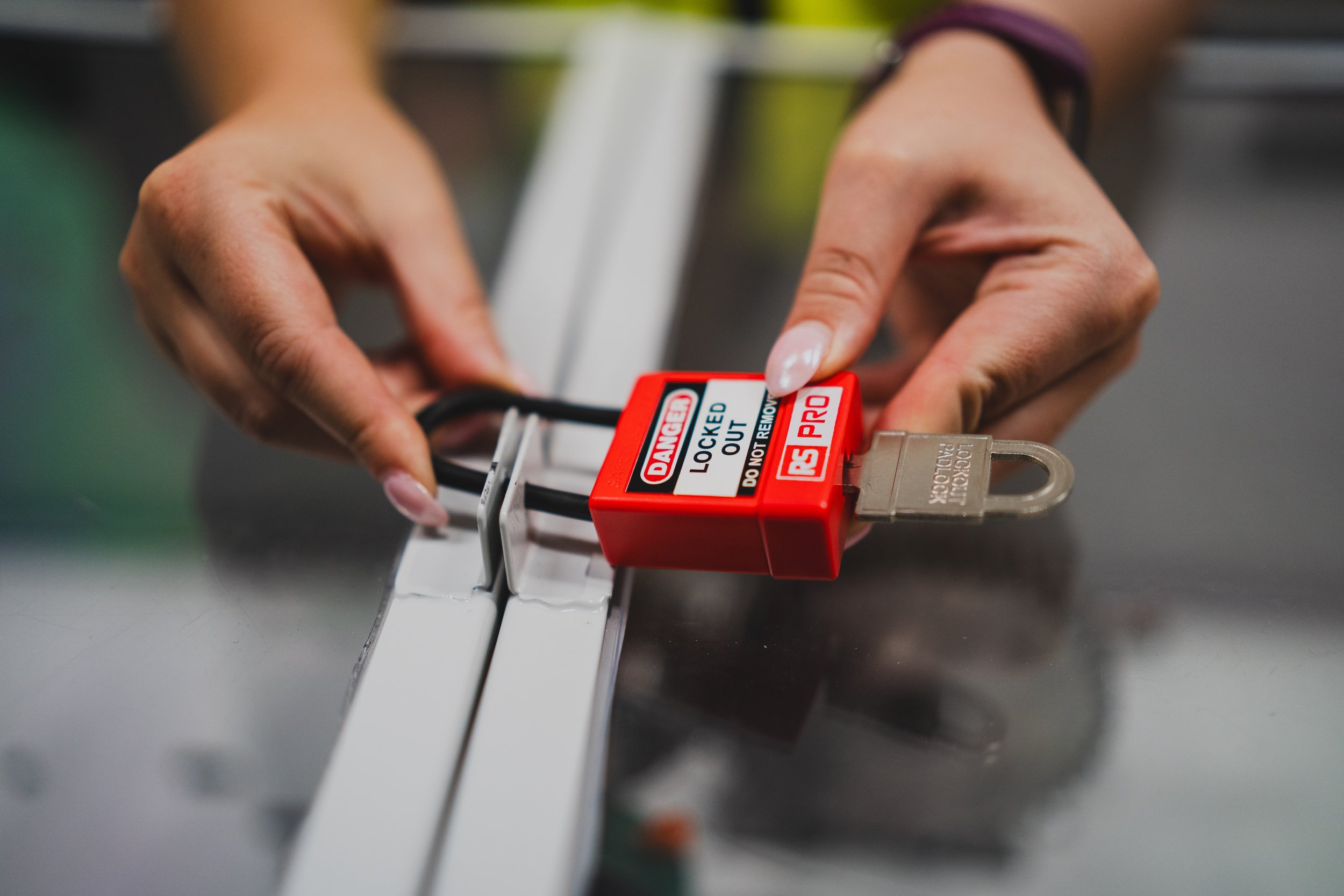
Develop an understanding of the safety requirements associated with practical mechanical maintenance, including:
» The importance of Health and Safety
» Safe Systems of Work
» Plant isolation procedures
» Lockout procedures
» Out of Service tags
» Personal Protective Equipment at Work Regulations 1992
» Pipeline identification
Tolerances, Fixings
& Fastenings
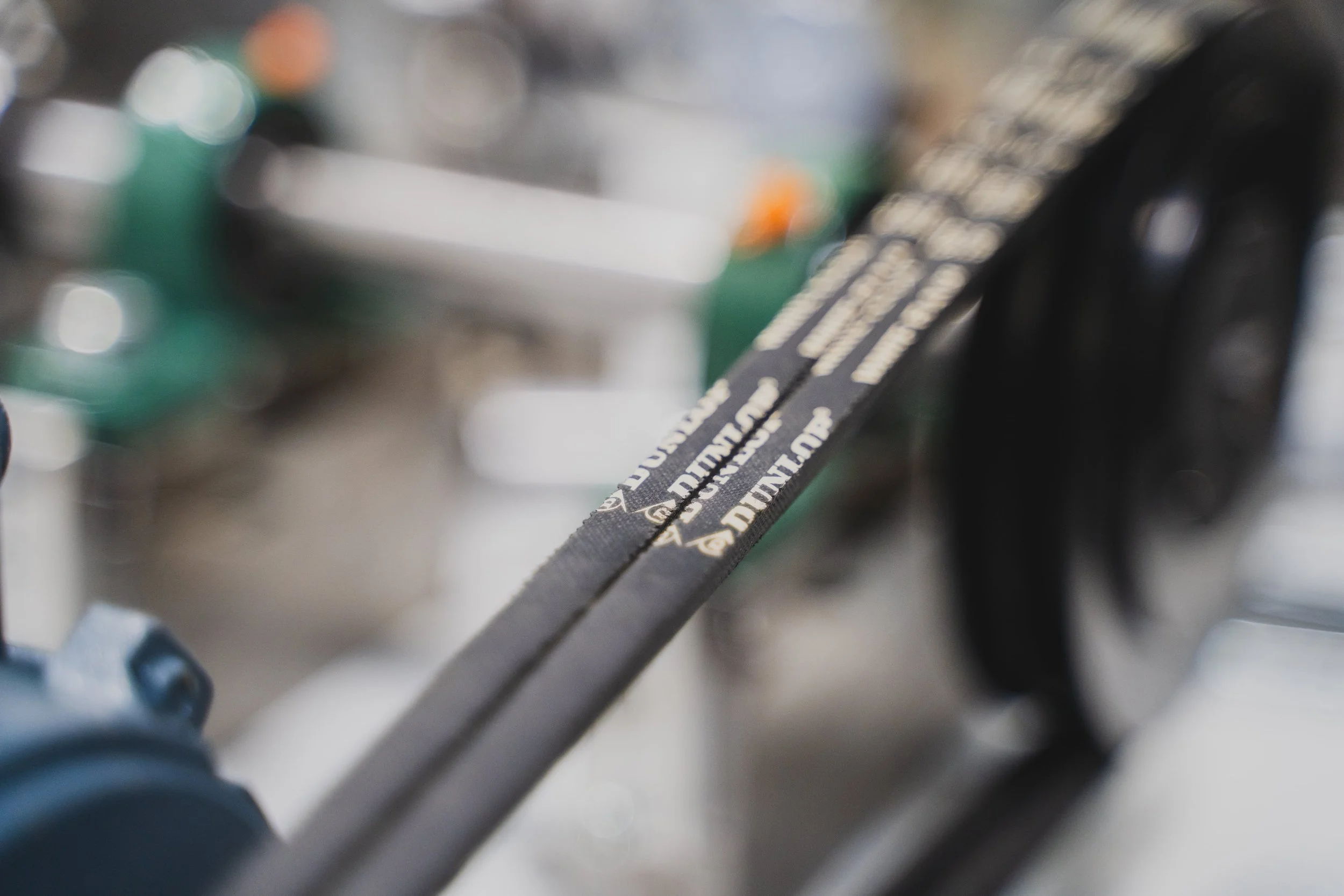
Develop the underpinning knowledge required to work correctly with mechanical components, including:
» Understanding tolerances
» Use of limits and fits
» Selecting and using the correct fixings and fastenings for mechanical procedures
Power Transmission,
Belts & Chains
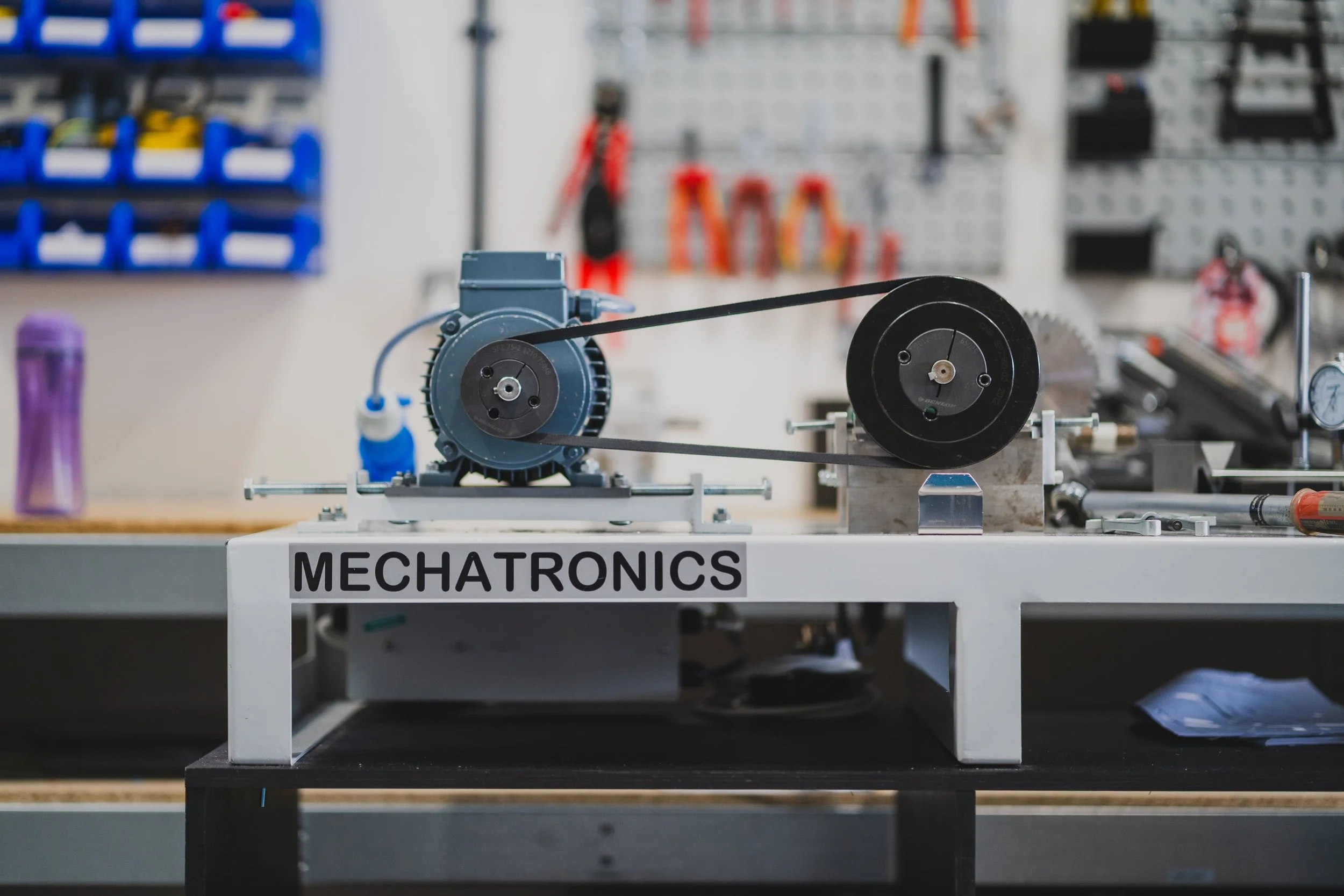
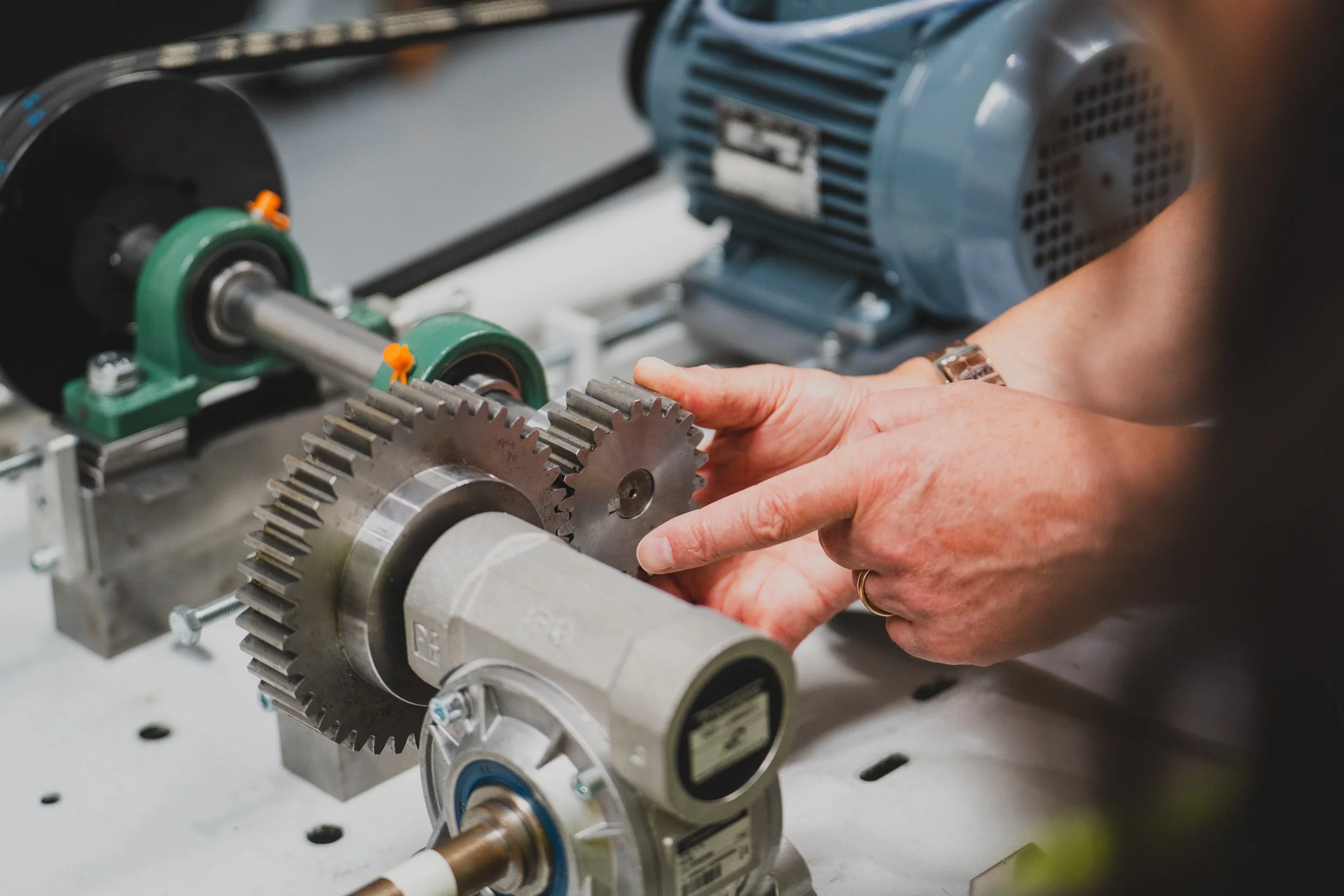
Develop practical knowledge of common mechanical power transmission systems, including:
Power transmission principles
»Flat belts
» Vee belt drives
» Pulleys
» Synchronous belt drives
» Roller chain drives
» Sprockets
Bearings, Shafts
& Alignment
Develop an understanding of:
Different types of bearings
» Shafts and keys
» Shaft alignment
» Straight-line couplings
Pumps
Learn to recognise different types of pumps and develop a greater understanding of their place within mechanical systems.
MECHANICAL MAINTENANCE
Part 1
Develop Essential Practical Mechanical Maintenance Skills
This four-day course introduces delegates to essential mechanical maintenance principles and the components commonly encountered within industrial machinery, including power transmission systems, belts, chains, bearings, shafts, couplings and pumps.
Technical theory is supported by instructor demonstrations and practical workshop activities, allowing delegates the opportunity to practise each task before completing practical assessment.
Part 1 forms the foundation of MCP's two-part Mechanical Maintenance Skills Programme, with successful completion of both Parts 1 and 2 leading to a City & Guilds Accreditation Certificate in Mechanical Maintenance Skills.
Delegates complete practical activities and assessments as they progress through the programme, with successful completion of both Parts 1 and 2 leading to an end-of-course exam. Delegates who successfully pass the exam will be awarded a City & Guilds Accreditation Certificate in Mechanical Maintenance Skills.
WHY LEARN
Mechanical Maintenance Skills
Effective mechanical maintenance requires more than recognising individual components. Engineers and technicians need to understand how components operate, how they interact and how to undertake common maintenance activities correctly and safely.
Part 1 develops this foundation through a combination of technical knowledge and practical application.
Delegates work with common mechanical components and systems including belts and pulleys, chains and sprockets, bearings, shafts, couplings and pumps, while developing an understanding of safe systems of work, plant isolation, tolerances, limits and fits, and appropriate fixings and fastenings.
The course is designed to enable delegates to carry out high-frequency, low-risk mechanical tasks following successful completion of the training.
IS THIS COURSE
Right for You?
Mechanical Maintenance Skills – Part 1 is designed for people who need to develop or strengthen practical mechanical competence.
It is particularly suitable for:
» Maintenance Technicians
»Mechanical Maintenance Engineers
» Electrical Maintenance Engineers and Technicians developing mechanical skills
» Mechanical Fitters developing or refreshing practical skills
» Multi-skilled Maintenance Engineers
» Operators undertaking appropriate mechanical maintenance activities
» Technicians moving into mechanical maintenance roles
» Production personnel developing greater technical capability
» Employers looking to broaden mechanical skills within maintenance and operations teams
WHAT WILL YOU
Be Able to Do?
On successful completion of Part 1, delegates will have developed greater practical knowledge and competence across a range of fundamental mechanical maintenance activities.
Depending on the task and workplace requirements, this includes greater confidence in:
Following safe systems of work and plant isolation procedures
» Understanding tolerances, limits and fits and selecting appropriate mechanical fixings and fastenings
» Working with common power transmission systems
» Understanding belt and pulley systems and Working with roller chains and sprockets
» Recognising different bearing types
» Understanding shafts and keys and applying basic shaft alignment principles
» Understanding straight-line couplings and Recognising different types of pumps
» Carrying out appropriate high-frequency, low-risk mechanical tasks
Part 1 also provides the foundation for progression to Mechanical Maintenance Skills – Part 2.
CITY & GUILDS
Accreditation
Delegates complete practical activities throughout Part 1, followed by one-to-one practical assessments. Underpinning mechanical knowledge is assessed through a written paper.
Successful completion of Part 1 leads to the award of an MCP Technical Training Certificate.
Part 1 also forms the first stage of the Mechanical Maintenance Skills accredited pathway. Successful completion of both Parts 1 and 2 leads to a City & Guilds Accreditation Certificate in Mechanical Maintenance Skills.
COURSE
Syllabus
» Flat belts
» Vee belt drives and pulleys
» Synchronous belt drives
» Roller chain drives and sprockets
» Types of bearings
» Shafts and keys
» Shaft alignment
» Straight-line couplings
» Different types of pumps
» Health and Safety
» Safe Systems of Work
» Plant isolation procedures
» Lockout and Out of Service tags
» Personal Protective Equipment at Work Regulations 1992
» Pipeline identification
»Tolerances
» Limits and fits
» Fixings and fastenings
» Power transmission
CONTINUE YOUR MECHANICAL MAINTENANCE SKILLS JOURNEY
The Mechanical Maintenance Skills Programme is delivered across two progressive parts.
Part 1
Mechanical Maintenance Fundamentals
(Current Module)
Part 2
Further Mechanical Maintenance Skills Training Module
Begin Your Mechanical Maintenance
Build essential practical skills in power transmission, bearings, drives, alignment, pumps and other common mechanical components with Part 1 of MCP's Mechanical Maintenance Skills Programme.
Whether you're developing your own practical capability or strengthening mechanical skills across your maintenance or operations team, Part 1 provides the foundation for progressing through the two-part programme.
Training Journey
FAQs
-
The course is designed for operators, maintenance teams and technicians looking to enhance their mechanical competence across a range of common maintenance activities.
-
Yes. Practical learning is central to the course. Theory is followed by instructor demonstration and delegate practice before a one-to-one practical assessment.
-
Yes. Delegates undertake practical assessment, while underpinning knowledge is assessed through a written paper.
-
Part 1 covers areas including power transmission, belts and pulleys, chains and sprockets, bearings, shafts and keys, alignment, couplings and pumps.
-
Part 1 is the first stage of the accredited programme. Both Parts 1 and 2 must be successfully completed to gain the City & Guilds Accreditation Certificate in Mechanical Maintenance Skills.
-
Yes. The Mechanical Maintenance Skills Programme can also be delivered on site as an alternative to scheduled public training.