
Control & Instrumentation Training Part 1
Develop Practical Industrial Instrumentation & Process Control Skills
Develop practical control and instrumentation skills with MCP's Part 1 course covering measurement systems, calibration, process measurement and fault finding.
COURSE AT A
Glance
Duration:
3 days
Delivery:
Theory and practical training
Locations:
Solihull, Reading or On Site
Prerequisites:
No previous knowledge of industrial control required
Certificate:
MCP Technical Training Certificate
Next Step:
Prices Quoted Exclude VAT
Course Type | Instrumentation, Technical Skills
Certificate | MCP Training Certificate
Duration of Course | 3 Days
Location | Reading or Solihull
Control & Instrumentation Training – Part 2
PRACTICAL WORKSHOP
Experience
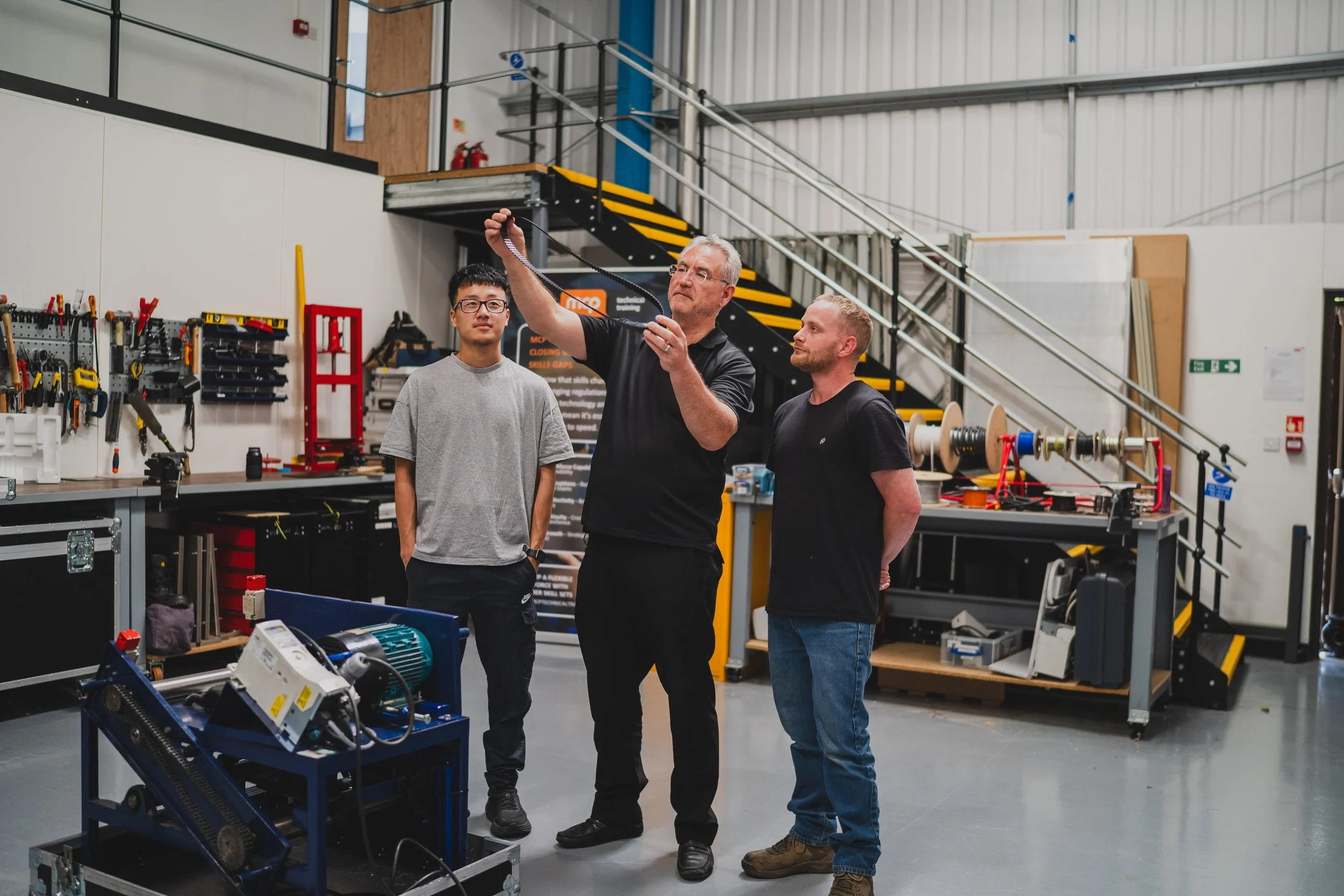
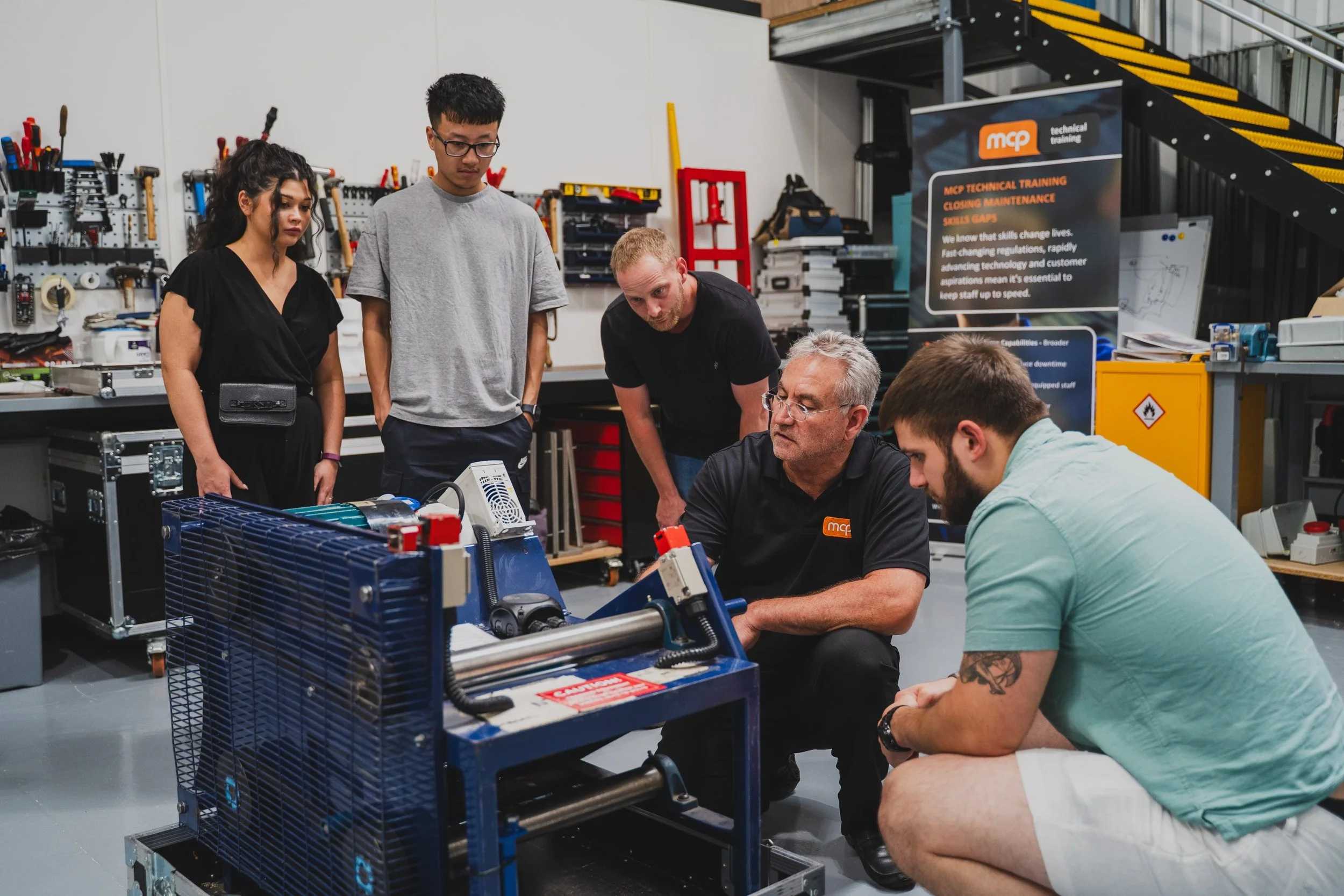
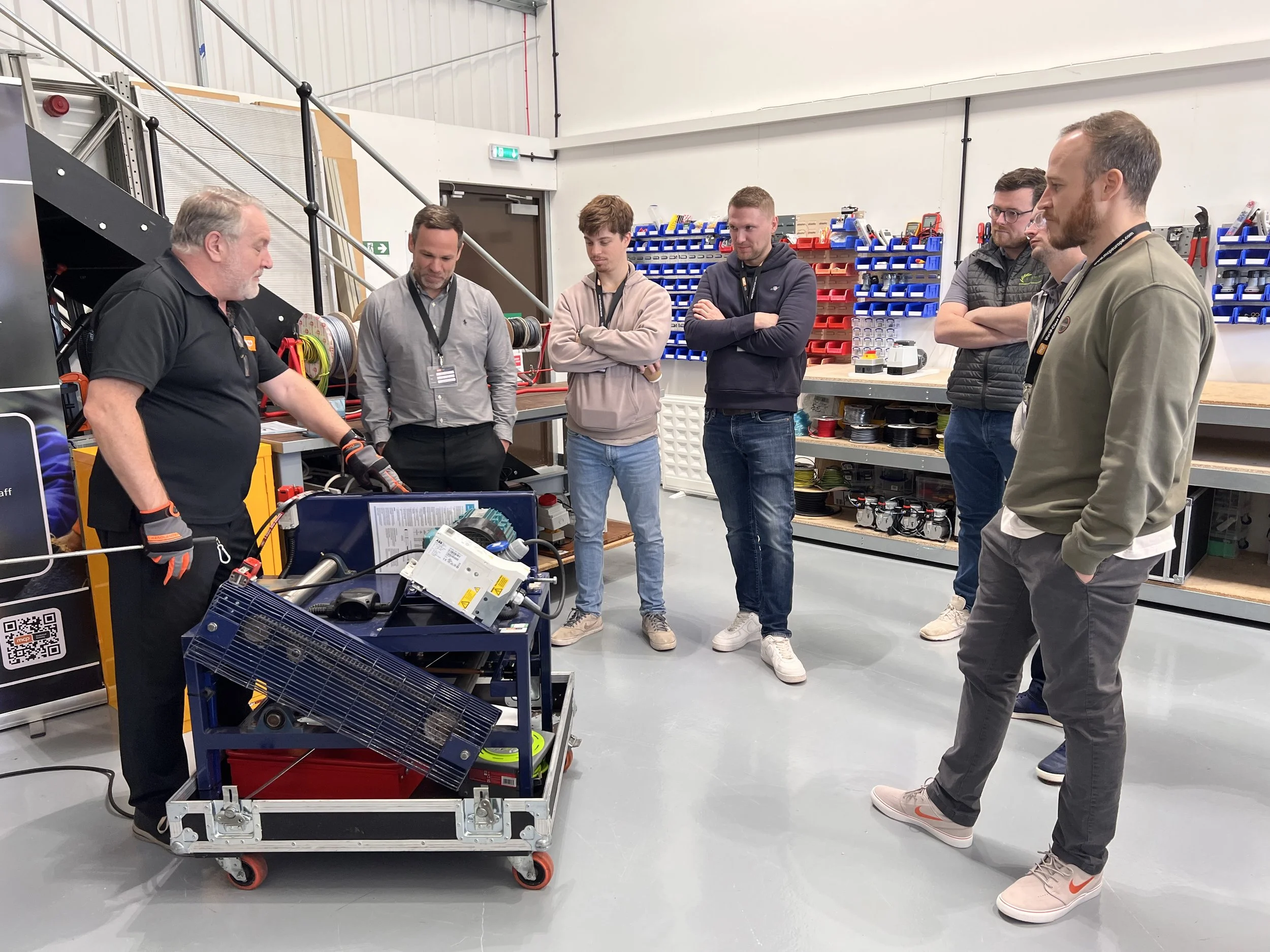
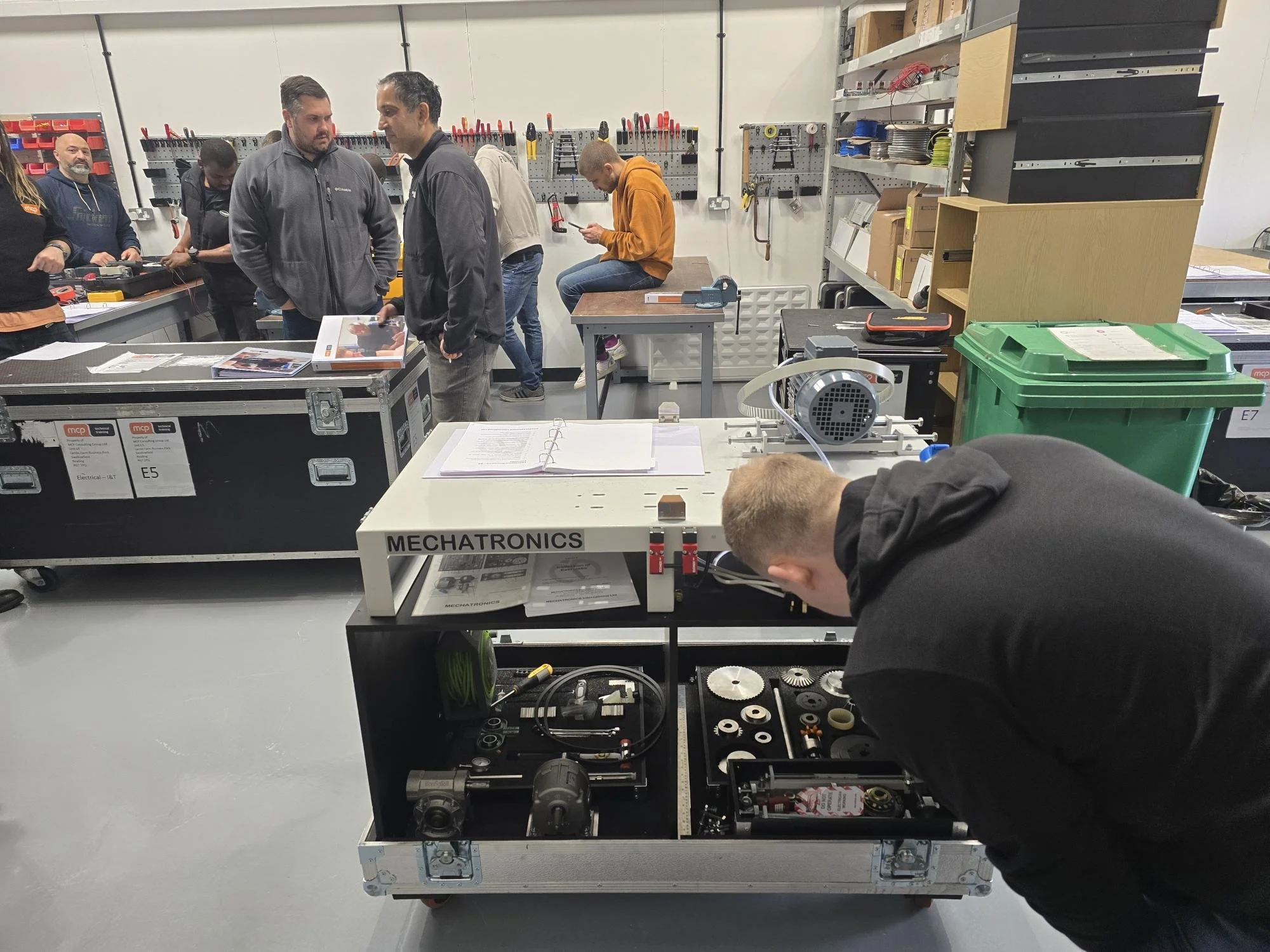
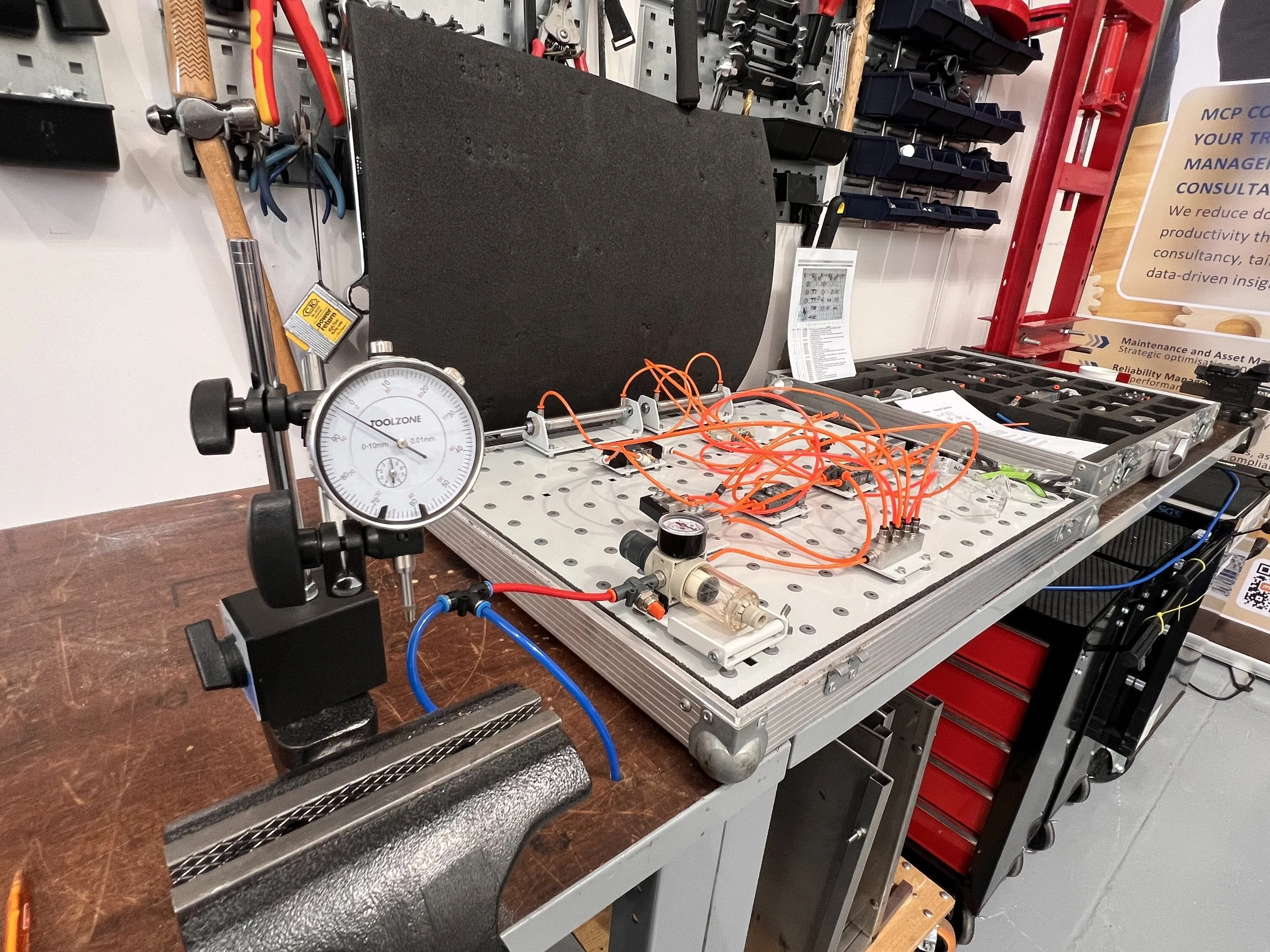
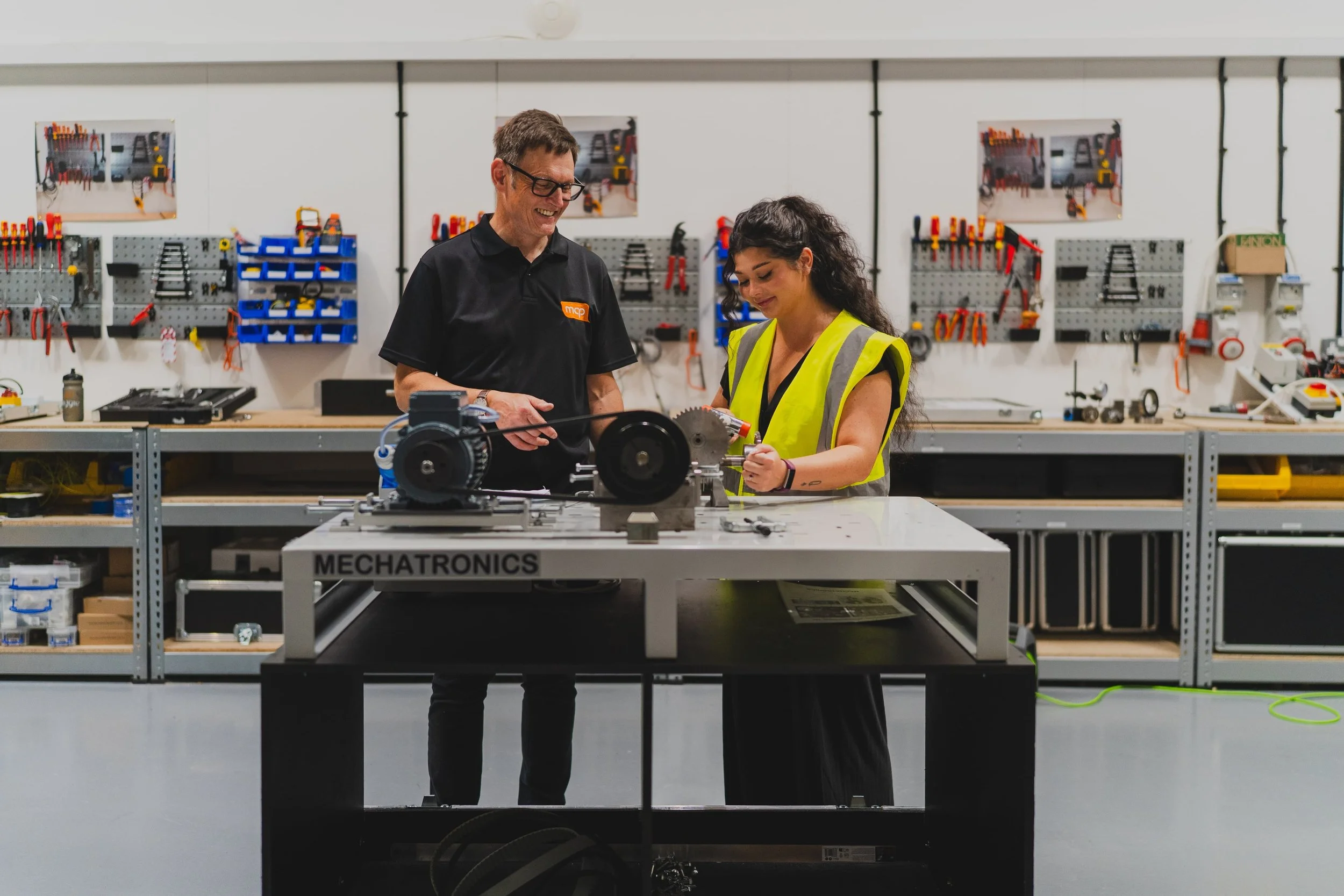
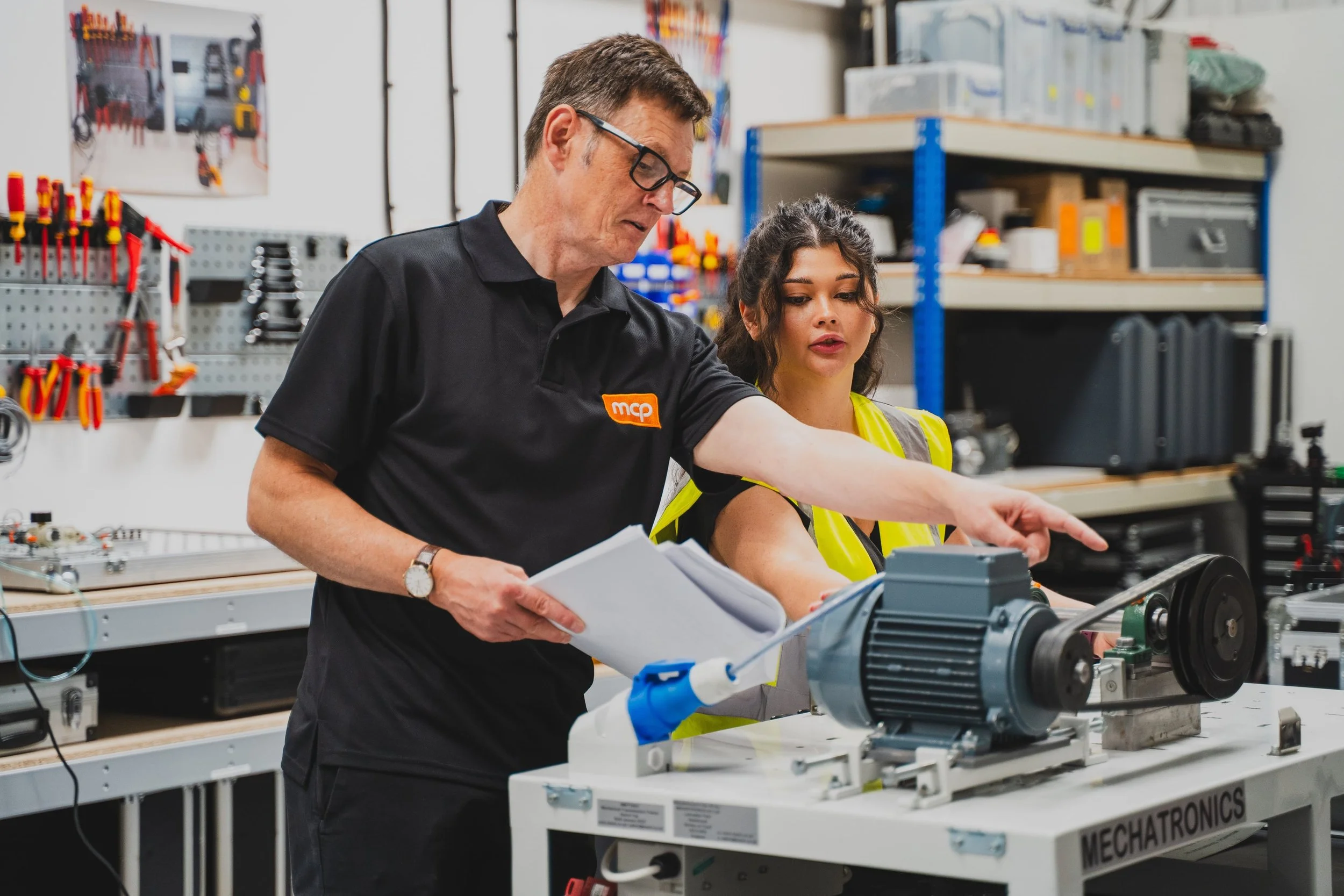
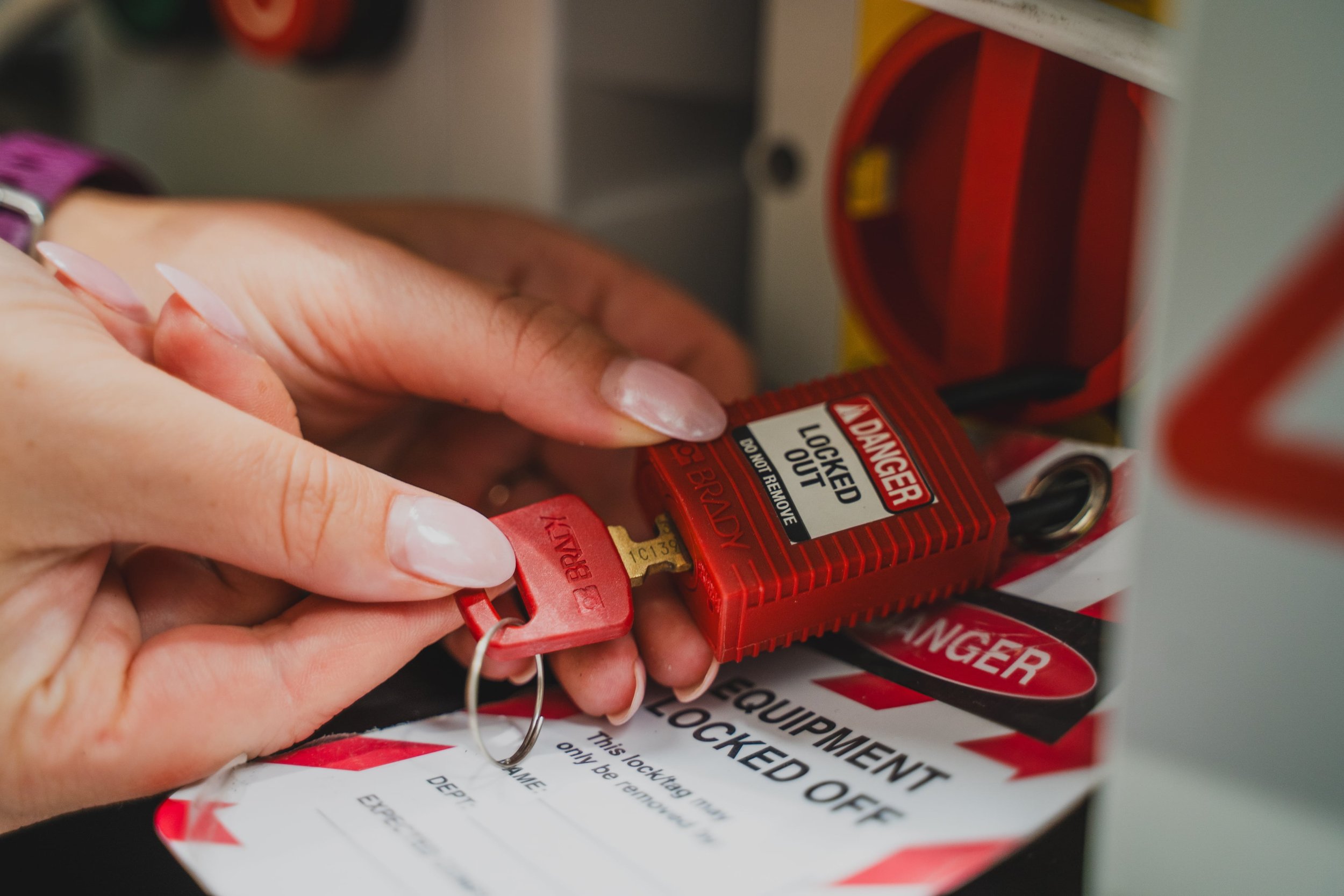
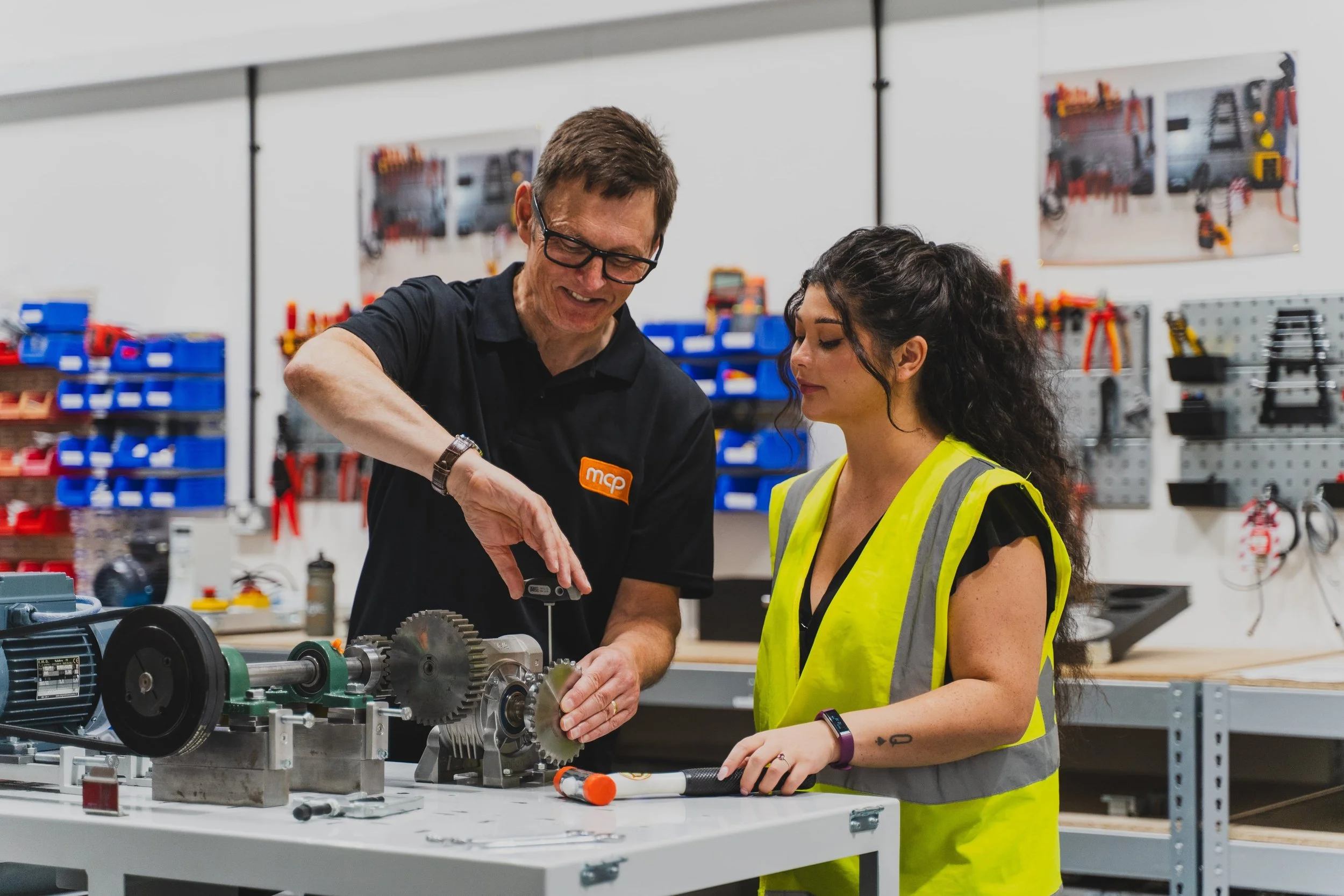
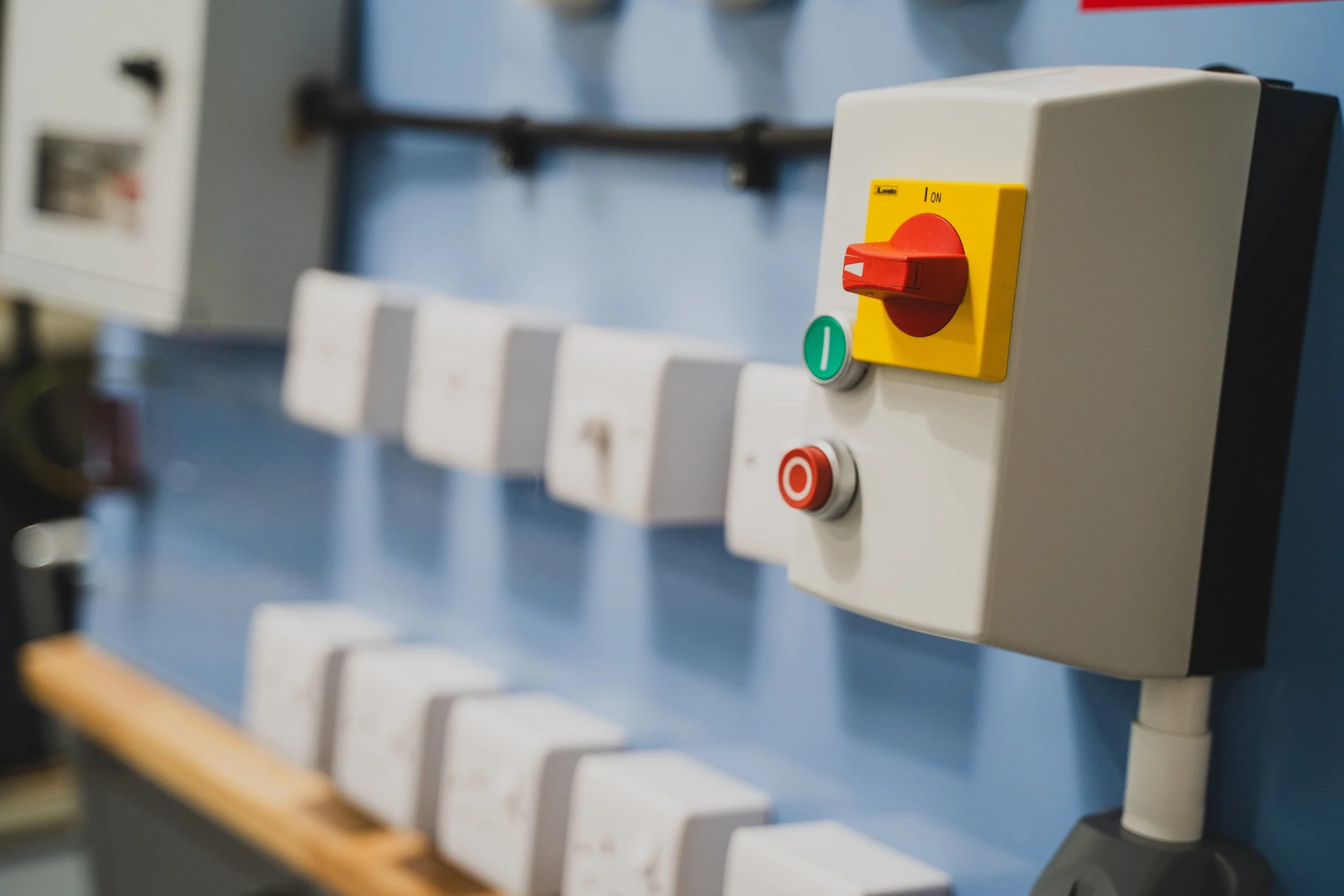
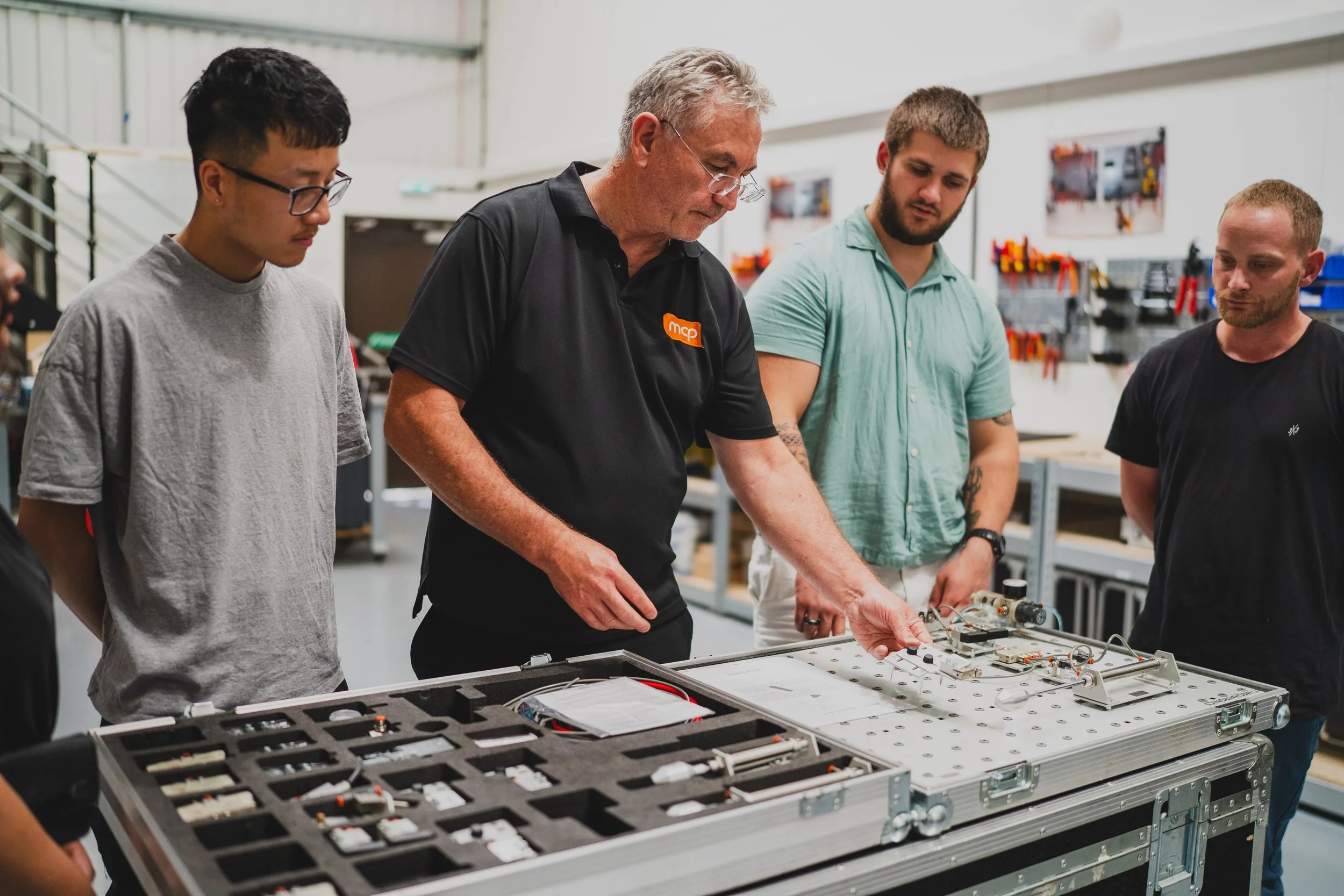
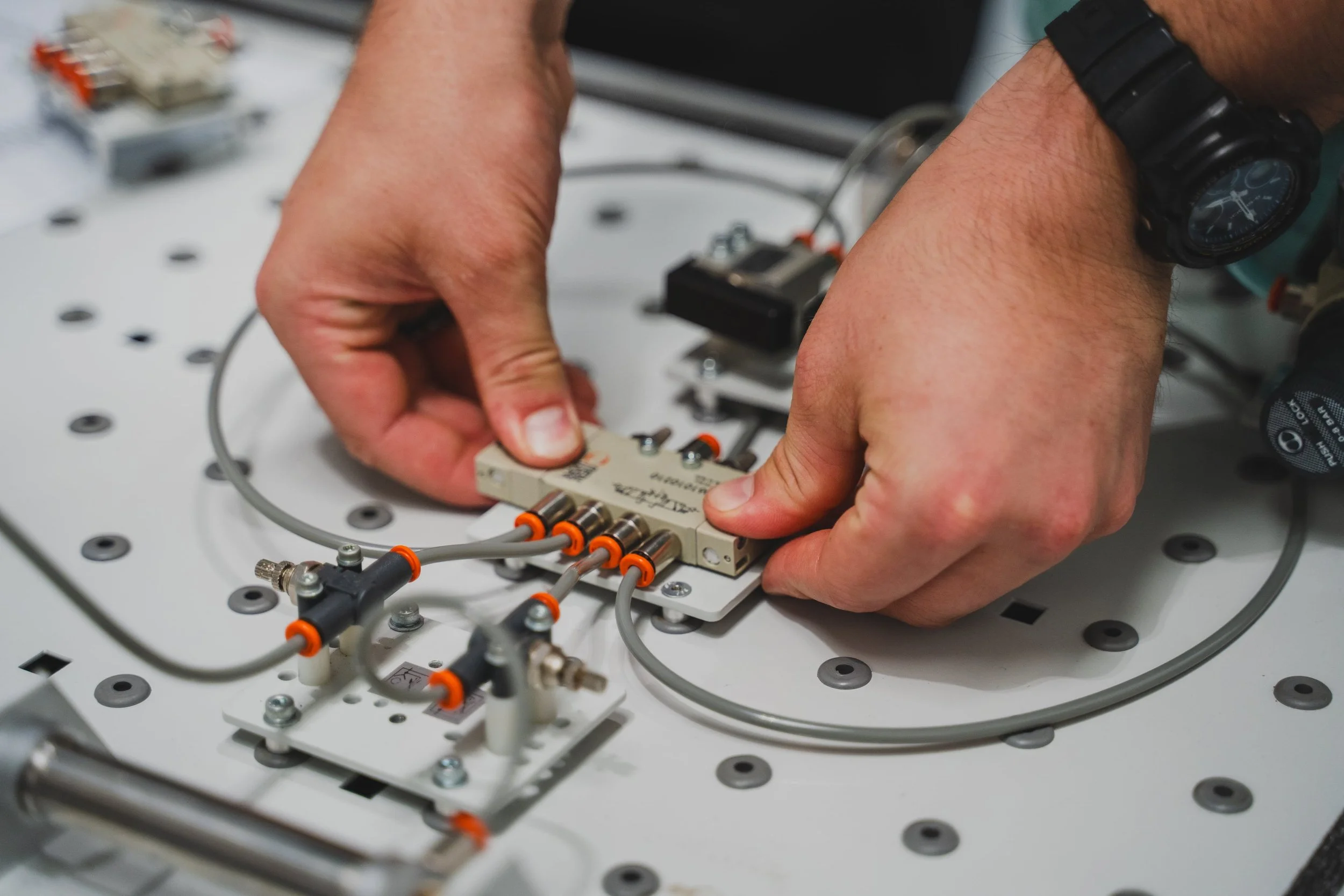
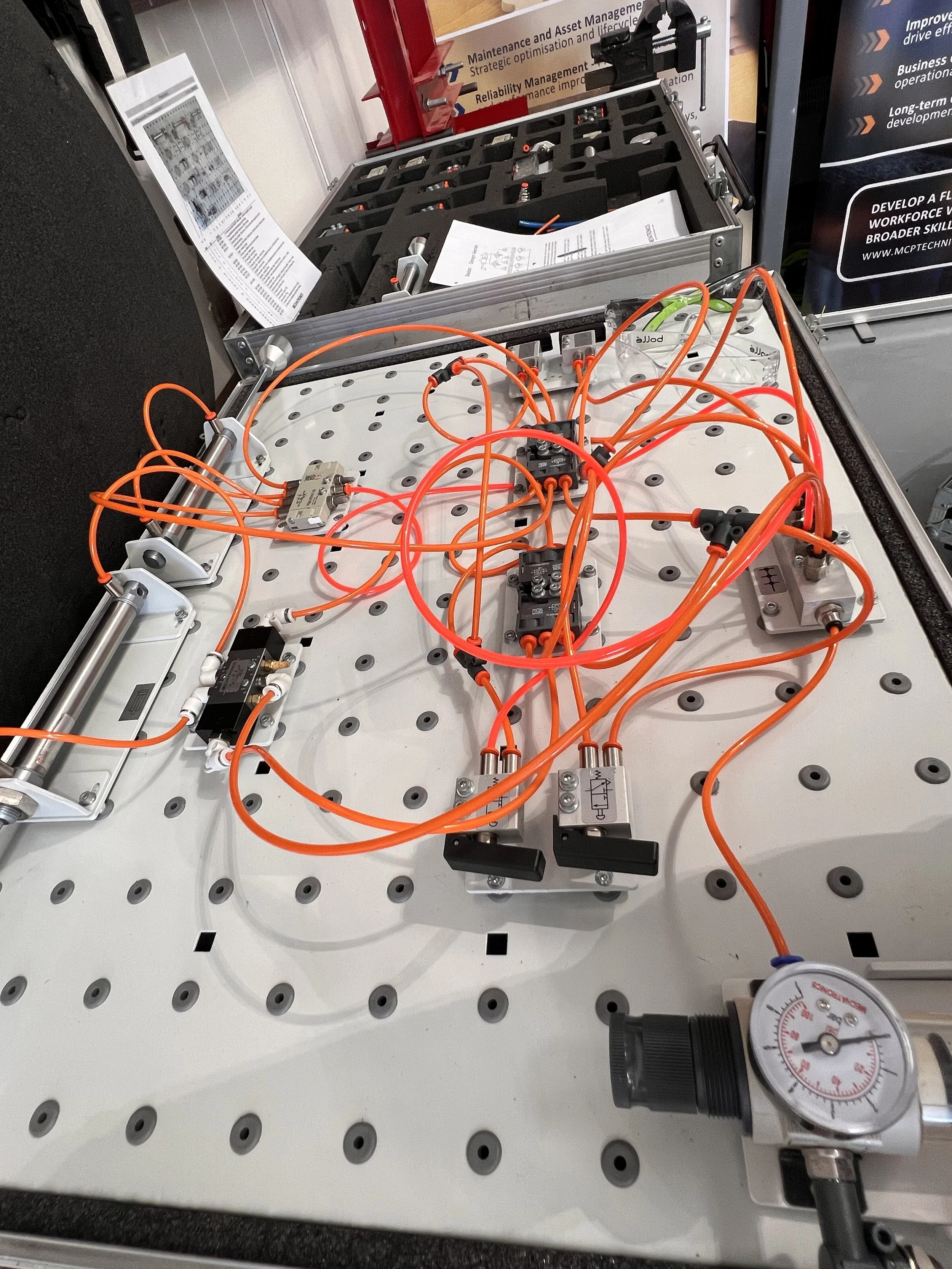
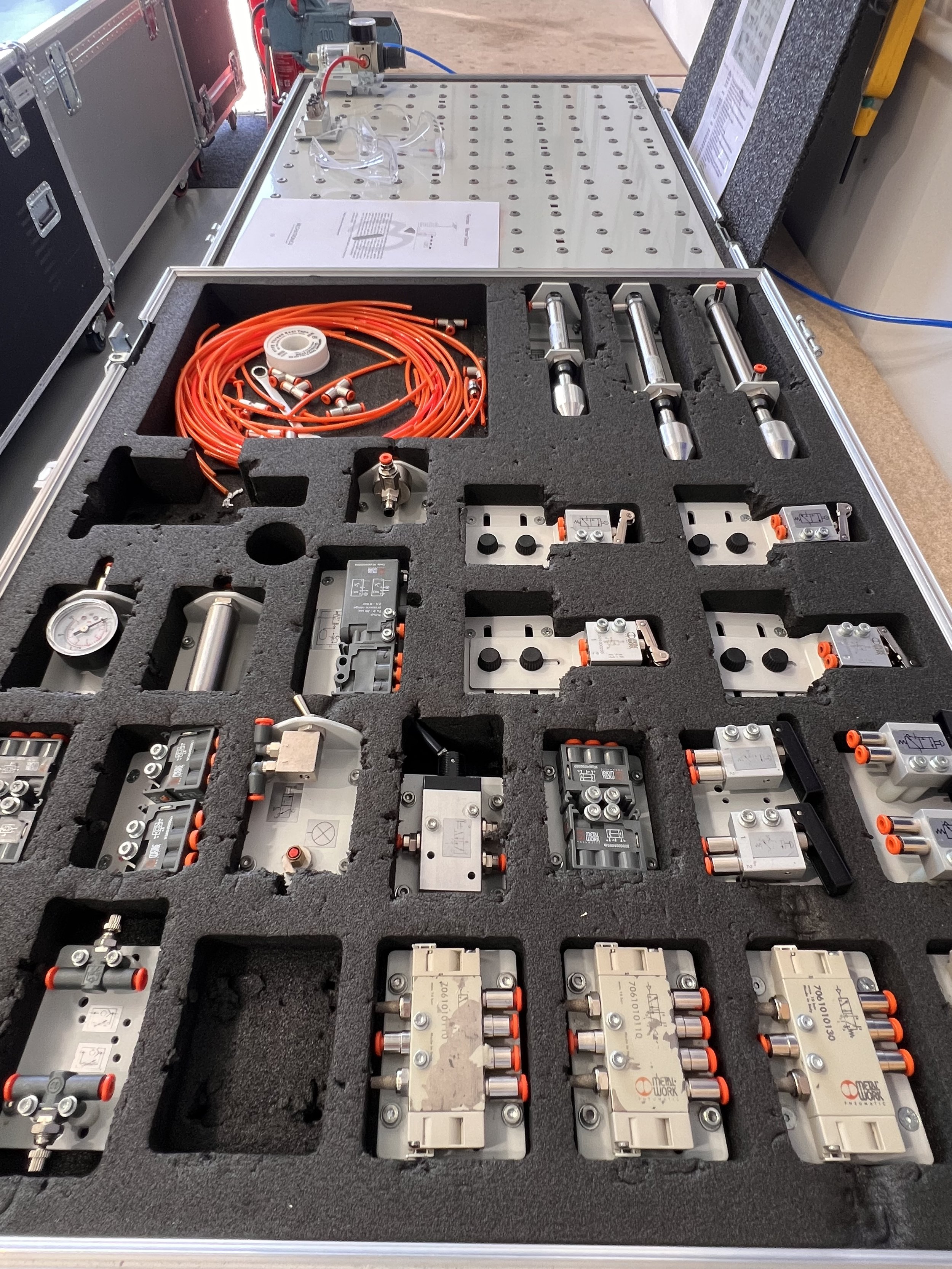
Practical skills form an important part of Control & Instrumentation Training – Part 1.
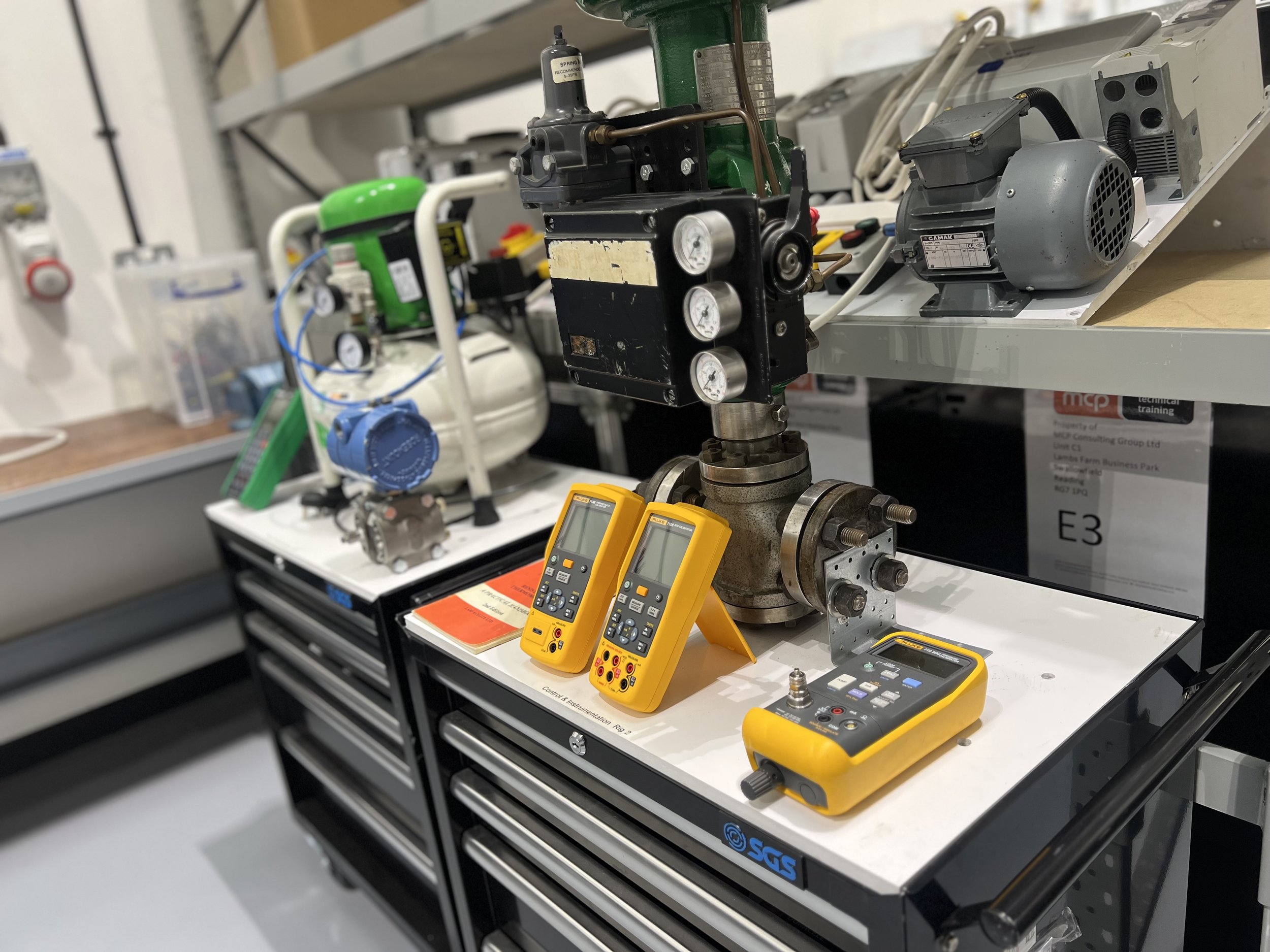
Delegates apply the principles covered during training to the construction, testing and calibration of measurement systems, helping them understand how instrumentation behaves in practice.
The course also develops experience in identifying and testing temperature sensing and indication devices, alongside measurement and fault-finding activities involving pressure, level, flow and temperature.
Combining theoretical knowledge with practical application helps delegates develop greater confidence when working with industrial instrumentation and measurement systems.
HANDS-ON TRAINING
<
HANDS-ON TRAINING <
HANDS-ON TRAINING
>
HANDS-ON TRAINING >
HANDS-ON TRAINING
<
HANDS-ON TRAINING <
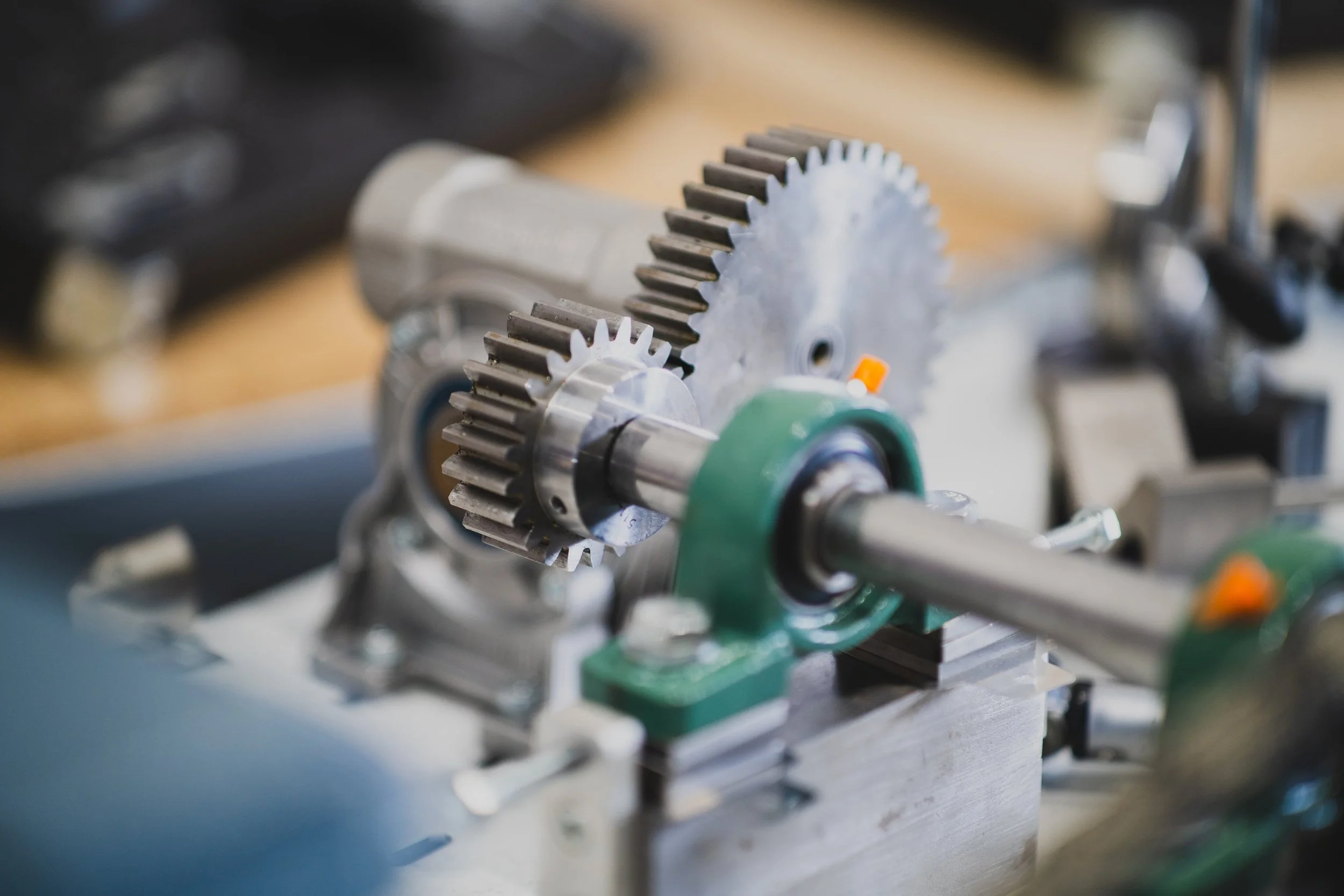
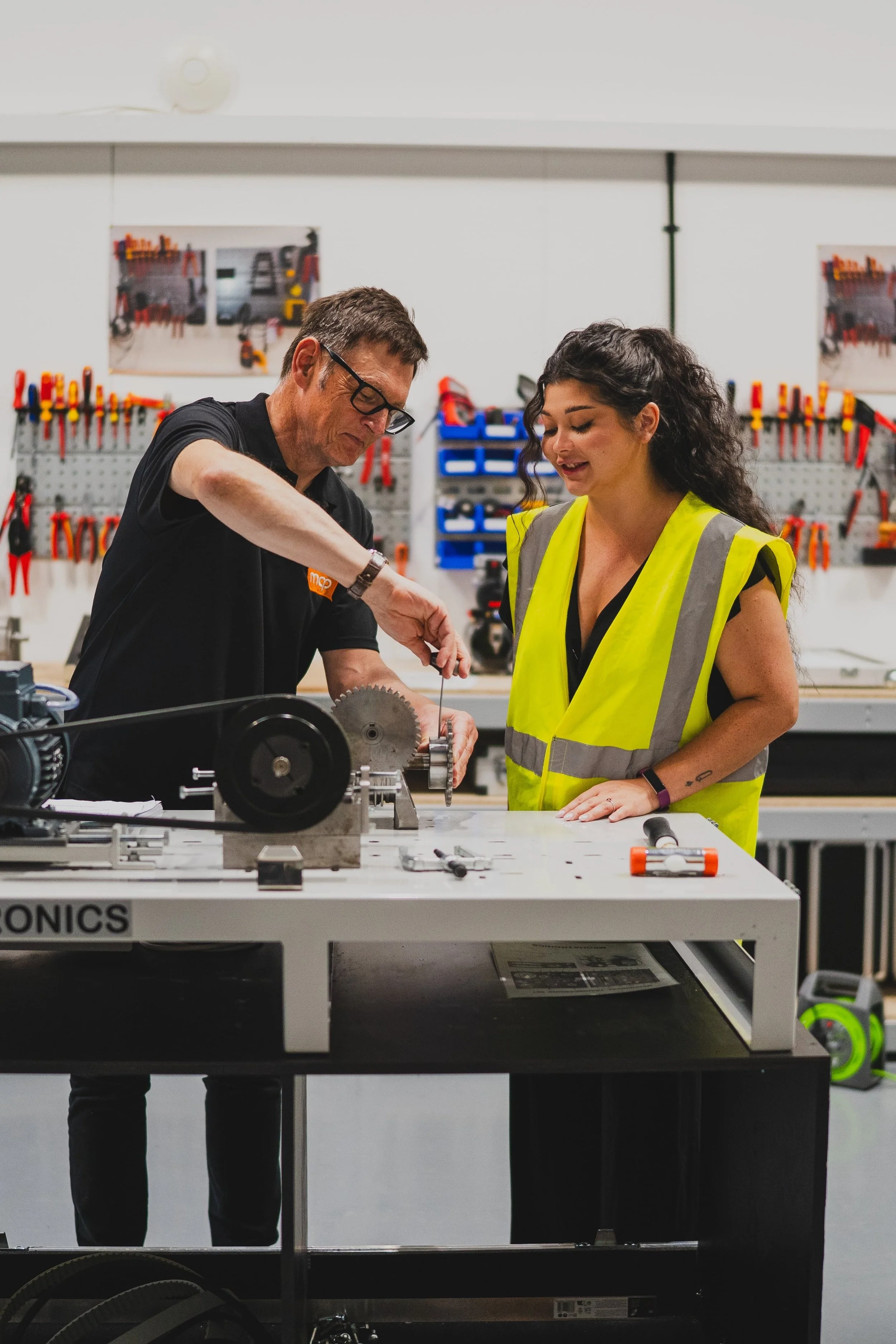
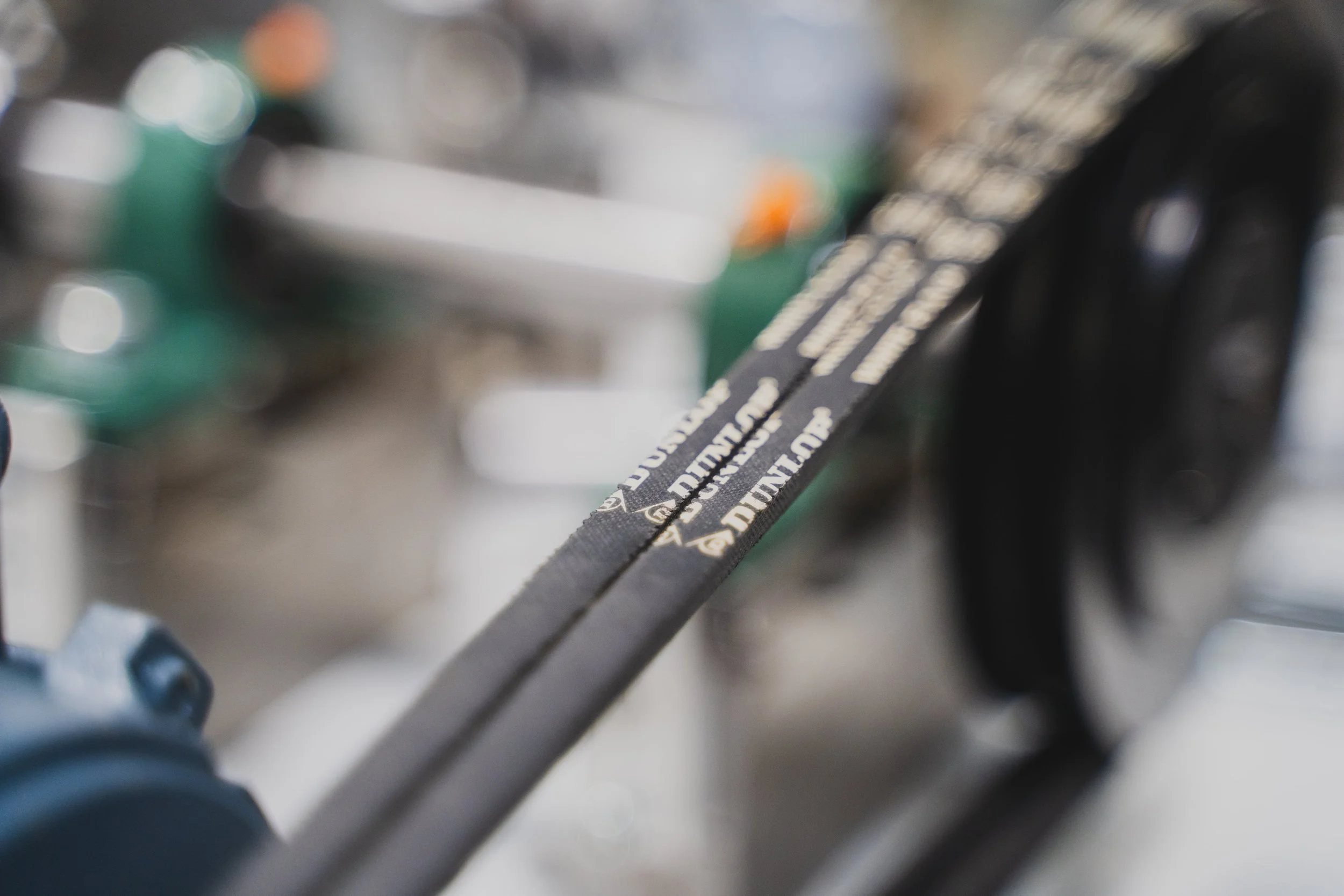
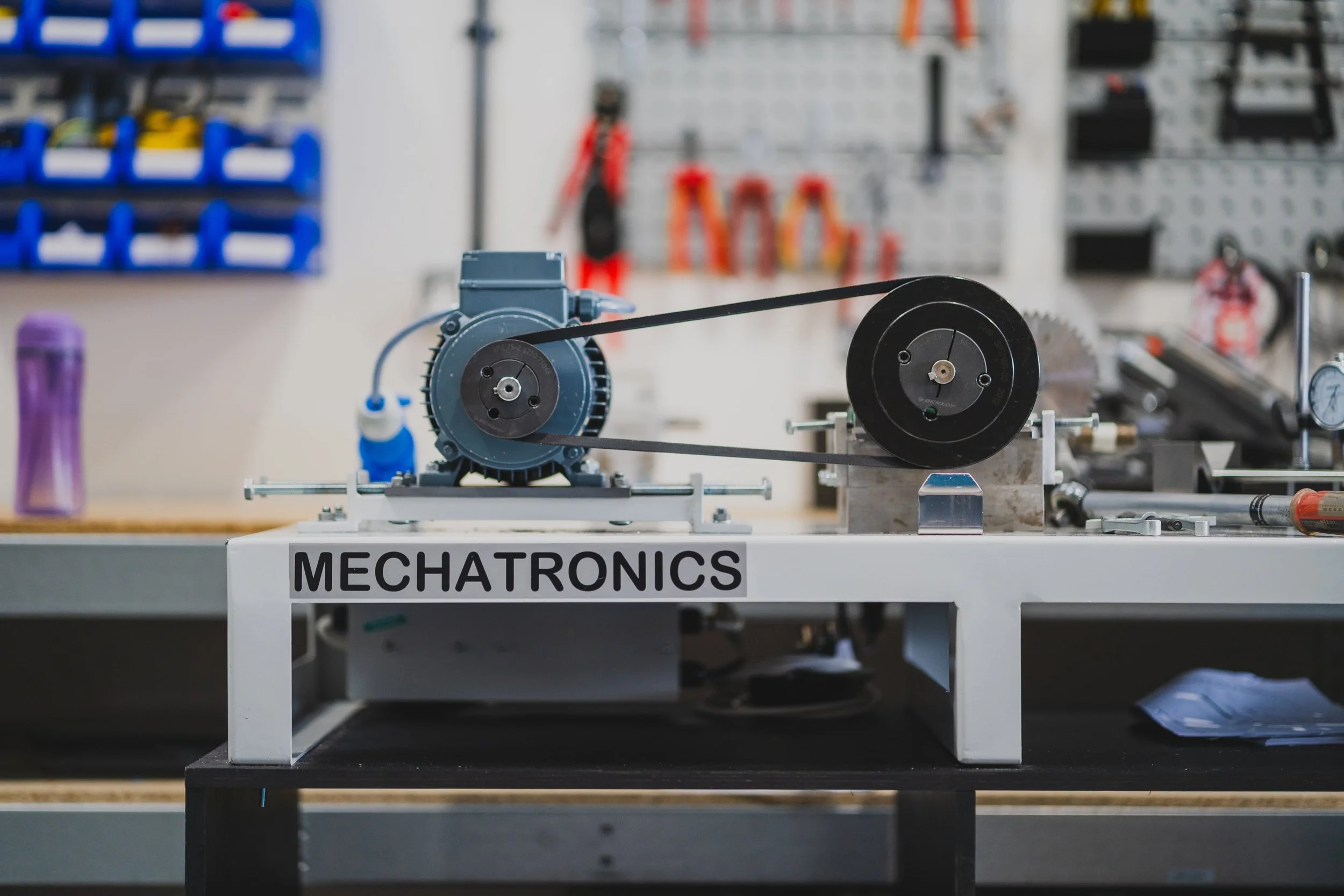
WHAT YOU WILL
Learn
Rather than focusing solely on instrumentation theory, Part 1 develops practical skills alongside the underpinning knowledge required to understand industrial measurement systems.
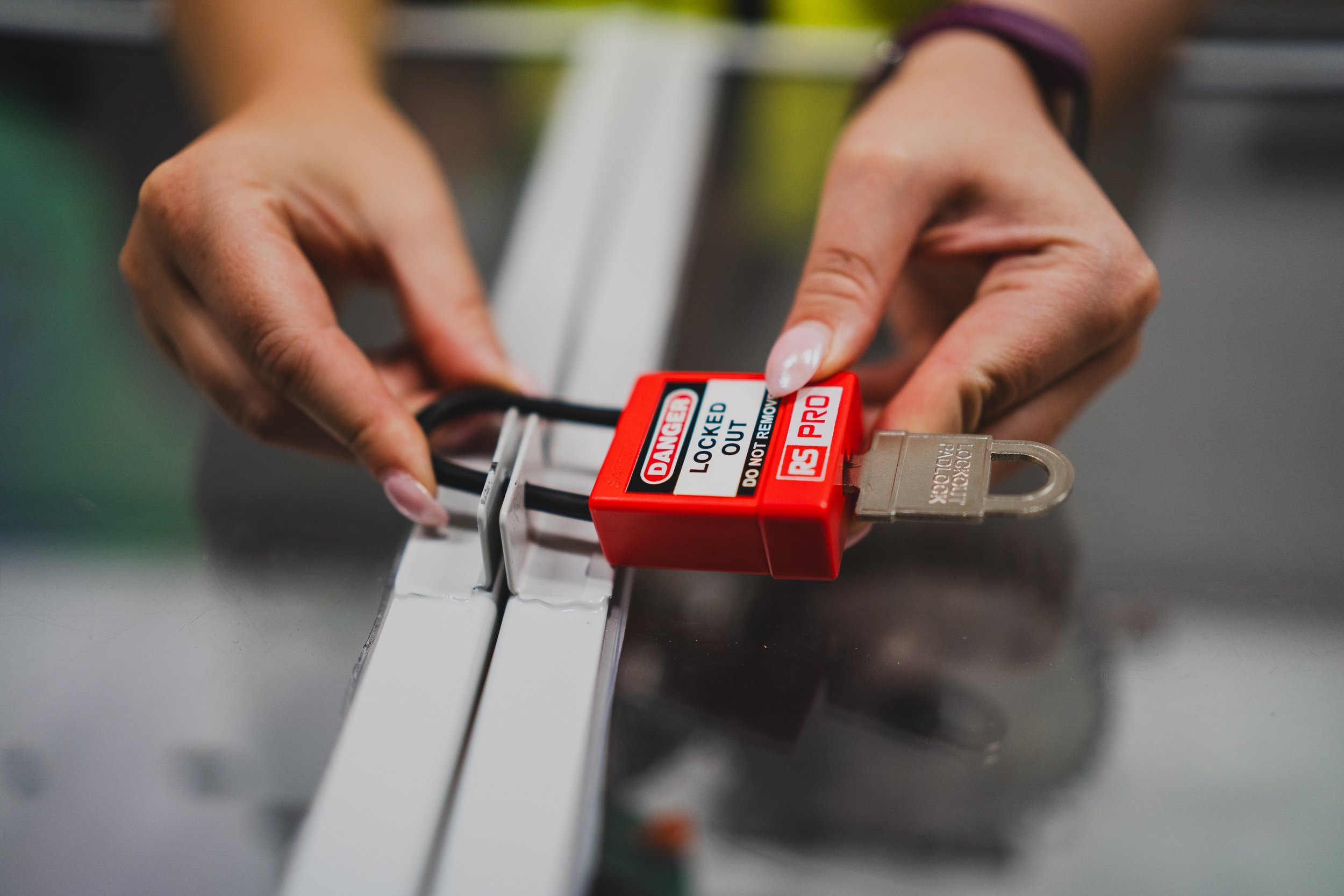
Measurement Systems
Develop an understanding of different measurement systems, including:
§ Identifying different measurement systems
§ Construction of measurement systems
§ Testing measurement systems
§ Calibration
§ Understanding measurement errors
Hand Tools, Fixings & Fasteners
Develop practical knowledge and skills covering:
» Common hand tools
» Correct use of tools
» Fixings and fasteners
» Appropriate tightening and securing techniques
Measuring Tools
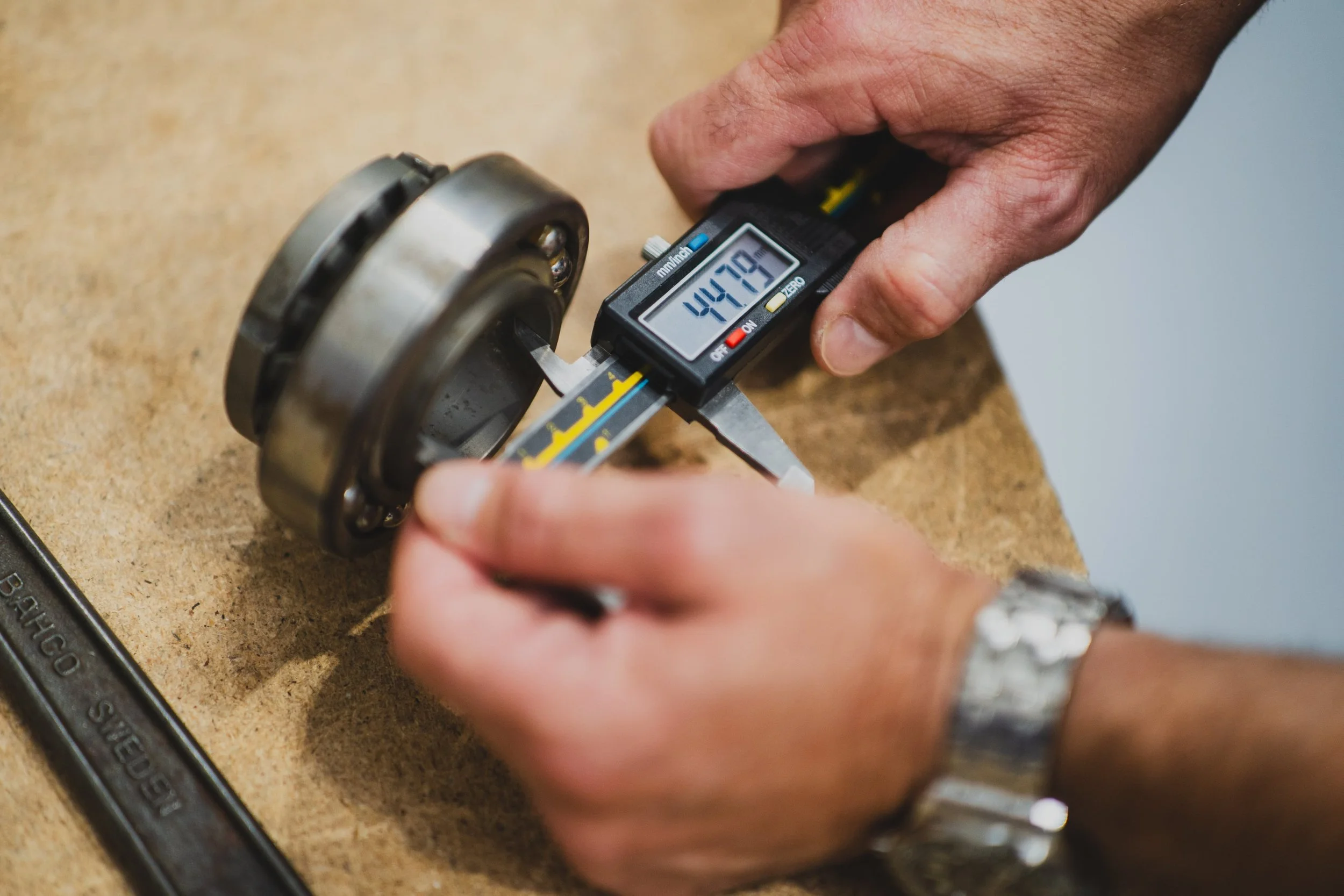
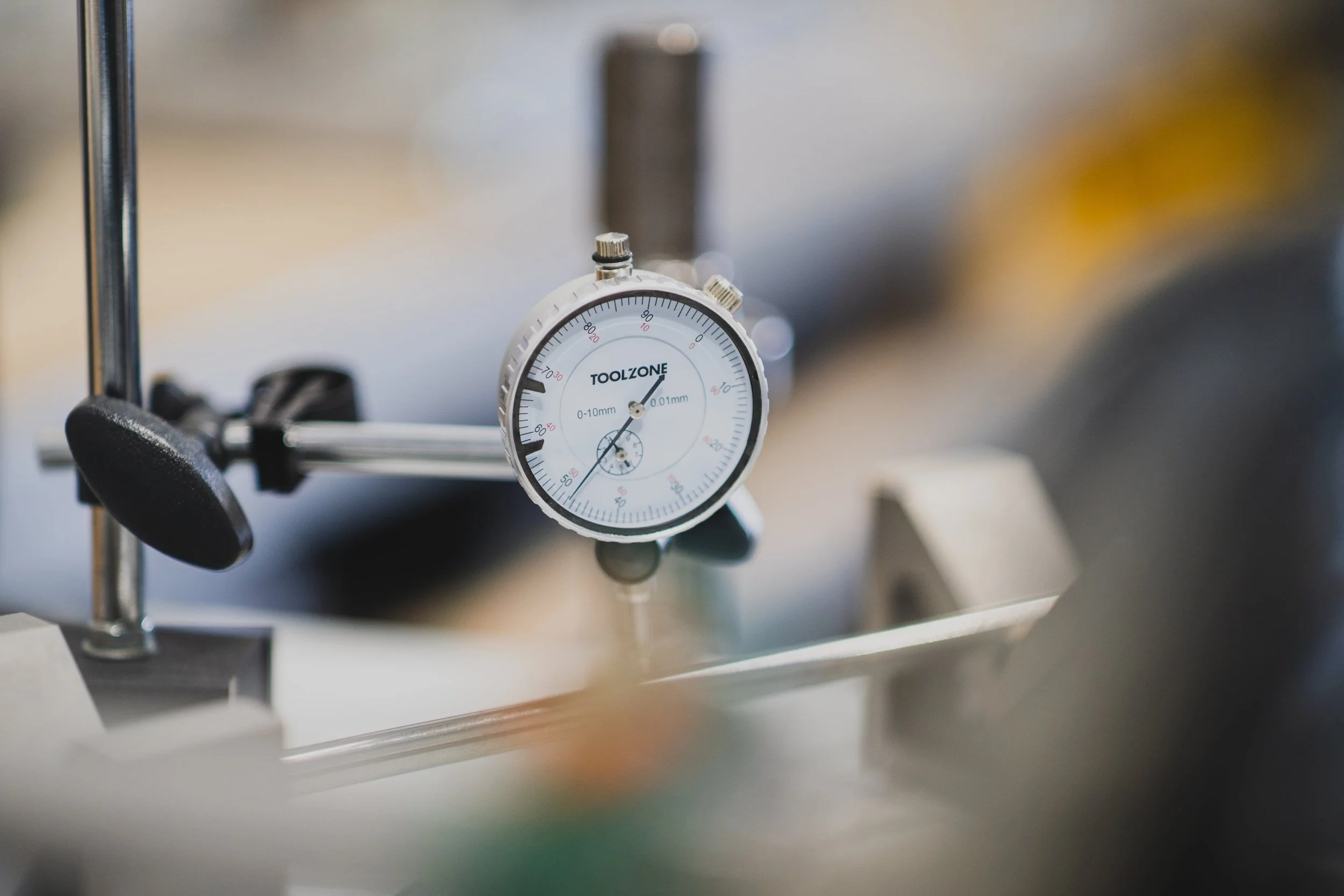
Learn how to use common measuring equipment and develop an understanding of why accurate measurement is important when undertaking mechanical activities.
Shafts, Keys & Bearings
Develop an understanding of common mechanical components, including:
» Shafts and keys
» Bearing types
» Bearing applications
» Basic bearing maintenance
» Lubrication
Pumps
Learn to recognise different types of pumps and develop a greater understanding of their place within mechanical systems.
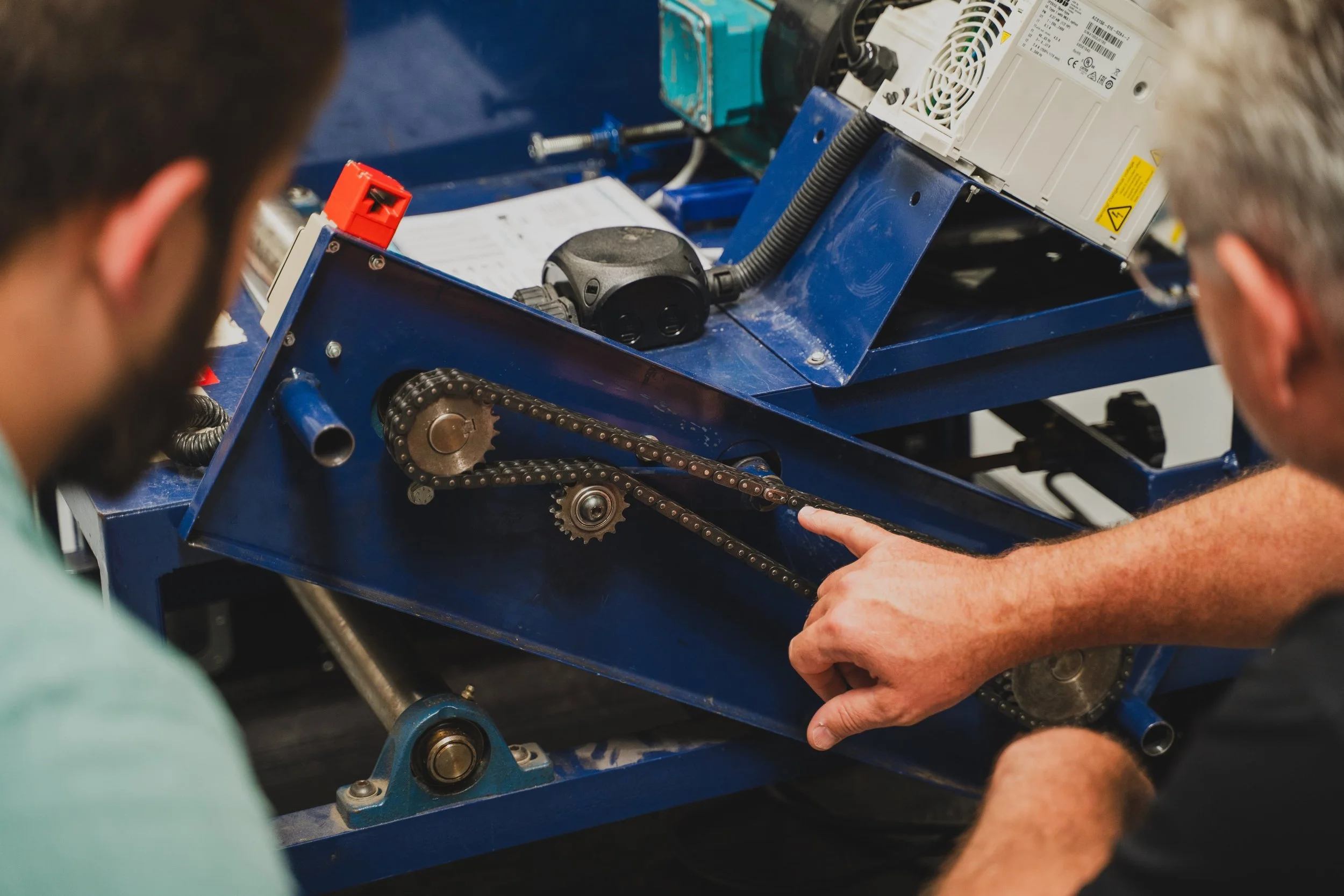
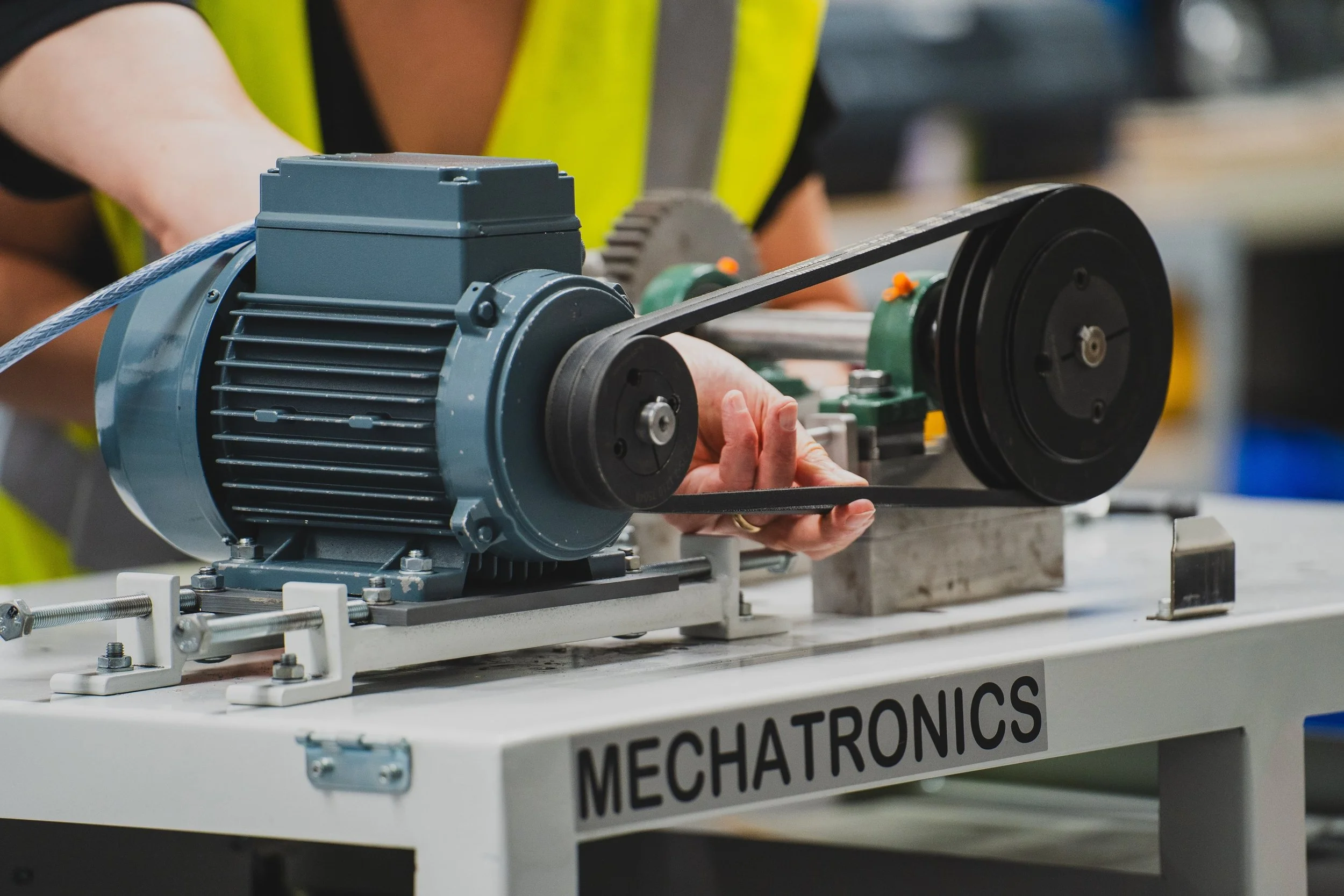
Belt & Chain Drives
Develop knowledge of:
» Belt drive systems
» Chain drive systems
» Basic adjustment and maintenance
» Common issues associated with drive systems
Seals, Gaskets & Pumps
Develop an understanding of common seals, gaskets and pumps and their role within production equipment.
Mechanical Components
Develop greater familiarity with components including:
» Levers and linkages
» Springs
» Cams
» Sensors
» Conveyors
Basic Fault Finding
Develop a structured approach to recognising and investigating basic equipment problems, helping operators identify when something is not operating as expected and when specialist maintenance support is required.
TECHNICAL OPERATOR TRAINING
Part 1
Practical Maintenance & Asset Care Skills for Machine Operators
Production operators work closely with machinery every day and are often ideally placed to recognise changes in equipment condition and undertake appropriate routine asset care activities.
MCP Technical Training's Technical Operator Training – Part 1 has been designed for machine operators with little or no technical background who need to develop practical mechanical maintenance and asset care skills.
The course introduces delegates to the tools, components and maintenance principles commonly encountered within manufacturing environments, combining underpinning mechanical theory with practical tasks and competence assessment.
Delegates develop skills across areas including hand tools, fixings and fasteners, measuring equipment, bearings, lubrication, belt and chain drives, seals, pumps, sensors, conveyors and basic fault finding.
By developing appropriate high-frequency, low-risk maintenance skills within production teams, organisations can strengthen asset care while supporting closer collaboration between operators and maintenance personnel.
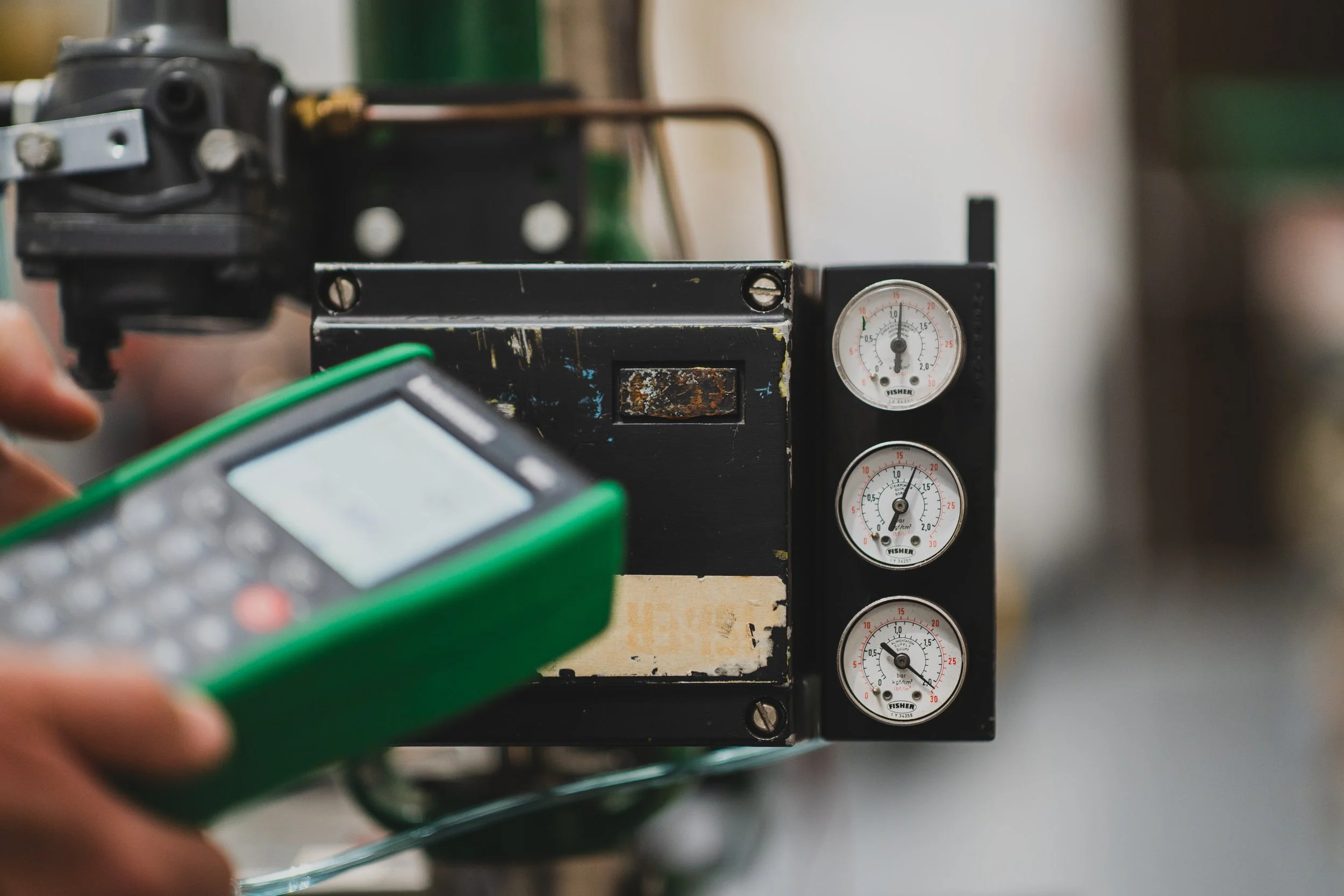
WHY DEVELOP
Technical Operator Skills
Machine operators spend more time working directly with production equipment than almost anyone else within a manufacturing environment.
Developing appropriate technical knowledge can help operators understand their equipment more effectively, recognise potential problems and undertake agreed high-frequency, low-risk asset care activities.
This does not mean turning machine operators into maintenance engineers. Instead, Technical Operator Training develops clearly defined practical skills that can support effective asset care while allowing specialist maintenance personnel to concentrate on more technically demanding activities.
For organisations developing operator-led asset care or autonomous maintenance approaches, the course can also help establish greater technical understanding and more consistent working practices within production teams.
IS THIS COURSE
Right for You?
Technical Operator Training – Part 1 is designed for machine operators with little or no technical background who need to develop practical maintenance and asset care skills.
It is particularly suitable for:
» Machine Operators
» Production Operators
» Manufacturing Operators
» Process Operators
» Operators taking greater responsibility for basic asset care
» Production personnel developing practical maintenance skills
» Employees looking to develop broader technical capability
» Organisations looking to improve collaboration between production and maintenance teams
No previous technical knowledge is required.
WHAT WILL YOU
Be Able to Do?
Following successful completion of Technical Operator Training – Part 1, delegates will have developed greater technical understanding and confidence when working around production equipment.
This includes greater confidence in:
» Understanding common seals and gaskets
» Developing greater awareness of pumps and their operation
» Recognising levers, linkages, springs and cams
» Understanding the role of sensors and conveyors
» Applying basic fault-finding principles
» Undertaking appropriate high-frequency, low-risk asset care activities
» Recognising when specialist maintenance support is required
» Using common hand tools appropriately
» Understanding fixings and fasteners
» Using basic measuring equipment
» Recognising common mechanical components
» Understanding shafts, keys and bearings
» Understanding the importance of appropriate lubrication
» Recognising belt and chain drive systems
CITY & GUILDS
Accreditation
Throughout Technical Operator Training – Part 1, delegates complete practical activities and competence assessments designed to reinforce and assess the skills developed during the course.
Delegates also complete a written paper as part of the assessment process.
Delegates must successfully complete the required practical competence assessments and pass the written paper to achieve City & Guilds Accreditation.
The combination of underpinning mechanical knowledge, practical application and assessment provides a structured approach to developing and validating appropriate technical operator skills.
COURSE
Syllabus
» Chain drives
» Seals and gaskets
» Pumps
» Levers and linkages
» Written assessment
» Springs and cams
» Sensors
» Conveyors
» Basic fault finding
» Health and safety at work
» Hand tools
» Fixings and fasteners
» Measuring tools
» Practical maintenance activities
» Shafts and keys
» Bearings
» Lubrication
» Belt drives
» Competence assessment
CONTINUE YOUR TECHNICAL OPERATOR SKILLS JOURNEY
Technical Operator Training is delivered across two parts, allowing delegates to progressively develop broader practical technical capability.
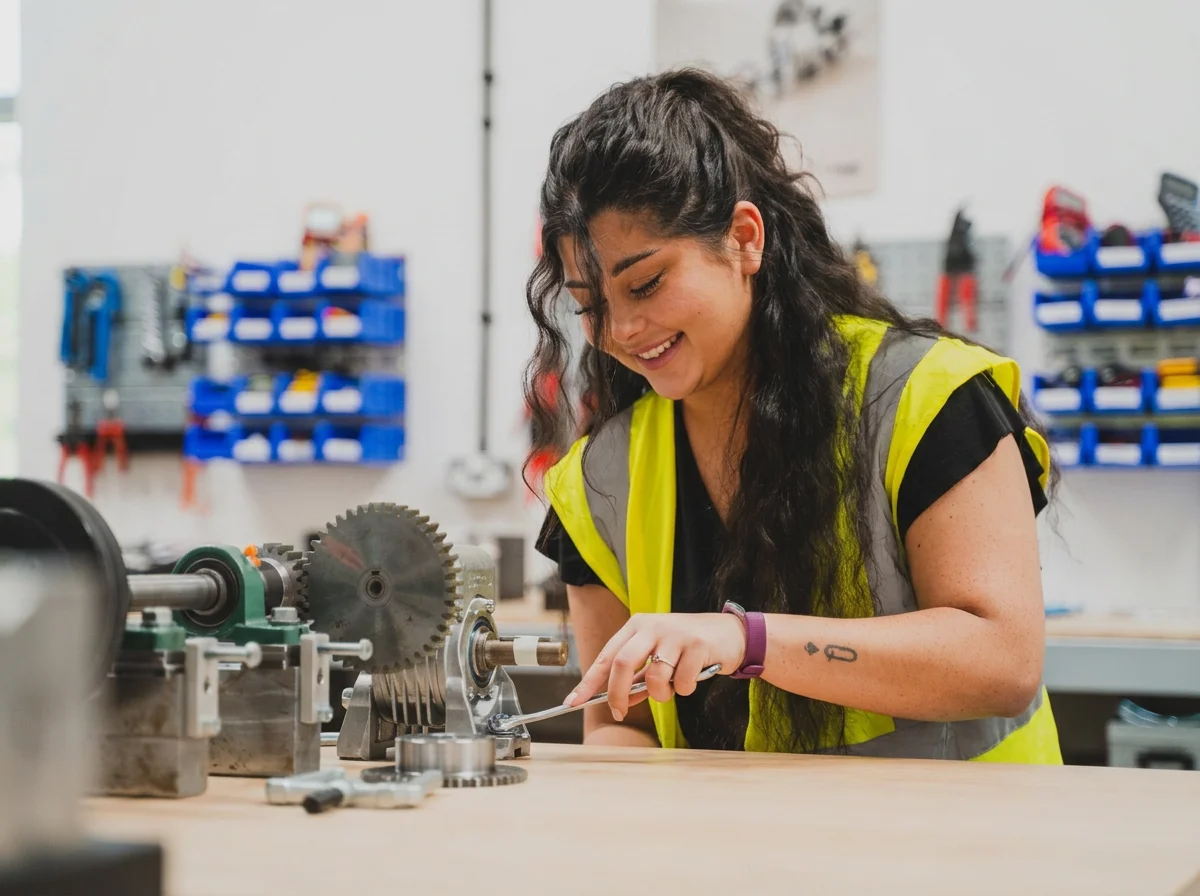
Part 1
Mechanical Maintenance & Asset Care Skills
(Current Course)
Part 2
Further Practical Skills & Basic Pneumatics
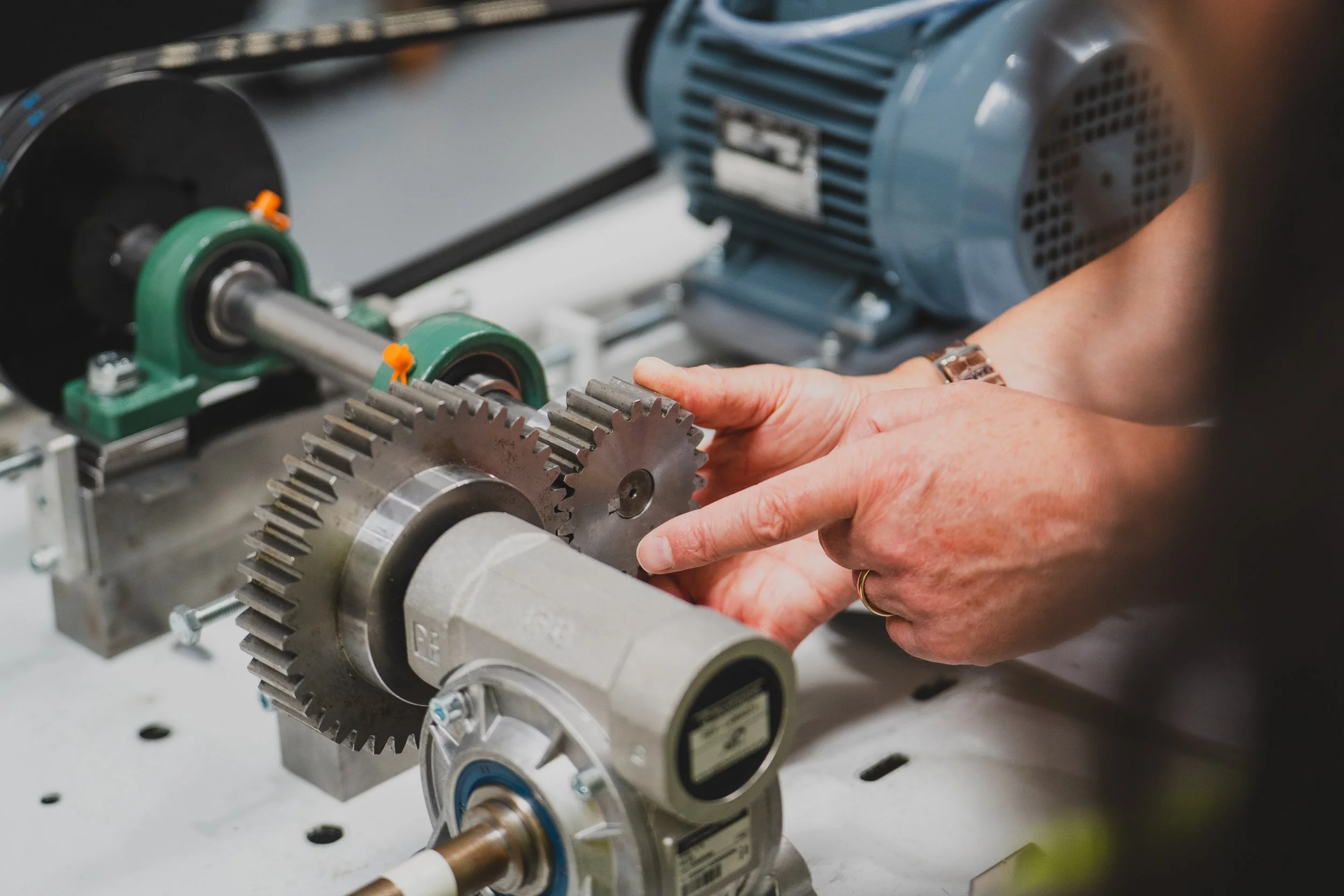
Begin Your Technical Operator
Develop practical mechanical maintenance and asset care skills with Technical Operator Training – Part 1.
Whether you're developing your own technical capability or looking to strengthen asset care skills across a production team, Part 1 provides a practical foundation for operators taking greater responsibility for appropriate maintenance activities.
Training Journey
FAQs
-
The course is designed for machine operators with little or no technical background who need to develop practical maintenance and asset care skills.
-
No. The course has been designed specifically for operators with little or no previous technical background.
-
Yes. Underpinning mechanical theory is combined with practical tasks and competence assessments throughout the course.
-
The course is delivered over five days.
-
Yes. Delegates must successfully complete the required practical competence assessments and pass the written paper to achieve City & Guilds Accreditation.
-
Technical Operator Training – Part 2 develops further practical technical skills and introduces delegates to basic pneumatic systems.
-
No. Part 2 leads to an MCP Technical Training Certificate.
-
Yes. The course can be delivered on site for organisations looking to develop technical and asset care capability within their production teams.