
Technical Operator
Training Programme
Course type: Mechanical, Technical Skills
Location: Reading, Solihull or Onsite
Develop practical maintenance and asset care skills for machine operators with MCP's two-part Technical Operator Training Programme.
The Technical Operator Training Programme is delivered across two parts, allowing delegates to develop their technical knowledge and practical capability.
Watch our
Multi-Skilling Video
«««
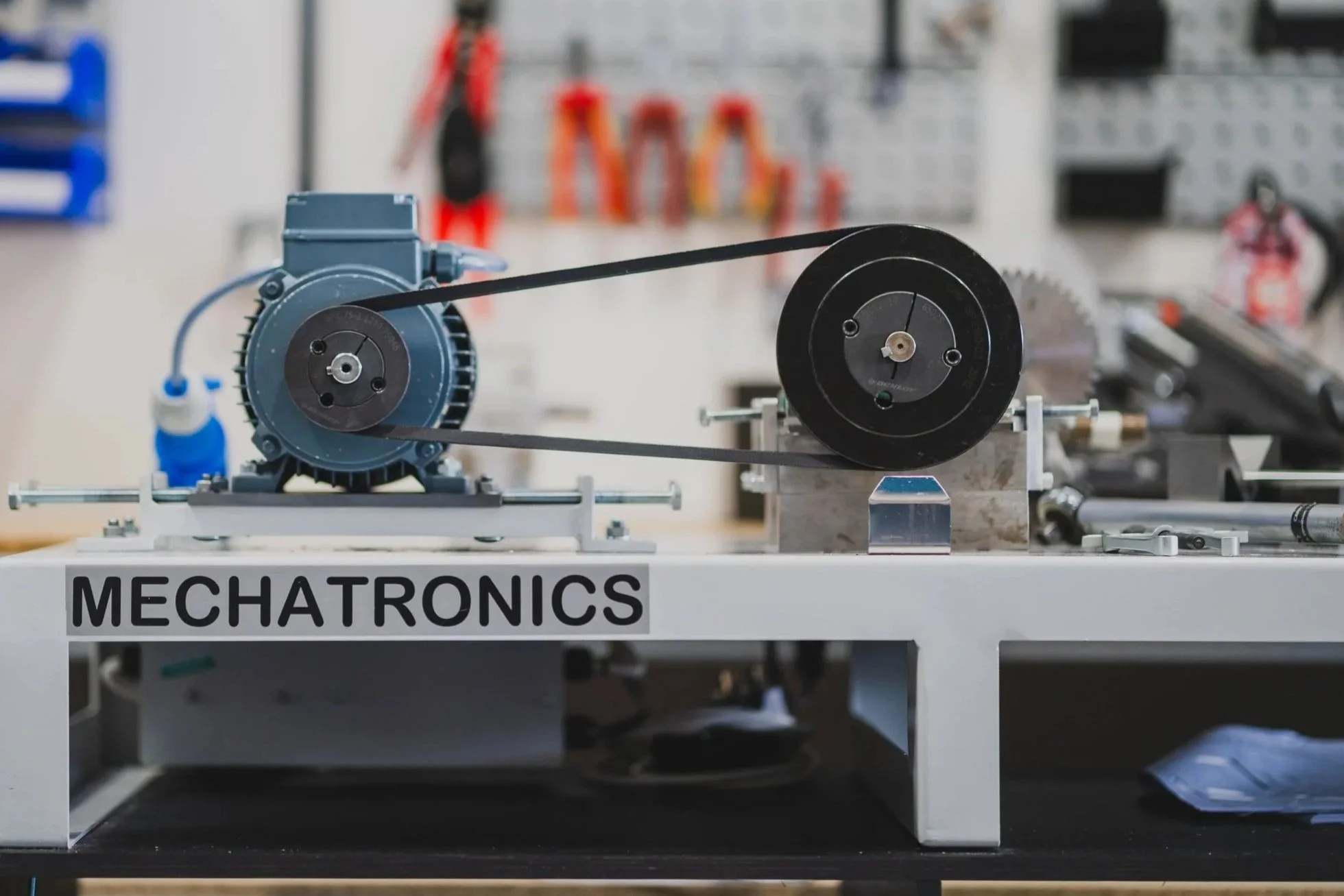
Mechanical Maintenance & Asset Care Skills
Part 1 introduces machine operators to the practical maintenance skills required to undertake appropriate basic asset care activities.
Delegates develop an understanding of health and safety, hand tools, fixings and fasteners, measuring tools and a range of common mechanical components including shafts and keys, bearings, belt and chain drives, seals, pumps, levers, linkages, springs, cams, sensors and conveyors.
Basic fault finding is also introduced, helping operators develop a greater understanding of the equipment they work with and recognise potential problems.
Prices Quoted Exclude VAT
Course Type | Mechanical, Technical Skills
Certificate | City and Guilds Accredited Certificate
Duration of Course | 5 Days
Location | Reading
Prices Quoted Exclude VAT
Course Type | Mechanical, Technical Skills
Certificate | MCP Training Certificate
Duration of Course | 5 Days
Location | Reading
Further Practical Skills & Basic Pneumatics
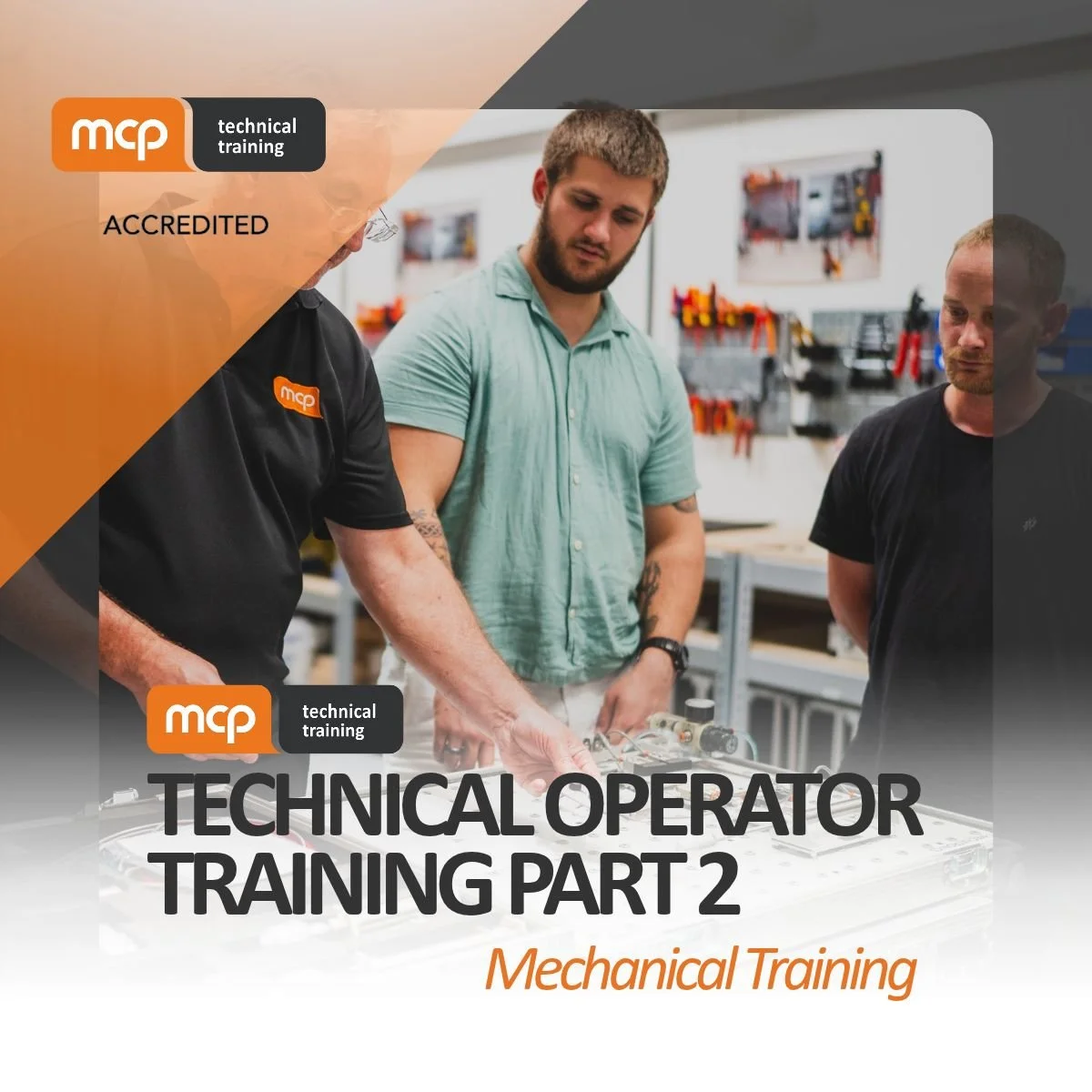
Part 2 extends delegates' practical technical capability through further hands-on skills development and an introduction to pneumatic systems.
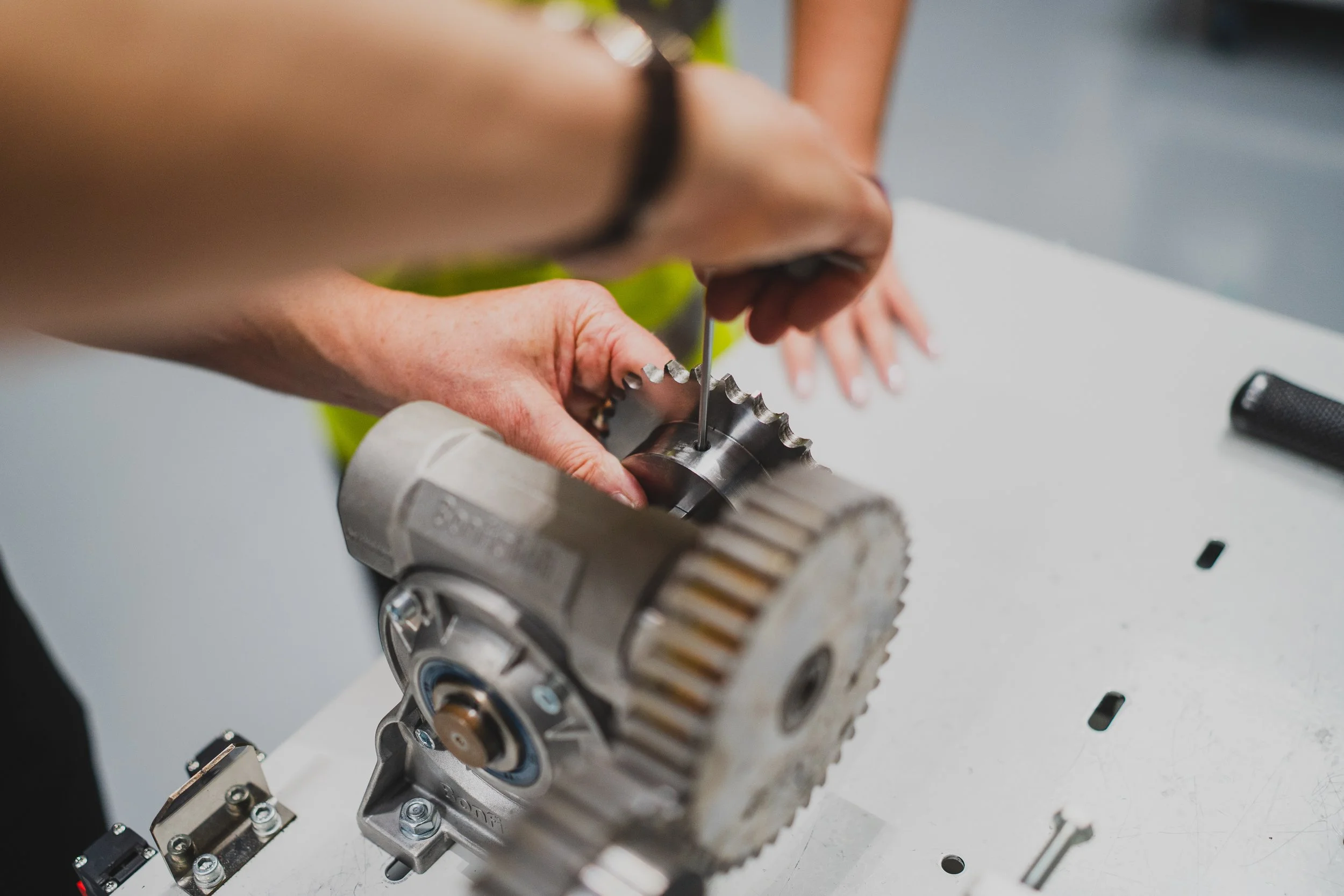
Delegates develop practical skills including working with sheet steel, drilling, tapping threads and blind riveting before progressing into the basic principles and components of pneumatics.
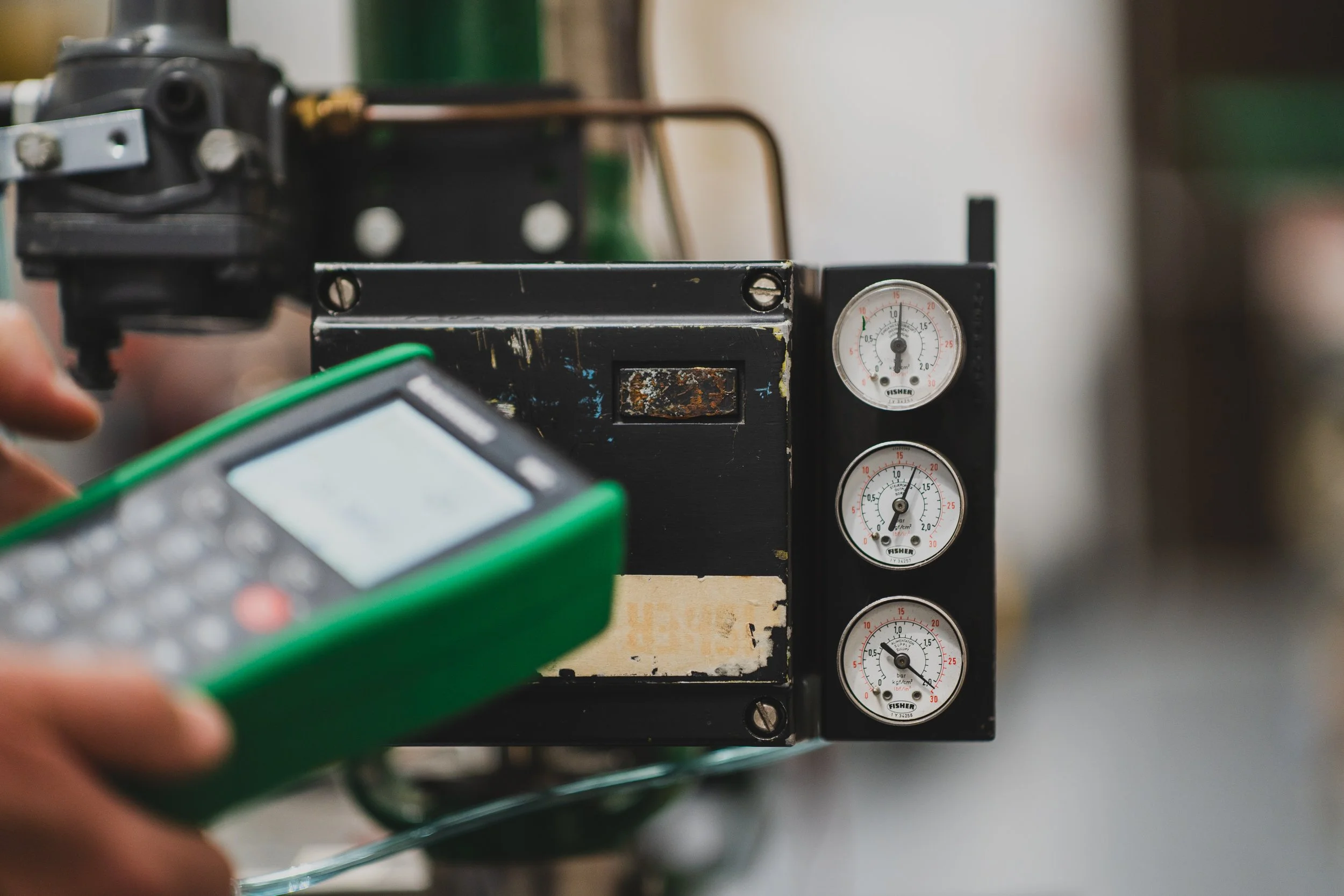
Training covers areas including understanding pressure and flow, regulators, valves and valve operation, pneumatic circuits and basic fault finding, with delegates gaining practical experience of building and operating pneumatic circuits.
CITY & GUILDS
Accreditation
Practical learning and assessment form an important part of Technical Operator Training, helping delegates demonstrate their understanding and ability to apply the skills developed during training.
Technical Operator Training Part 1 includes practical competence assessments and a written paper. Delegates must successfully complete the required practical assessments and pass the written paper to achieve City & Guilds Accreditation.
Technical Operator Training Part 2 leads to an MCP Technical Training Certificate.
The certification therefore differs between the two parts, reflecting the individual course requirements.
MECHANICAL MAINTENANCE
Skills Programme
Effective mechanical maintenance relies on engineers and technicians having the practical skills and knowledge to work confidently with the components and equipment they encounter every day.
MCP's Mechanical Maintenance Skills Programme provides a structured, practical route to developing these essential skills.
Delivered across two progressive parts, the programme combines underpinning mechanical knowledge with hands-on workshop activities and assessment, helping delegates develop competence and confidence to undertake common mechanical maintenance tasks safely and effectively.
Whether you are developing an individual engineer, broadening the skills of your maintenance team or strengthening practical mechanical capability across your organisation, the programme provides a clear pathway for development.
Mechanical Maintenance Skills Training
WHY ATTEND
Mechanical equipment remains at the heart of manufacturing and industrial operations. Bearings, drives, pumps, gearboxes, couplings and other mechanical components all require appropriate inspection, adjustment, maintenance and replacement to keep equipment operating reliably. For engineers and technicians, understanding how these components operate — and developing the practical skills to work with them correctly — is an important part of effective maintenance.
Developing mechanical maintenance skills can help organisations to:
» Improve practical maintenance capability
» Strengthen first-line maintenance skills
» Support faster response to common mechanical problems
» Reduce unnecessary equipment downtime
» Improve understanding of common mechanical components
» Develop greater confidence when undertaking routine maintenance tasks
» Broaden capability within maintenance teams
» Support workforce development and succession planning
Practical mechanical training can also help ensure that employees understand not only what to do, but how to undertake maintenance activities correctly and safely.
IS THIS PROGRAMME
Right for You?
The Mechanical Maintenance Skills Programme is designed for people working within industrial maintenance and engineering environments who need to develop or strengthen practical mechanical skills.
It may be suitable for:
» Maintenance Technicians
» Mechanical Maintenance Engineers
» Multi-skilled Maintenance Engineers
» Technicians developing greater mechanical capability
» Employees moving into maintenance roles
» Production and operations personnel developing technical skills
» Employers looking to strengthen practical mechanical capability across their workforce
Whether you are developing one person or a wider maintenance team, the two-part structure provides a progressive route for building practical mechanical maintenance skills.
WHAT WILL YOU
Be Able to Do?
Across the Mechanical Maintenance Skills Programme, delegates develop practical knowledge and skills covering a range of common mechanical components and maintenance activities, including:
» Safe mechanical working practices
» Fixings and fastenings
» Power transmission
» Shafts, Alignment and keys
» Couplings
» Belts and pulleys
» Chains and sprockets
» Bearings
» Pumps
» Gears and gearboxes
» Clutches and brakes
» Seals
» Lubrication
» Practical mechanical maintenance techniques
PRACTICAL TRAINING
& Assessment
Mechanical maintenance skills are best developed through practical application.
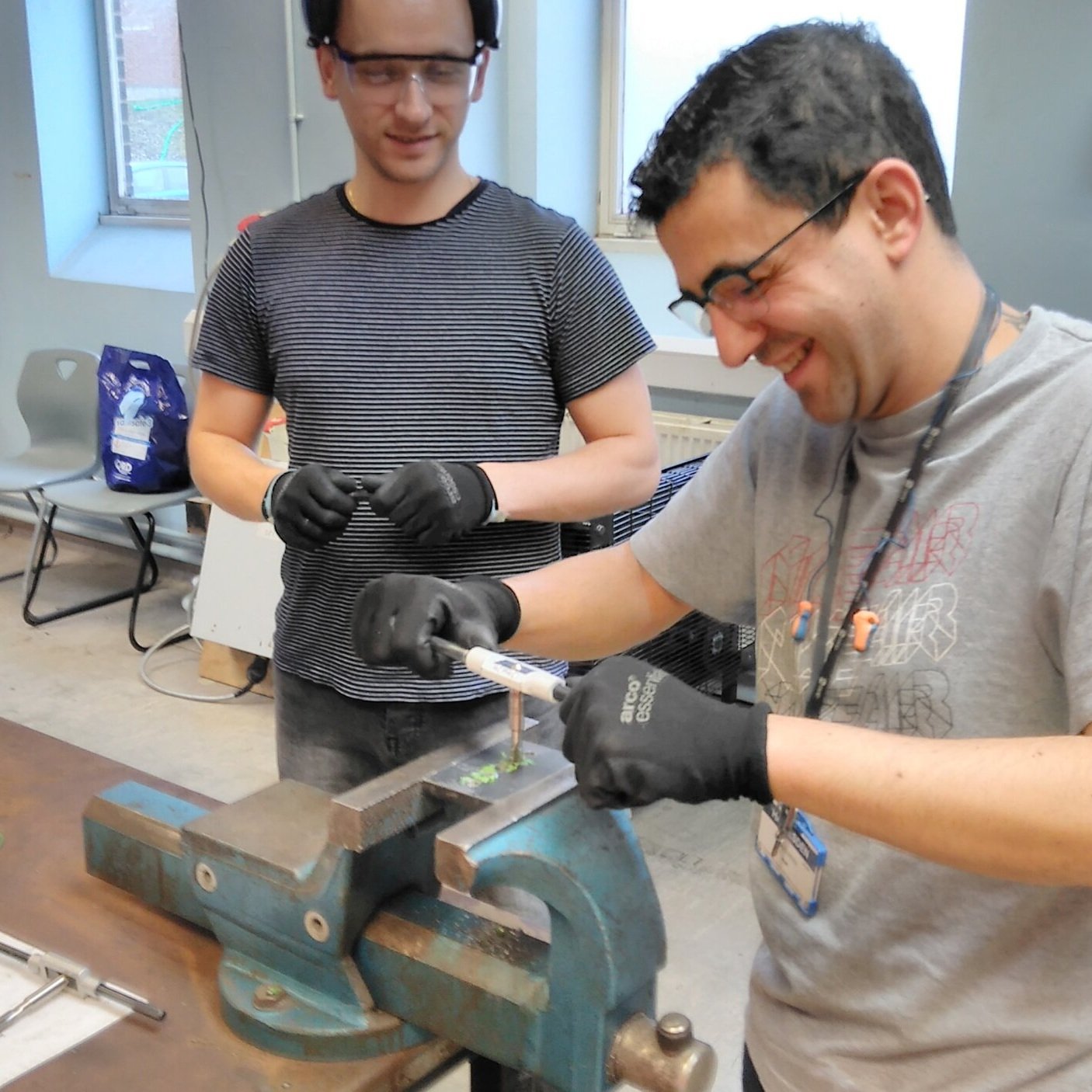
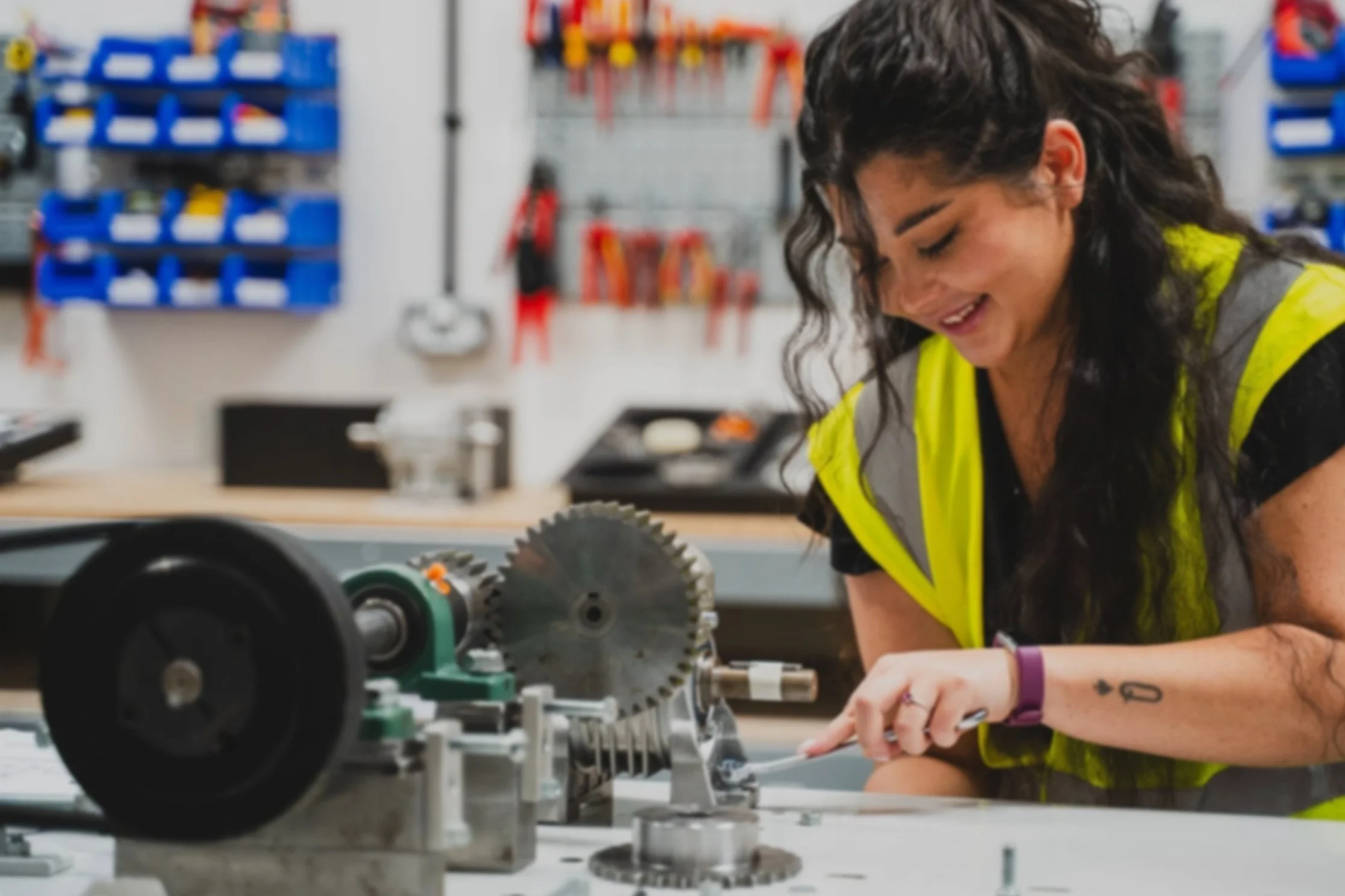
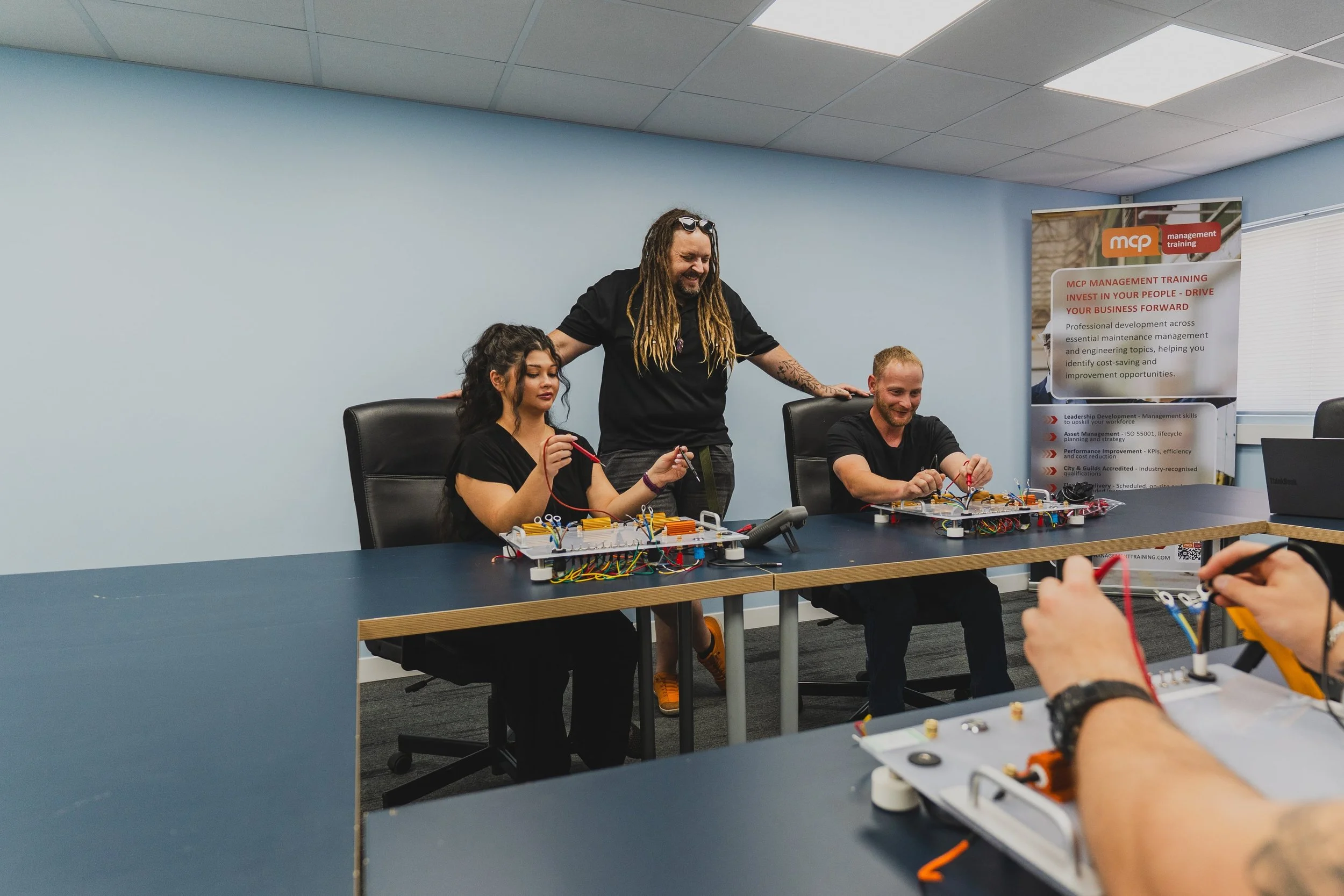
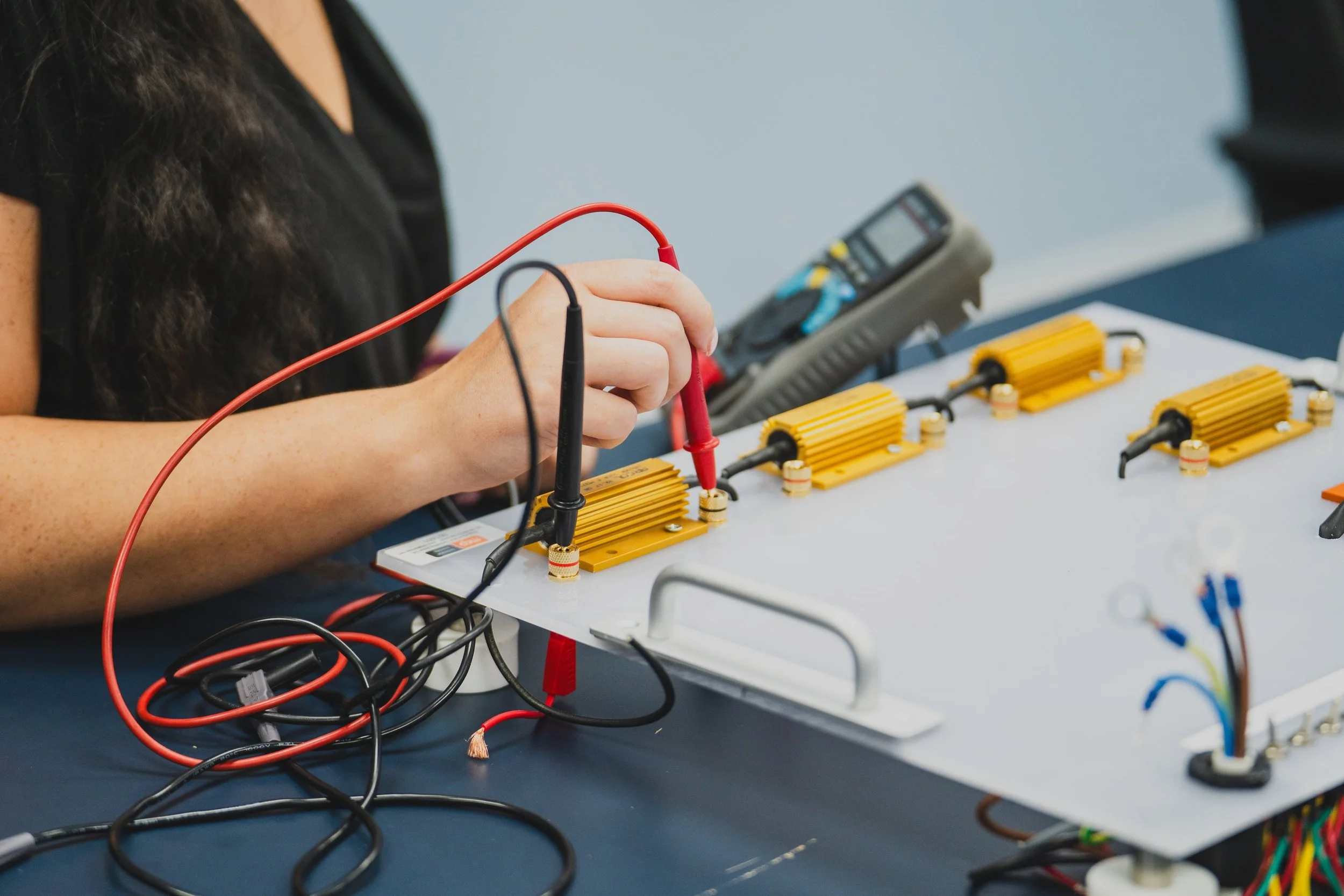
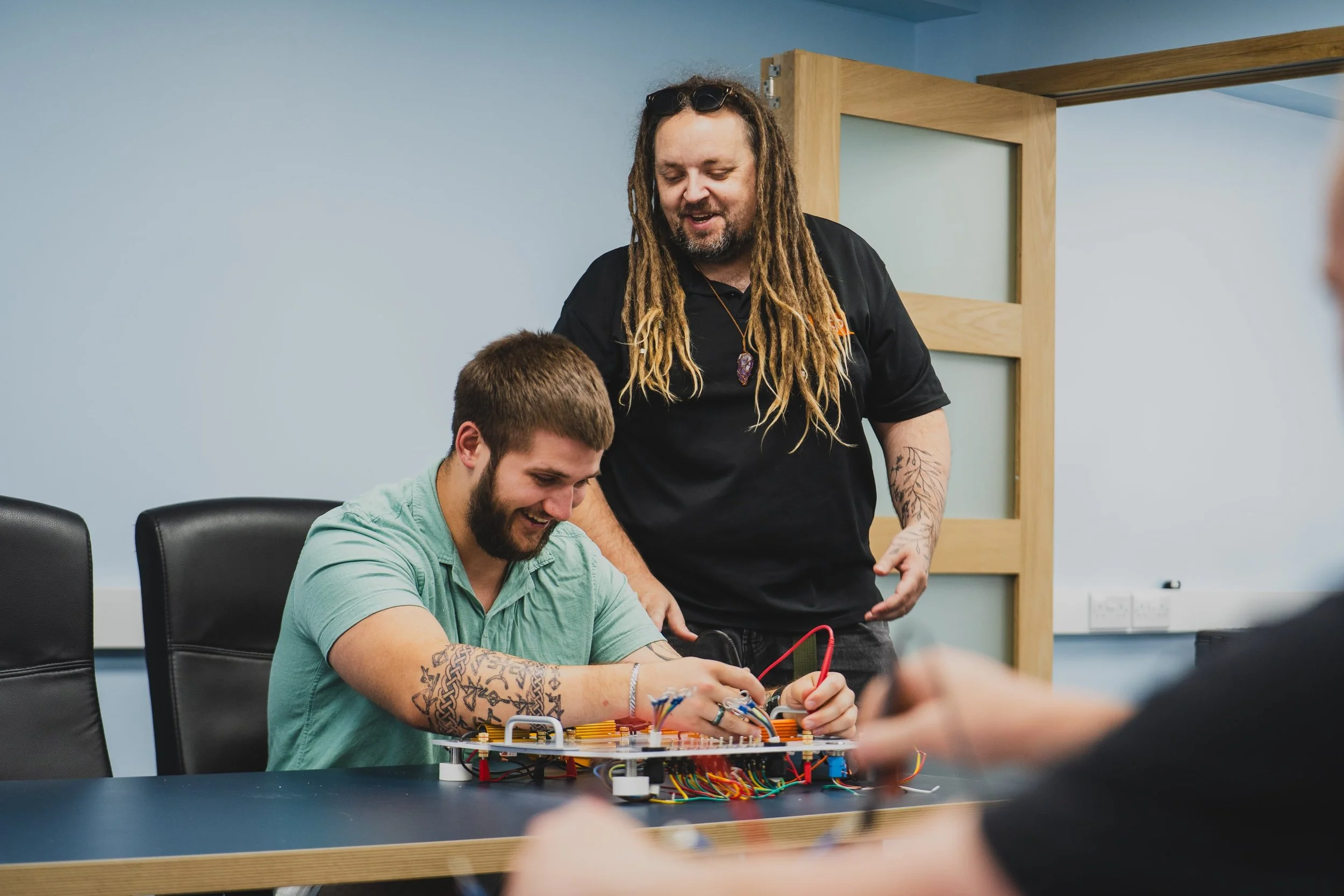
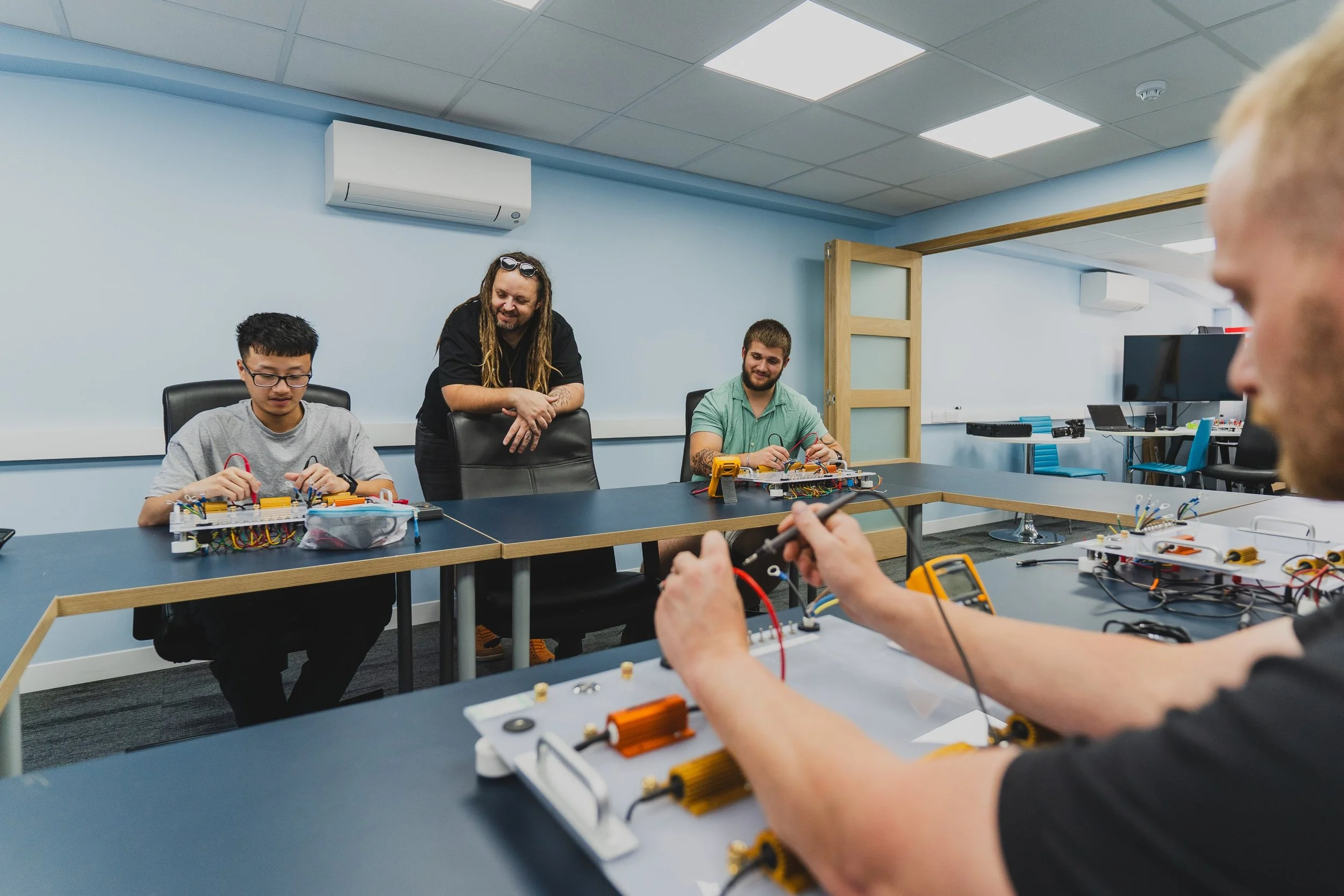
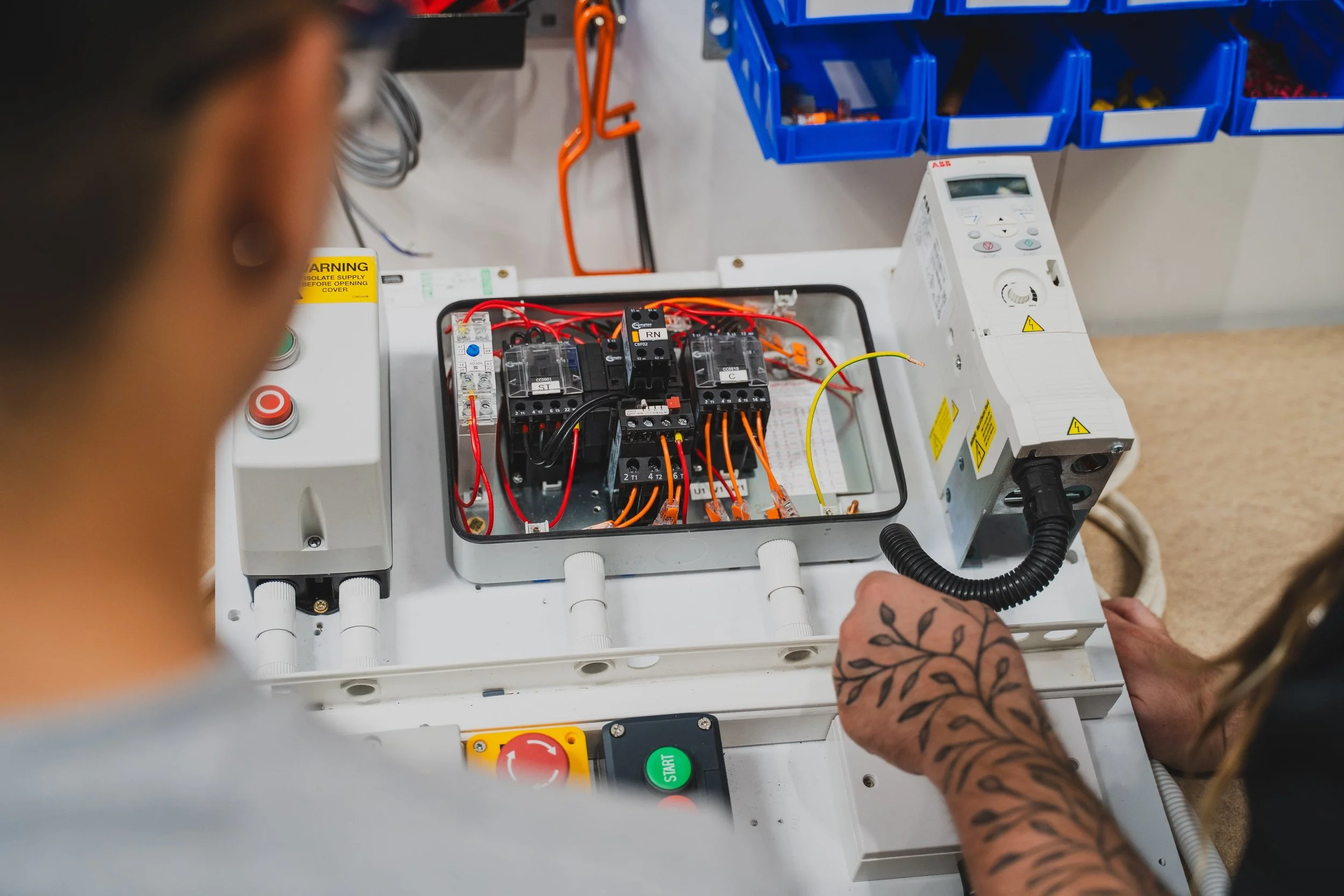
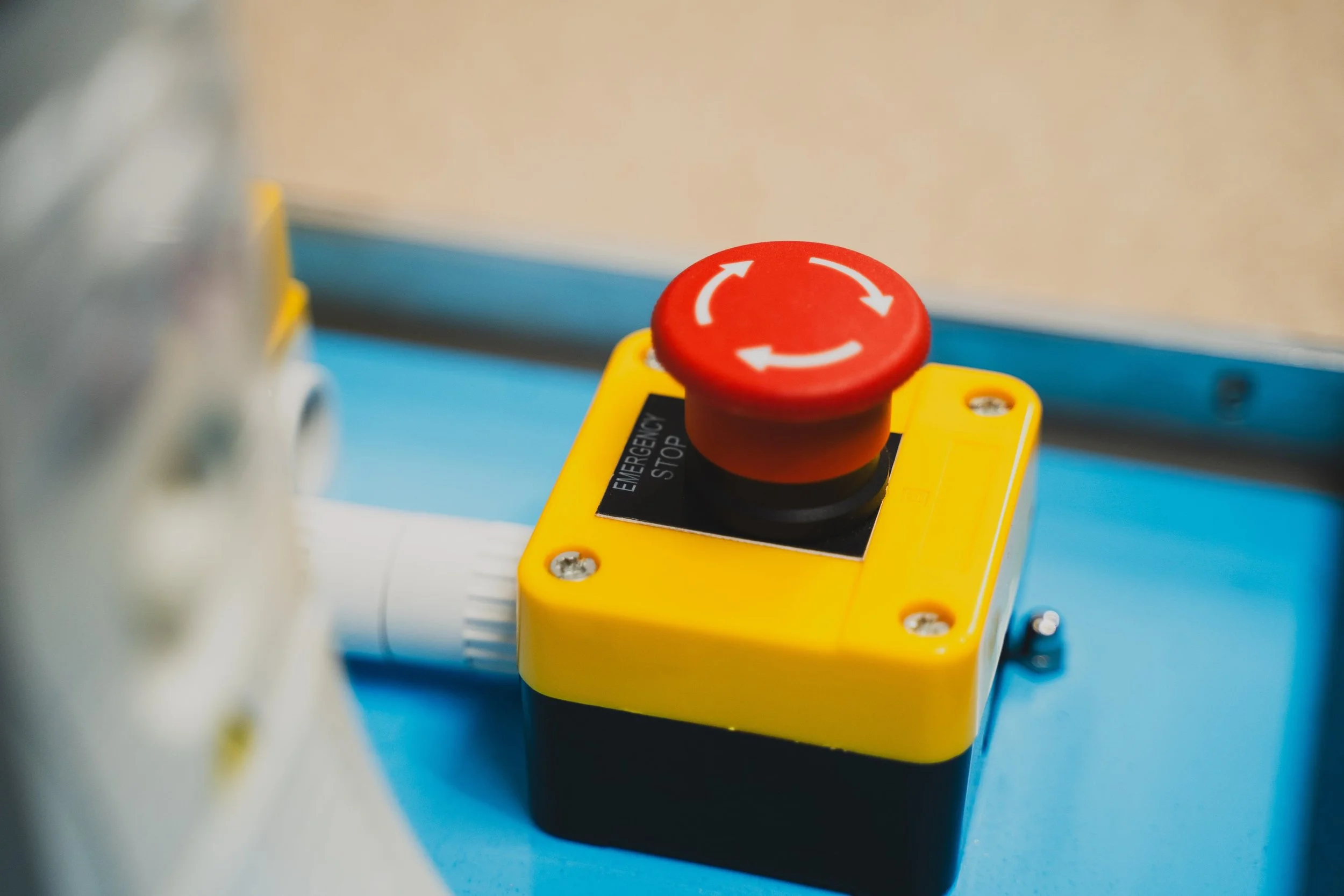
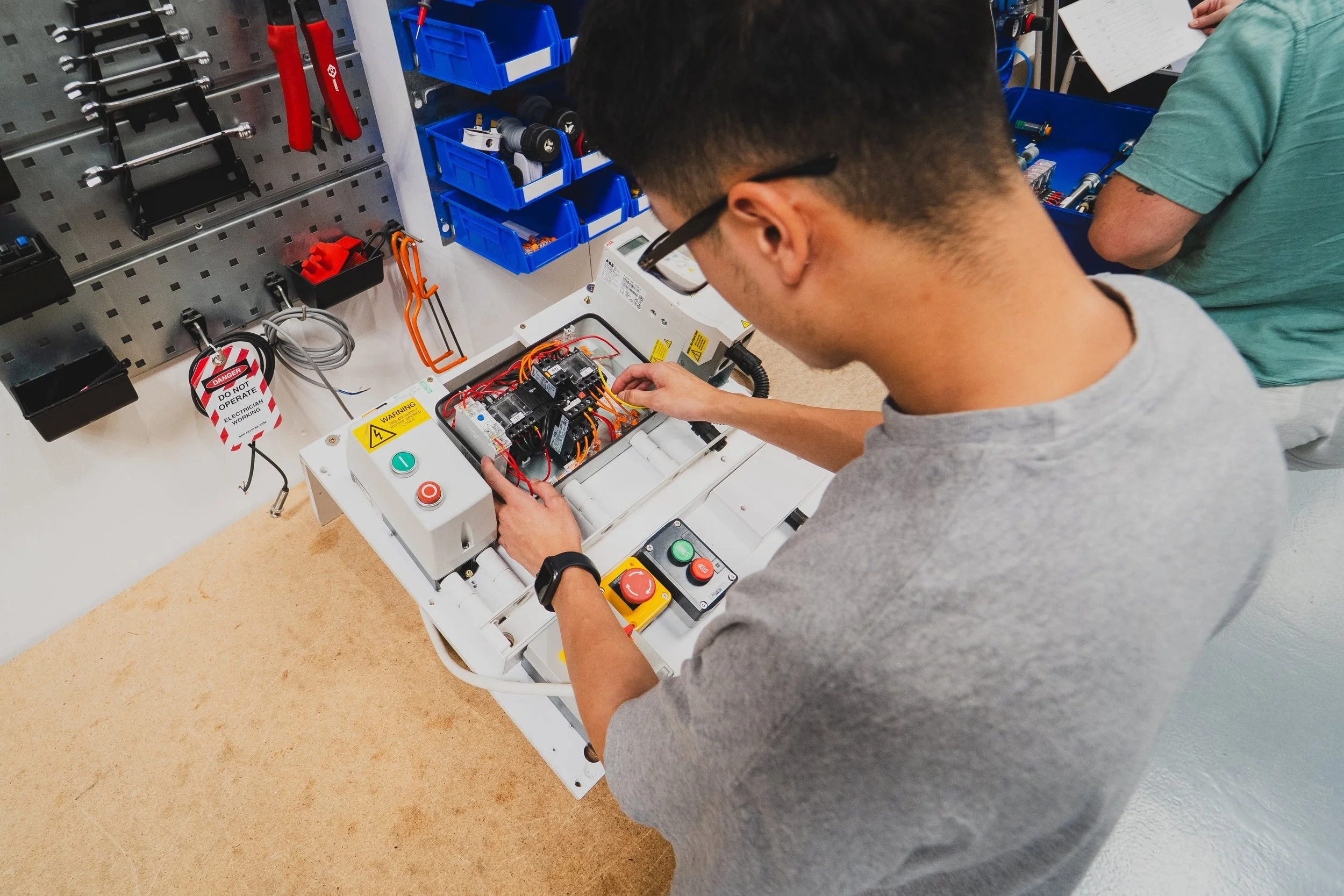
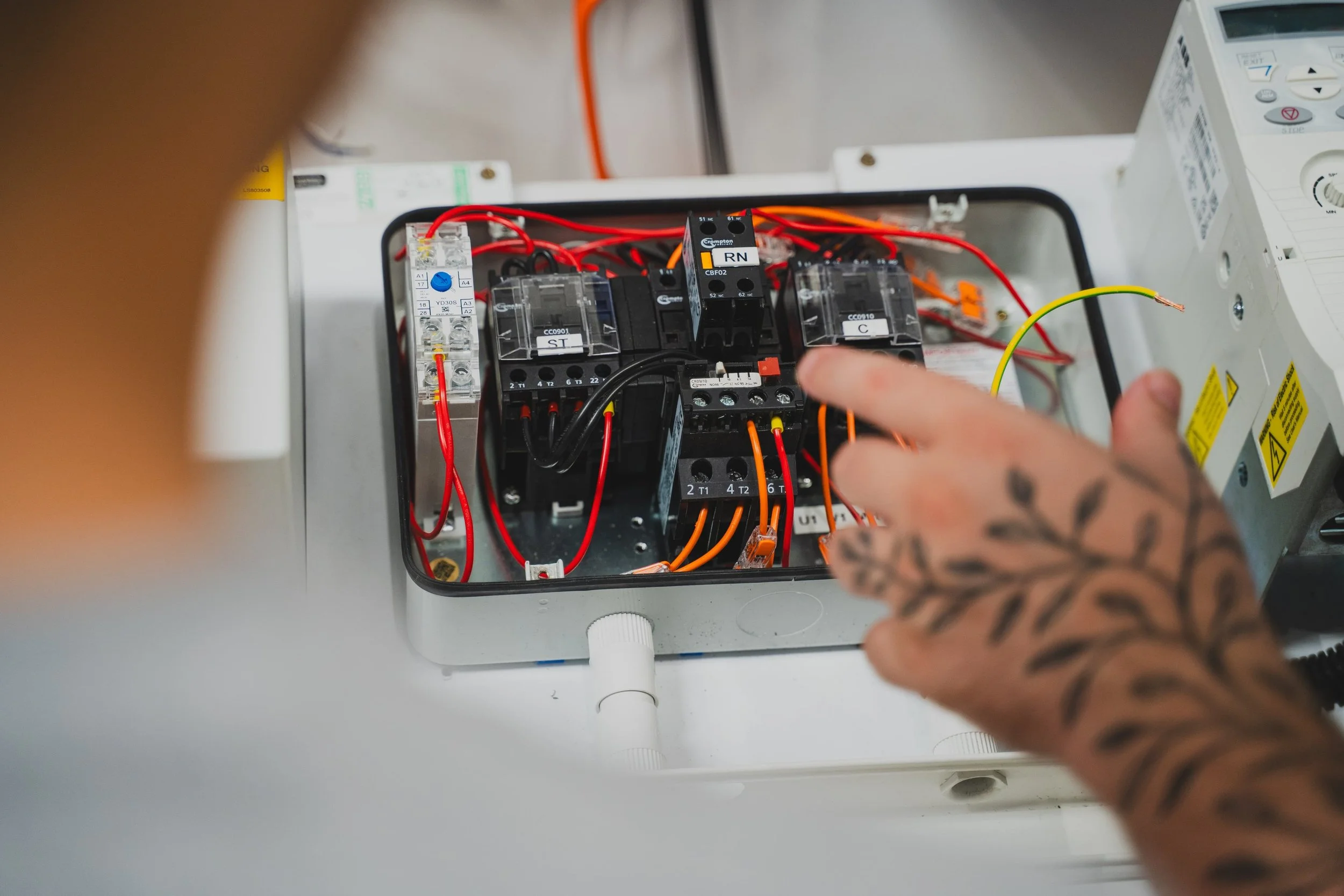
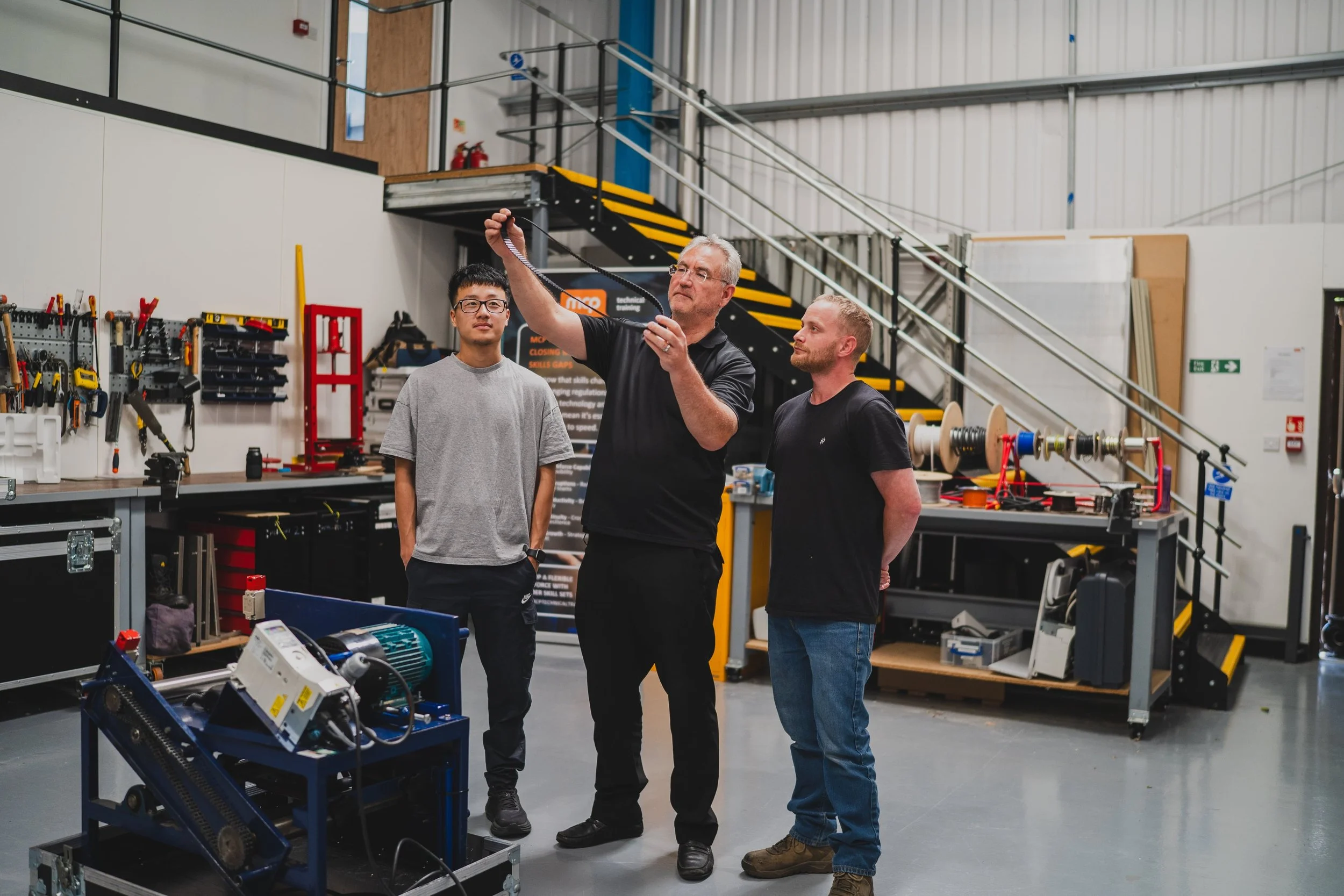
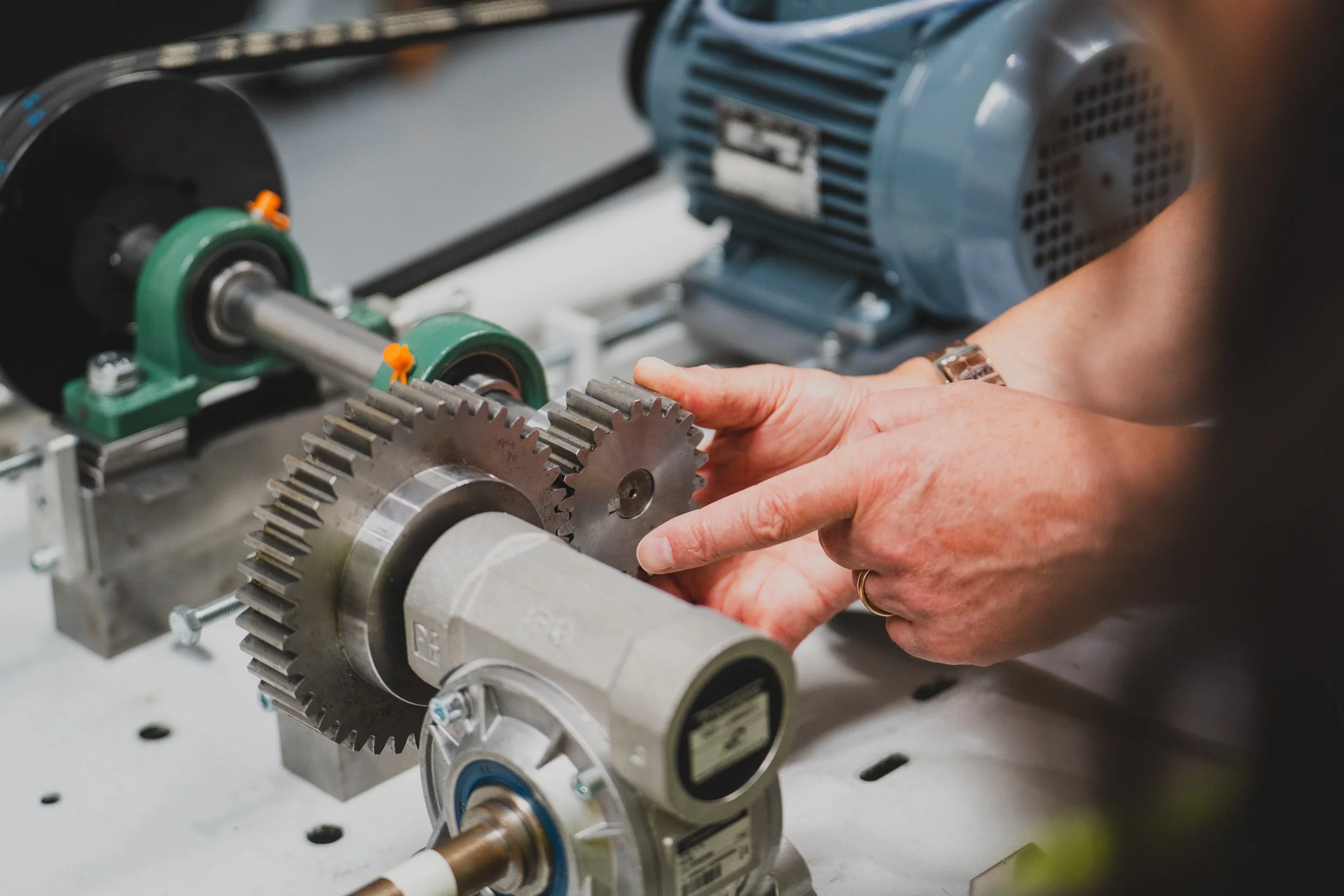
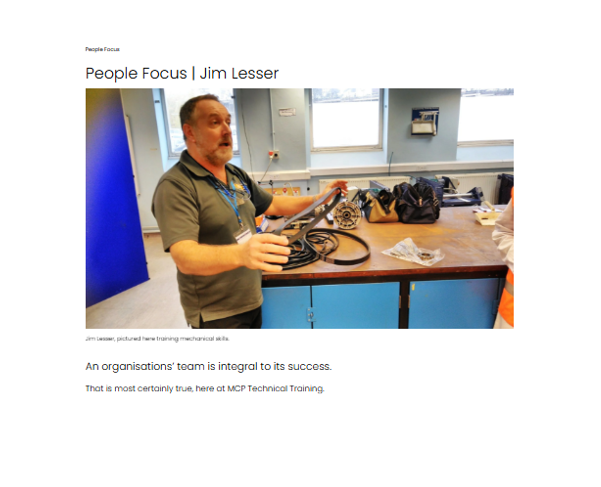
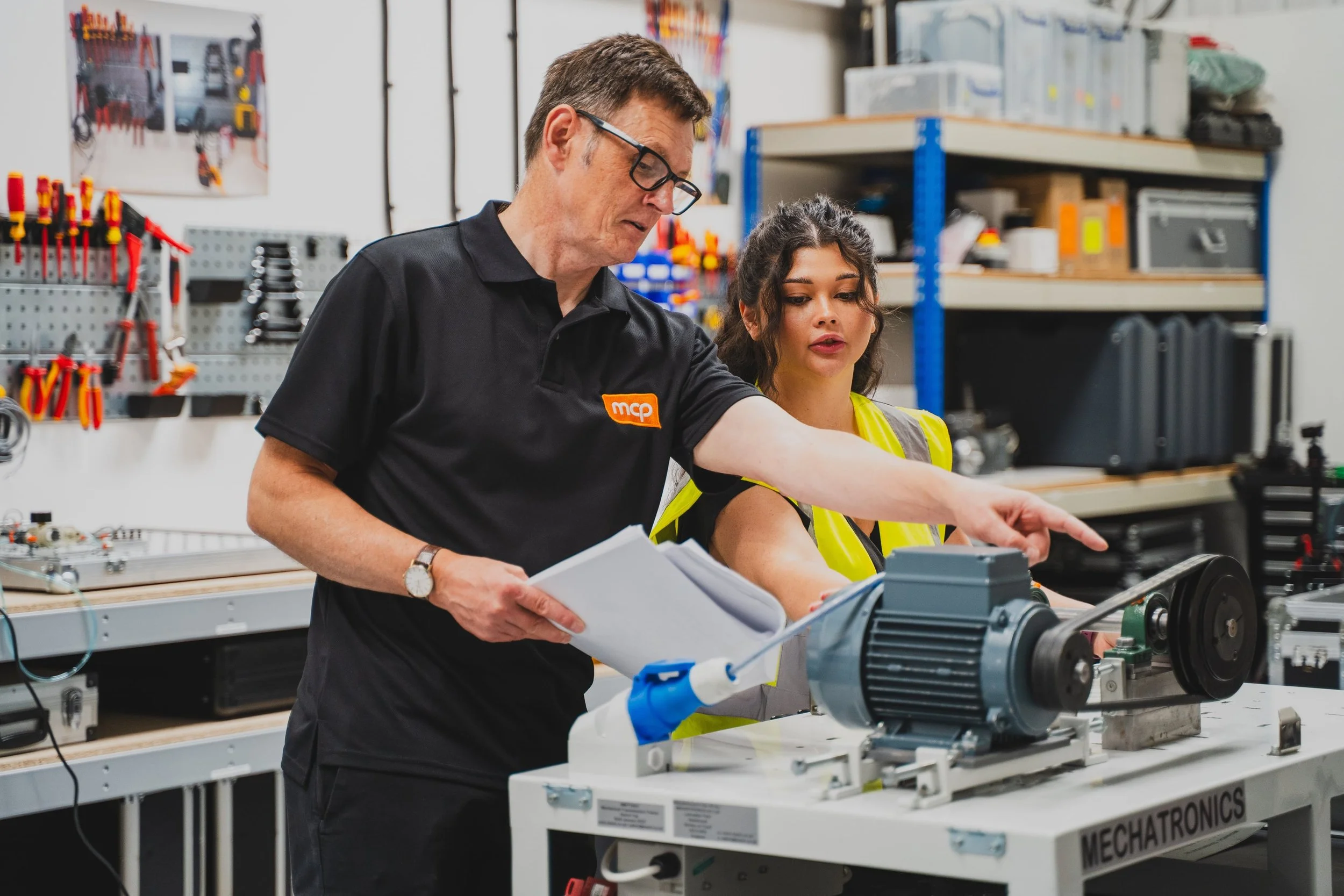
Throughout the programme, technical theory is supported by instructor demonstrations and hands-on workshop activities, allowing delegates to practice the techniques being taught and develop confidence using them.
Practical and written assessment also provides an opportunity to demonstrate understanding and competence rather than relying on classroom learning alone.
This practical approach helps delegates relate their training to the mechanical equipment and maintenance activities they encounter in the workplace.
HANDS-ON TRAINING
<
HANDS-ON TRAINING <
HANDS-ON TRAINING
>
HANDS-ON TRAINING >
HANDS-ON TRAINING
<
HANDS-ON TRAINING <
DELEGATE
Benefits
Training delivered by experienced engineering instructors.

Structured learning that builds mechanical knowledge and confidence.

Develop skills for safer, more effective maintenance activities.

Progressive two-part training combining theory with practical learning.

Practical experience working with common mechanical components.

Practical training based on real industrial maintenance environments.
Whether you are looking to develop an individual technician or strengthen practical mechanical capability across your maintenance team, MCP's Mechanical Maintenance Skills Programme provides a structured, hands-on route to developing essential skills.
Explore Parts 1 and 2 to see how the programme progresses or speak to our team about the most appropriate training pathway for your organisation.
BEGIN YOUR MEACHNICAL MAINTENANCE
Training Journey
FAQs
-
Part 2 builds on the mechanical maintenance skills developed during Part 1. For delegates without equivalent existing knowledge and practical experience, Part 1 provides the appropriate foundation before progressing further.
-
Yes. Practical learning is an important part of the programme. Delegates develop their skills through a combination of technical learning, instructor demonstrations, hands-on activities and assessment.
-
The programme has been designed as a progressive two-part learning pathway, with Part 2 building on the knowledge and practical skills developed in Part 1.
If you are unsure about the most appropriate starting point for an experienced member of your team, speak to MCP Technical Training before booking.
-
Yes. Delegates complete practical activities and assessments as they progress through the programme.
Following successful completion of both Parts 1 and 2, delegates undertake an end-of-course exam. Those who successfully pass the exam will be awarded a City & Guilds Accreditation Certificate in Mechanical Maintenance Skills.
-
MCP offers on-site technical training for organisations looking to develop groups of employees. Speak to our team about your requirements and the most appropriate delivery option.