
Advanced Knowledge of Hydraulic Systems
Hydraulics Training Level 2
Develop advanced hydraulic knowledge with MCP's four-day Hydraulics Training Level 2 course, covering pumps, valves, circuits, actuators and maintenance.
COURSE AT A
Glance
Duration:
4 days Including Practical Assessment
Delivery:
Practical classroom and workshop training
Locations:
On Site Only (Public courses in Reading coming soon)
Prerequisites:
Hydraulics Level 1 or equivalent recommended, but not mandatory
Certificate:
MCP Technical Training Certificate
PRACTICAL WORKSHOP
Experience
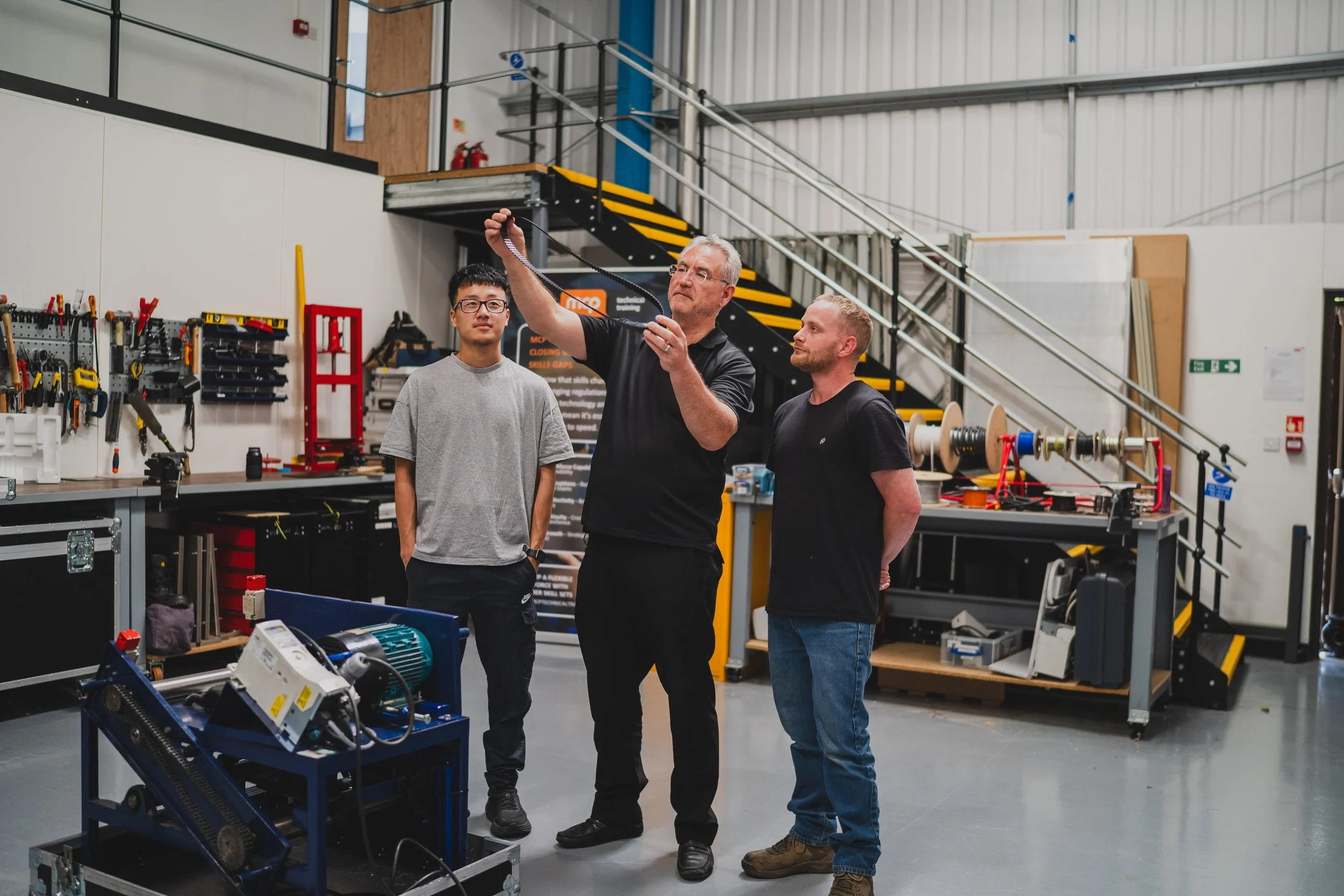
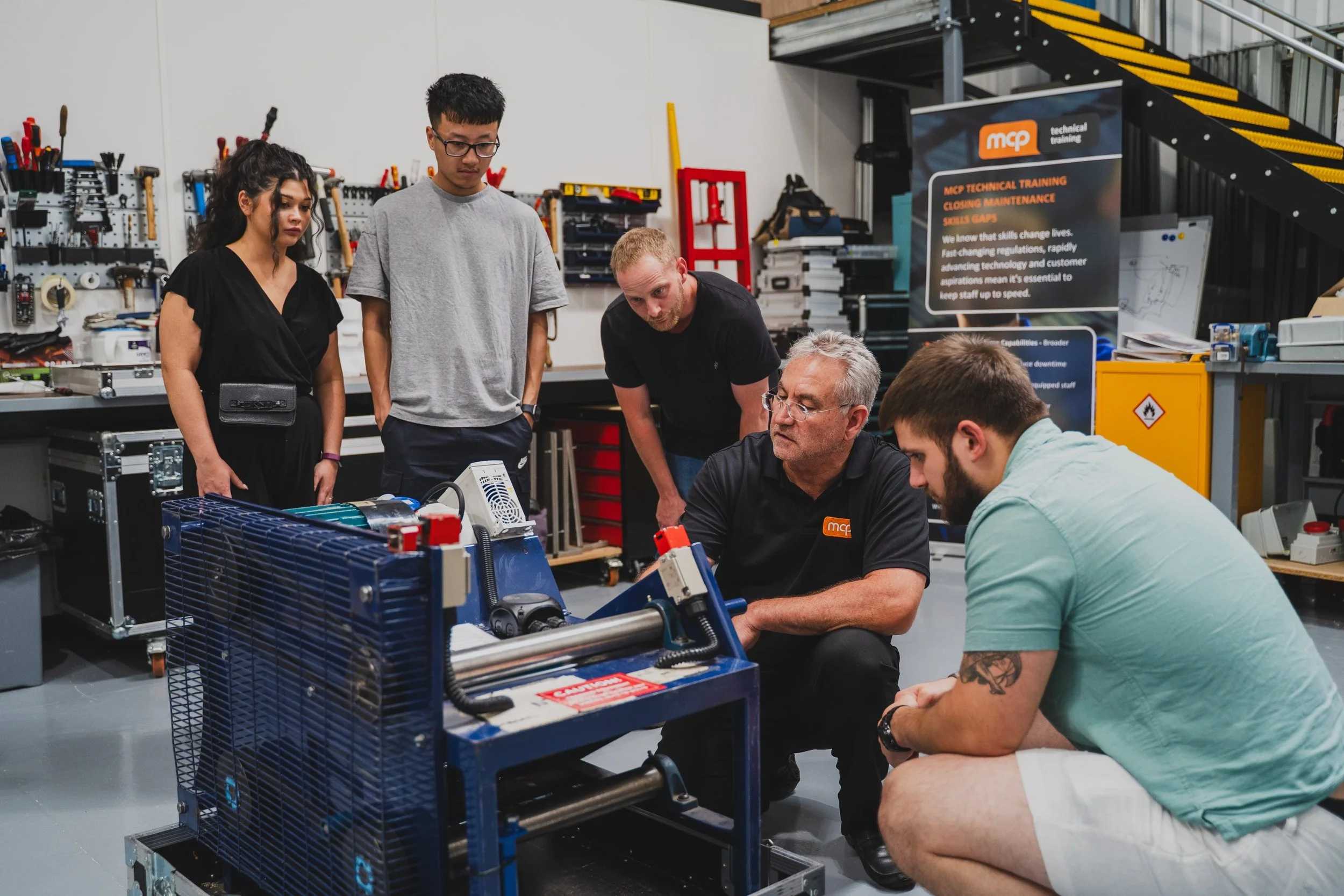
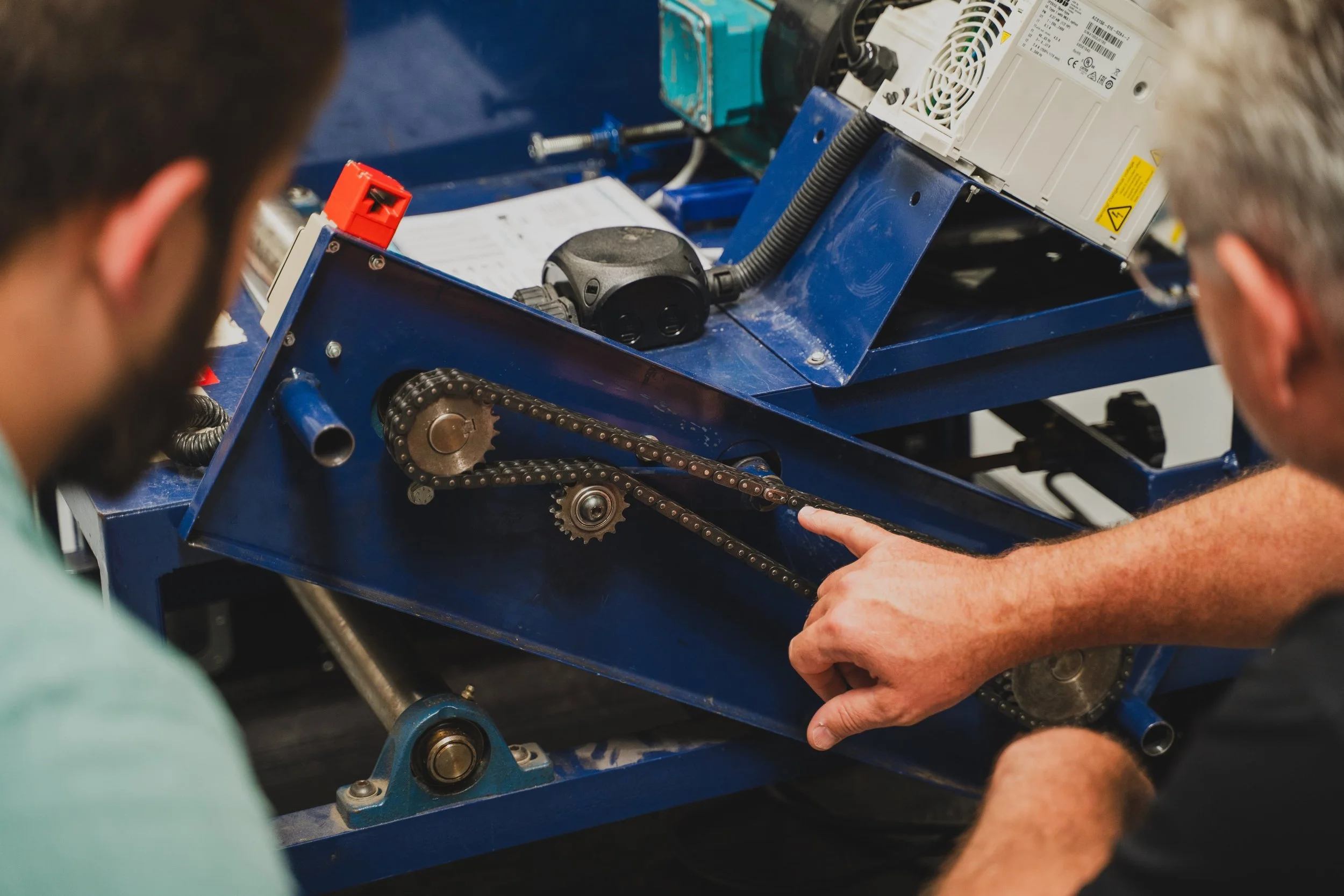
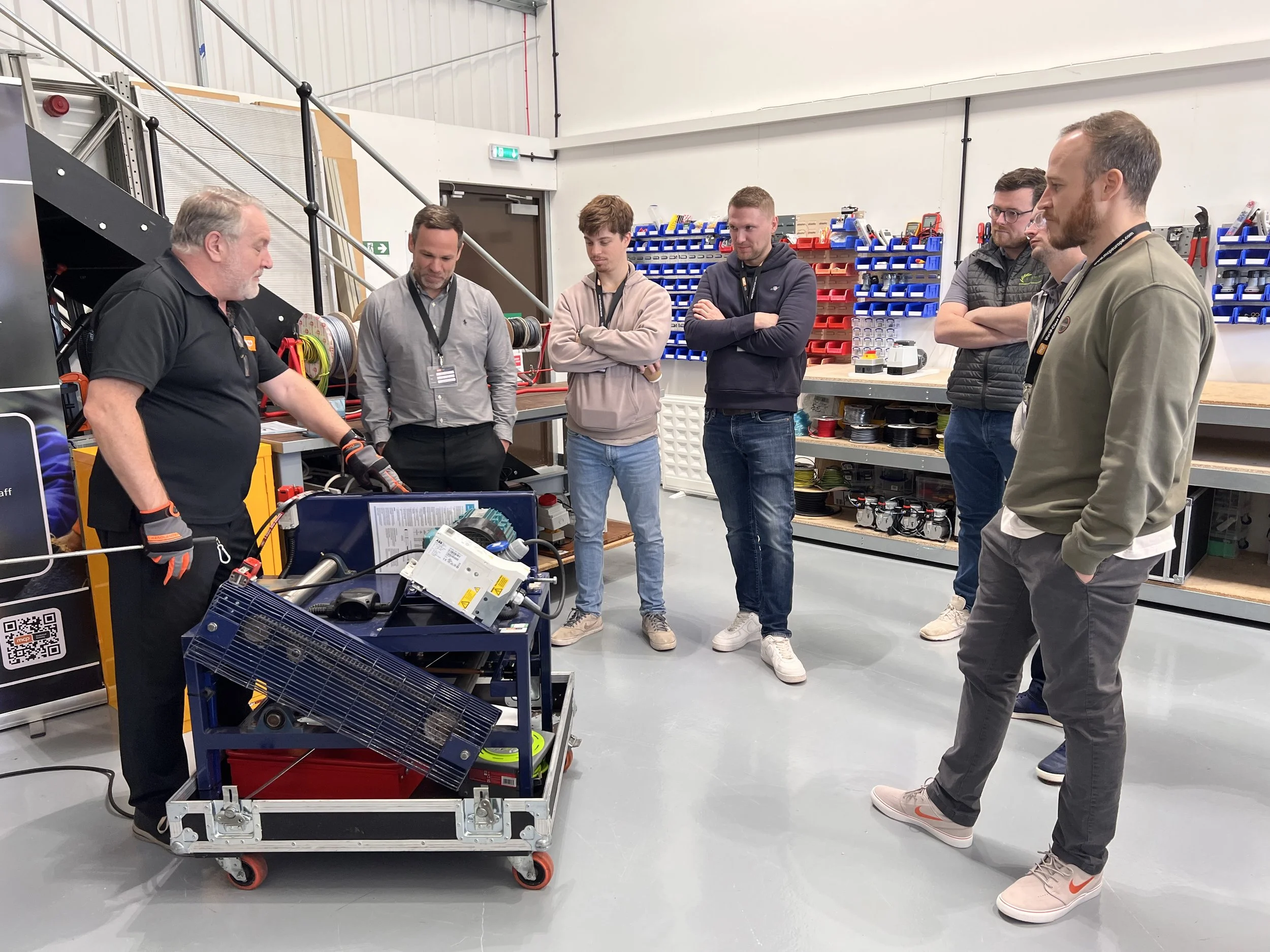
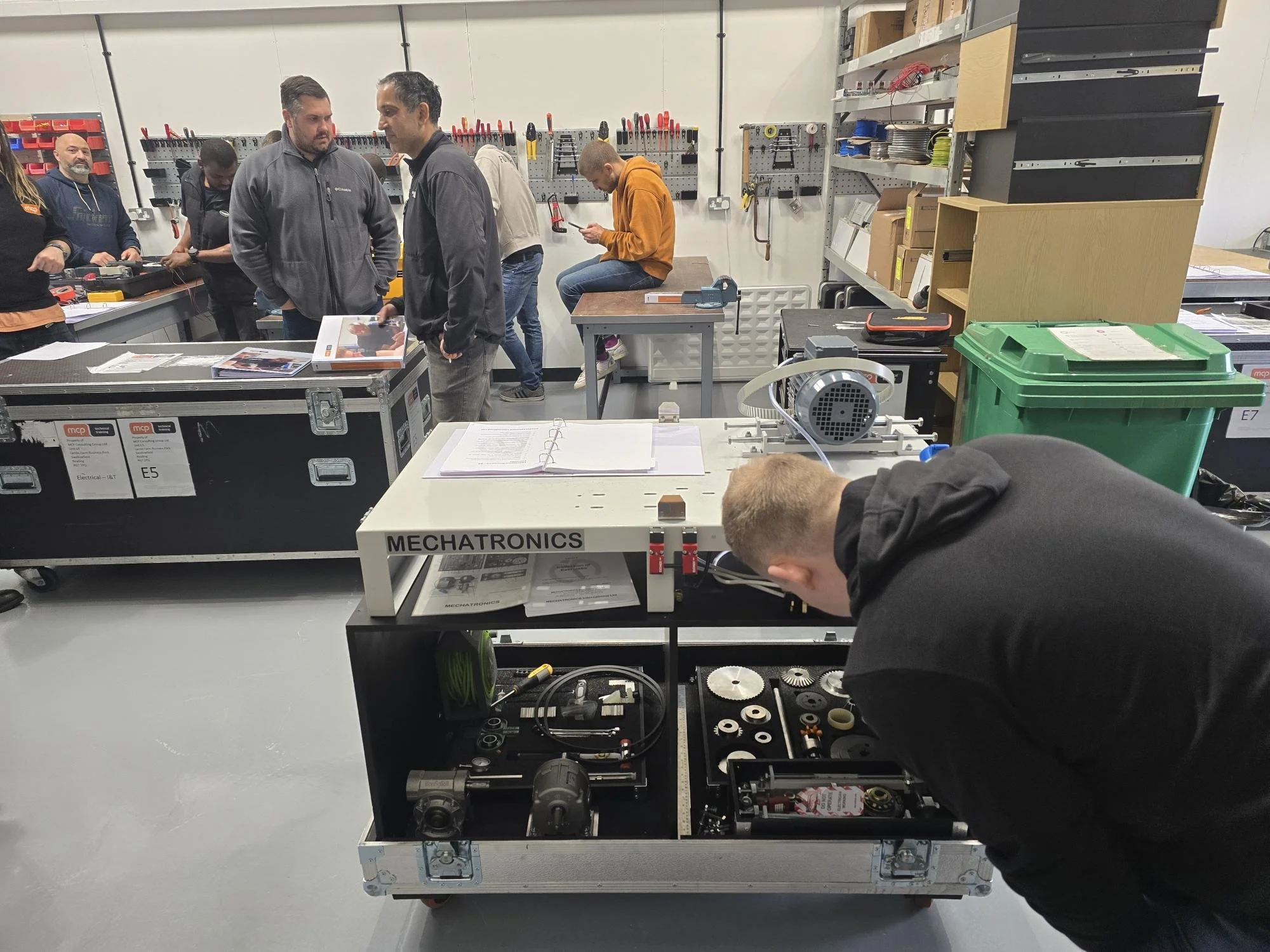
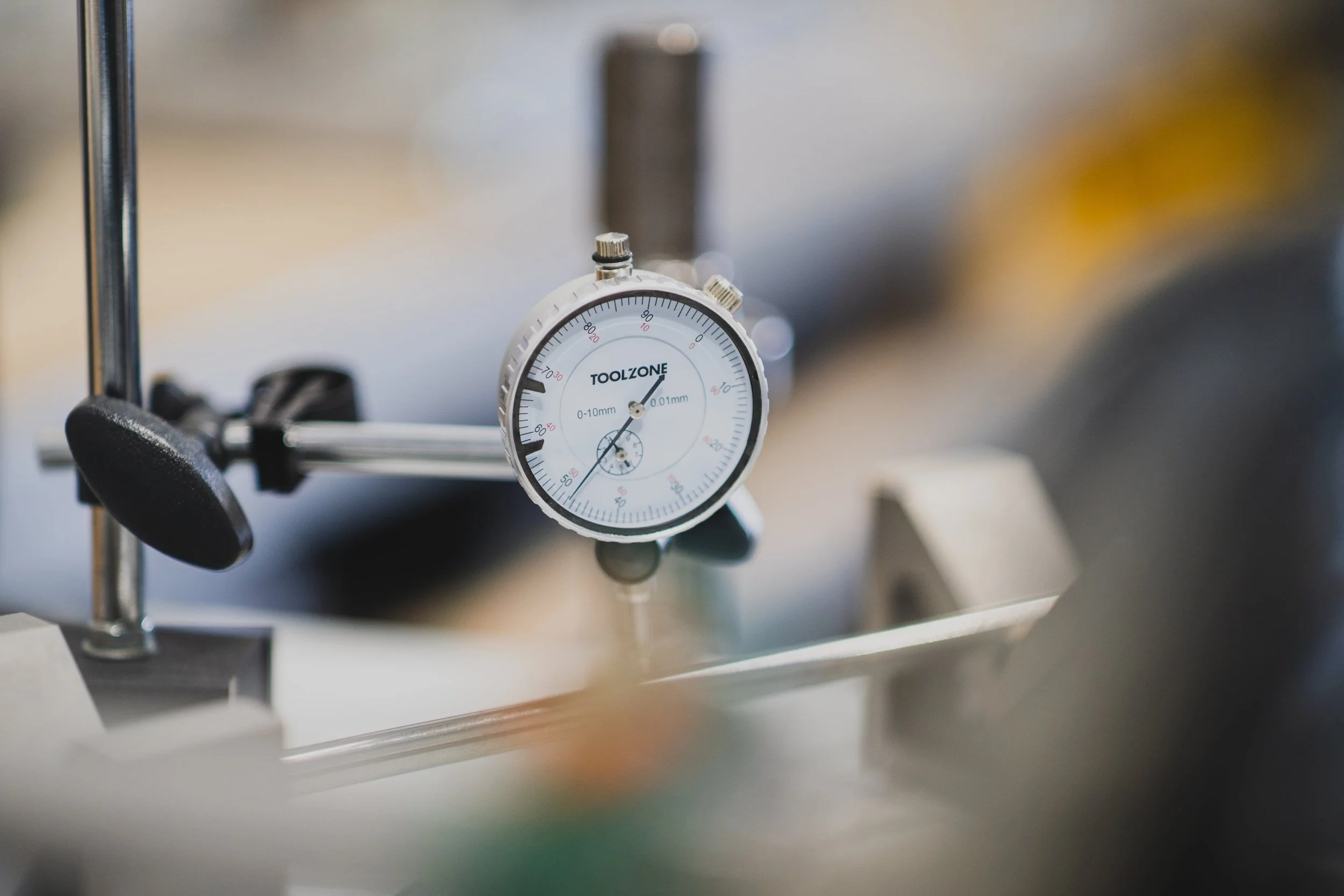
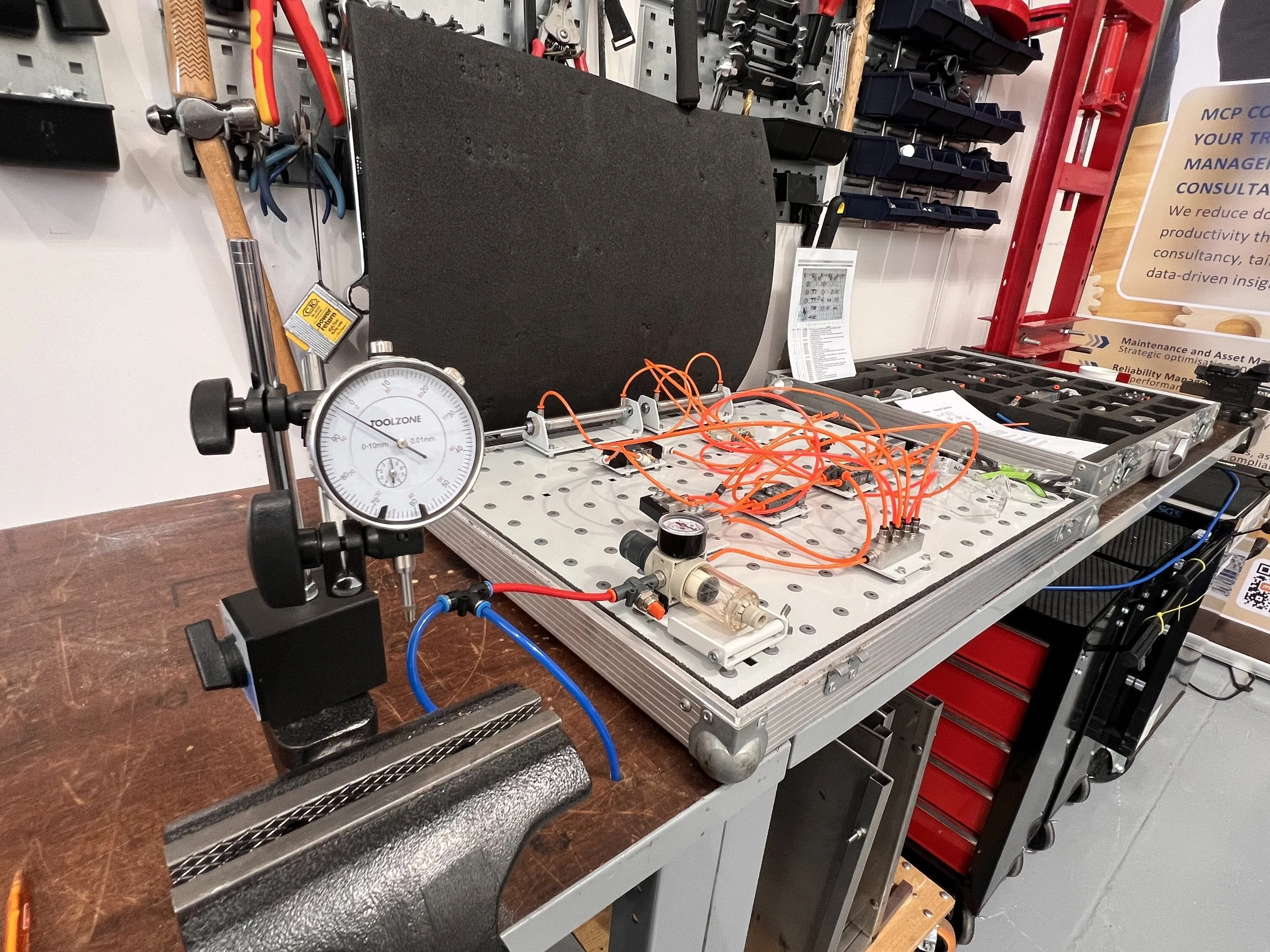
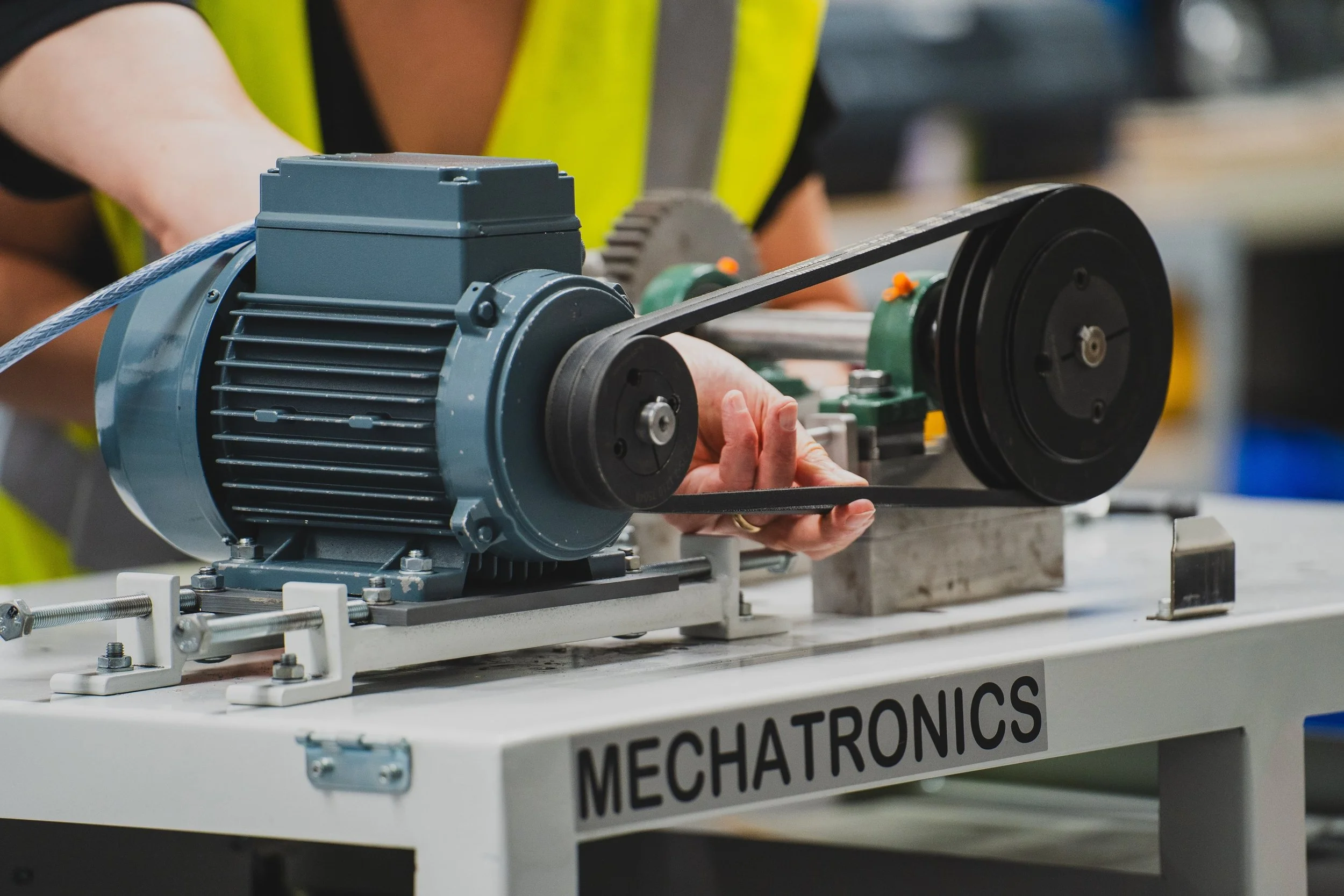
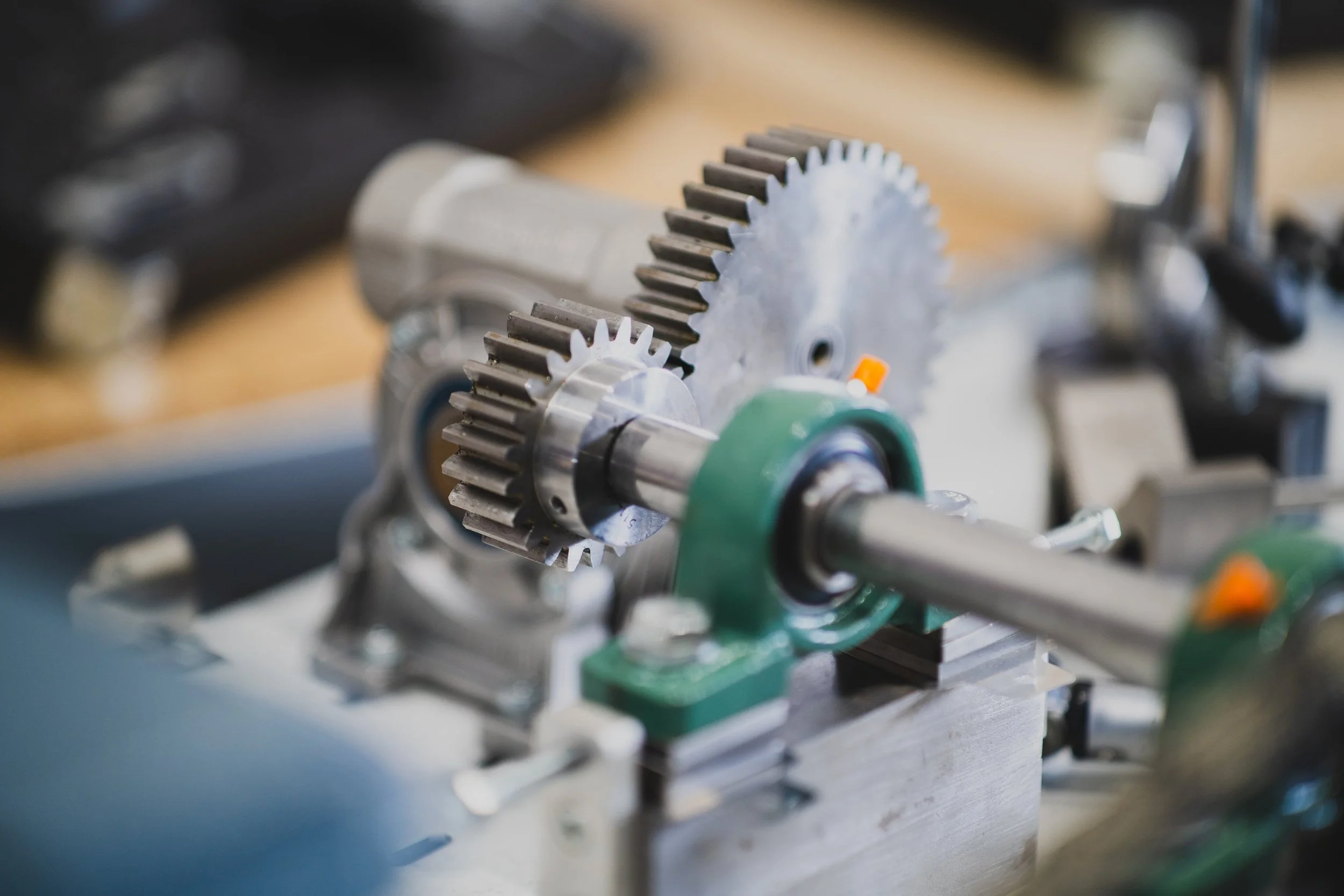
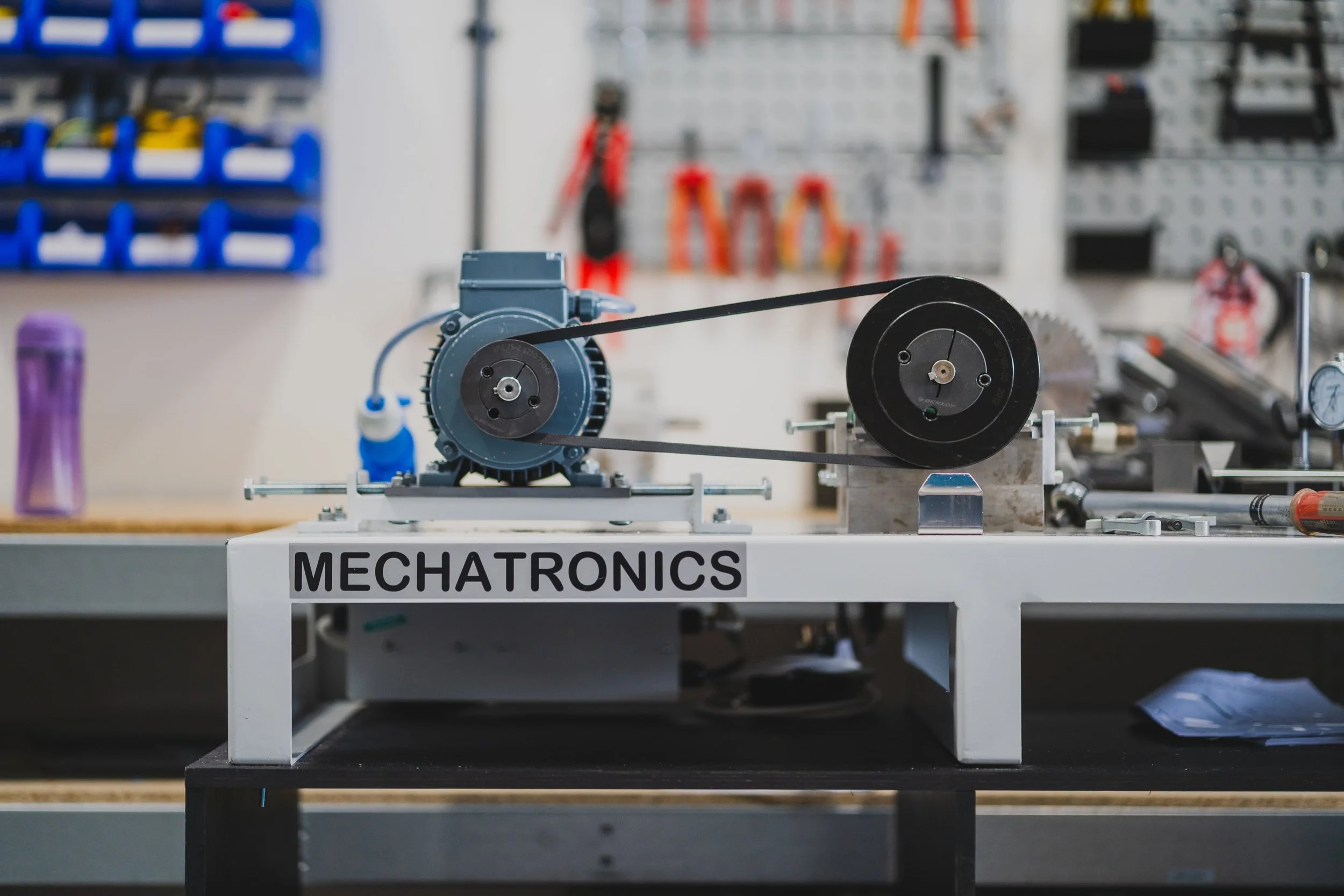
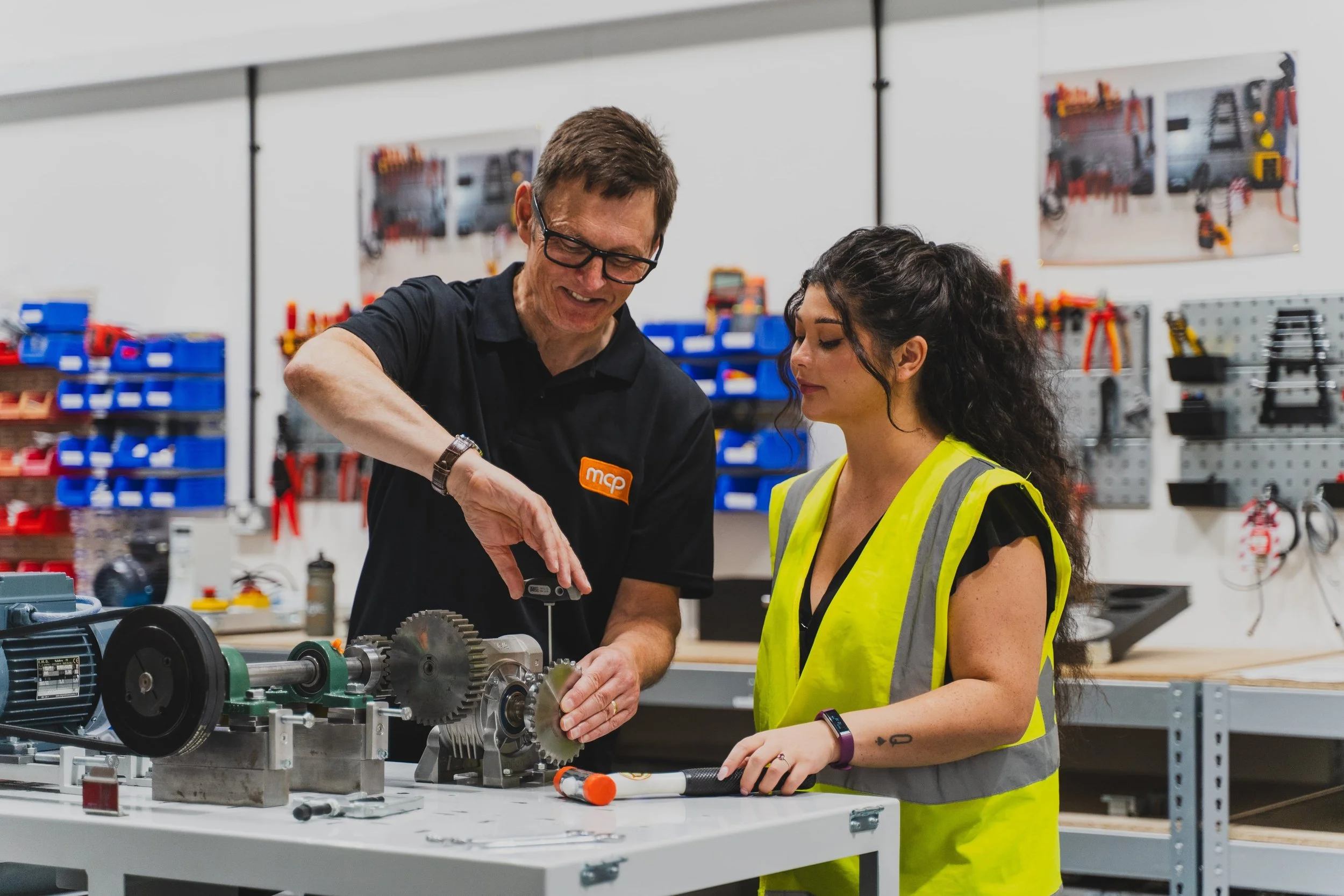
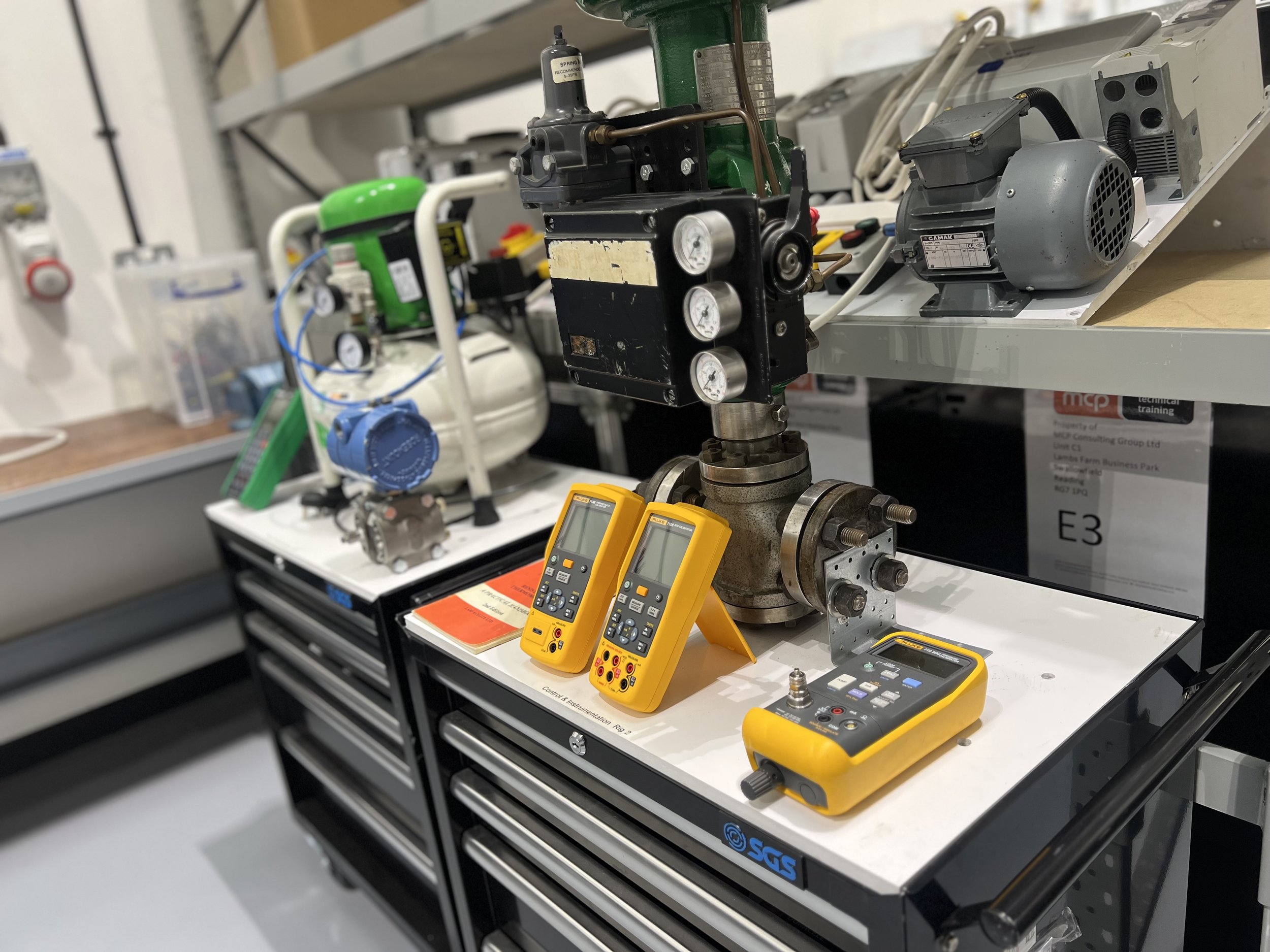
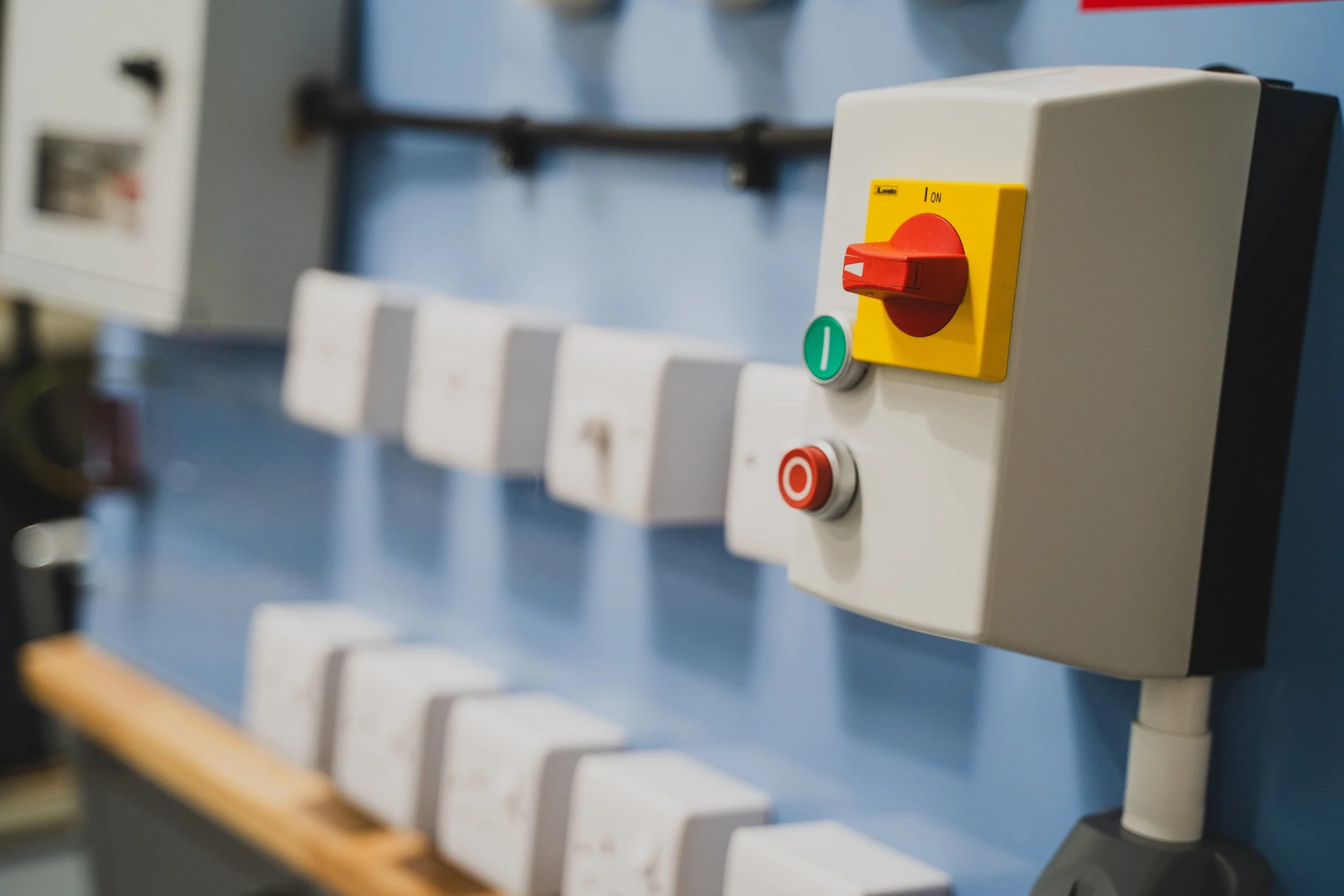
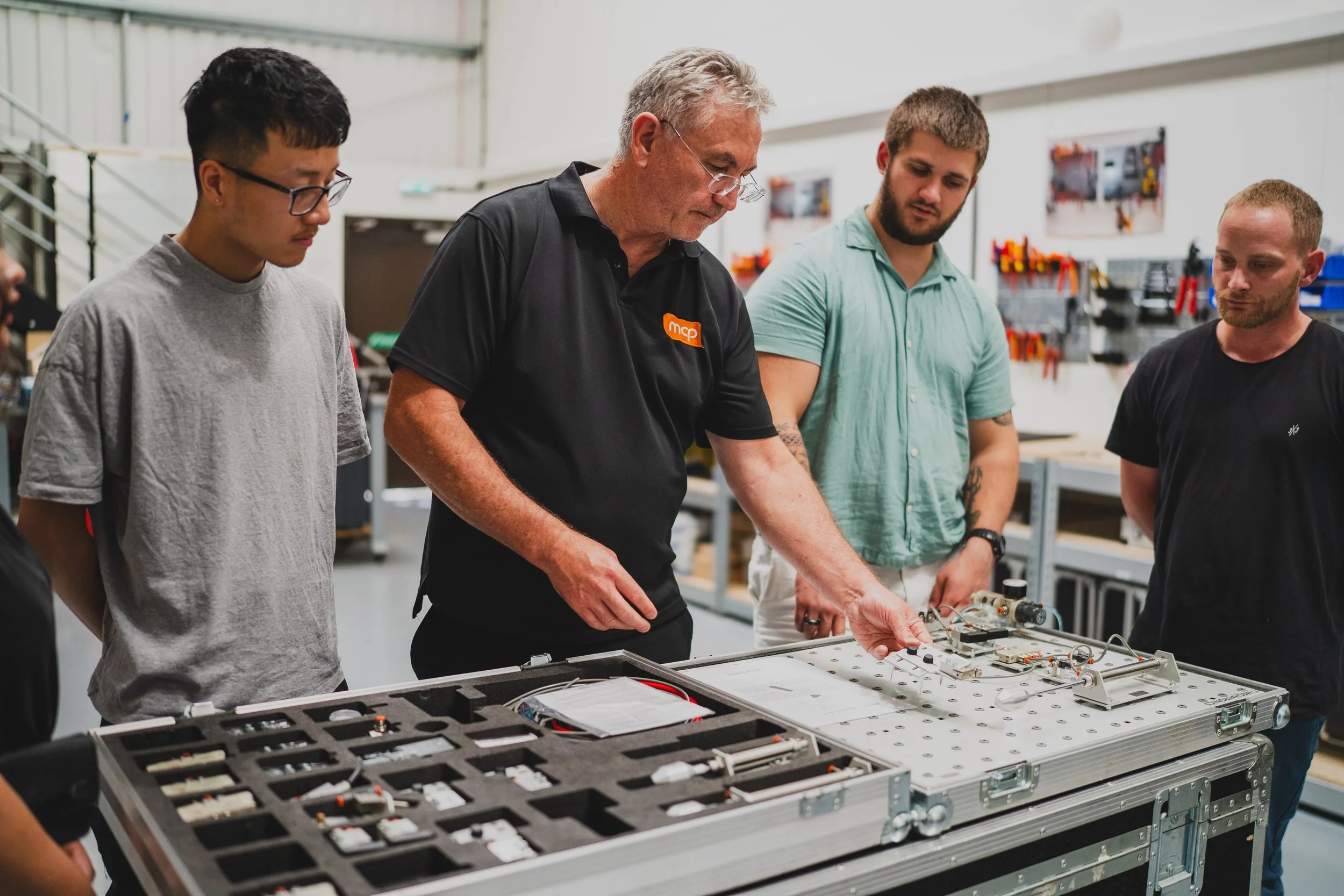
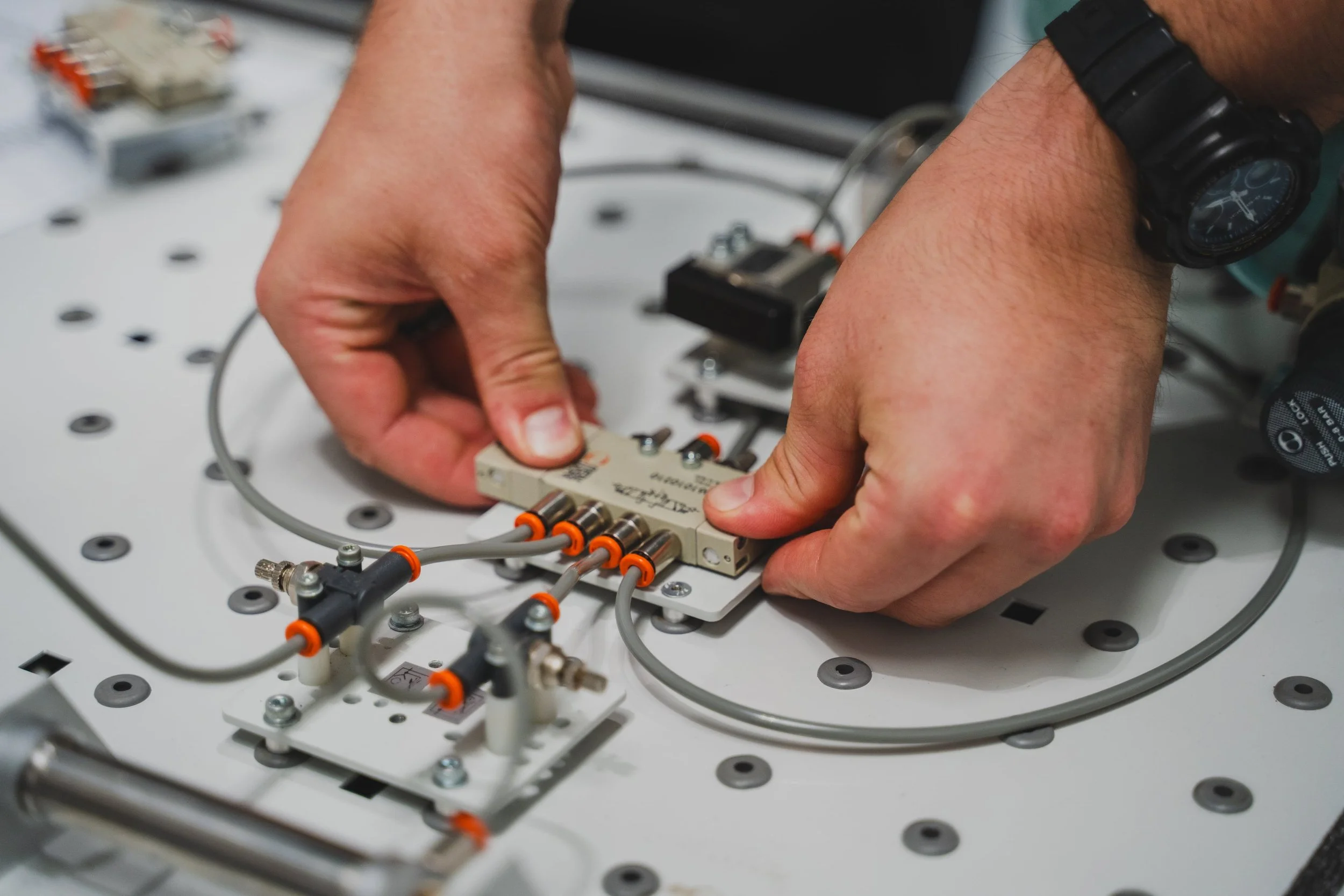
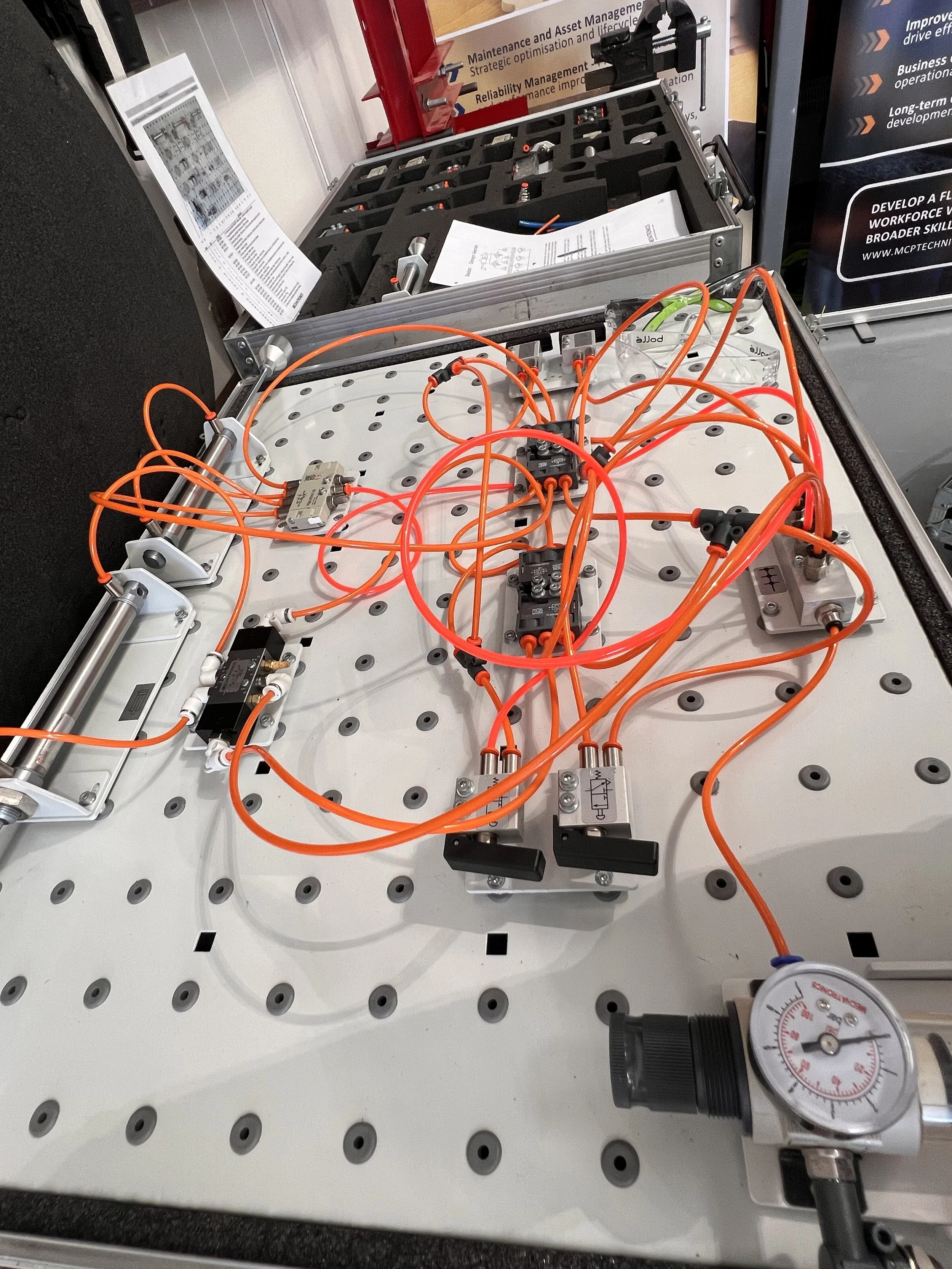
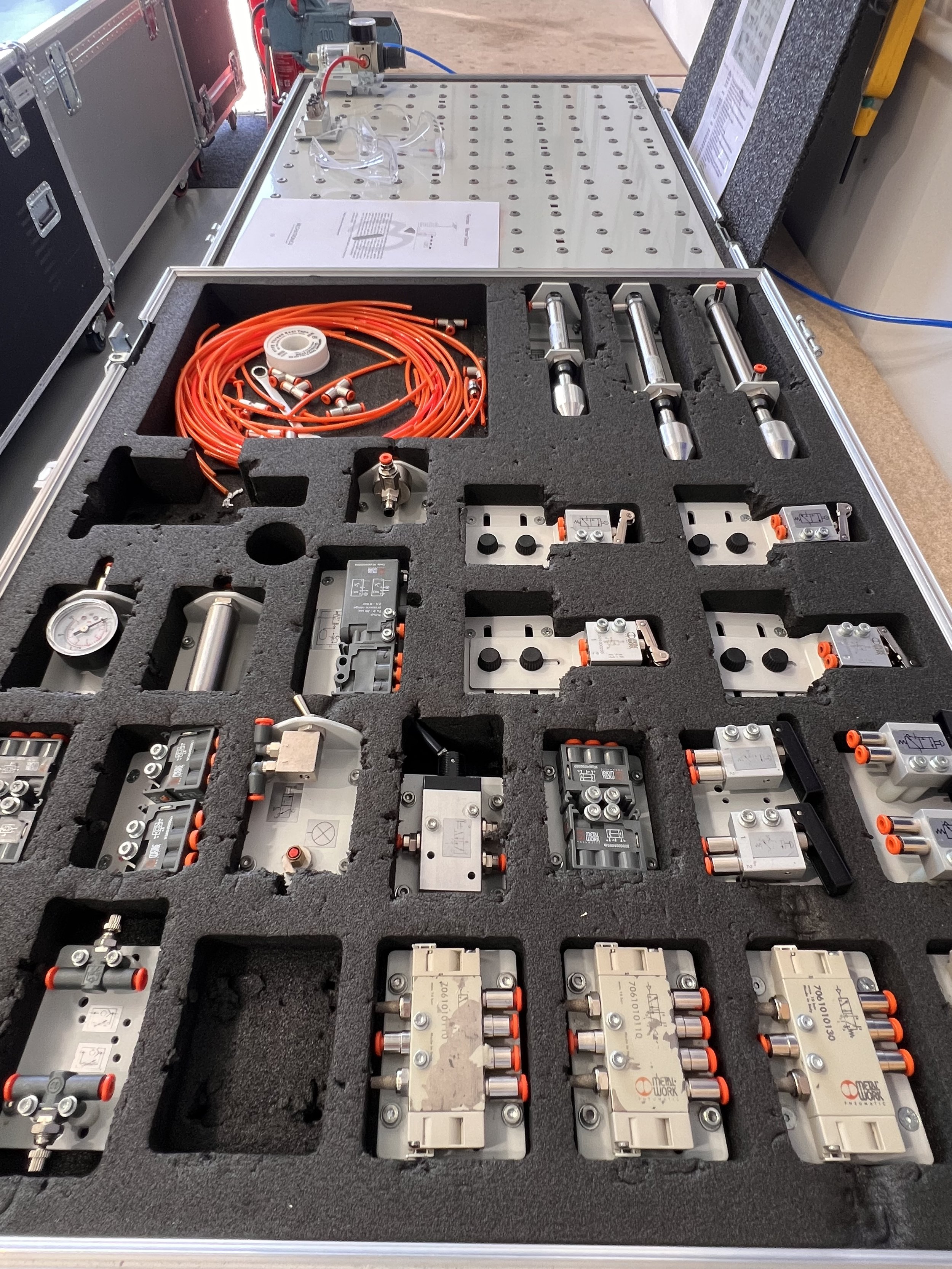
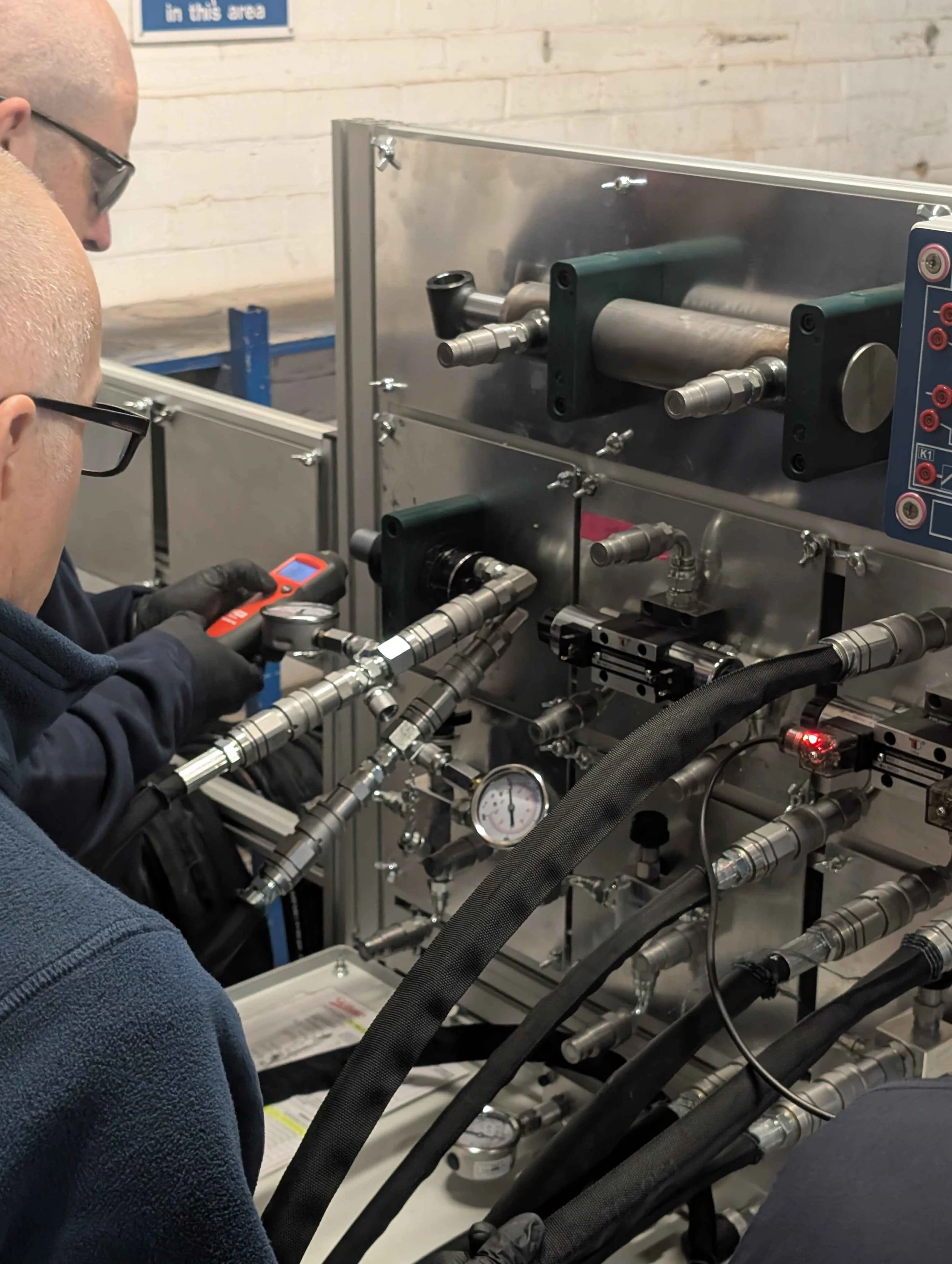
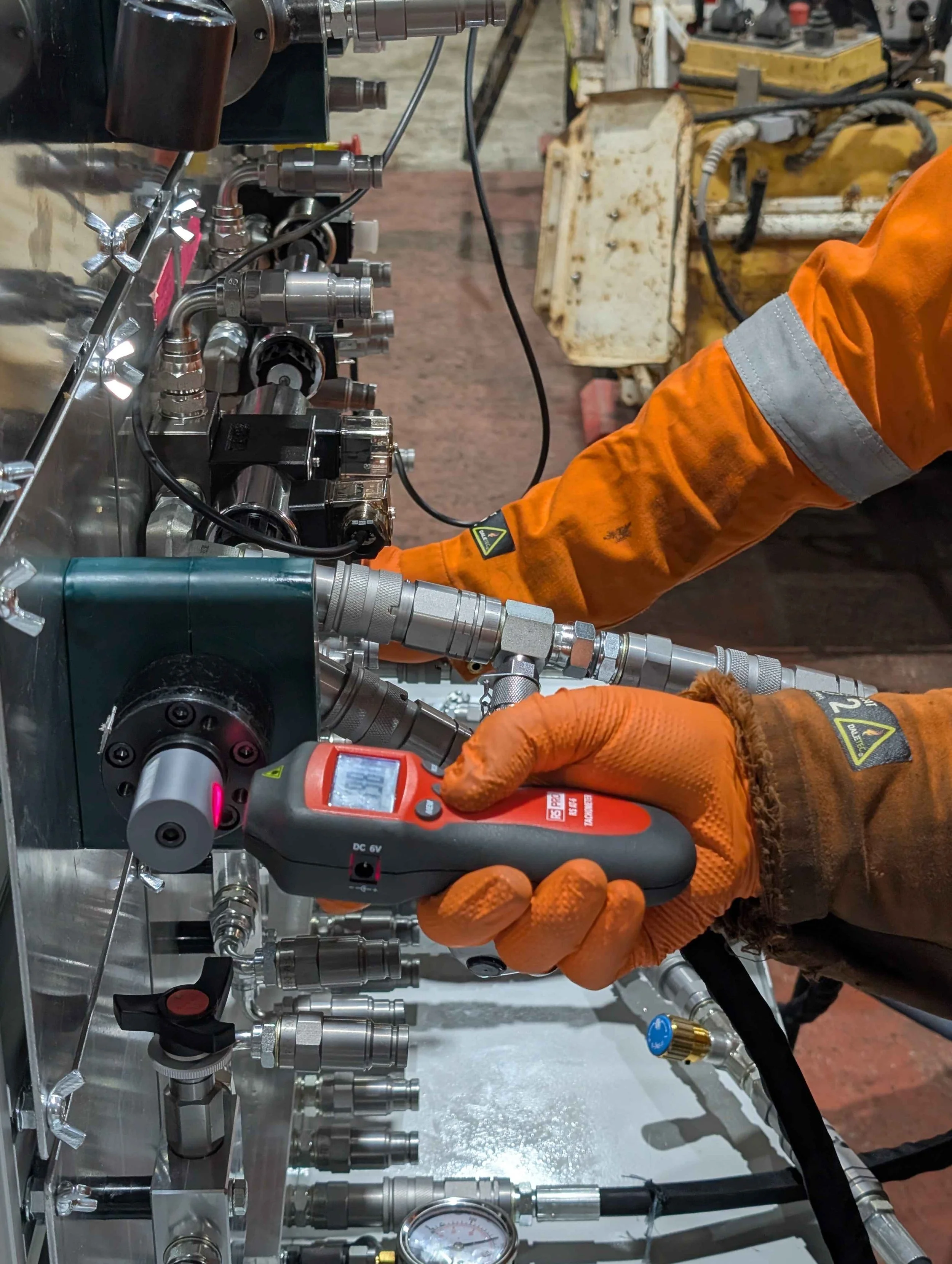
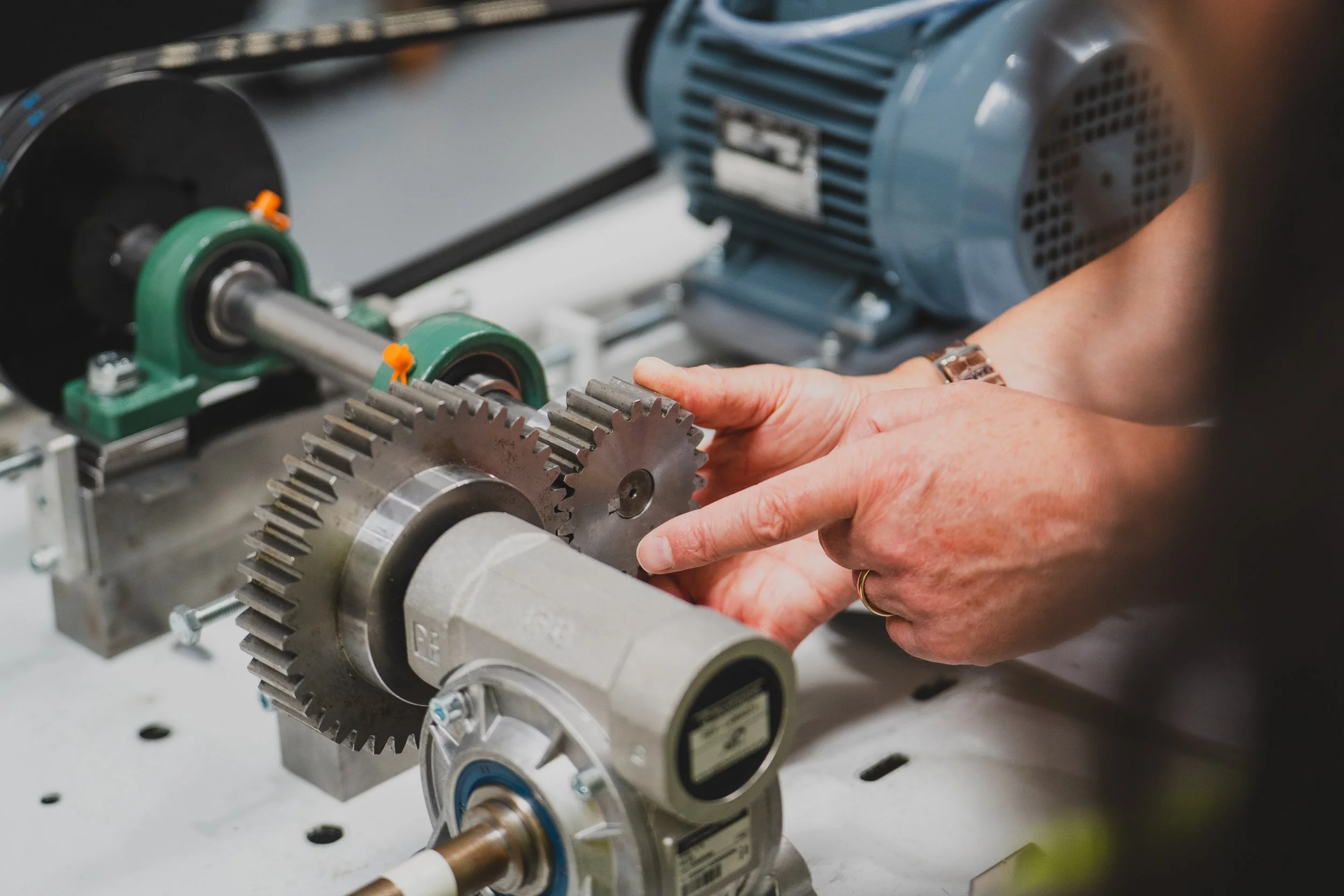
Practical hands-on tasks form part of Hydraulics Training Level 2, allowing delegates to apply the technical principles and component knowledge covered during the course.
This practical element helps delegates develop a deeper understanding of hydraulic systems and components and reinforces the relationship between hydraulic theory and practical application.
The four-day course also includes practical assessment.
HANDS-ON TRAINING
<
HANDS-ON TRAINING <





HANDS-ON TRAINING
>
HANDS-ON TRAINING >
HANDS-ON TRAINING
<
HANDS-ON TRAINING <
WHAT YOU WILL
Learn
Hydraulics Training Level 2 develops an in-depth practical understanding of hydraulic principles, components, systems and maintenance.

Hydraulic Principles
& Pumps
Develop your understanding of:
» Basic hydraulic principles
» Open circuit pumps
» Variable displacement pumps
Hydraulic Valves
& Control
Develop greater knowledge of the valves used to control hydraulic systems, including:
» Pressure control valves
» Flow control valves
» Directional control valves
» Proportional control valves
Actuators
Explore the operation and application of:
» Cylinders – linear actuators
» Motors – rotary actuators
Systems & Circuits
Develop a greater understanding of how hydraulic components work together within systems and circuits.
Hydraulic Fluid,
Contamination & Temperature
Explore factors that influence hydraulic system performance and reliability, including:
» Hydraulic fluid
» Contamination control
» Temperature control
Maintenance Procedures
Develop an understanding of maintenance procedures associated with hydraulic systems and components.
Accumulators
Develop knowledge of hydraulic accumulators and their role within hydraulic systems.
HYDRAULICS SKILLS TRAINING
Level 2
Develop Advanced Knowledge of Hydraulic Systems
Hydraulics Training Level 2 provides more advanced training for engineers and engineering managers looking to deepen their knowledge and practical understanding of hydraulic systems.
Delivered over four days, the course develops an in-depth understanding of the principles governing hydraulic systems, together with the function, operation and adjustment of a wide range of hydraulic components.
Delegates explore areas including open circuit and variable displacement pumps, accumulators, pressure, flow and directional control valves, proportional control valves, actuators, hydraulic circuits, contamination and temperature control, and maintenance procedures.
Practical hands-on tasks and assessment support the technical learning, helping delegates relate hydraulic principles to the systems and components encountered within engineering environments.
Delegates who successfully complete the course and associated practical assessment will receive an MCP Technical Training Certificate.
WHY DEVELOP
Hydraulic Knowledge and Capability
Deepen Your Understanding of Hydraulic Systems
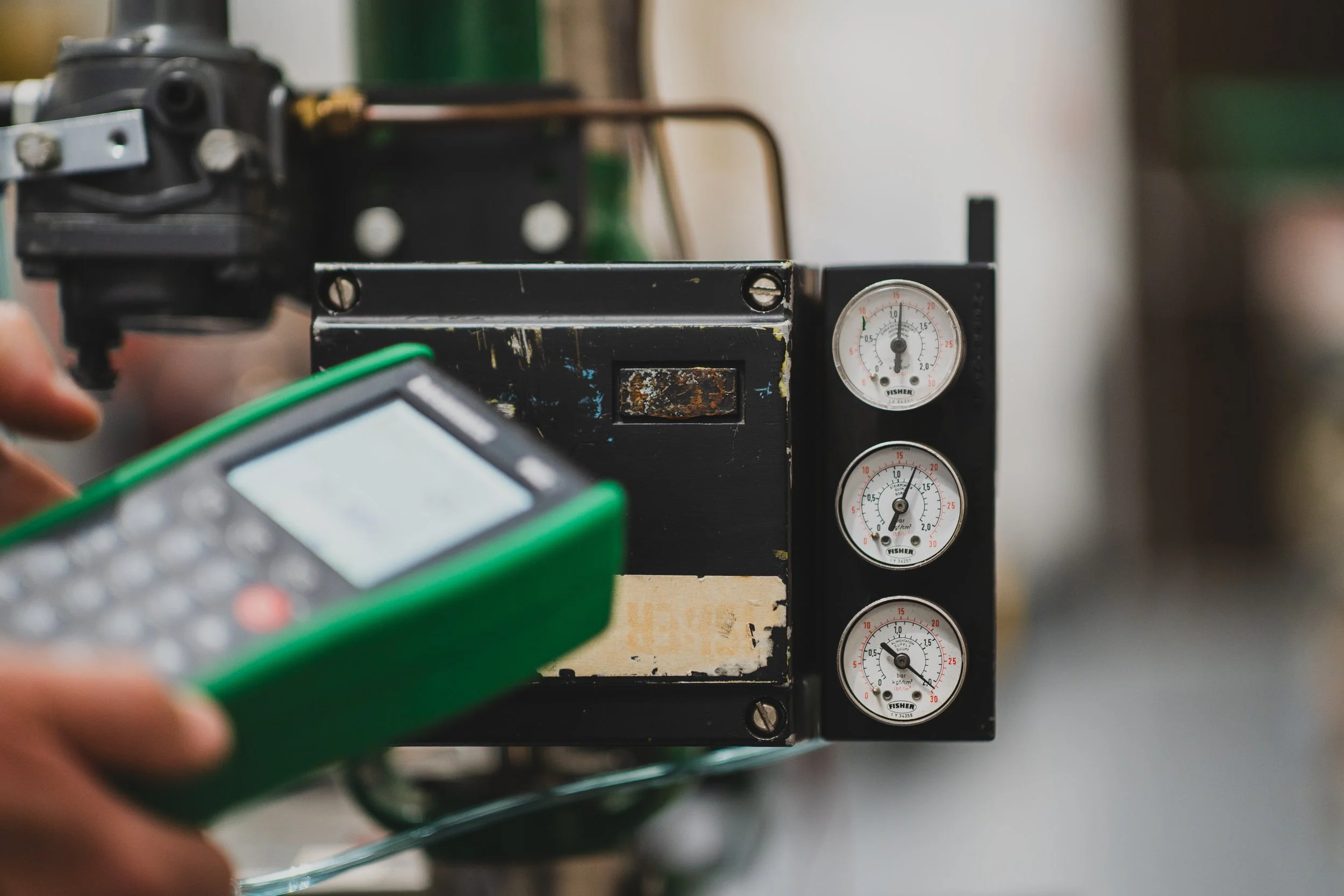
Hydraulic systems can incorporate a wide range of components and controls, requiring engineers to understand not only individual components but how they interact within complete systems and circuits.
Hydraulics Training Level 2 develops this understanding further, providing delegates with more in-depth knowledge of hydraulic system principles and component operation.
The course explores different pump technologies, hydraulic valves and actuators alongside systems and circuits, fluid management, contamination and temperature control.
Maintenance procedures are also included, helping delegates develop a broader understanding of the factors that influence the effective operation and maintenance of hydraulic equipment.
IS THIS COURSE
Right for You?
Hydraulics Training Level 2 is designed for people looking to deepen their understanding of hydraulic systems.
It is particularly suitable for:
» Hydraulics Engineers
» Design Engineers
» Engineering Managers
» Engineers looking to develop more advanced hydraulic knowledge
» Technical personnel working with hydraulic systems
» Organisations looking to develop greater hydraulic capability within their engineering teams
WHAT WILL YOU
Be Able to Do?
Following successful completion of Hydraulics Training Level 2, delegates will have developed a more comprehensive understanding of hydraulic systems and components.
This includes greater confidence in:
» Understanding hydraulic system principles
» Understanding open circuit pumps
» Understanding variable displacement pumps
» Understanding the function of accumulators
» Understanding pressure, flow and directional control valves
» Understanding proportional control valves
» Understanding linear and rotary actuators
» Understanding hydraulic systems and circuits
» Recognising the importance of hydraulic fluid
» Understanding contamination control
» Understanding temperature control
» Understanding hydraulic maintenance procedures
» Applying hydraulic knowledge through practical tasks
ASSESSMENT &
Certification
Hydraulics Training Level 2 is delivered over four days and includes practical assessment.
Delegates who successfully complete the course and associated practical assessment will receive an MCP Technical Training Certificate.
The course combines in-depth technical learning with practical application, helping experienced engineering personnel develop a greater understanding of hydraulic systems, components and their operation.
COURSE
Syllabus
» Introduction to basic principles
» Open circuit pumps
» Variable displacement pumps
» Accumulators
» Pressure control valves
» Flow control valves
» Directional control valves
» Proportional control valves
» Contamination control
» Temperature control
» Maintenance procedures
» Practical hands-on tasks
» Cylinders – linear actuators
» Motors – rotary actuators
» Systems and circuits
» Hydraulic fluid
Continue Developing Your Hydraulic Skills
MCP Technical Training offers a range of hydraulics training options for different levels of knowledge and experience.
Hydraulics Training Level 1
Comprehensive Entry-level Hydraulic Training
Advanced Hydraulic Knowledge & Understanding
(Current Course)
Hydraulics Training Level 2
Ready to develop your
Hydraulics knowledge?
Deepen your understanding of hydraulic systems, components and maintenance with MCP Technical Training's four-day Hydraulics Training Level 2 course.
Designed for hydraulics engineers, design engineers and engineering managers, the course combines in-depth technical learning with practical hands-on tasks and assessment, leading to an MCP Technical Training Certificate.
FAQs
-
The course is designed for hydraulics engineers, design engineers and engineering managers looking to deepen their understanding of hydraulic systems.
-
No. Hydraulics Training Level 1 or equivalent is recommended but not mandatory before undertaking Level 2.
-
The course is delivered over four days and includes practical assessment.
-
Yes. Practical hands-on tasks are included within the course, together with practical assessment.
-
The course covers hydraulic principles, pumps, accumulators, pressure, flow, directional and proportional control valves, actuators, systems and circuits, hydraulic fluid, contamination control, temperature control and maintenance procedures.
-
Delegates who successfully complete Hydraulics Training Level 2 and the associated practical assessment will receive an MCP Technical Training Certificate.
-
Level 1 provides comprehensive entry-level hydraulic training for those with an engineering background.
Level 2 is aimed at those looking to develop a deeper understanding of hydraulic systems and components, including more advanced areas such as variable displacement pumps, proportional control valves, contamination control and temperature control.