
Hydraulics Training Level 1
Comprehensive Understanding of Hydraulic Systems
Hydraulics Training Level 1 provides comprehensive entry-level training for people with a technical or engineering background who need to develop their knowledge and understanding of hydraulic systems.
COURSE AT A
Glance
Duration:
4 days
Delivery:
Practical classroom and workshop training
Locations:
On Site Only (Public courses in Reading coming soon)
Prerequisites:
Engineering background, such as an apprenticeship or appropriate engineering qualification
Certificate:
MCP Technical Training Certificate
Next Step:
Hydraulics Training Level 2
PRACTICAL WORKSHOP
Experience
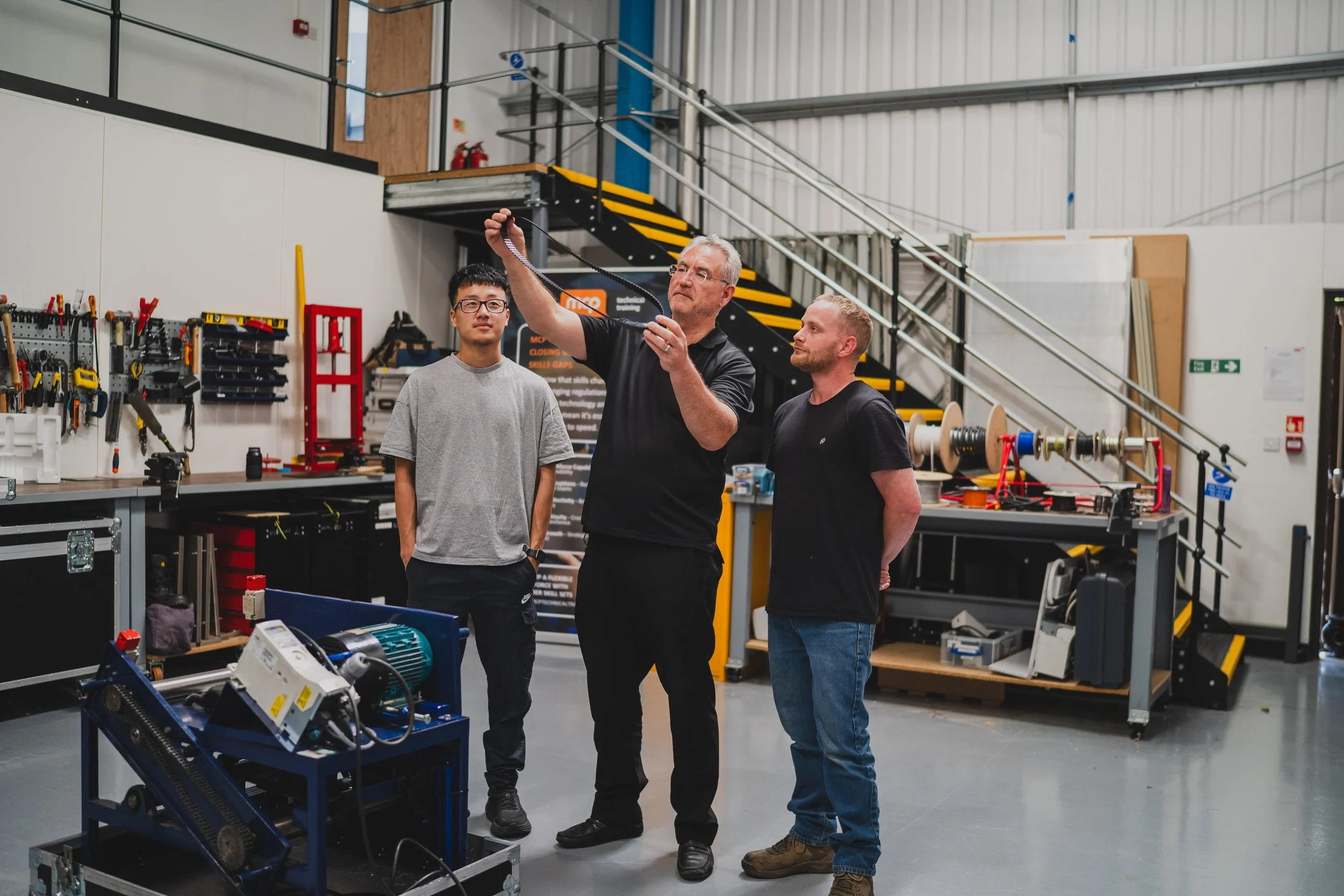
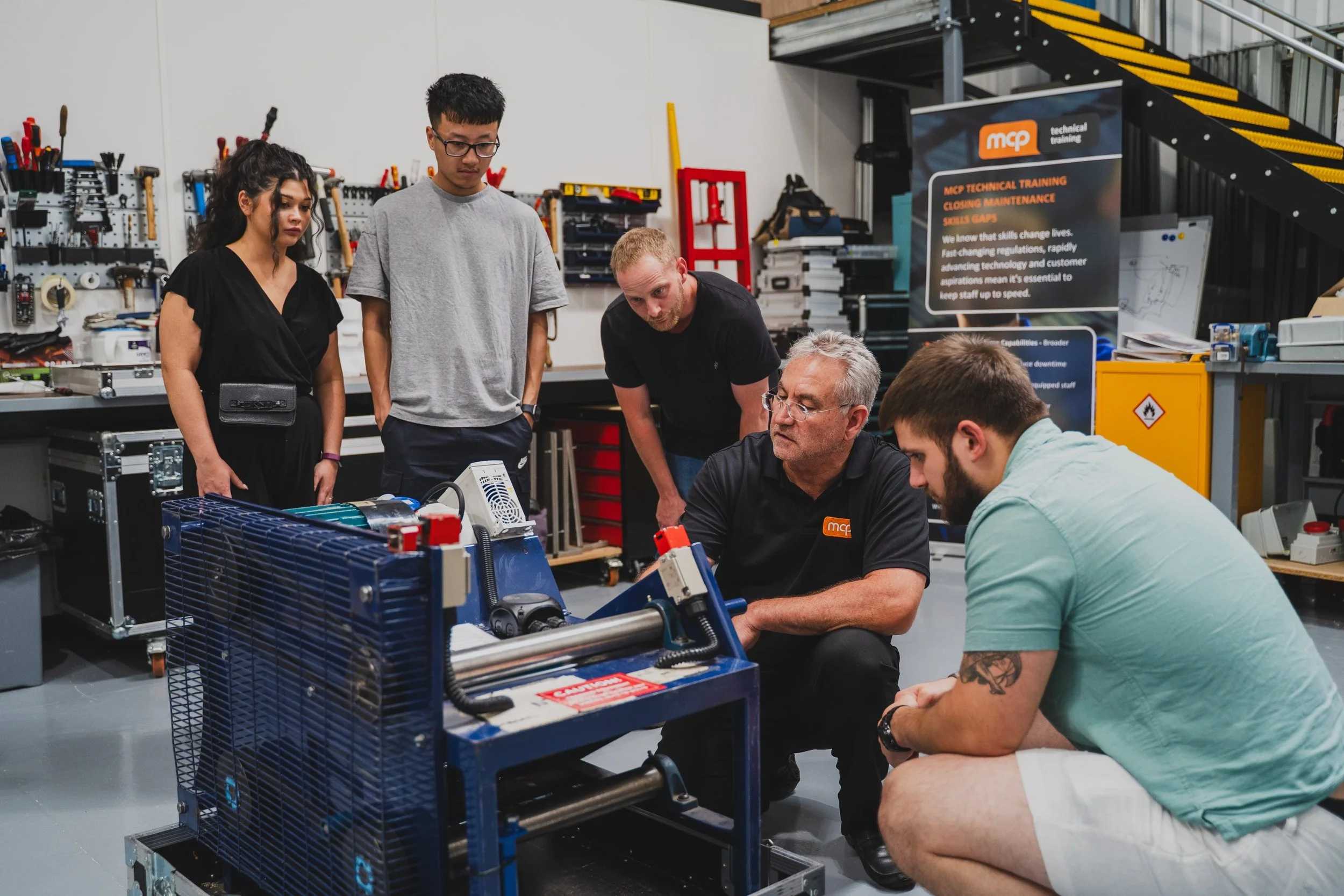
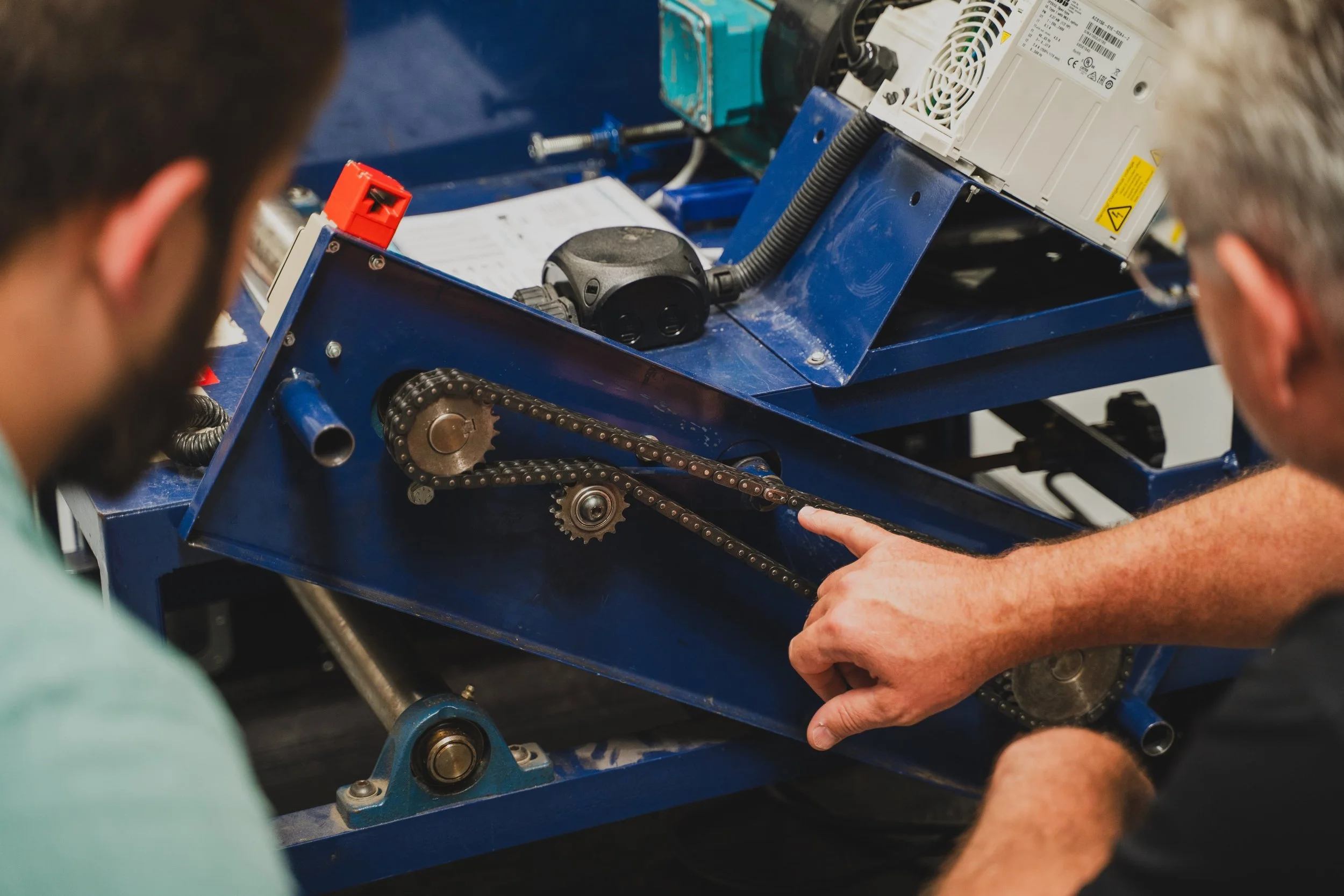
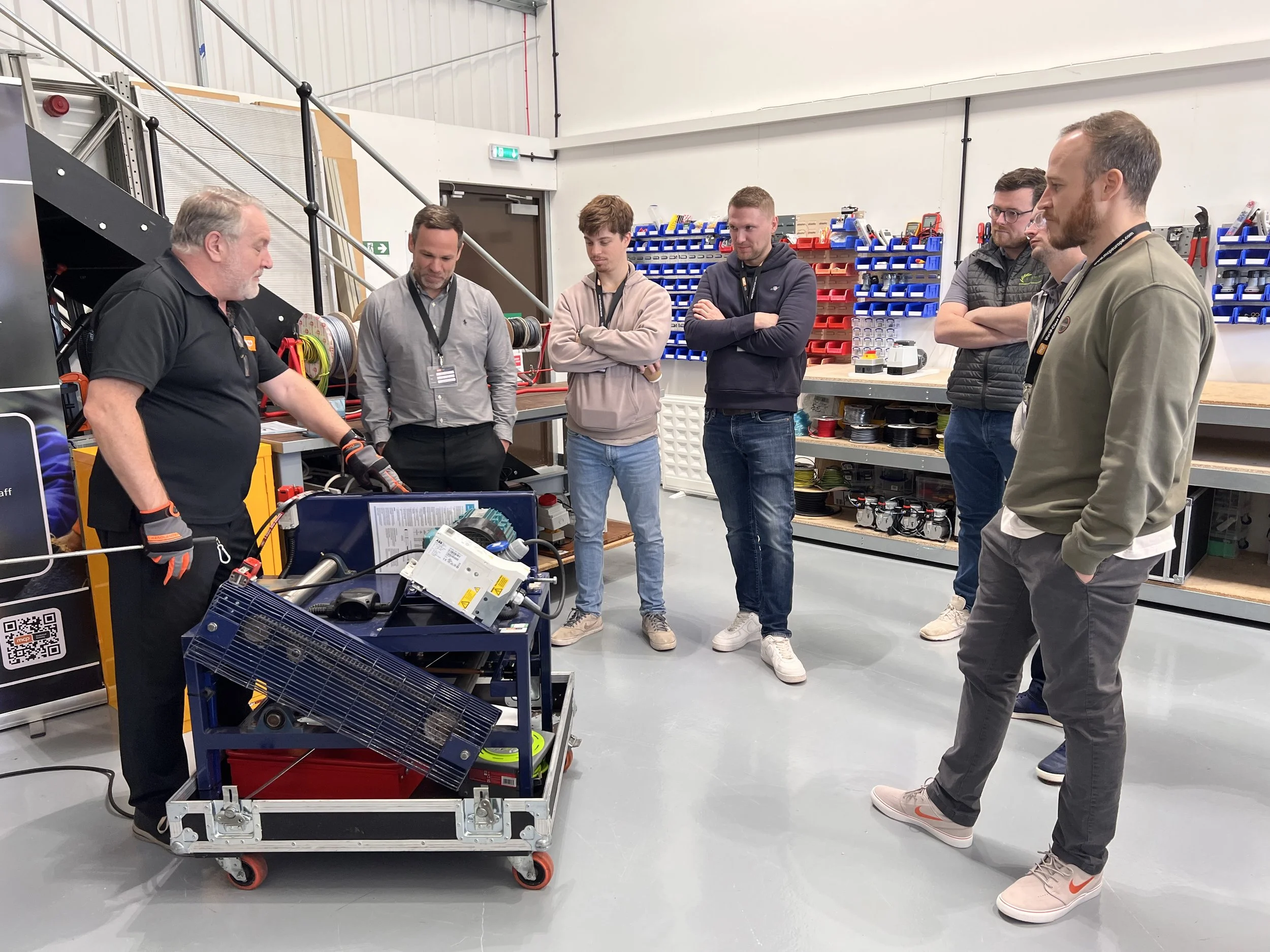
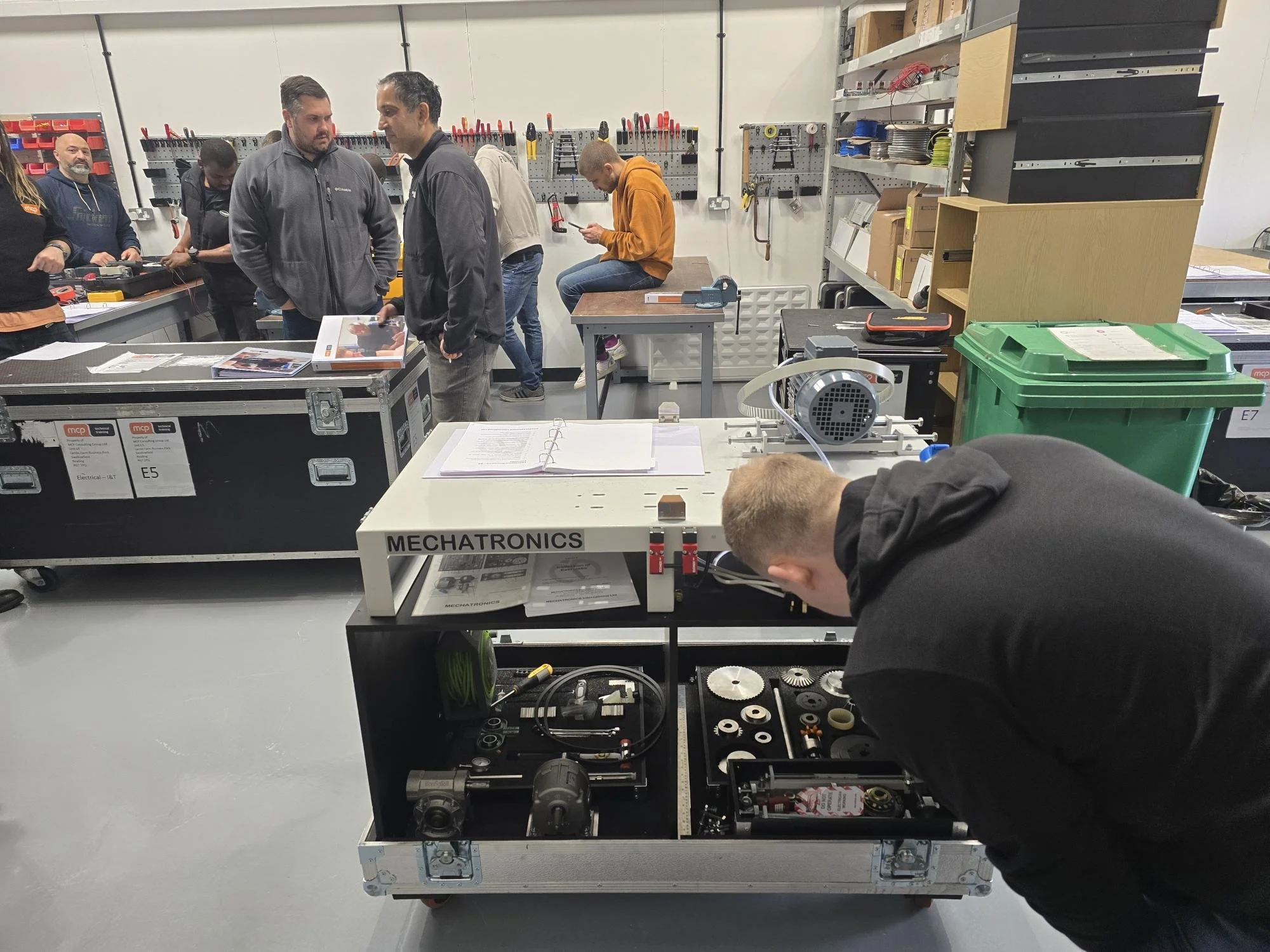
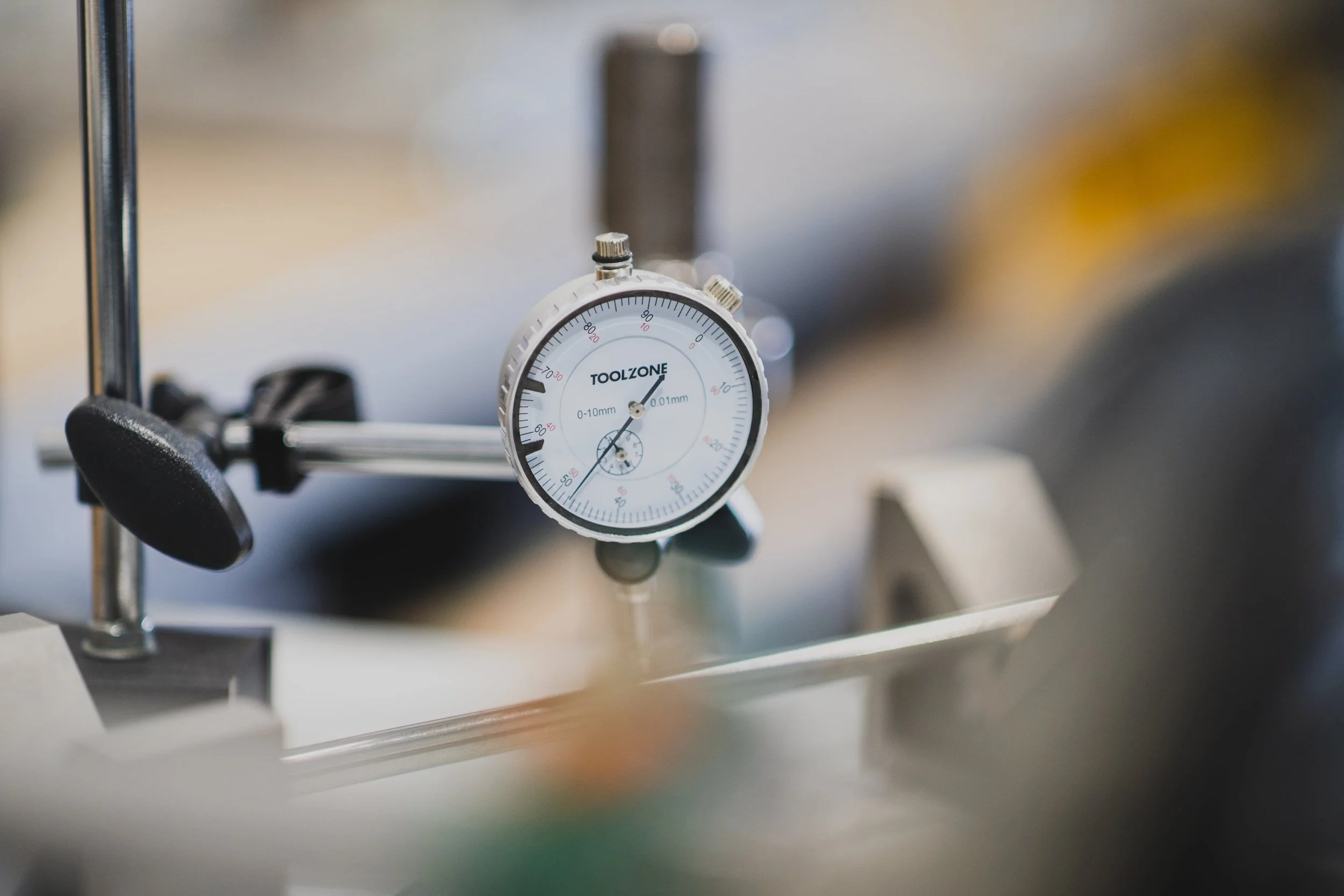
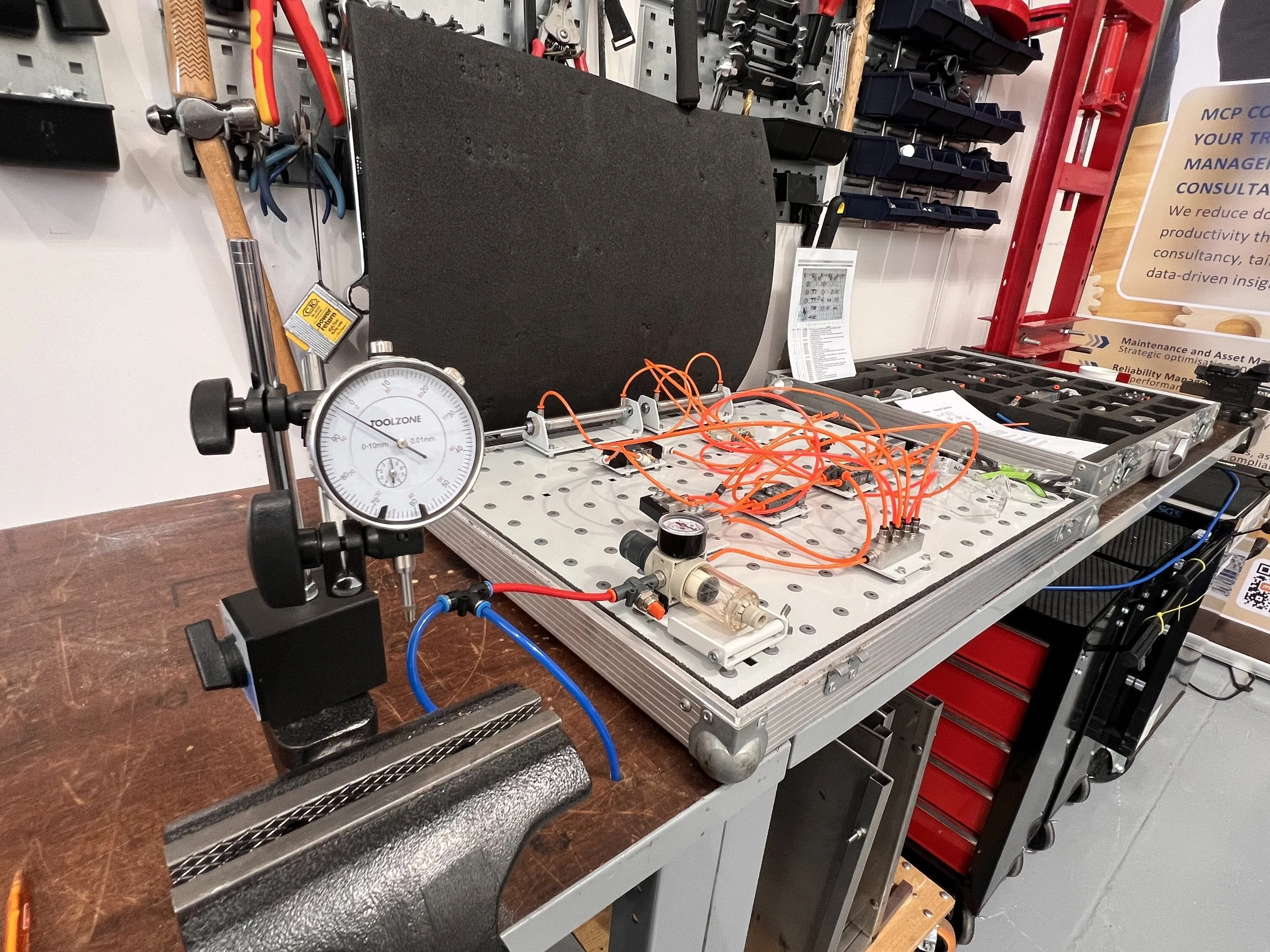
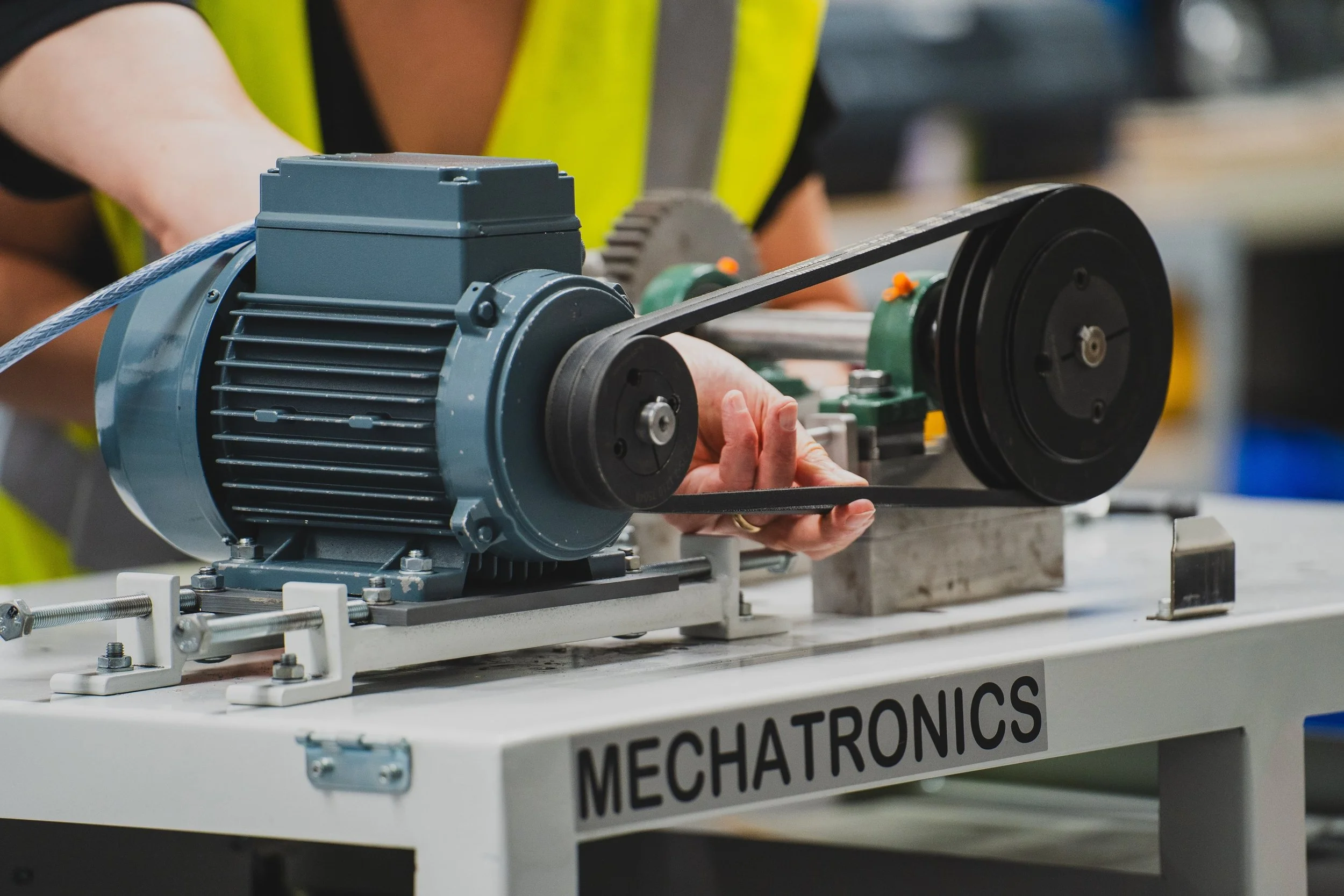
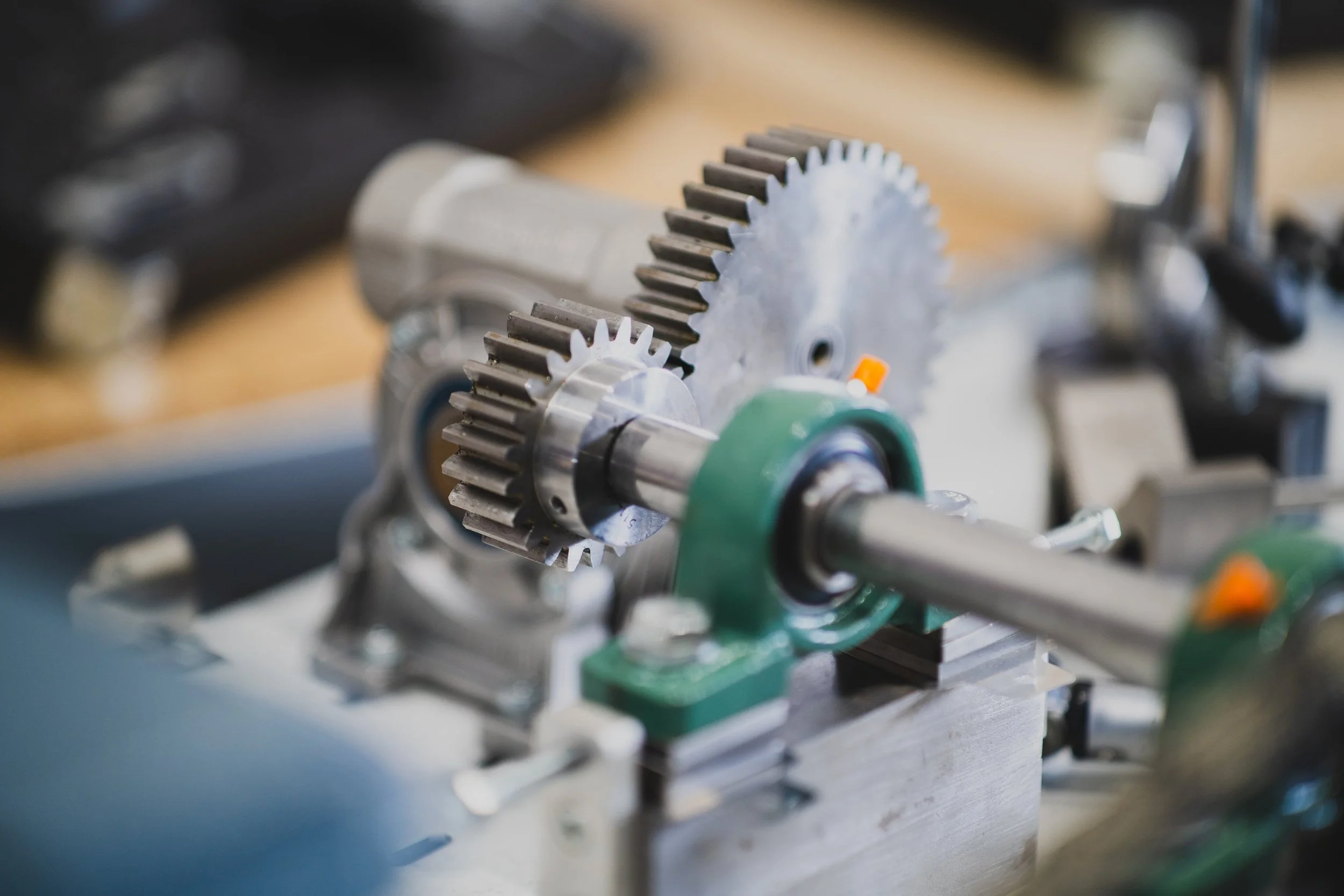
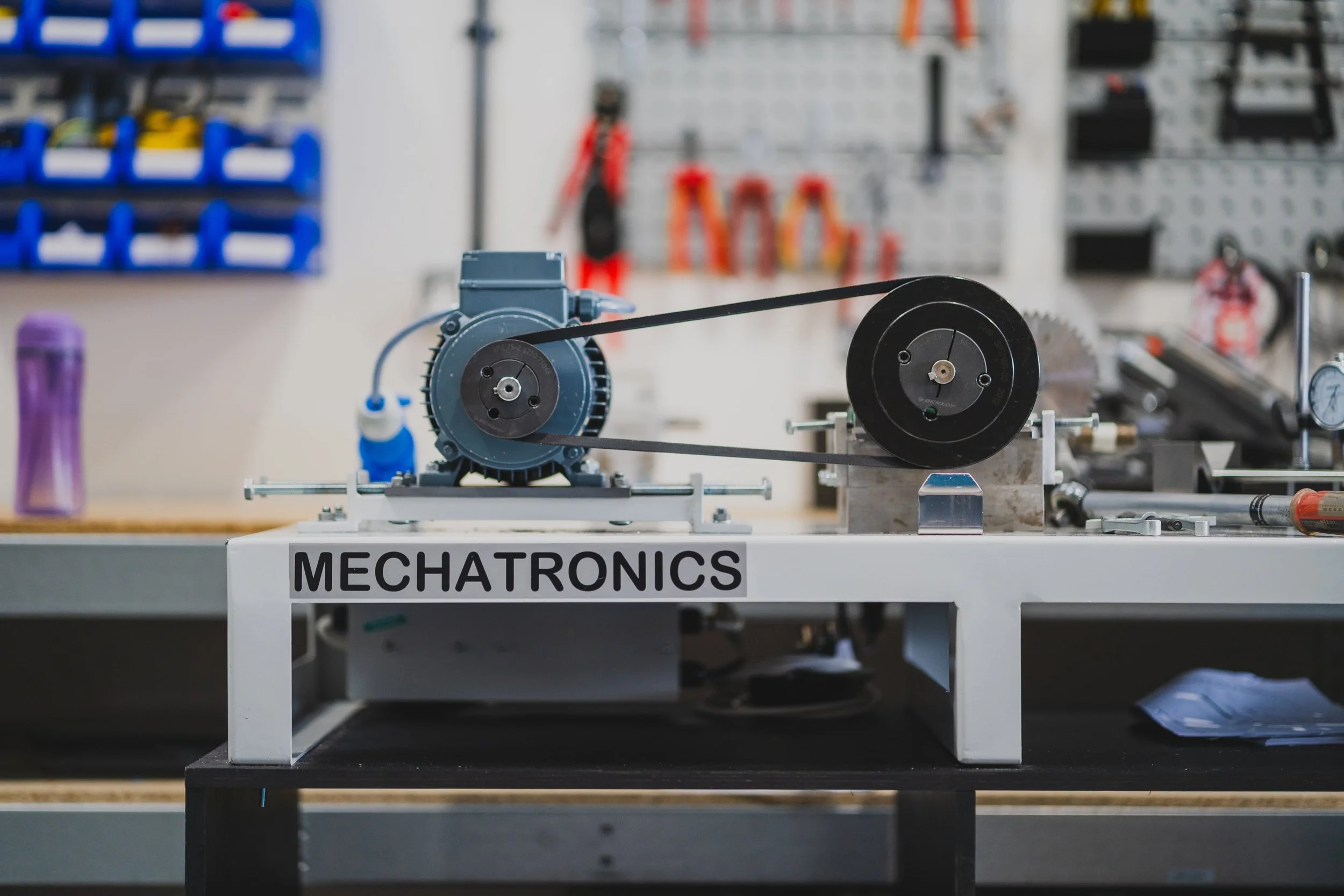
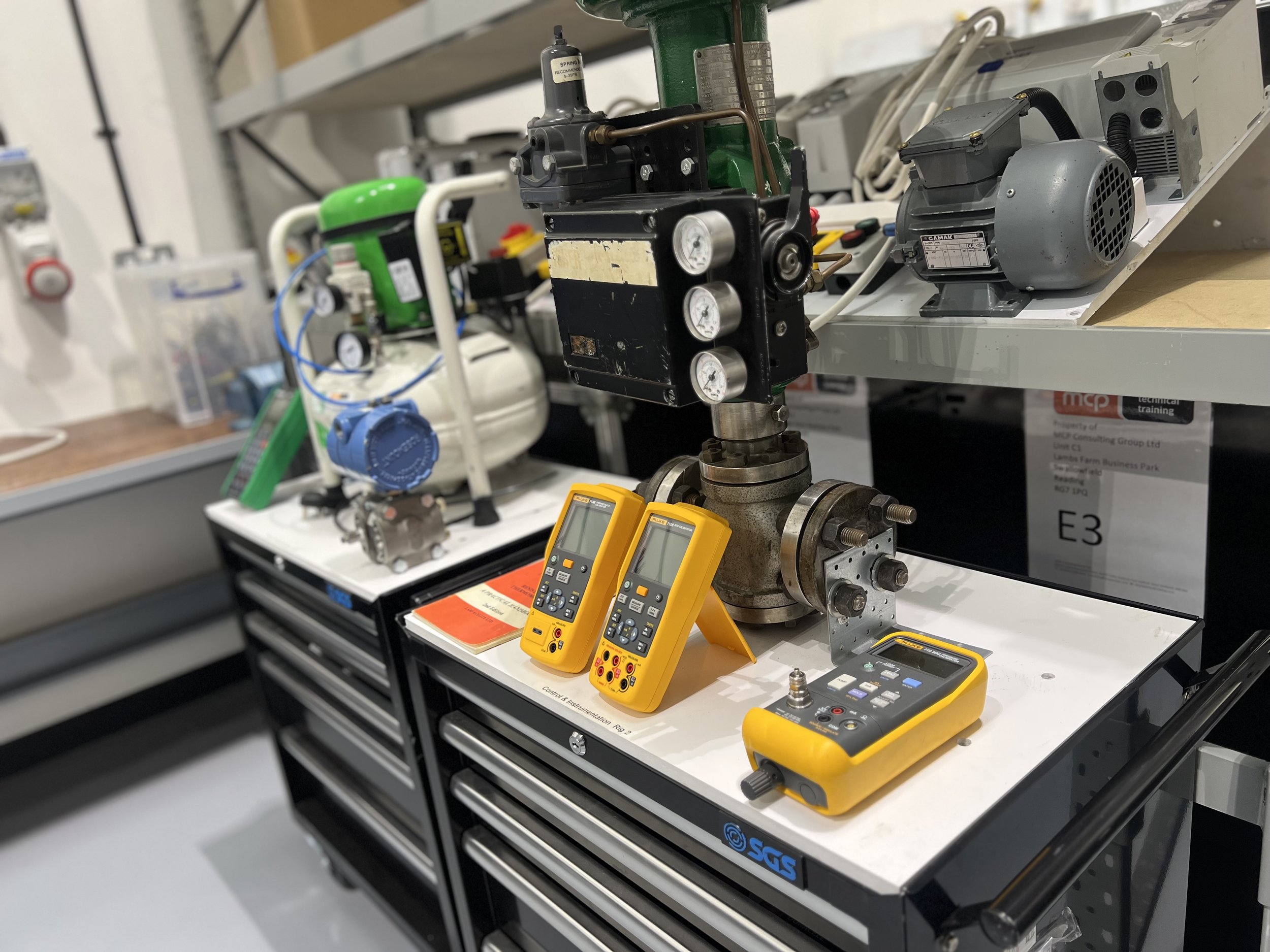
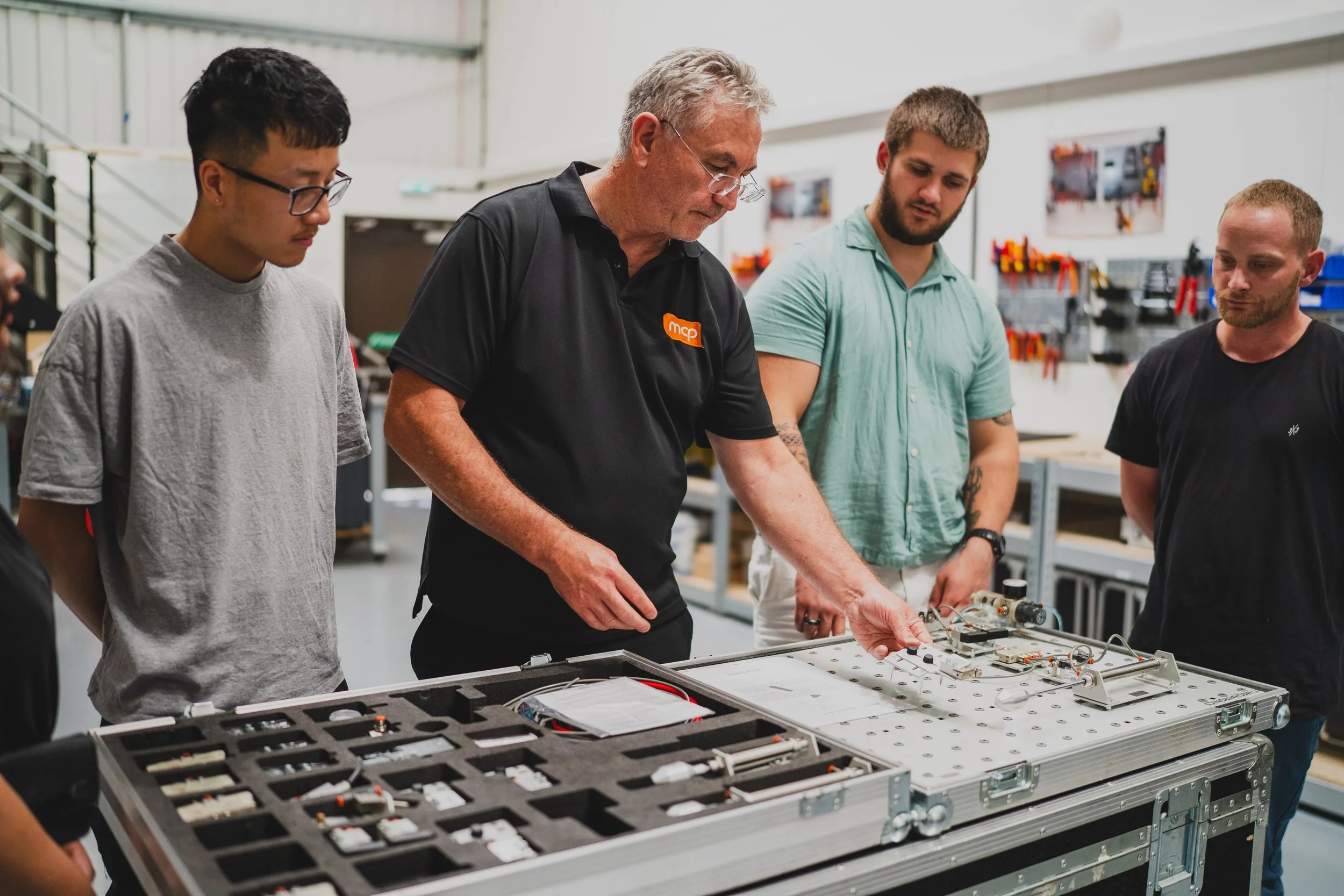
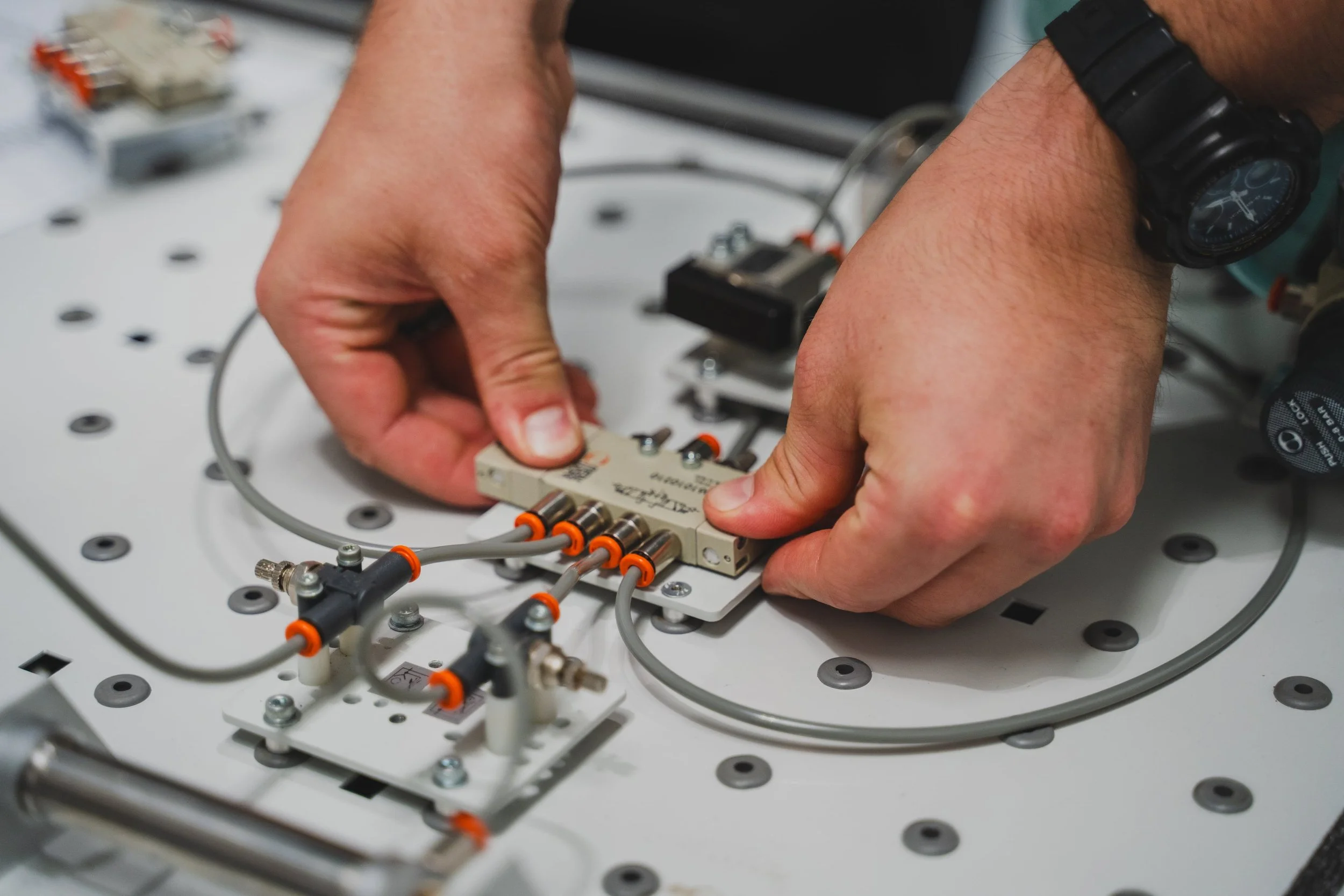
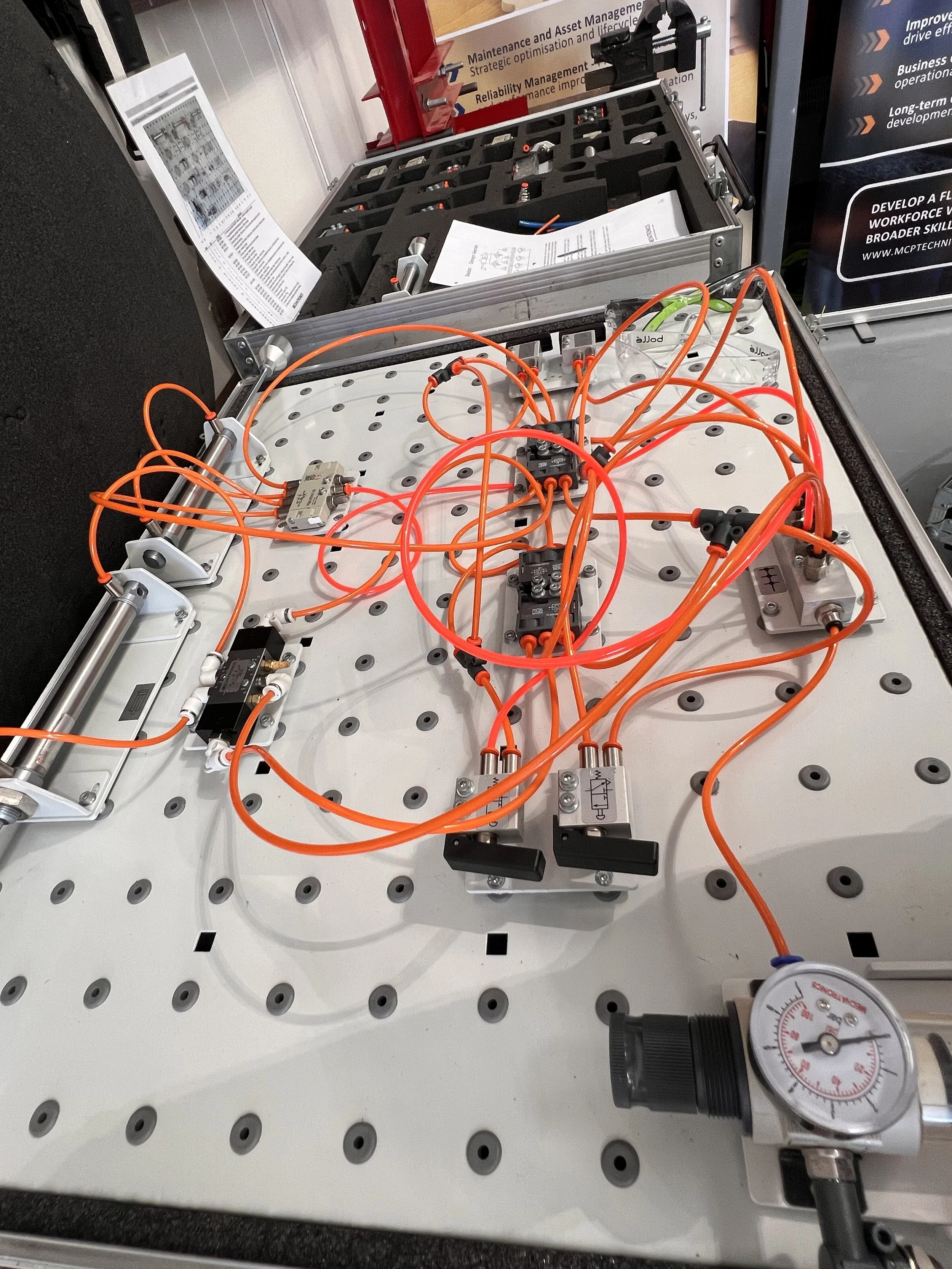
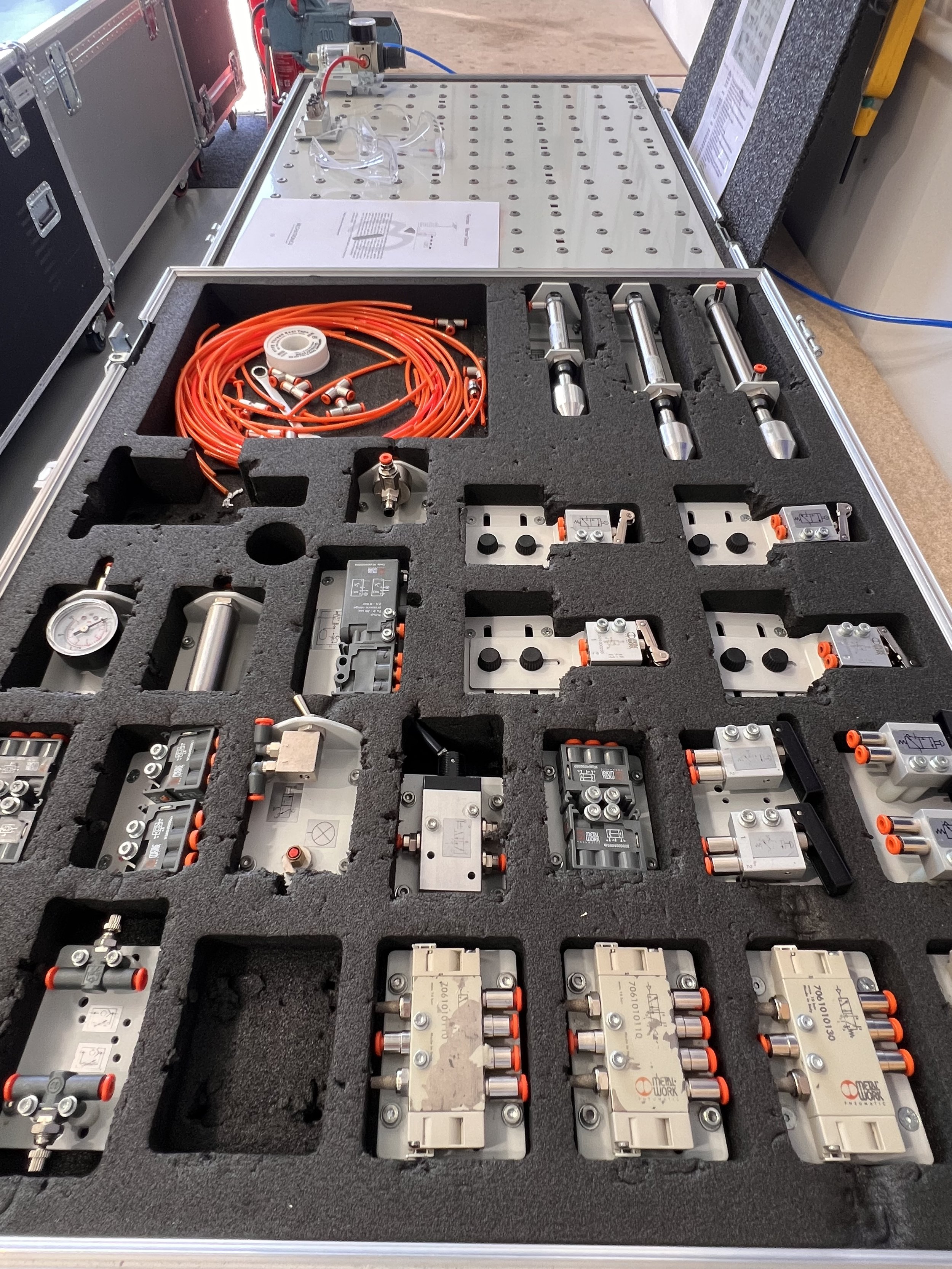
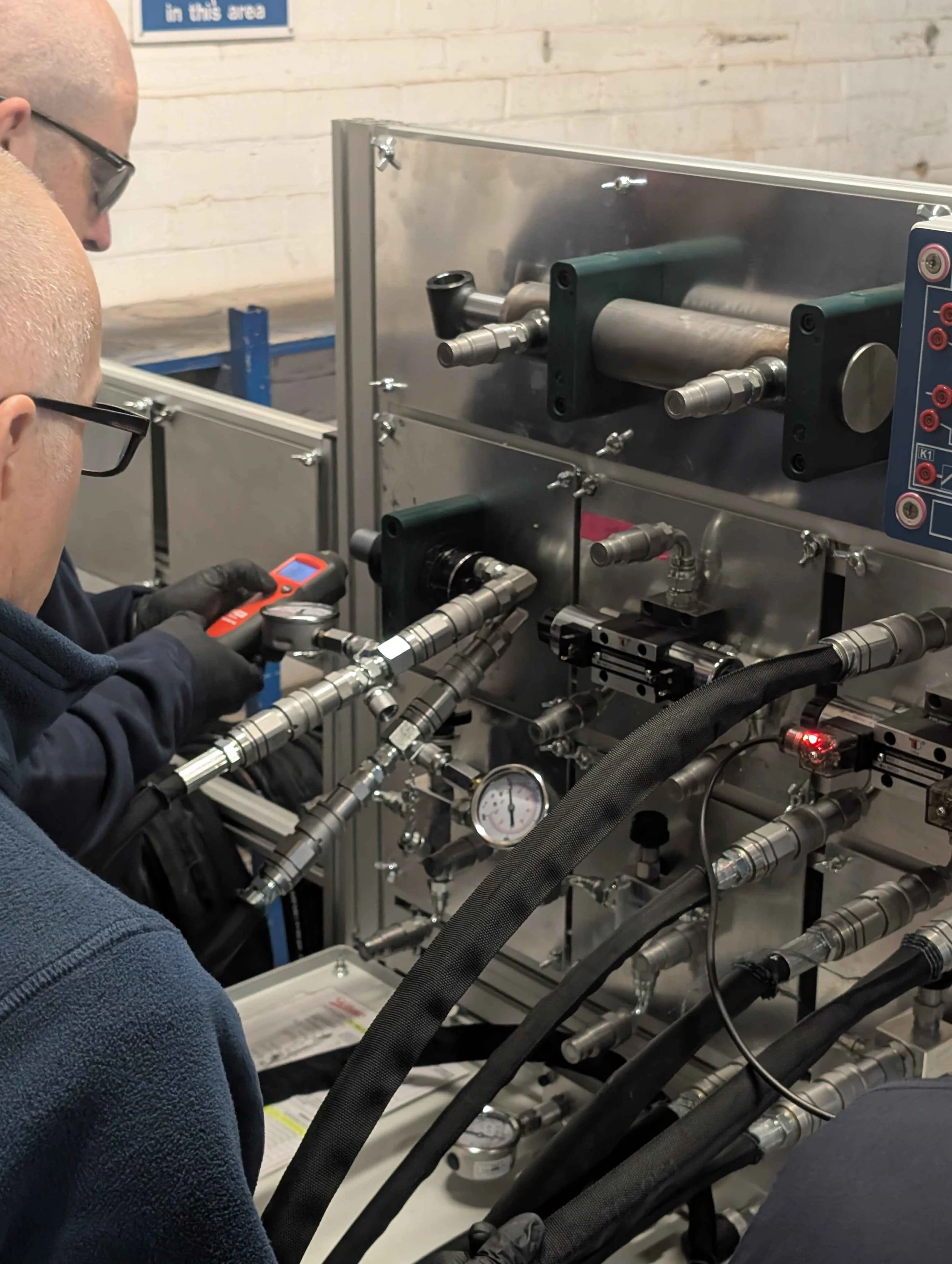
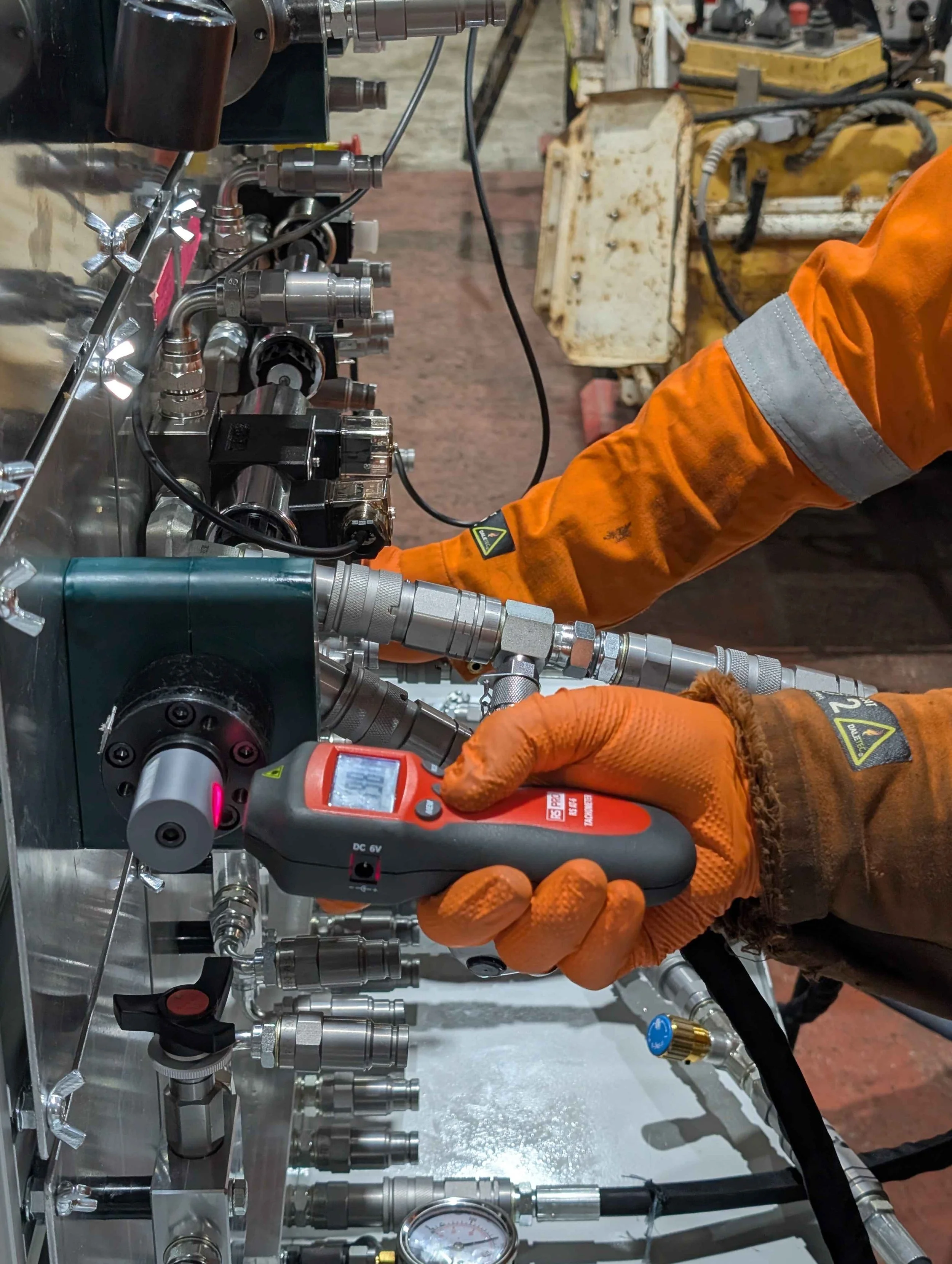
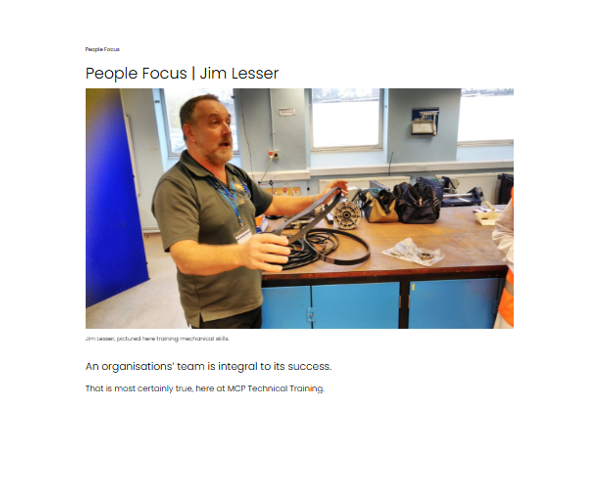
Practical training forms an important part of Hydraulics Training Level 1.
Delegates have the opportunity to apply the principles covered during the course through practical exercises, developing greater familiarity with hydraulic components, circuits and systems.
The practical element supports delegates in connecting underpinning hydraulic theory with the operation and adjustment of equipment they may encounter within the workplace.
Practical assessment also forms part of the course.
HANDS-ON TRAINING
<
HANDS-ON TRAINING <
HANDS-ON TRAINING
>
HANDS-ON TRAINING >
HANDS-ON TRAINING
<
HANDS-ON TRAINING <








WHAT YOU WILL
Learn
Hydraulics Training Level 1 develops knowledge and understanding across the fundamental principles, components and operation of hydraulic systems.

Hydraulic
Principles
Develop an understanding of the fundamental principles underpinning hydraulic systems, including pressure, flow and the behaviour of hydraulic fluid.
Hydraulic Fluids & Contamination
Develop knowledge of hydraulic fluids and their role within a system, together with the importance of cleanliness, filtration and contamination control.
Pumps &
Actuators
Develop an understanding of hydraulic pumps and actuators, their operation and their application within hydraulic systems.
Hydraulic
Valves
Learn about the function and operation of hydraulic valves and how they are used to control pressure, flow and direction within a system.
Accumulators & Hydraulic Components
Develop knowledge of accumulators and other components commonly encountered within hydraulic systems.
Hydraulic Circuits & Systems
Develop an understanding of how individual hydraulic components work together within a system and how hydraulic circuits operate.
HYDRAULICS SKILLS TRAINING
Level 1
Develop a Comprehensive Understanding of Hydraulic Systems
Delivered over four days, the course develops an understanding of the fundamental principles underpinning hydraulics, together with the function, operation and adjustment of a wide range of hydraulic components.
Delegates develop their knowledge through technical learning and practical application, helping them understand how hydraulic systems and components operate and how this knowledge relates to equipment encountered within engineering and maintenance environments.
No previous hydraulics course is required, although delegates should have an engineering background such as an apprenticeship or appropriate engineering qualification.
Delegates who successfully complete the course and associated practical assessment will receive an MCP Technical Training Certificate.
WHY DEVELOP
Hydraulic Knowledge and Capability
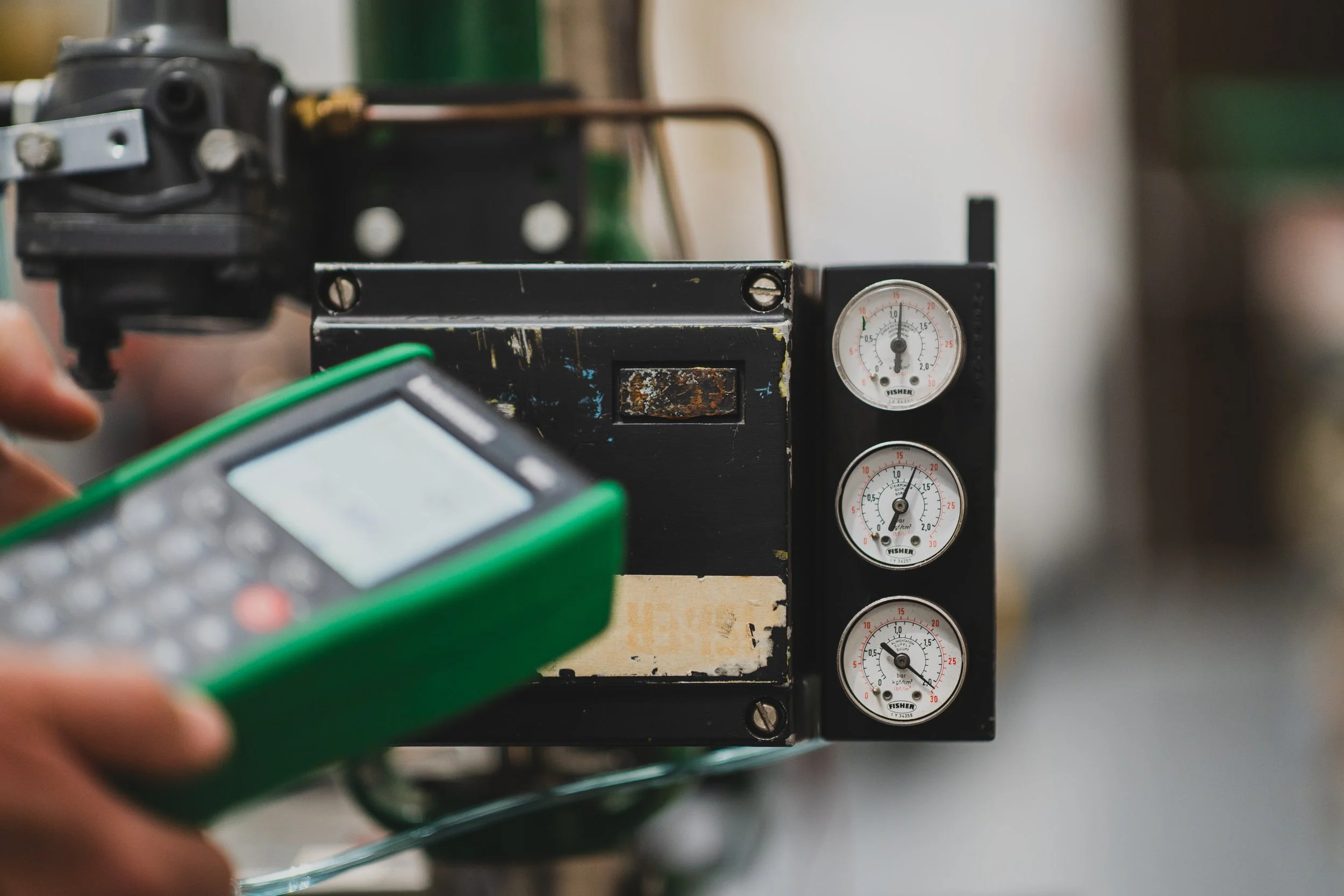
Understanding the principles behind hydraulic systems is important for engineers and technicians who need to work effectively with fluid power equipment.
Hydraulics Training Level 1 provides delegates with a structured introduction to the principles of hydraulics before developing their understanding of the components and systems commonly encountered within hydraulic equipment.
The course explores areas including pressure and flow, hydraulic fluids, pumps, actuators, valves, accumulators, filtration and contamination control, helping delegates understand both individual components and their role within a hydraulic system.
Practical exercises reinforce the technical learning and allow delegates to develop greater familiarity with hydraulic systems and components.
IS THIS COURSE
Right for You?
Hydraulics Training Level 1 is an entry-level course designed for people with a technical or engineering background who need to develop a comprehensive understanding of hydraulic systems.
No previous hydraulics course is required.
It is particularly suitable for:
» Maintenance Technicians
» Mechanical Maintenance Engineers
» Multi-skilled Maintenance Engineers
» Engineering Technicians
» Engineers working with hydraulic equipment
» Apprentices who have completed appropriate engineering training
» Technical personnel looking to develop hydraulic knowledge
» Organisations looking to strengthen hydraulic capability within their engineering and maintenance teams
Delegates should have an engineering background, such as an apprenticeship or appropriate engineering qualification.
WHAT WILL YOU
Be Able to Do?
Following successful completion of Hydraulics Training Level 1, delegates will have developed a broader understanding of hydraulic principles, components and systems.
This includes greater confidence in:
» Understanding fundamental hydraulic principles
» Understanding pressure and flow
» Recognising common hydraulic components
» Understanding the function and operation of hydraulic pumps
» Understanding hydraulic actuators
» Understanding the operation and purpose of hydraulic valves
» Applying hydraulic knowledge during practical activities
» Understanding hydraulic fluids and their importance
» Recognising the importance of filtration and contamination control
» Understanding accumulators and their role within hydraulic systems
» Understanding how components interact within hydraulic circuits
ASSESSMENT &
Certification
Hydraulics Training Level 1 includes practical assessment as part of the four-day course.
Delegates who successfully complete the course and associated practical assessment will receive an MCP Technical Training Certificate.
The combination of technical learning, practical application and assessment provides a structured route for delegates with an engineering background to develop their knowledge and understanding of hydraulic systems.
COURSE
Syllabus
» Accumulators
» Hydraulic circuits
» Filtration
» Contamination control
» Hydraulic components and their operation
» Practical hydraulic exercises
» Practical assessment
» Fundamental hydraulic principles
» Pressure and flow
» Hydraulic fluids
» Hydraulic pumps
» Hydraulic actuators
» Directional control valves
» Pressure control valves
» Flow control valves
Continue Developing Your Hydraulic Skills
MCP Technical Training offers a range of hydraulics training options for different levels of knowledge and experience.
Hydraulics Training Level 1
Comprehensive Entry-level Hydraulic Training
(Current Course)
Hydraulics Training Level 2
Advanced Hydraulic Knowledge & Understanding
Ready to develop your
Develop a comprehensive understanding of hydraulic principles, components and systems with MCP Technical Training's four-day Hydraulics Training Level 1 course.
Whether you're developing your own technical capability or strengthening hydraulic knowledge within your engineering or maintenance team, Level 1 provides structured technical and practical training leading to an MCP Technical Training Certificate.
Hydraulics knowledge?
FAQs
-
The course is designed for people with a technical or engineering background who need to develop a comprehensive understanding of hydraulic principles, components and systems.
-
The course is delivered over four days and includes practical assessment.
-
The course covers fundamental hydraulic principles and a range of hydraulic components and systems, including pumps, actuators, valves, accumulators, hydraulic fluids, filtration and contamination control.
-
Delegates who successfully complete Hydraulics Training Level 1 and the associated practical assessment will receive an MCP Technical Training Certificate.
-
No previous hydraulics course is required. However, delegates should have an engineering background, such as an apprenticeship or appropriate engineering qualification.
-
Yes. Practical exercises form part of the course, allowing delegates to apply their hydraulic knowledge and develop familiarity with components and systems.