
Mechanical Skills Training
Pneumatics Course
Develop Practical Skills in Pneumatic Systems
Develop practical pneumatic skills with MCP's three-day Pneumatics Course, covering pneumatic systems, circuits, components, safety and maintenance.
COURSE AT A
Glance
Duration:
3 days
Delivery:
Practical classroom and workshop training
Locations:
Reading or On Site
Prerequisites:
Mechanical or electrical skills – no previous knowledge of pneumatics required
Certificate:
City & Guilds Accreditation Certificate – subject to passing the required examination/assessment.
Prices Quoted Exclude VAT
Course Type | Mechanical, Technical Skills
Certificate | City & Guilds Accreditation Certificate
Duration of Course | 3 Days
Location | Reading
PRACTICAL WORKSHOP
Experience
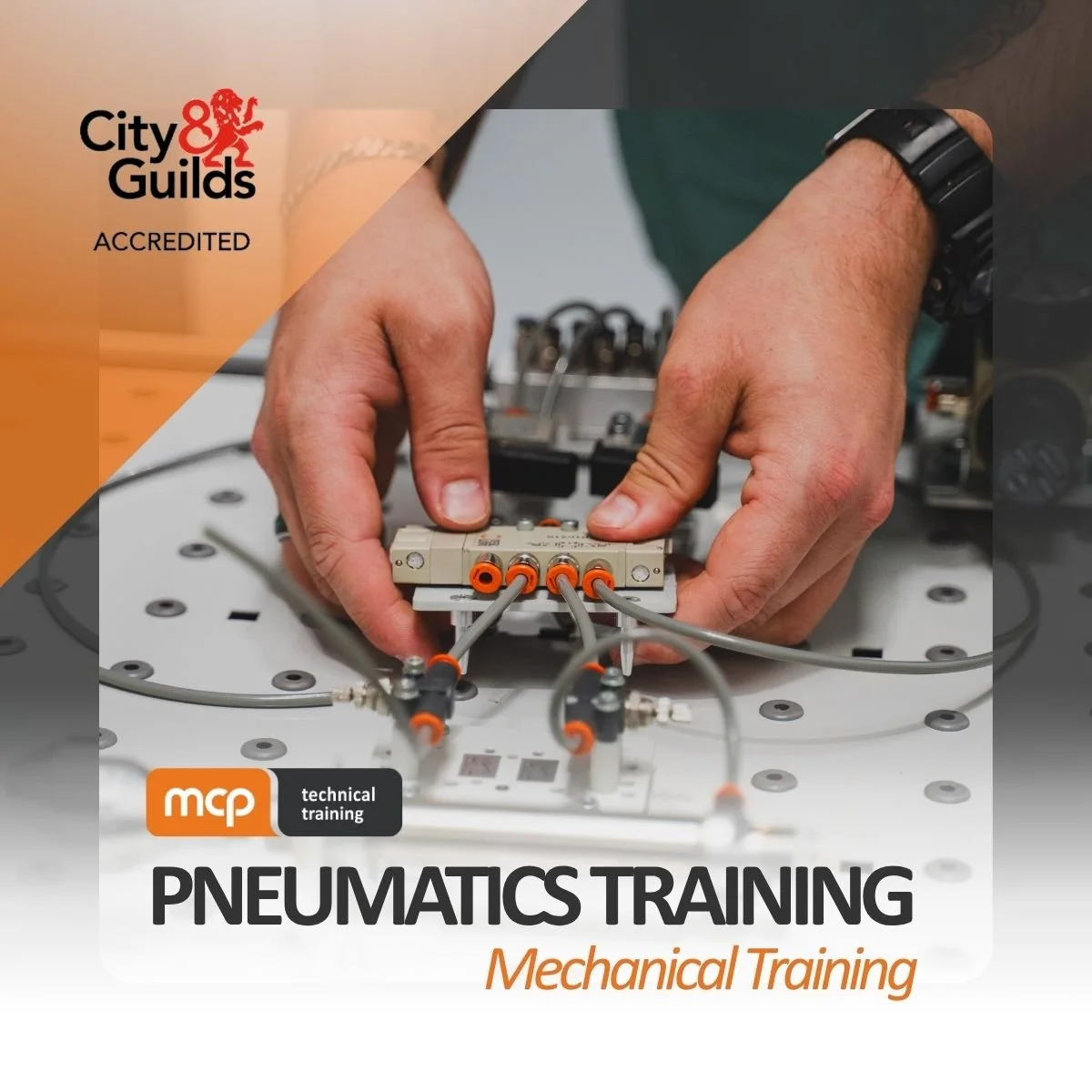
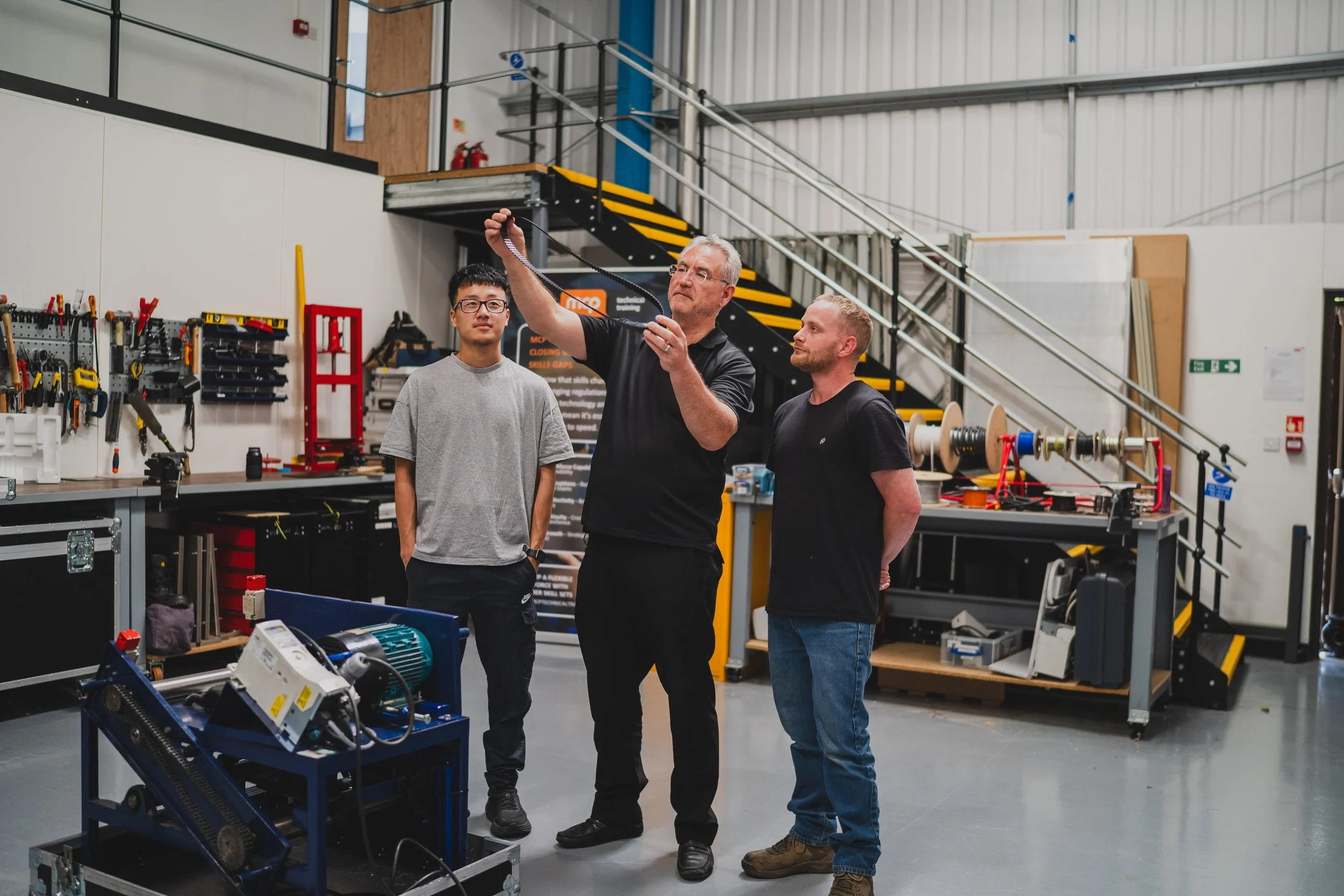
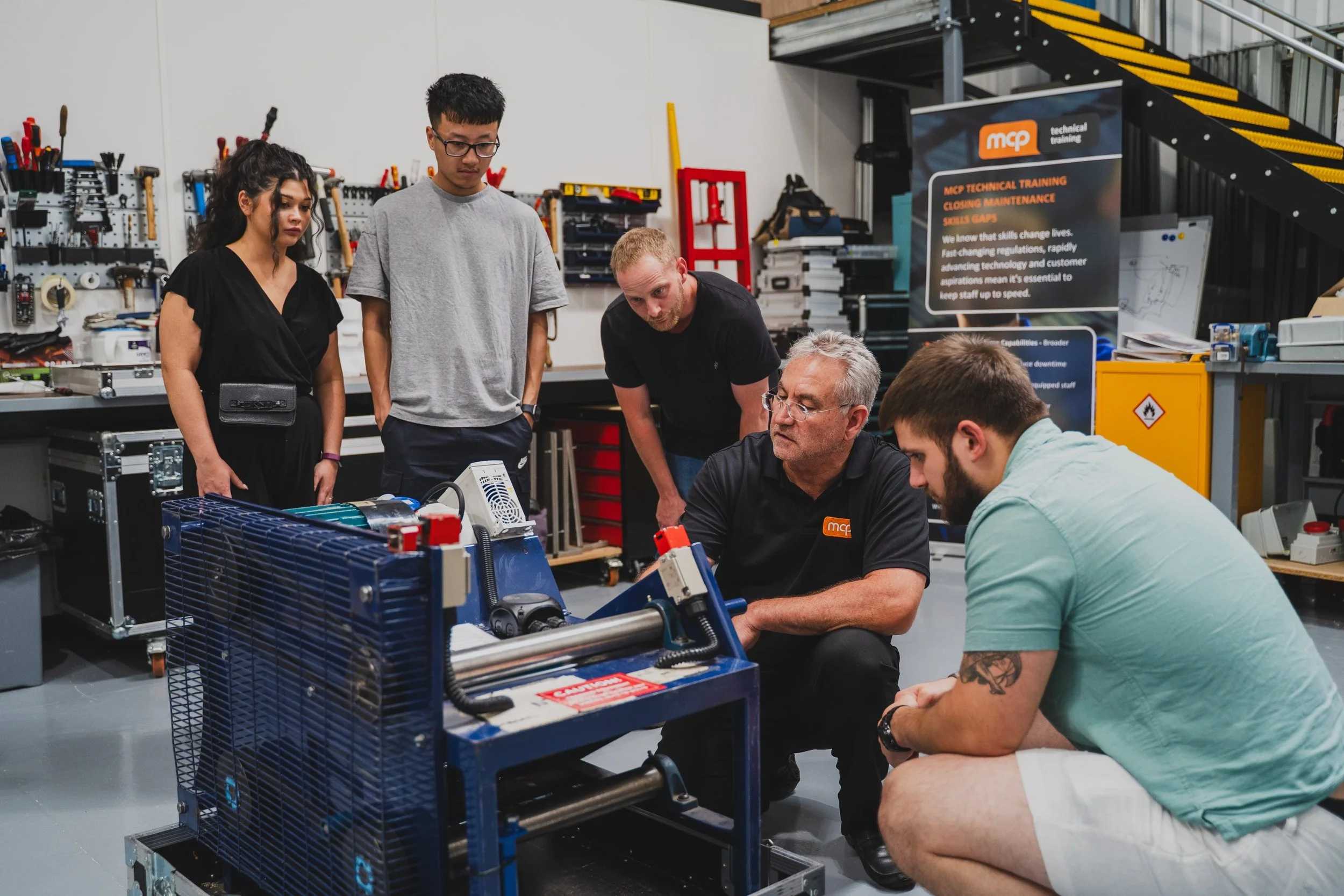
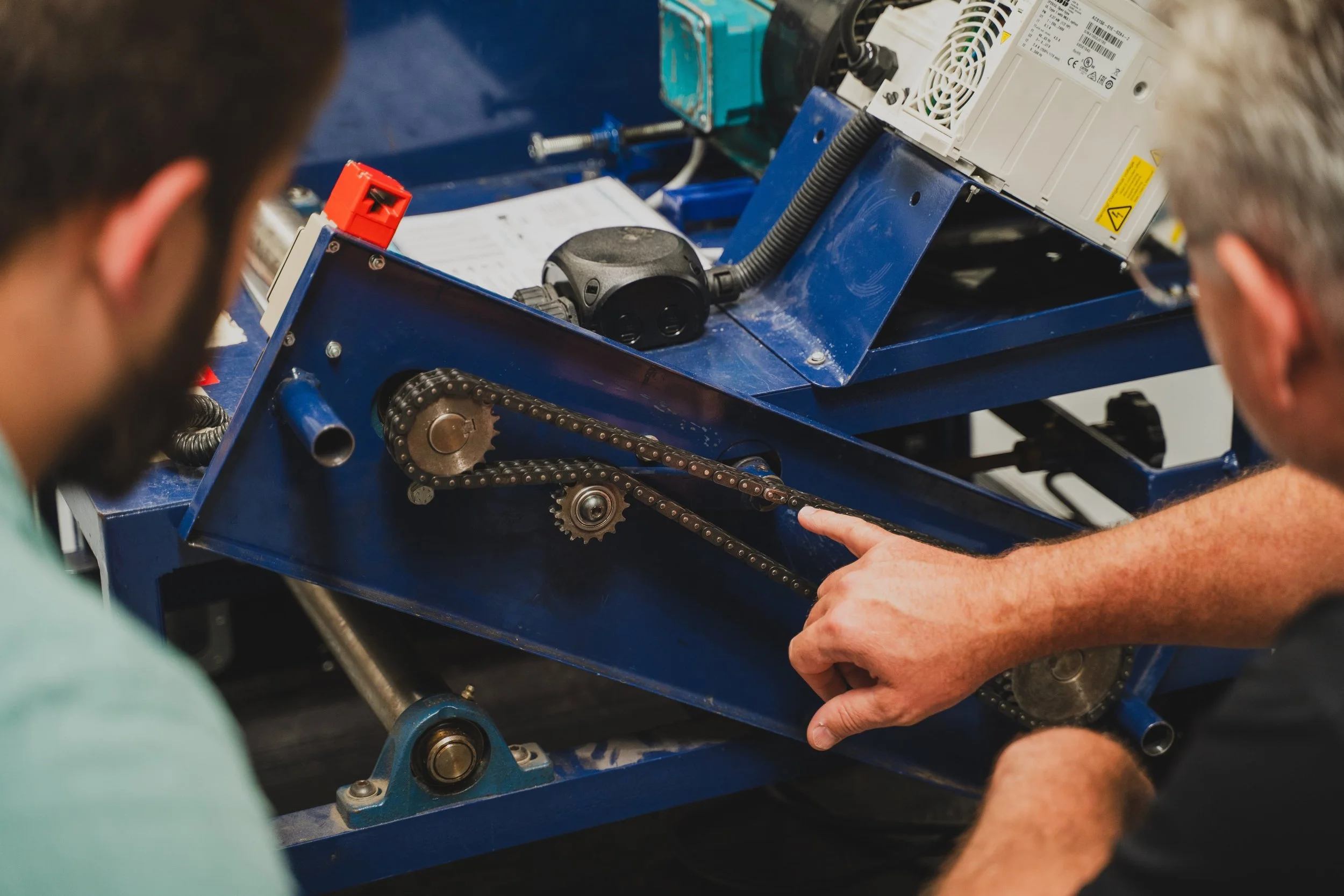
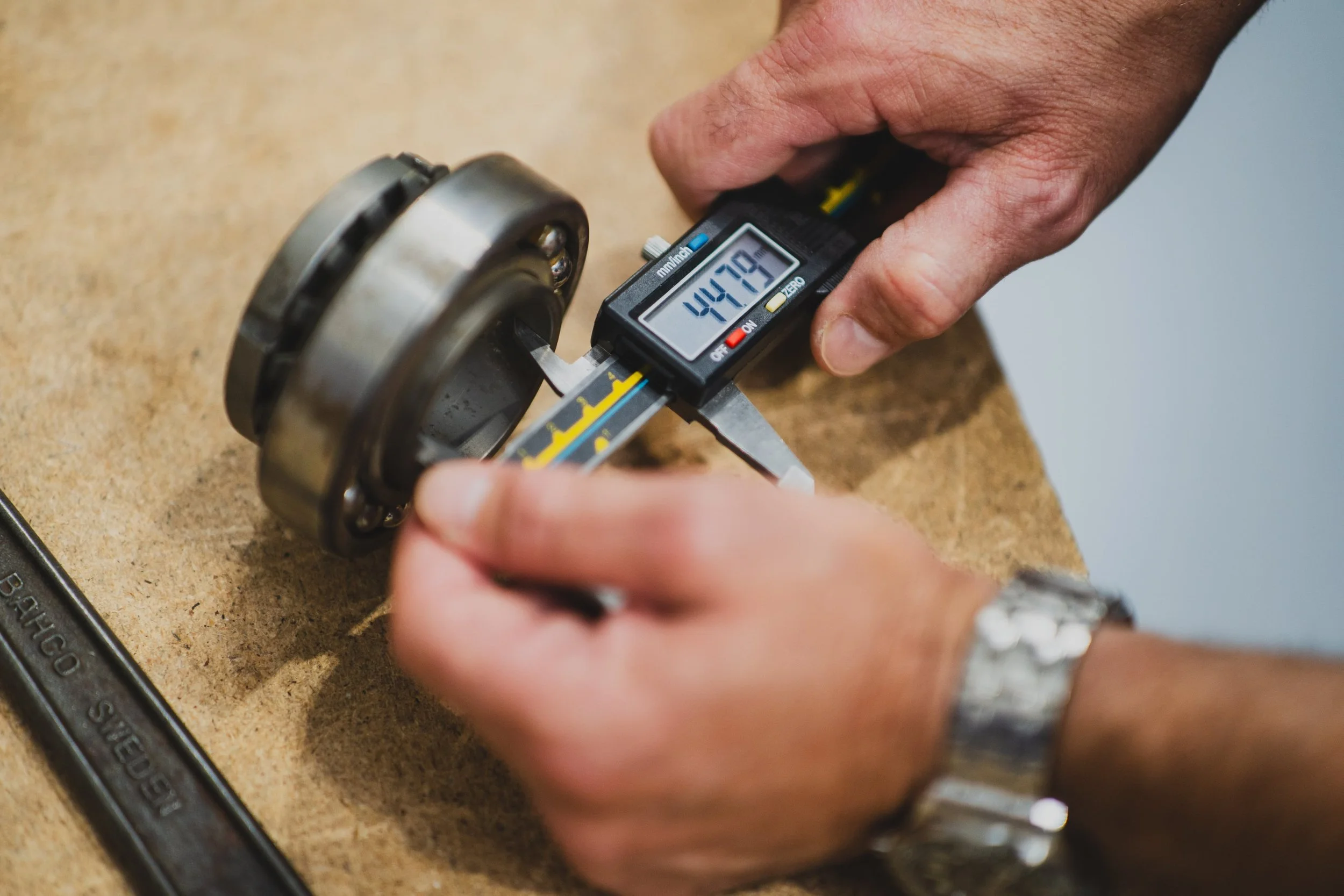
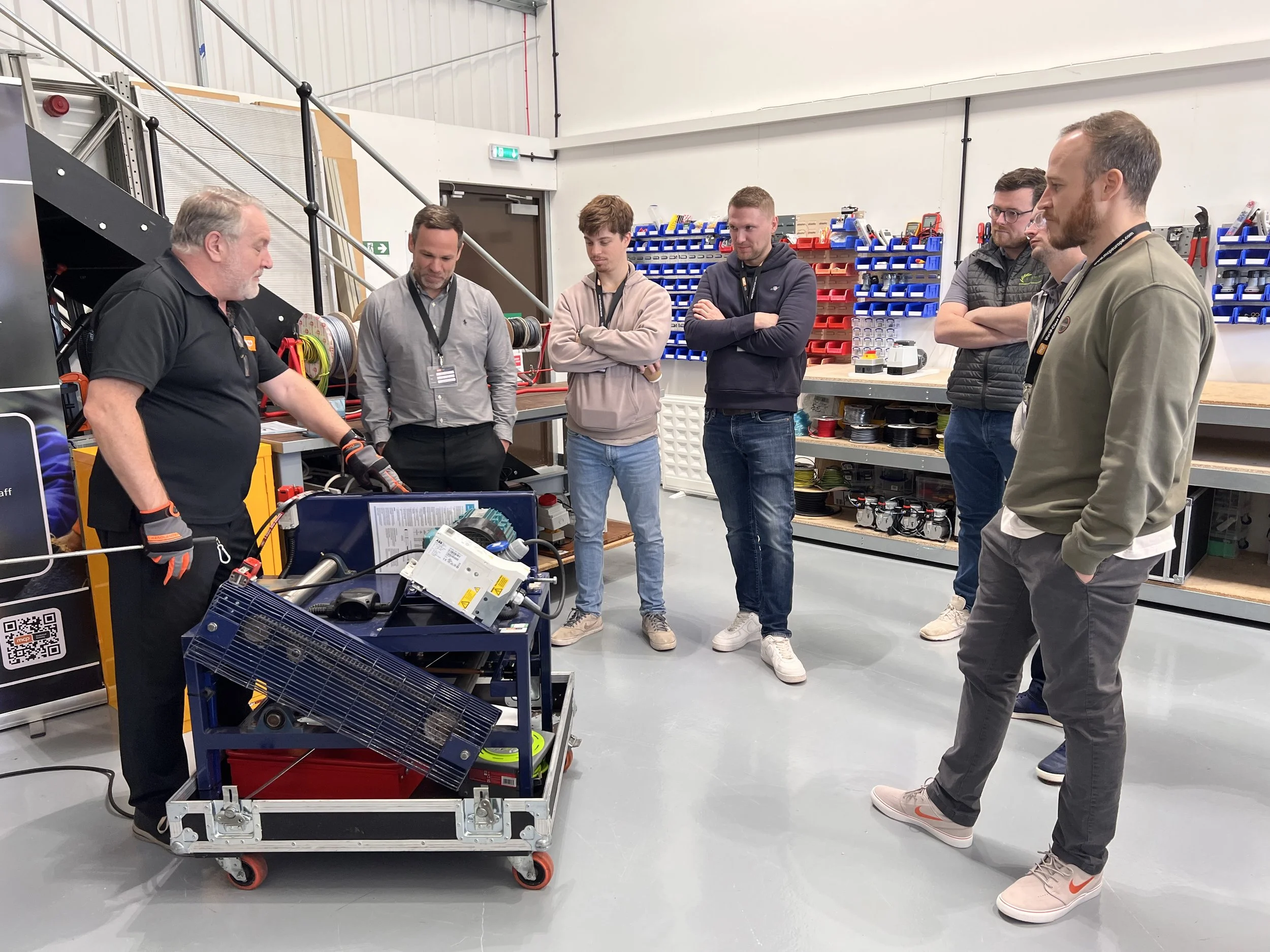
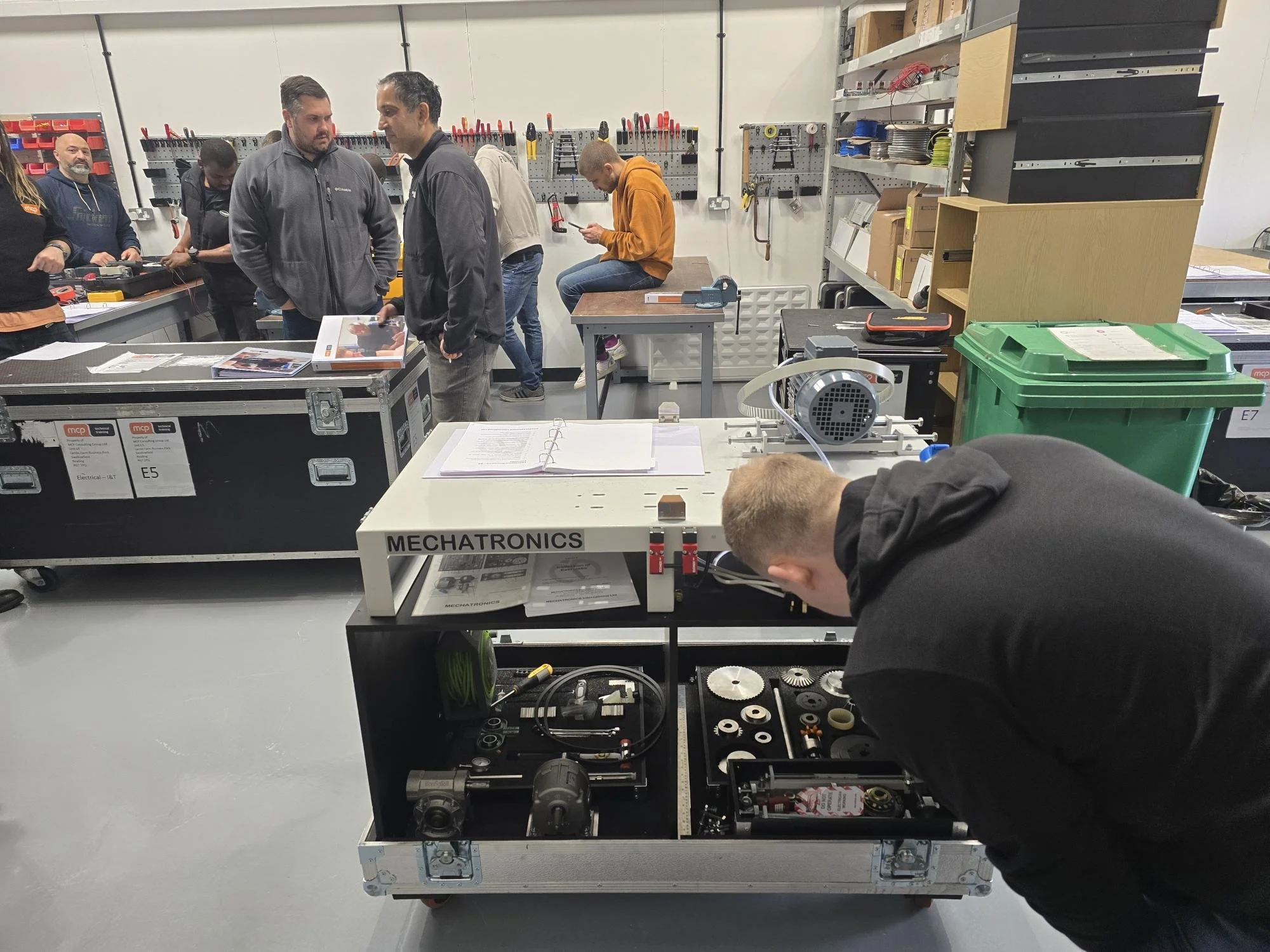
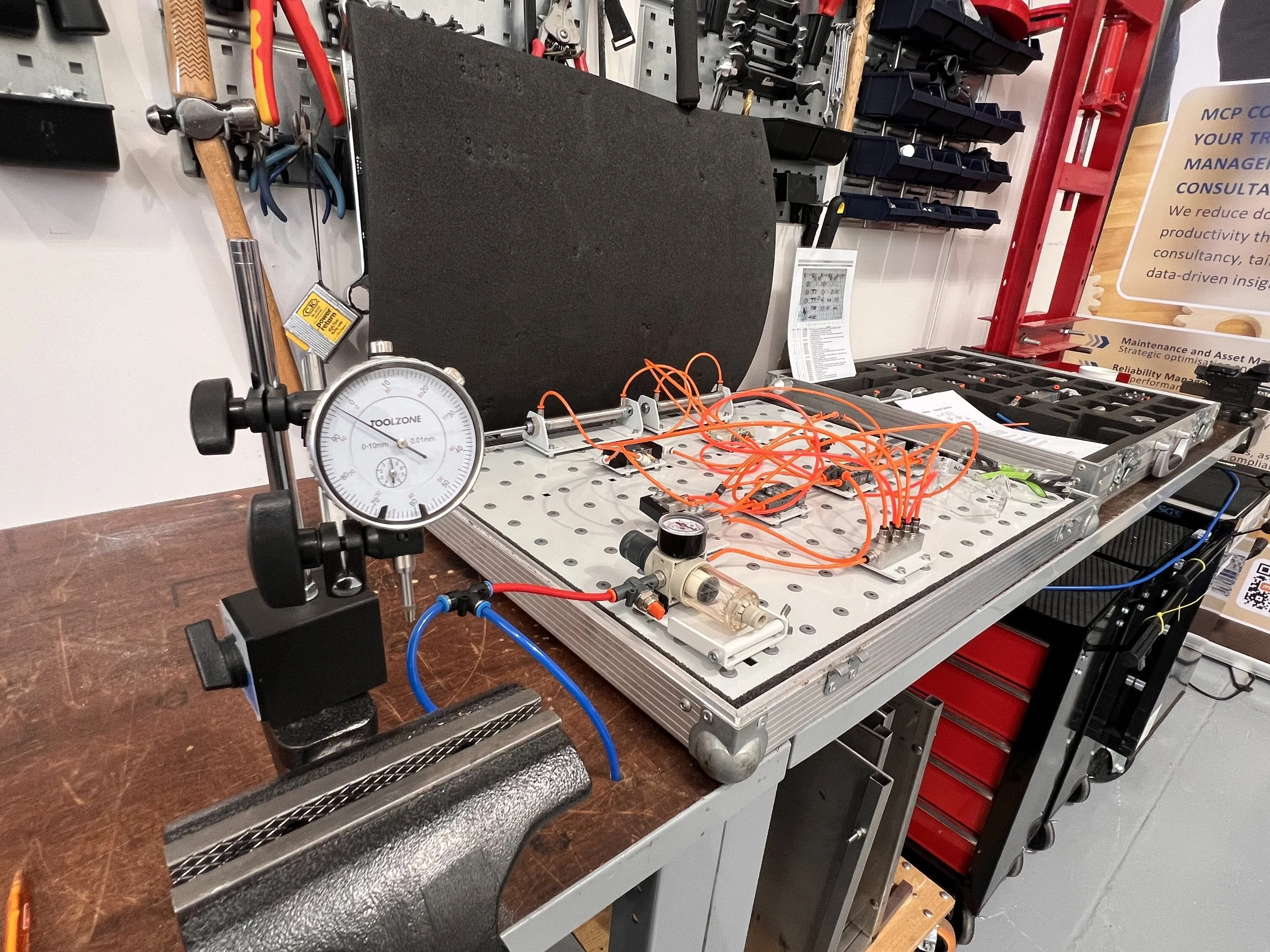
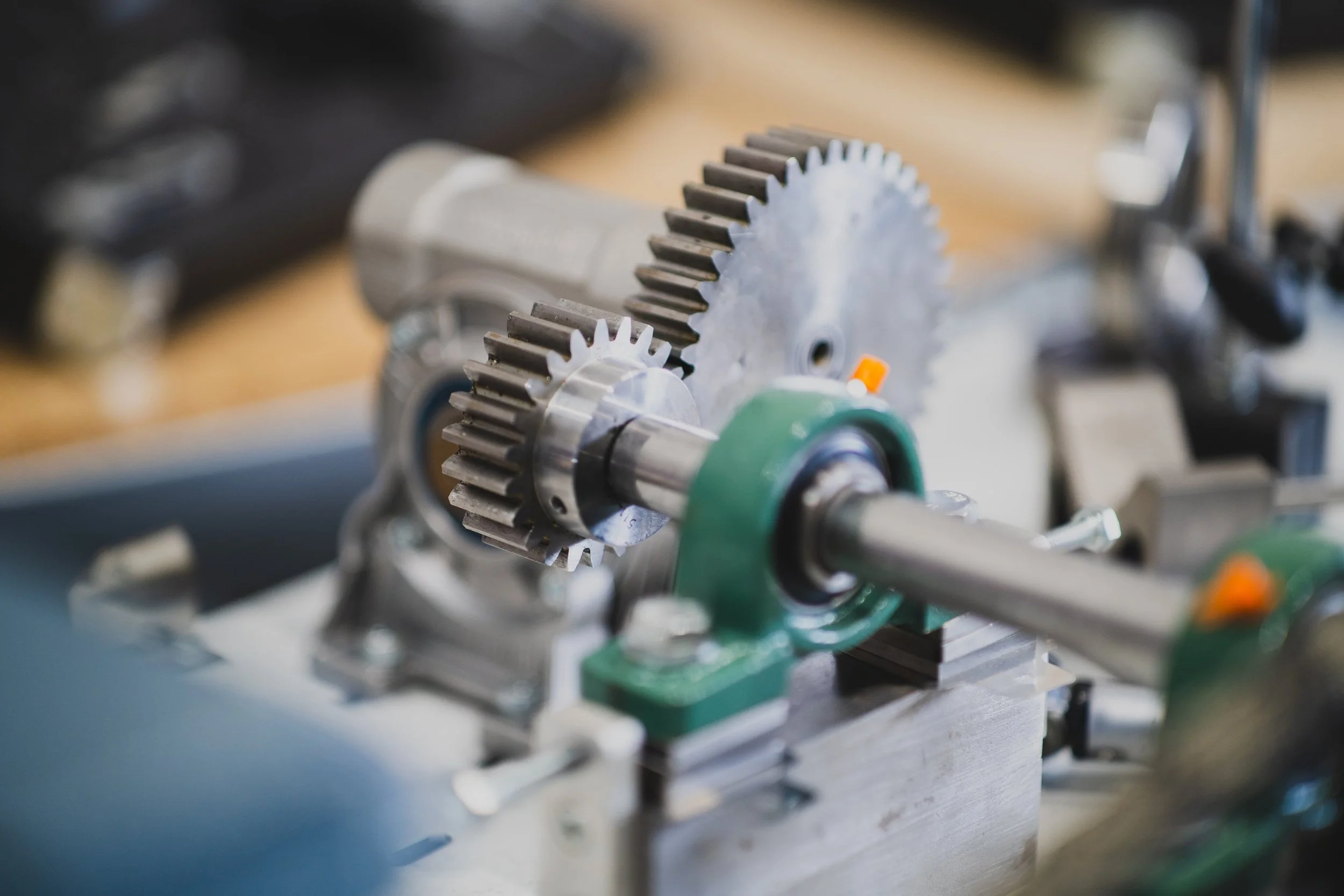
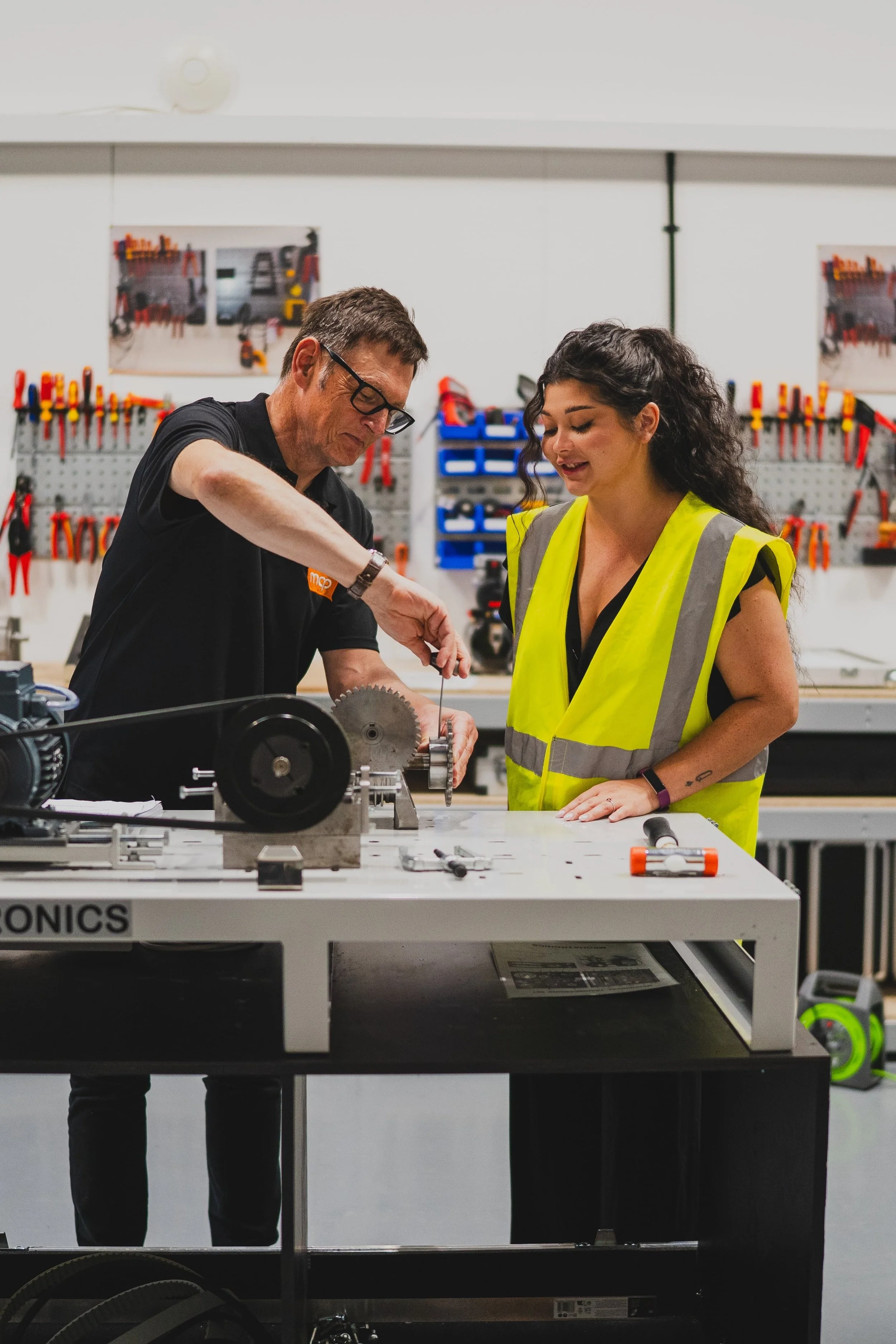
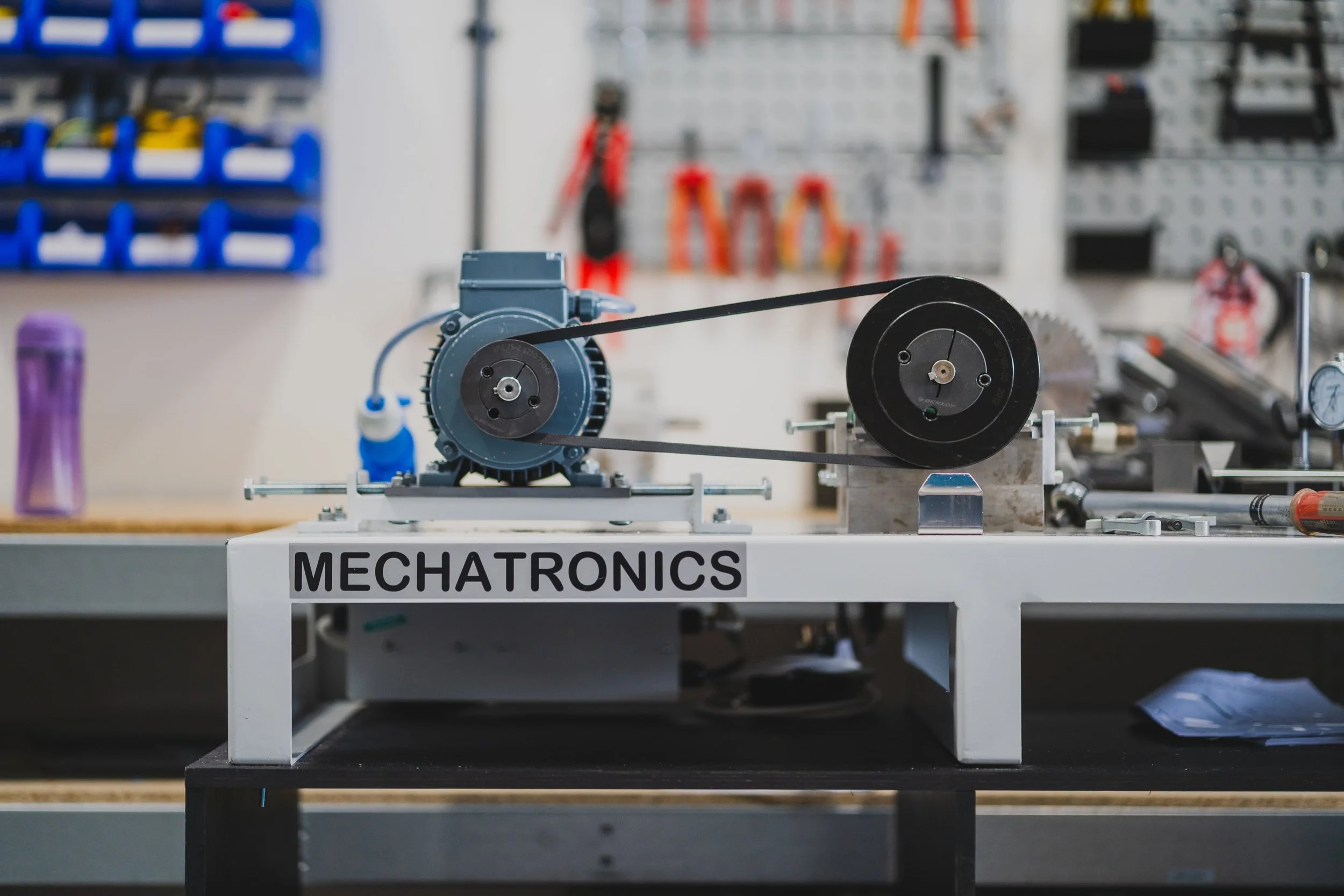
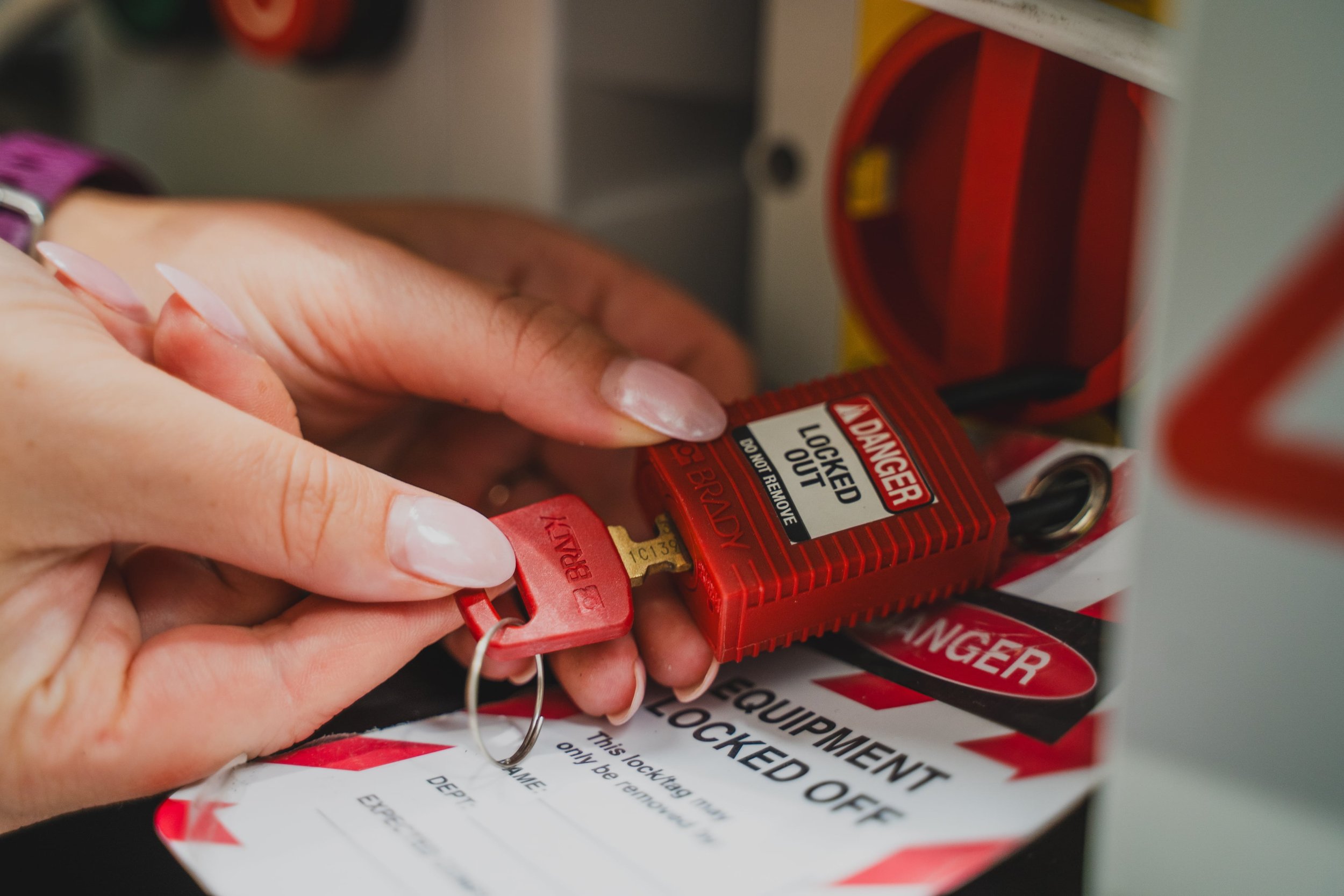
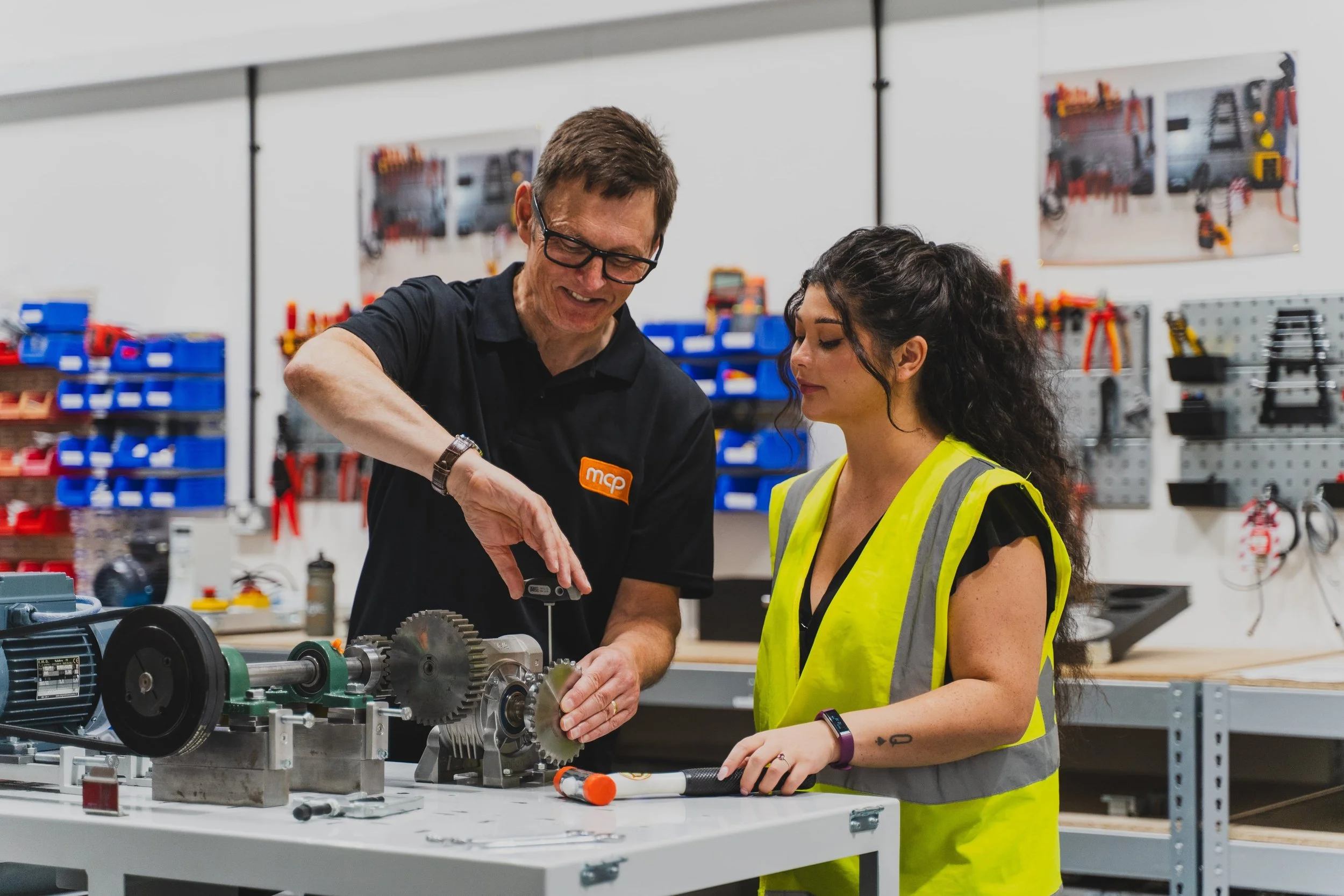
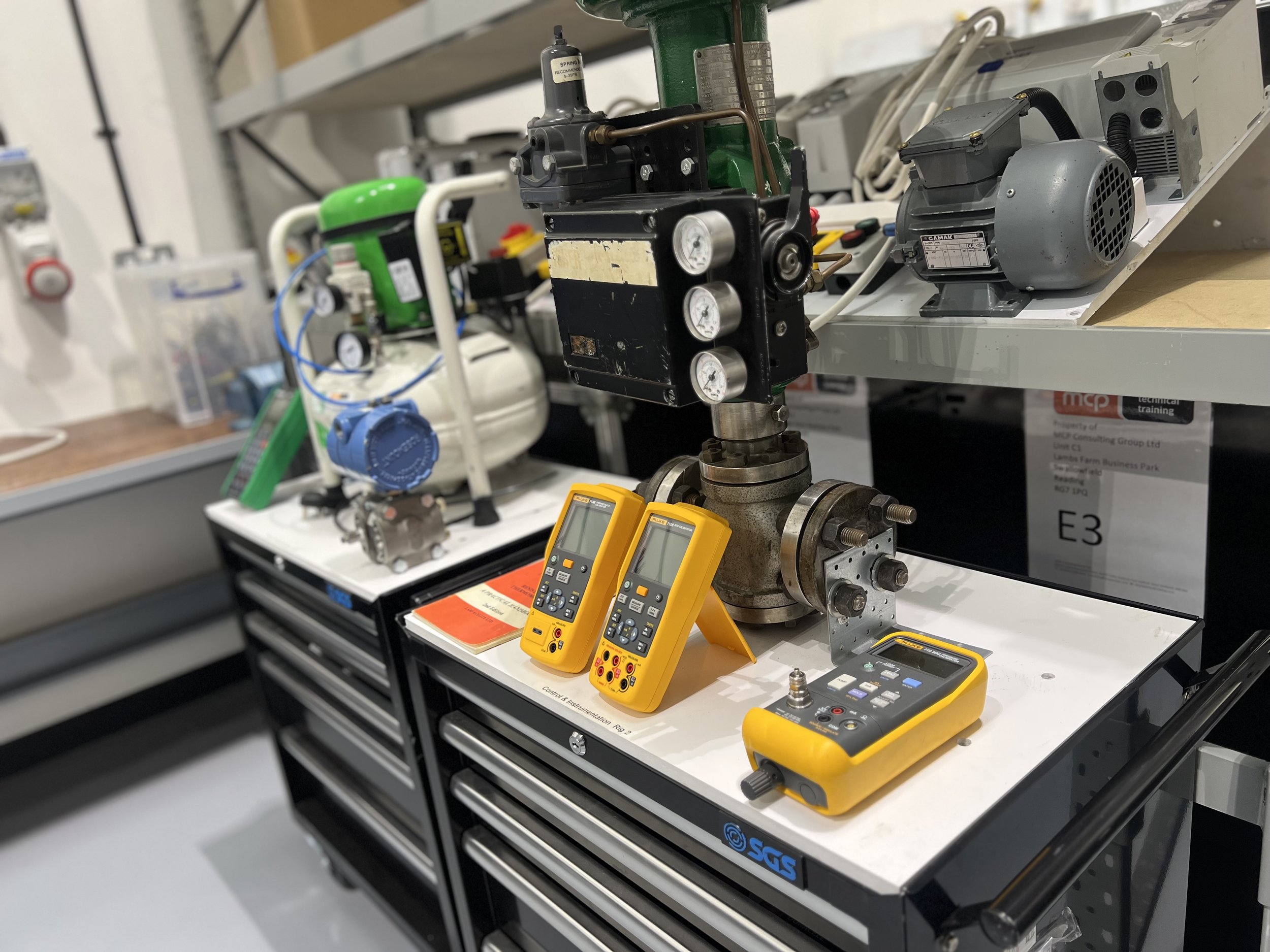
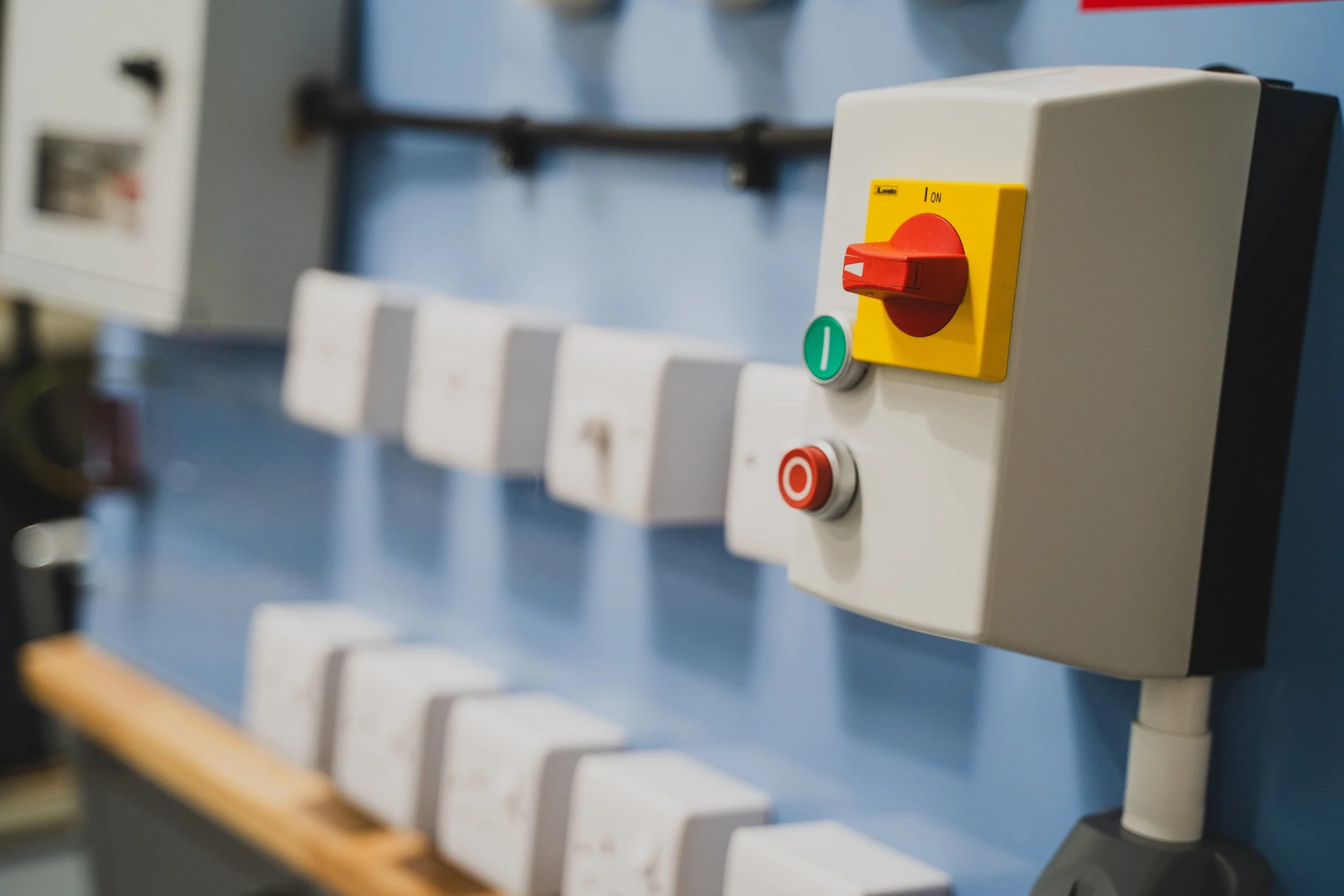
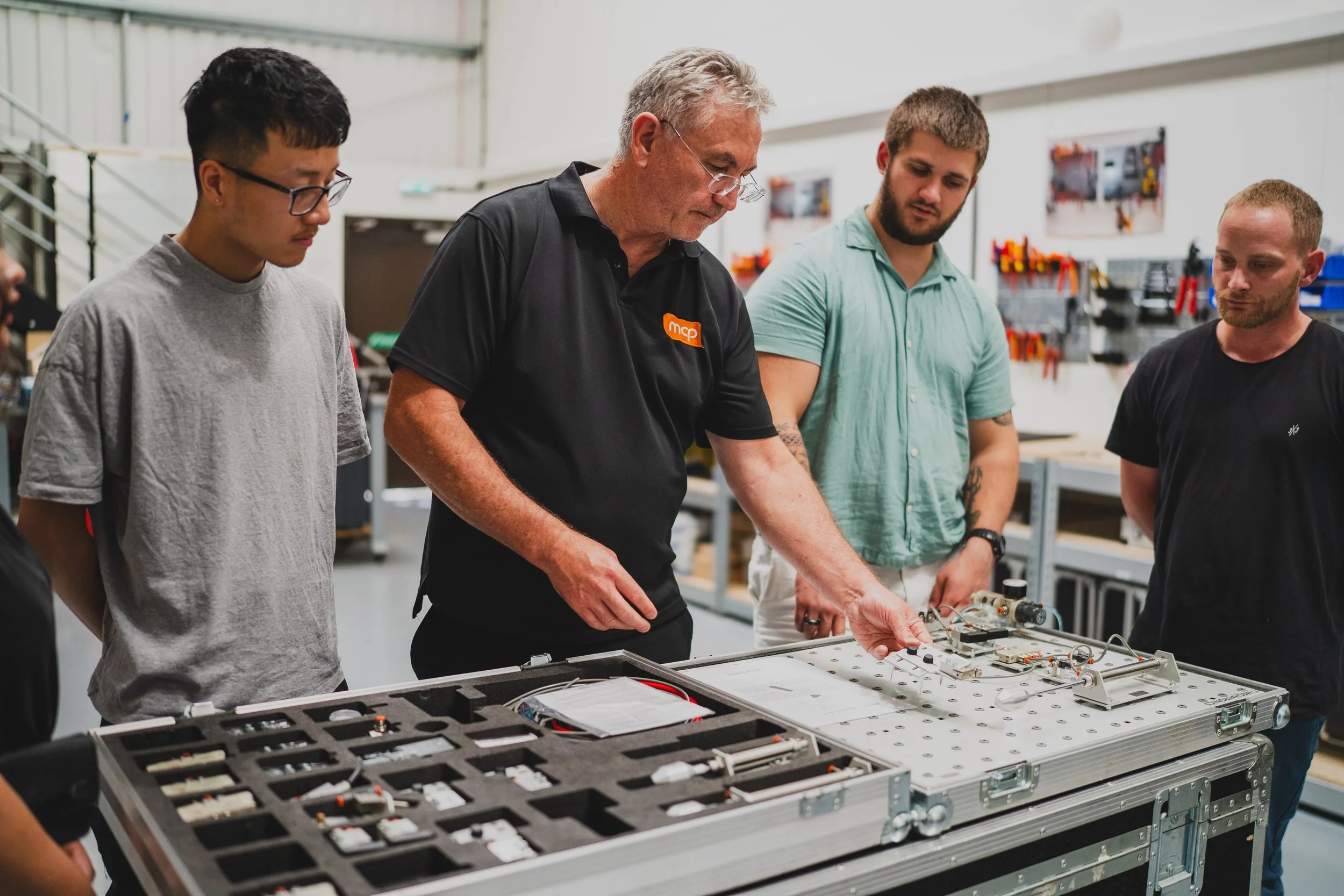
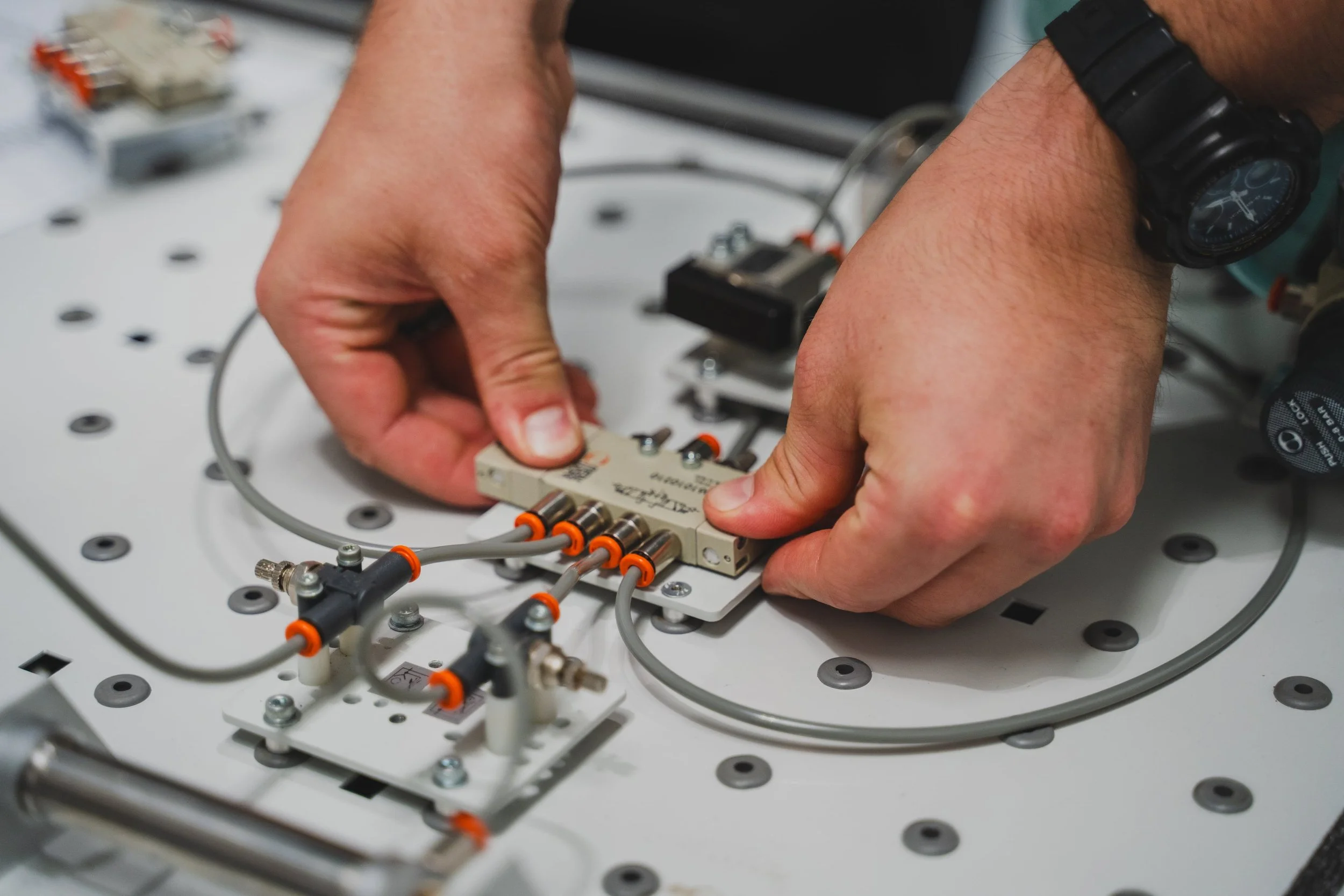
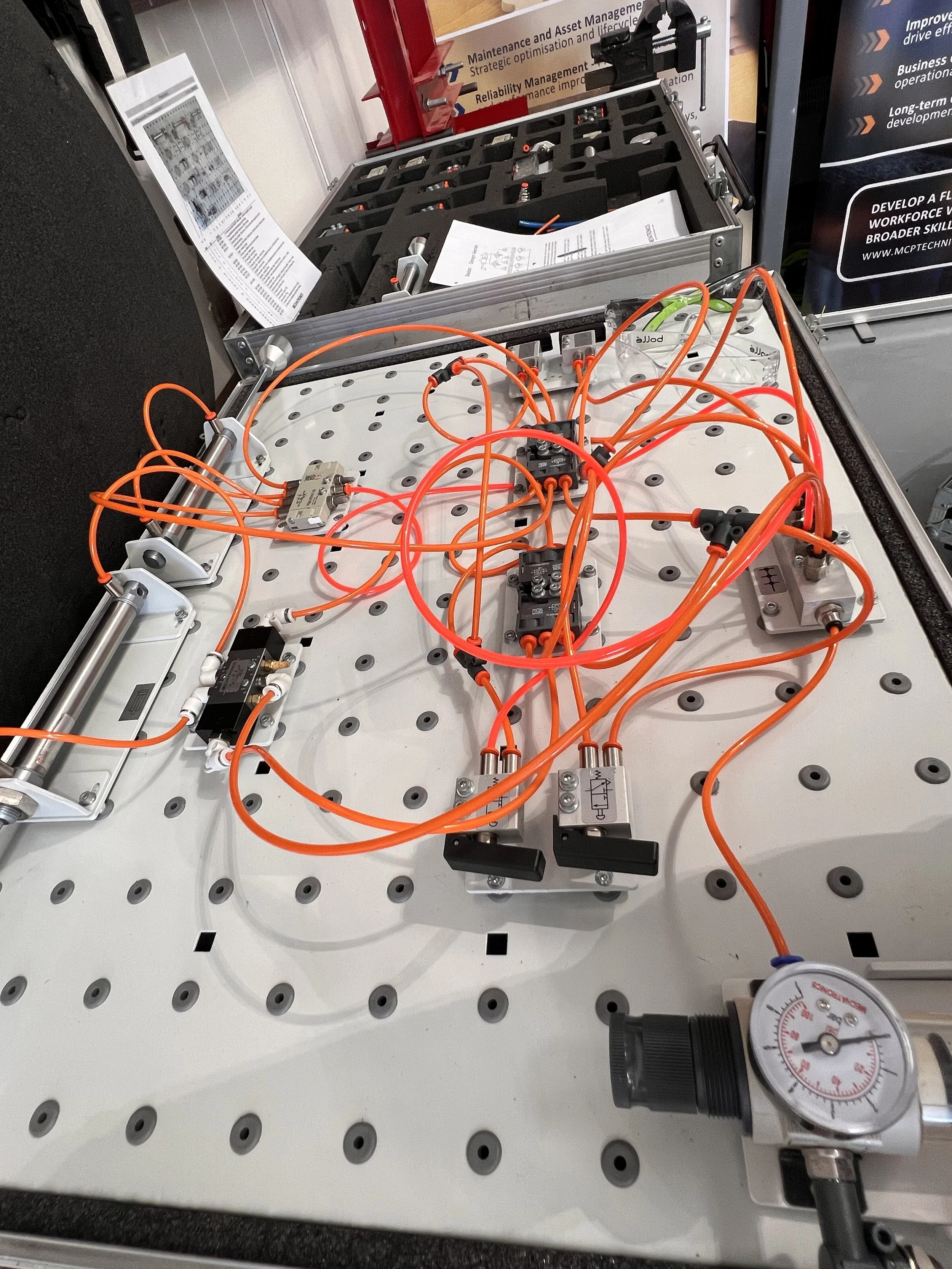
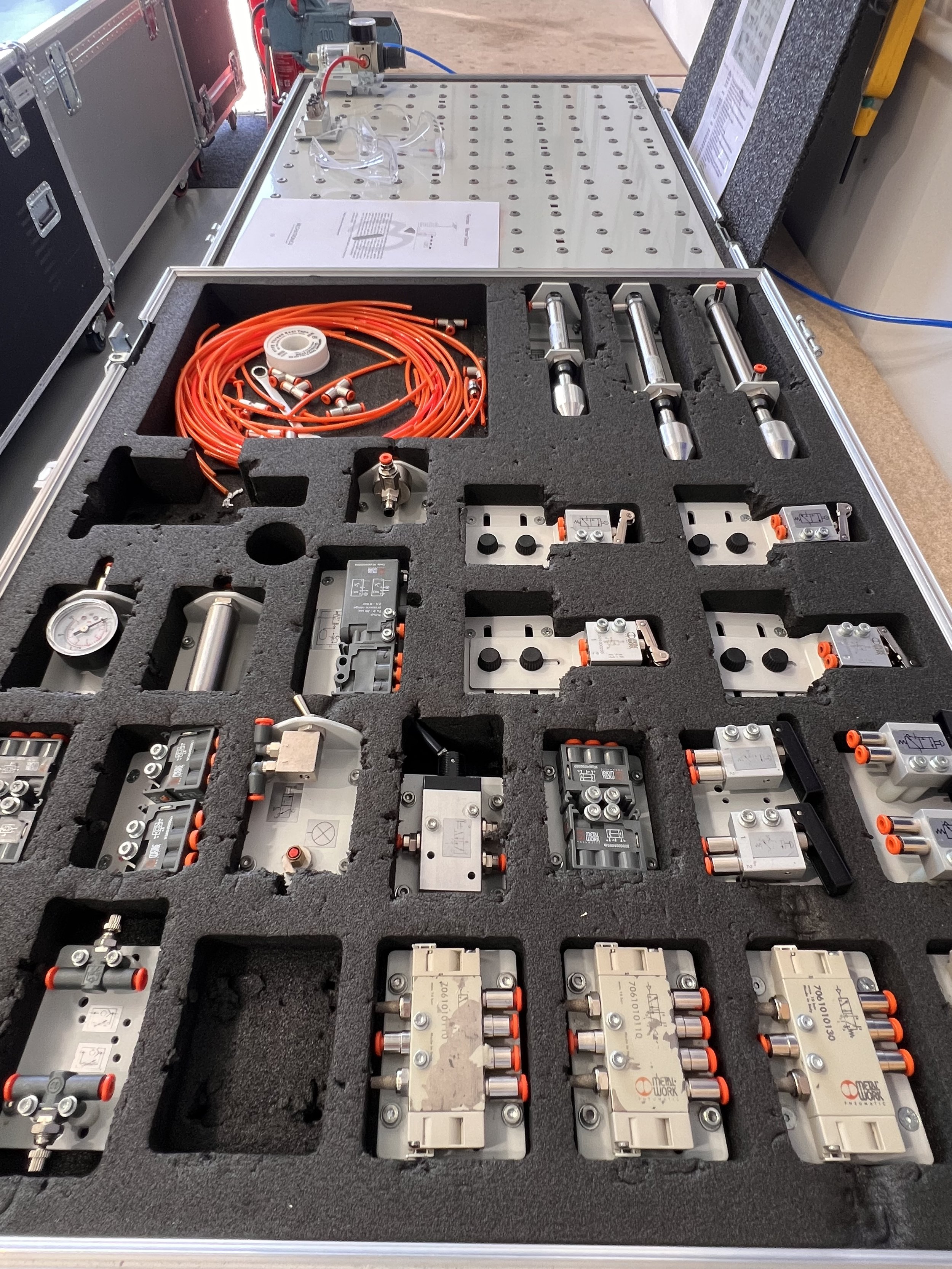
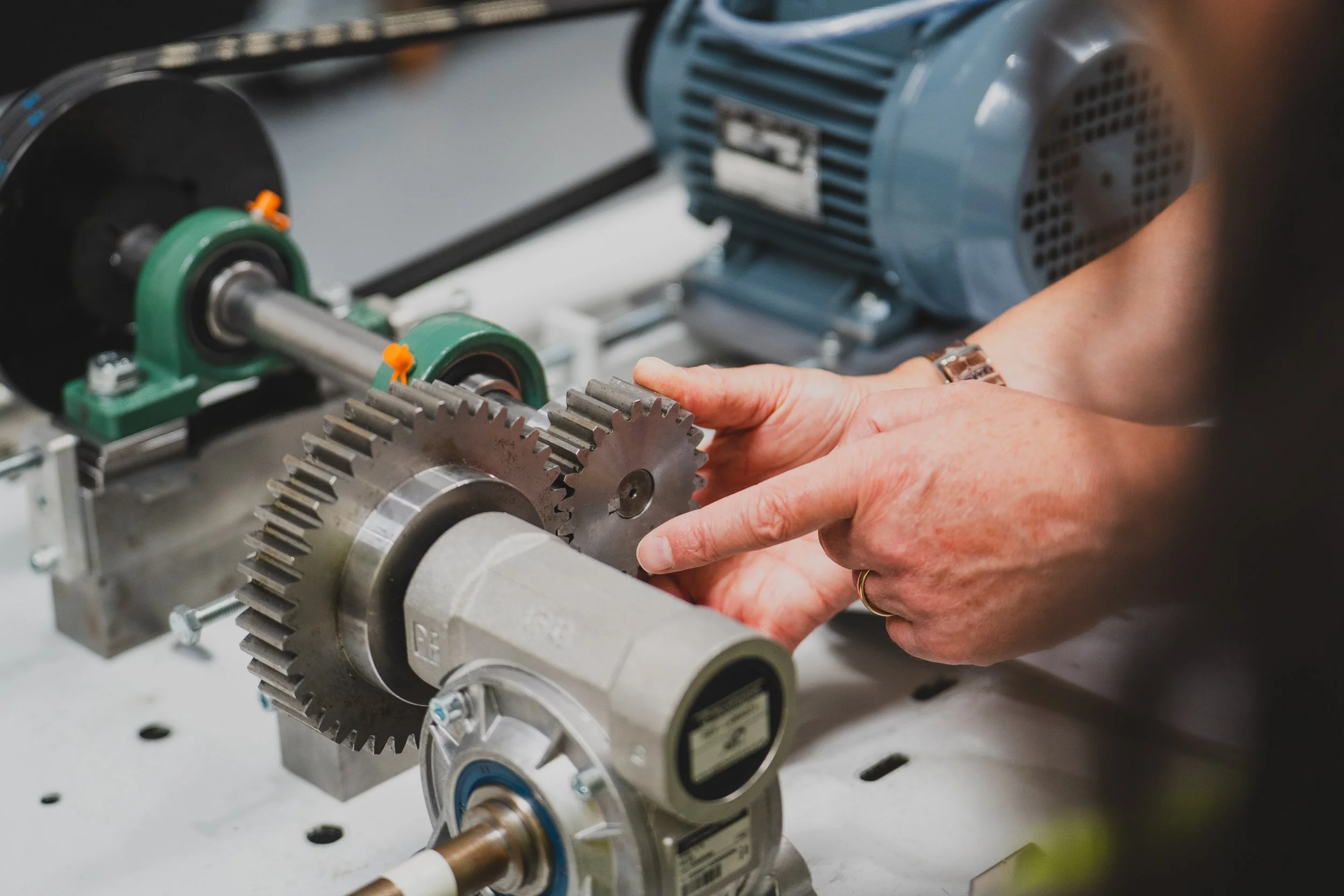
Practical application forms an important part of the Pneumatics Course.
As delegates develop their understanding of pneumatic components and circuits, they progress into selecting components and building pneumatic circuits, making the necessary adjustments for pressure, flow and sequence.
This helps delegates connect the theory of pneumatic systems with their practical operation and develop greater confidence in working with the types of components and circuits they may encounter in the workplace.
HANDS-ON TRAINING
<
HANDS-ON TRAINING <
HANDS-ON TRAINING
>
HANDS-ON TRAINING >
HANDS-ON TRAINING
<
HANDS-ON TRAINING <
WHAT YOU WILL
Learn
The course develops knowledge and practical understanding across the fundamental principles, components and operation of pneumatic systems.
Pneumatic Principles & Compressed Air
Develop an understanding of the fundamental principles behind pneumatic systems, including:
» Air and gas laws
» Units and measurement scales associated with compressed air systems
» Pressure and flow
» Hazards associated with compressors and compressed air
Pneumatic Components &
Symbols
Learn to recognise and understand common pneumatic components, including:
» Pneumatic symbols drawn to relevant ISO standards
» Pneumatic cylinders
» Pneumatic valves
»The function of components within a pneumatic system
Pneumatic
Circuits
Develop the skills required to understand and work with pneumatic circuits, including:
» Reading pneumatic circuit diagrams
» Selecting appropriate components
» Building pneumatic circuits
» Understanding pressure, flow and sequence
Safety &
Maintenance
Develop an understanding of the safety and maintenance considerations:
» Safe working practices
» Hazards associated with compressed air
» Pneumatic maintenance requirements
» Compliance with relevant safety requirements
» Correct use of PPE
Pneumatics Skills Training
Course
Pneumatic systems are widely used across industrial and manufacturing environments, providing the power required to operate machinery, components and automated systems.
MCP's three-day Pneumatics Course provides technicians with a practical introduction to the principles, components and operation of pneumatic systems.
Starting with the theory of air and gas laws, pneumatic symbols and circuits, delegates progress to selecting components and constructing pneumatic circuits, making the necessary adjustments for pressure, flow and sequence.
The course combines underpinning knowledge with practical application, helping delegates develop the skills and confidence to understand, work with and maintain pneumatic systems safely and effectively.
WHY LEARN
Pneumatic Systems
Pneumatic systems use compressed air to generate and control mechanical movement and are commonly found within industrial machinery and automated equipment.
For technicians working with these systems, understanding how pneumatic components function, how circuits are constructed and how pressure, flow and sequence affect operation is an important part of safe and effective maintenance.
This course introduces delegates to the fundamental principles of pneumatics before progressing into practical application.
Delegates learn to recognise pneumatic symbols, understand cylinder and valve operation, read pneumatic circuit diagrams and build circuits themselves. The course also covers the hazards associated with compressors and compressed air, maintenance requirements and relevant safety considerations.
IS THIS COURSE
Right for You?
The Pneumatics Course is designed for technicians with existing mechanical or electrical skills who need to develop an understanding of pneumatic systems.
No previous knowledge of pneumatics is required.
It is particularly suitable for:
» Maintenance Technicians
» Mechanical Maintenance Engineers
» Electrical Maintenance Engineers and Technicians
» Multi-skilled Maintenance Engineers
» Technicians who work with pneumatic equipment and systems
» Engineers looking to broaden their technical maintenance skills
» Organisations looking to develop pneumatic capability within their maintenance teams
WHAT WILL YOU
Be Able to Do?
Following the course, delegates will have developed greater knowledge and understanding of pneumatic systems and their safe operation.
This includes greater confidence in:
» Understanding fundamental pneumatic principles
» Recognising pneumatic symbols
» Understanding units and measurement scales associated with compressed air
» Understanding the operation of pneumatic cylinders and valves
» Reading pneumatic circuit diagrams
» Selecting pneumatic components
» Using appropriate PPE
» Constructing pneumatic circuits
» Understanding pressure, flow and sequence
» Recognising hazards associated with compressors and compressed air
» Understanding pneumatic maintenance requirements
» Working in accordance with relevant safety requirements
CITY & GUILDS
Accreditation
Delegates must successfully complete the Pneumatics Course and pass the required examination/assessment to achieve a City & Guilds Accreditation Certificate.
This course combines technical knowledge with practical pneumatic training, providing delegates with a structured introduction to pneumatic systems and the opportunity to develop skills that can be applied within an industrial maintenance environment.
COURSE
Syllabus
» Pneumatic cylinders
» Pneumatic valves
» Pneumatic circuit diagrams
» Component selection
» Pneumatic circuit construction
» Pressure adjustment
» Flow adjustment
» Sequence adjustment
» Maintenance requirements
» Compressed air systems
» Units and measurement scales
» Compressor and compressed air hazards
» Correct use of PPE
» Relevant safety requirements
» Pneumatic symbols and relevant ISO standards
» Safe working practices
» Air and gas laws
Develop the knowledge and practical skills needed to understand pneumatic components, read and construct circuits and work more confidently with compressed air systems.
Whether you're looking to broaden your own technical capability or develop pneumatic skills within your maintenance team, MCP's three-day Pneumatics Course provides a practical introduction to pneumatic systems.
Pneumatic Skills?
Ready to Develop Your
FAQs
-
The course is designed for technicians with mechanical or electrical skills who need to develop their knowledge and understanding of pneumatic systems.
-
No. The course is designed for technicians with mechanical or electrical skills but no previous knowledge of pneumatics.
-
The Pneumatics Course is delivered over three days.
-
Yes. Delegates progress from pneumatic theory and component recognition into selecting components and constructing pneumatic circuits, while developing an understanding of pressure, flow and sequence.
-
The course covers pneumatic principles, compressed air, pneumatic symbols, cylinders and valves, circuit diagrams, circuit construction, safety and maintenance requirements.
-
Yes. Delegates who successfully complete the course and pass the required examination/assessment will be awarded a City & Guilds Accreditation Certificate.