
Mechanical to Electrical Part 3
Electrical Fault Finding Training
Mechanical to Electrical Conversion Training Programme
Develop practical electrical fault finding skills on motors, starters and control circuits with Part 3 of MCP's Mechanical to Electrical Training Programme.
COURSE AT A
Glance
Duration:
4 days
Delivery:
Practical classroom and workshop training
Locations:
Solihull, Reading or On Site
Prerequisites:
Mechanical to Electrical Part 1 and 2
Certificate:
MCP Technical Training Certificate
Next Step:
Prices Quoted Exclude VAT
Course Type | Electrical, Technical Skills
Certificate | MCP Training Certificate
Duration of Course | 4 Days
Location | Reading or Solihull
Mechanical to Electrical Training – Part 4
PRACTICAL WORKSHOP
Experience
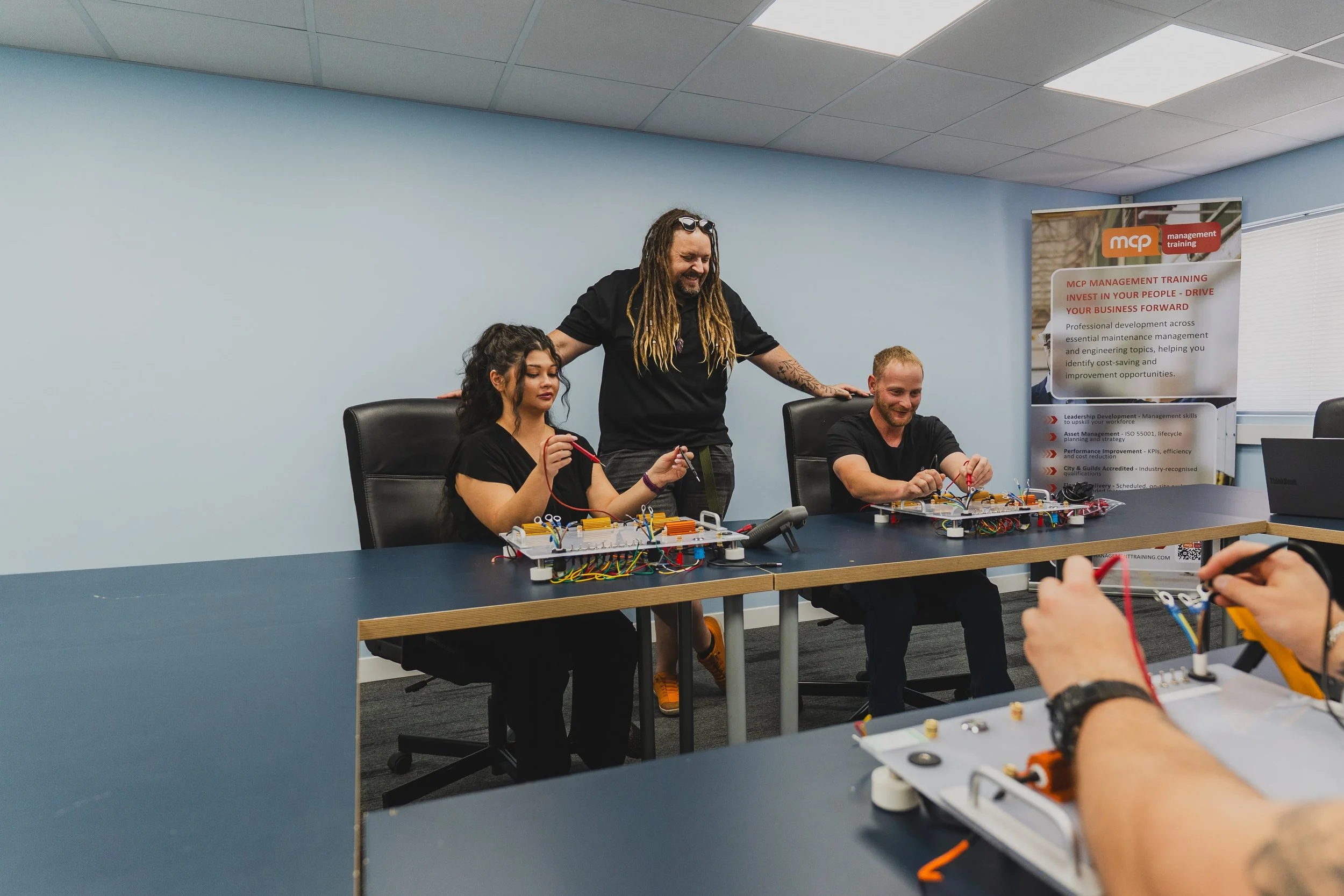
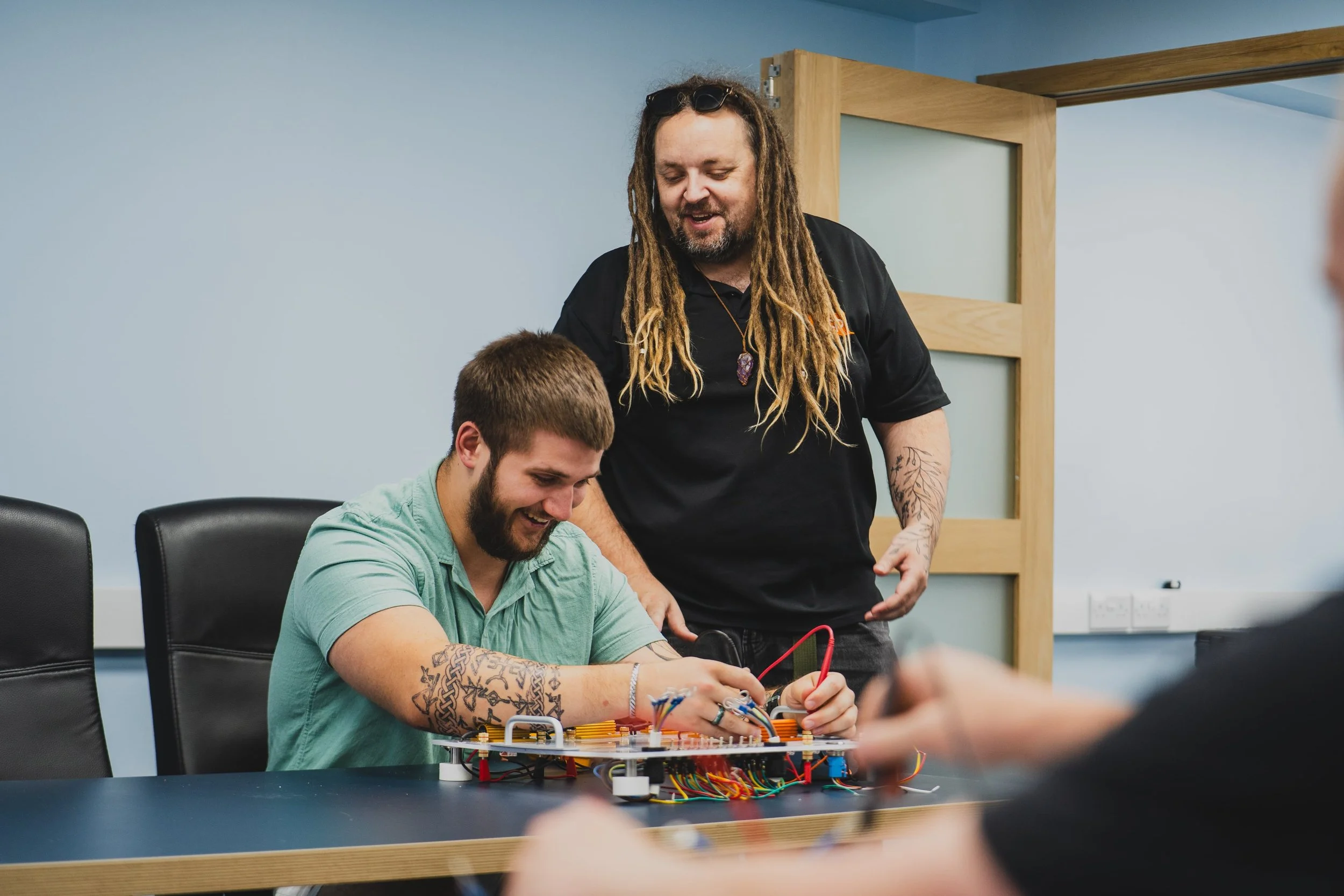
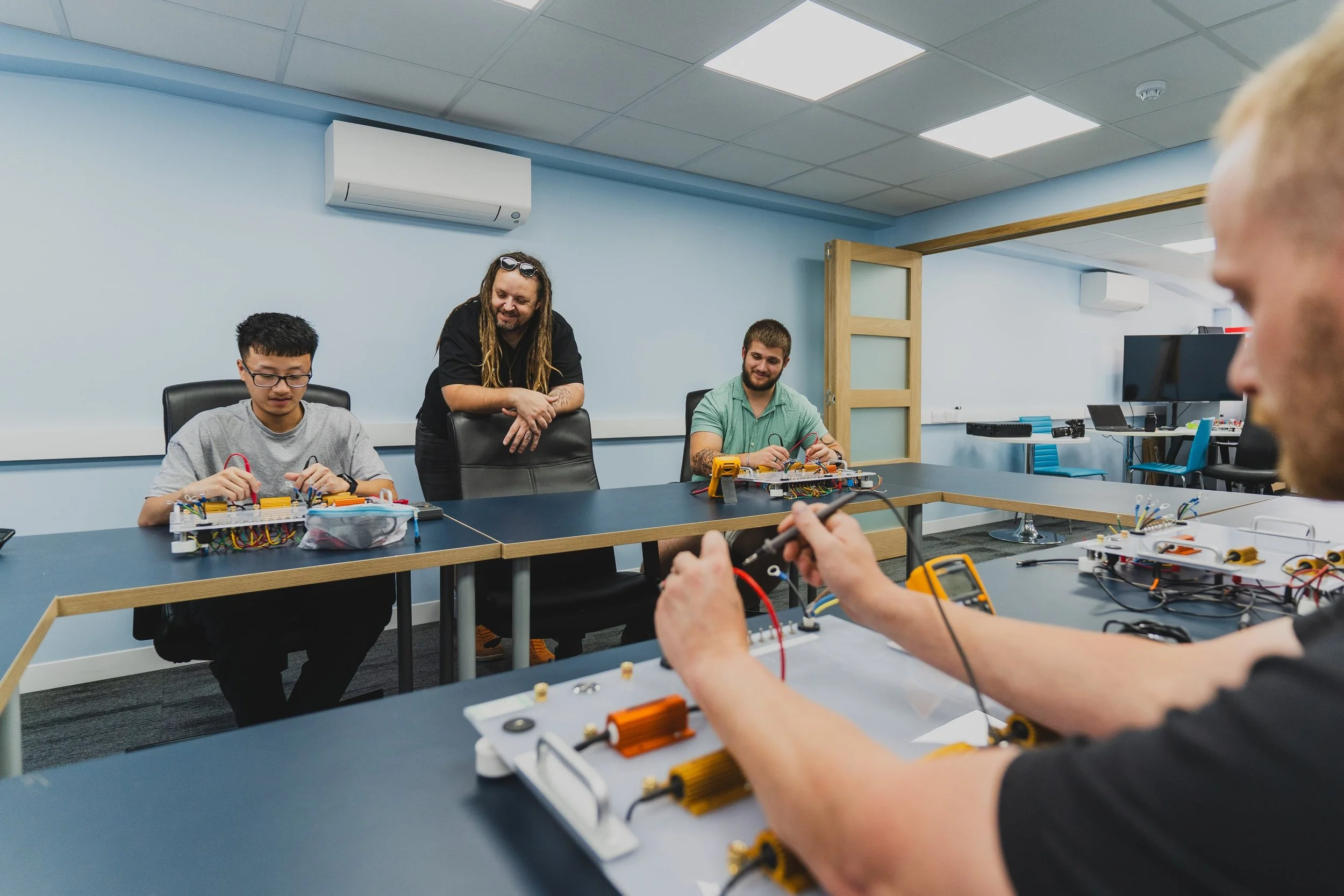
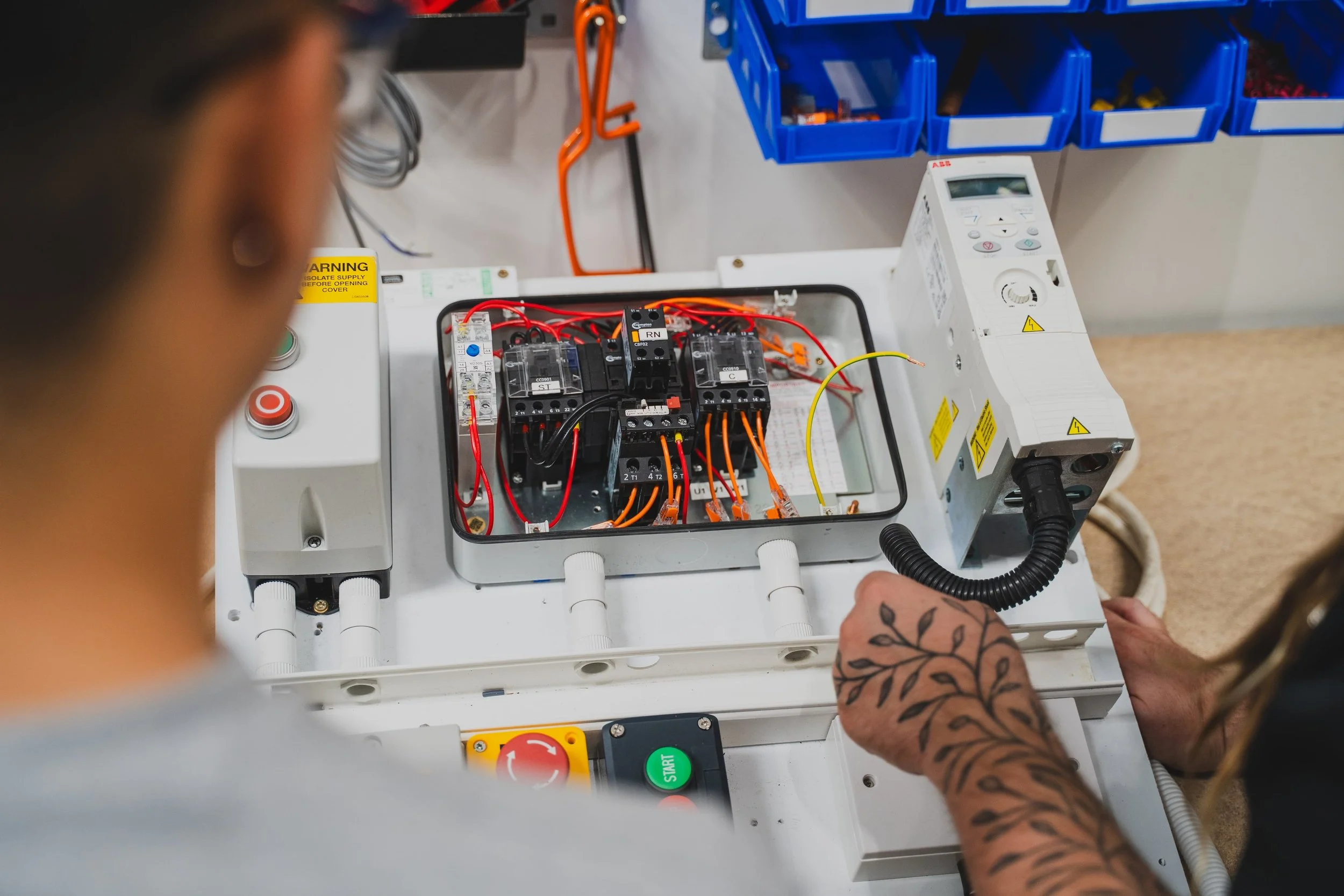
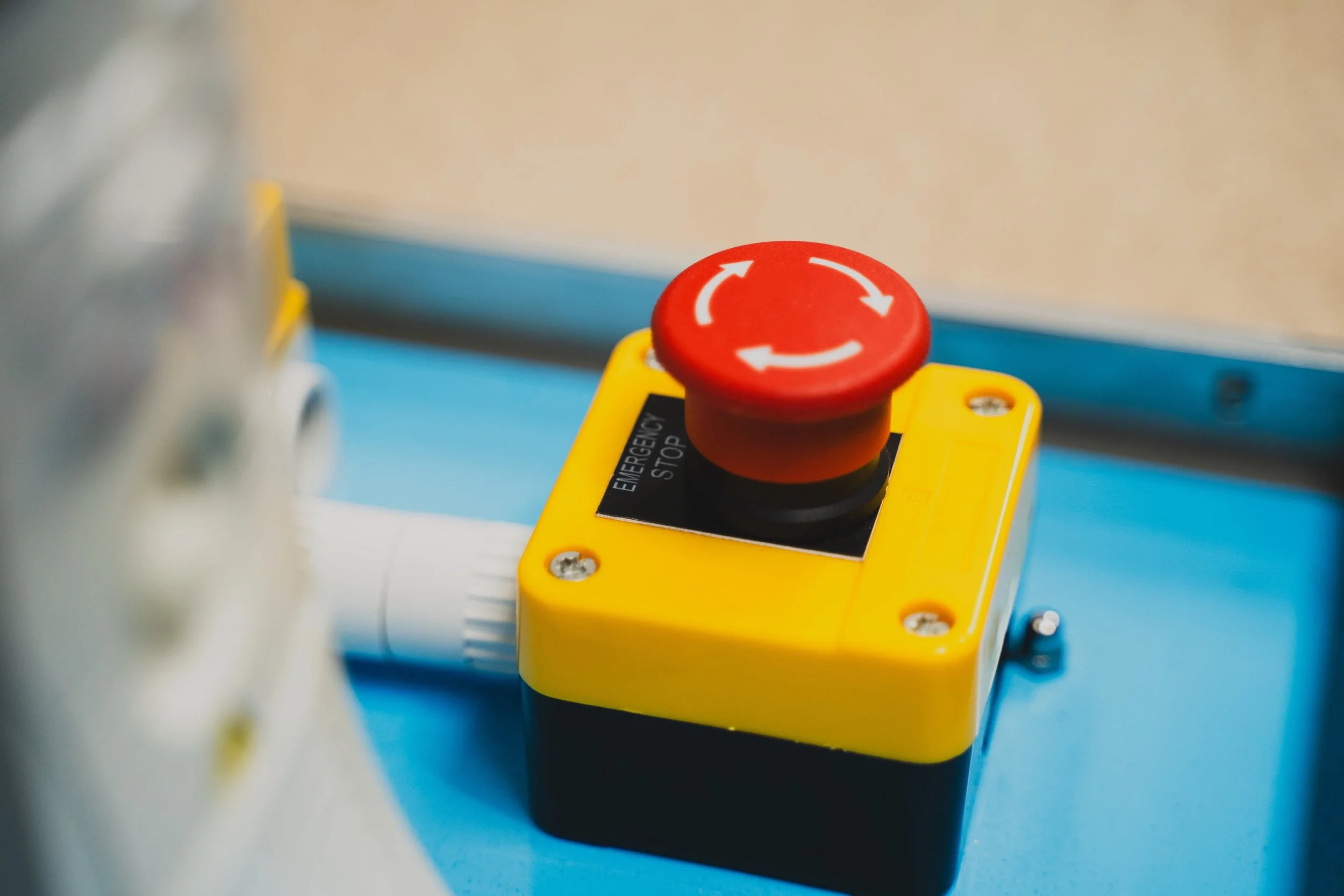
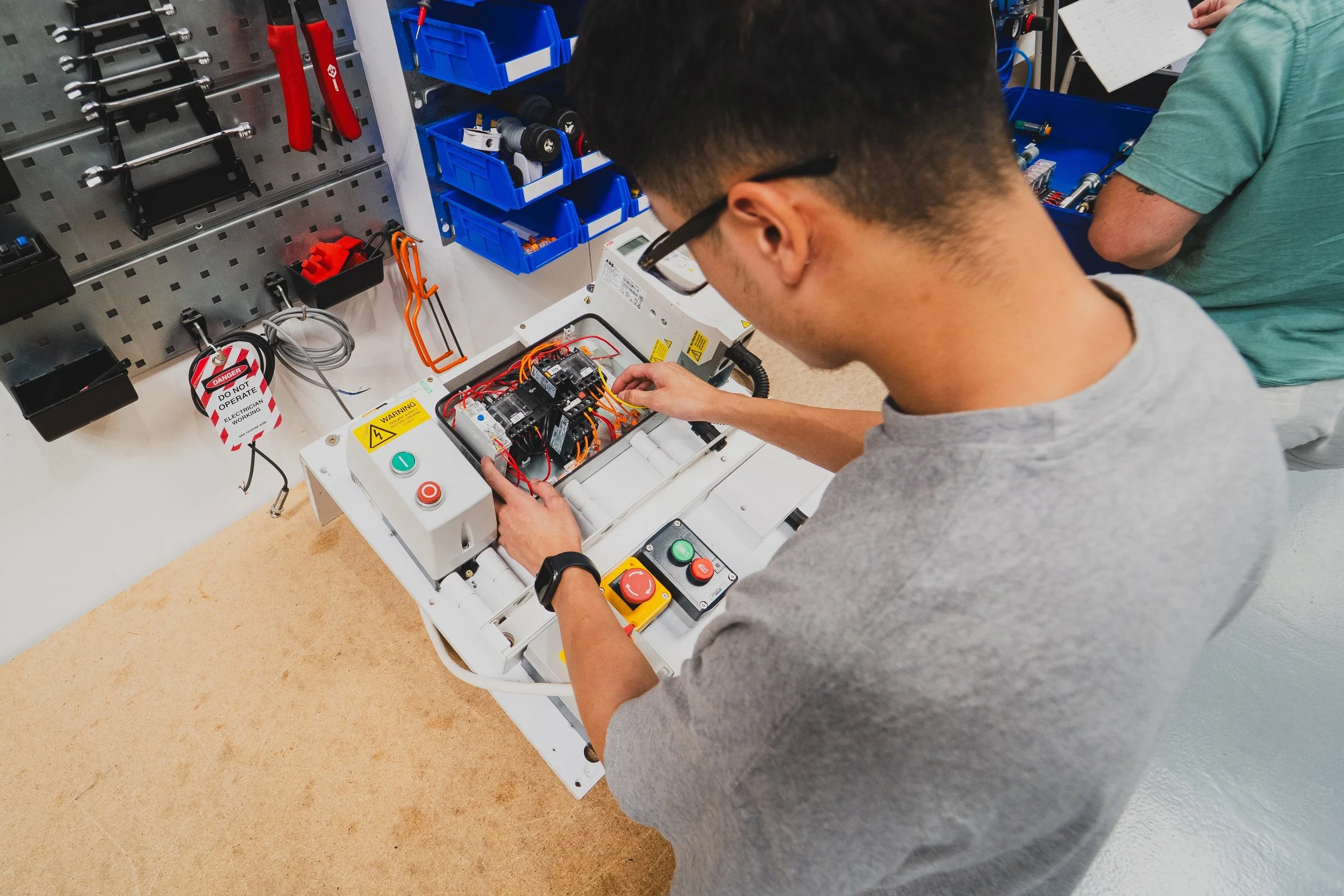
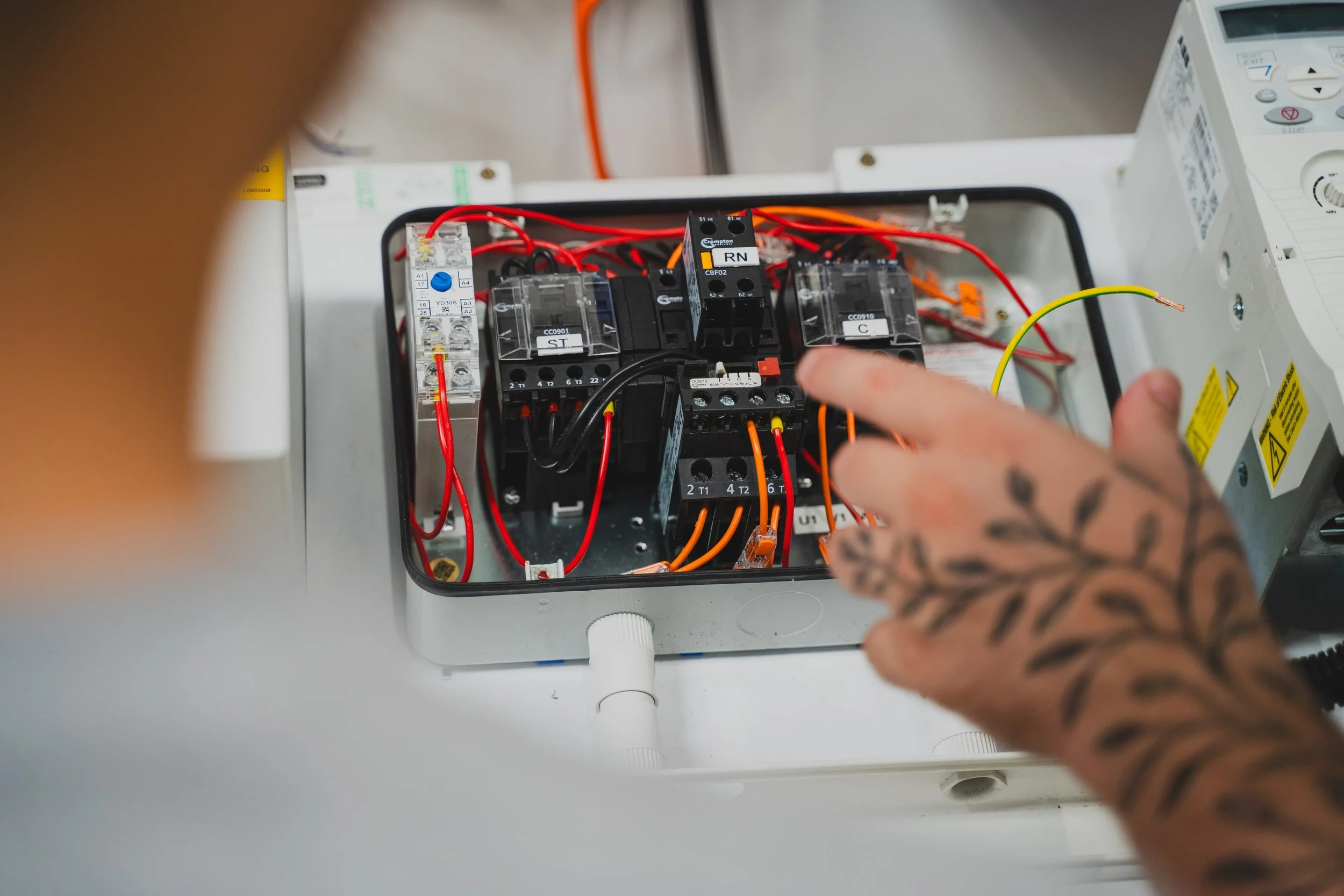
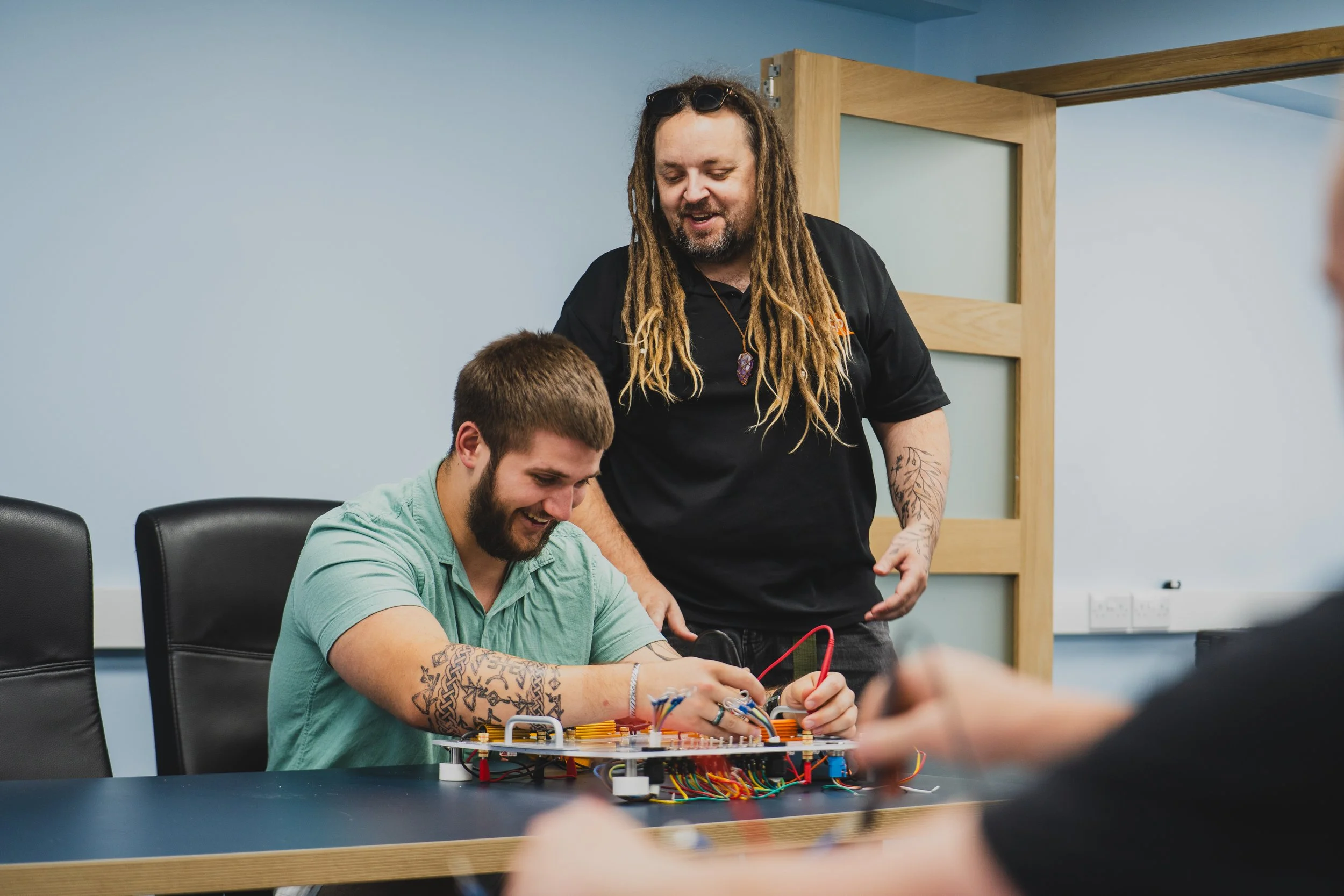
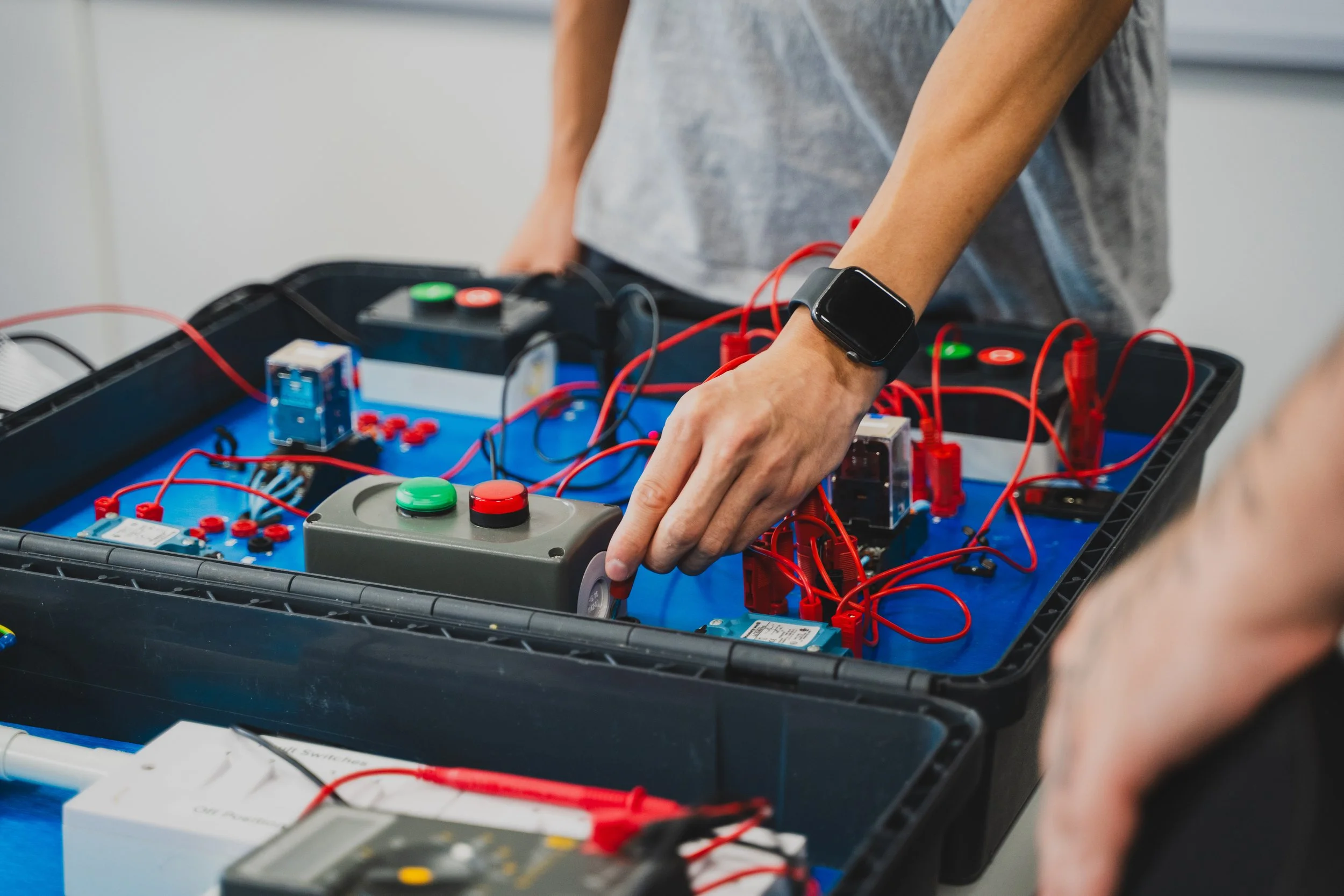
Working with experienced instructors, delegates apply the principles covered during the course to electrical motor and control circuits, developing a more systematic approach to diagnosing faults.
Practical activities include:
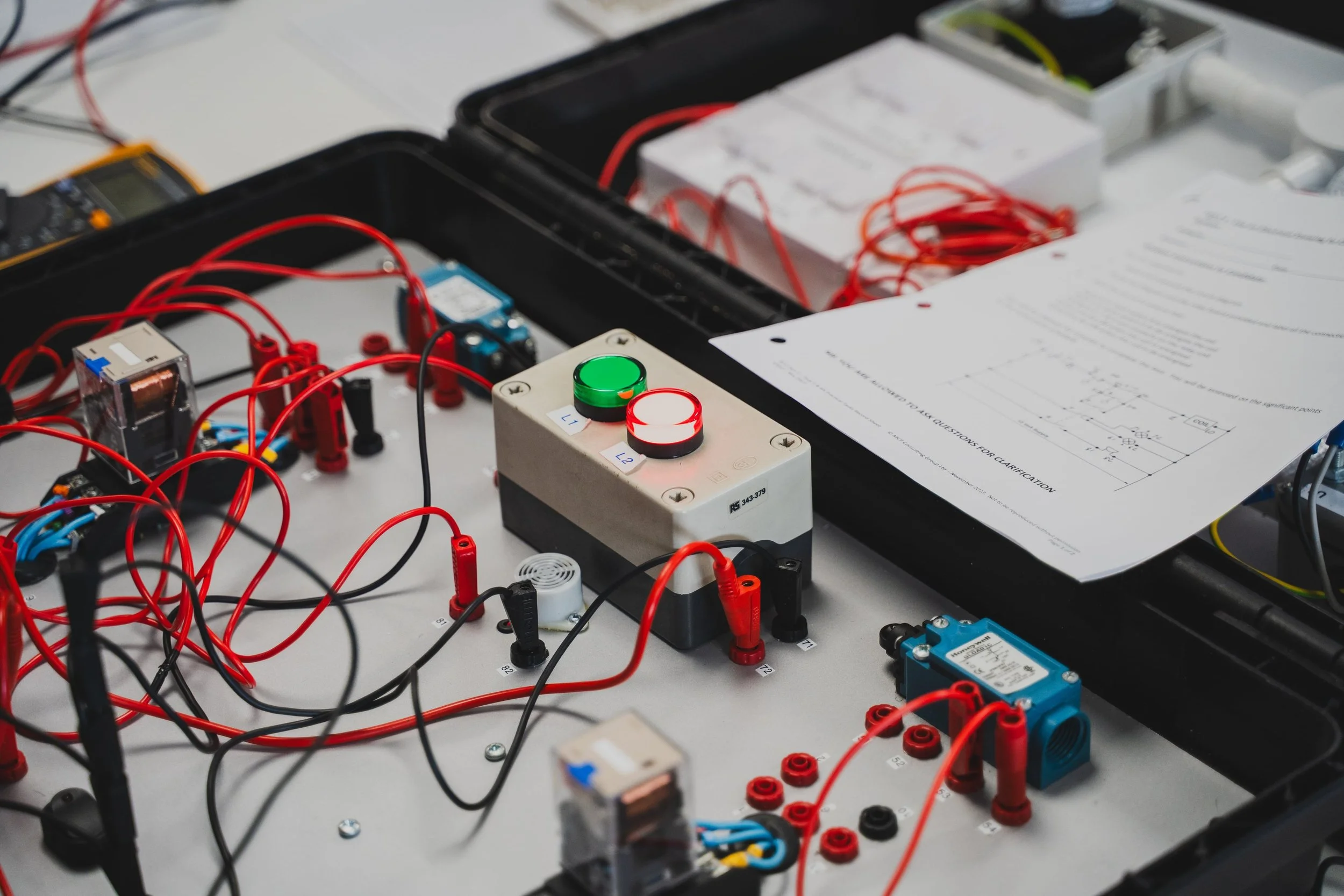
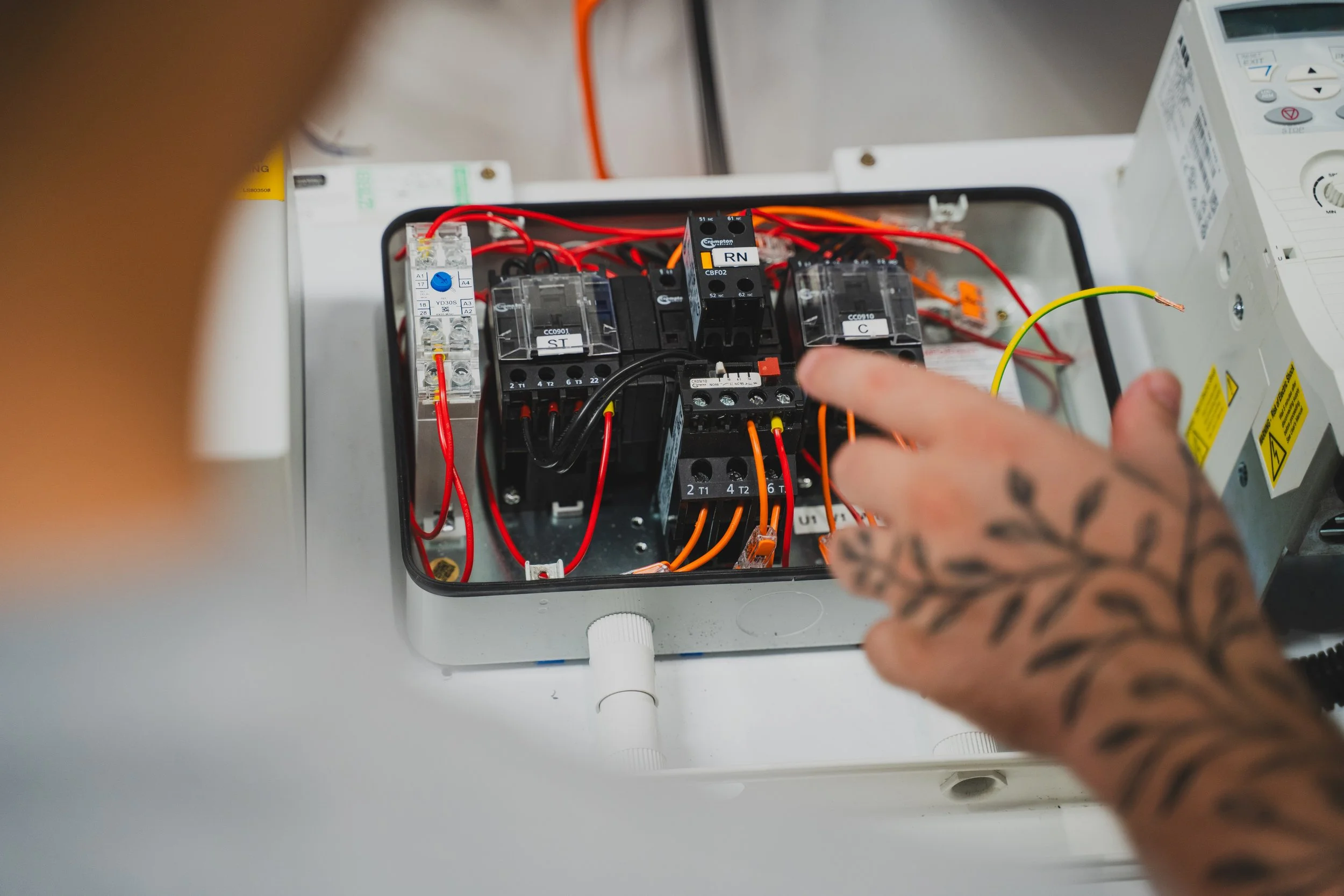
» Inspecting isolated three-phase motor circuits
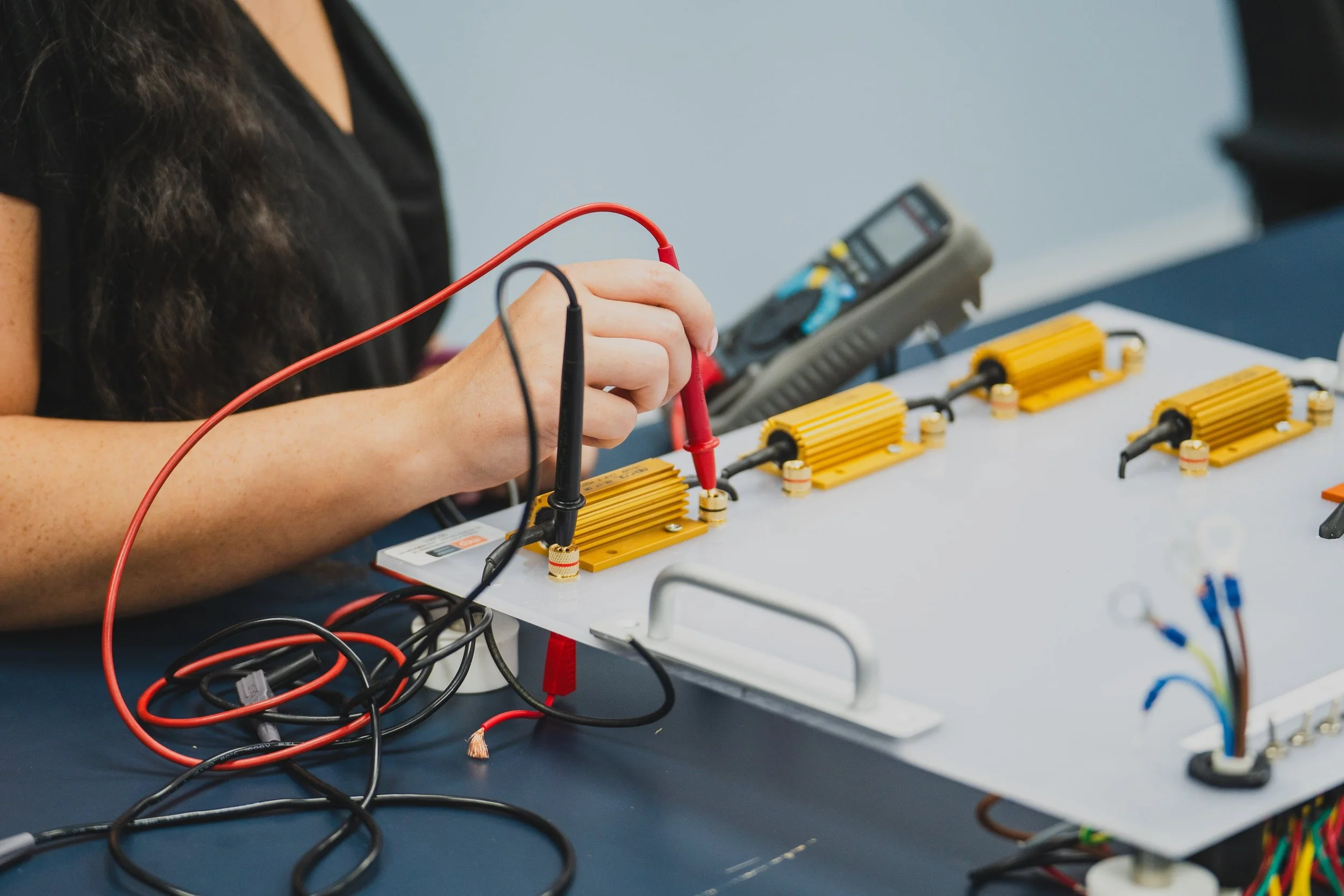
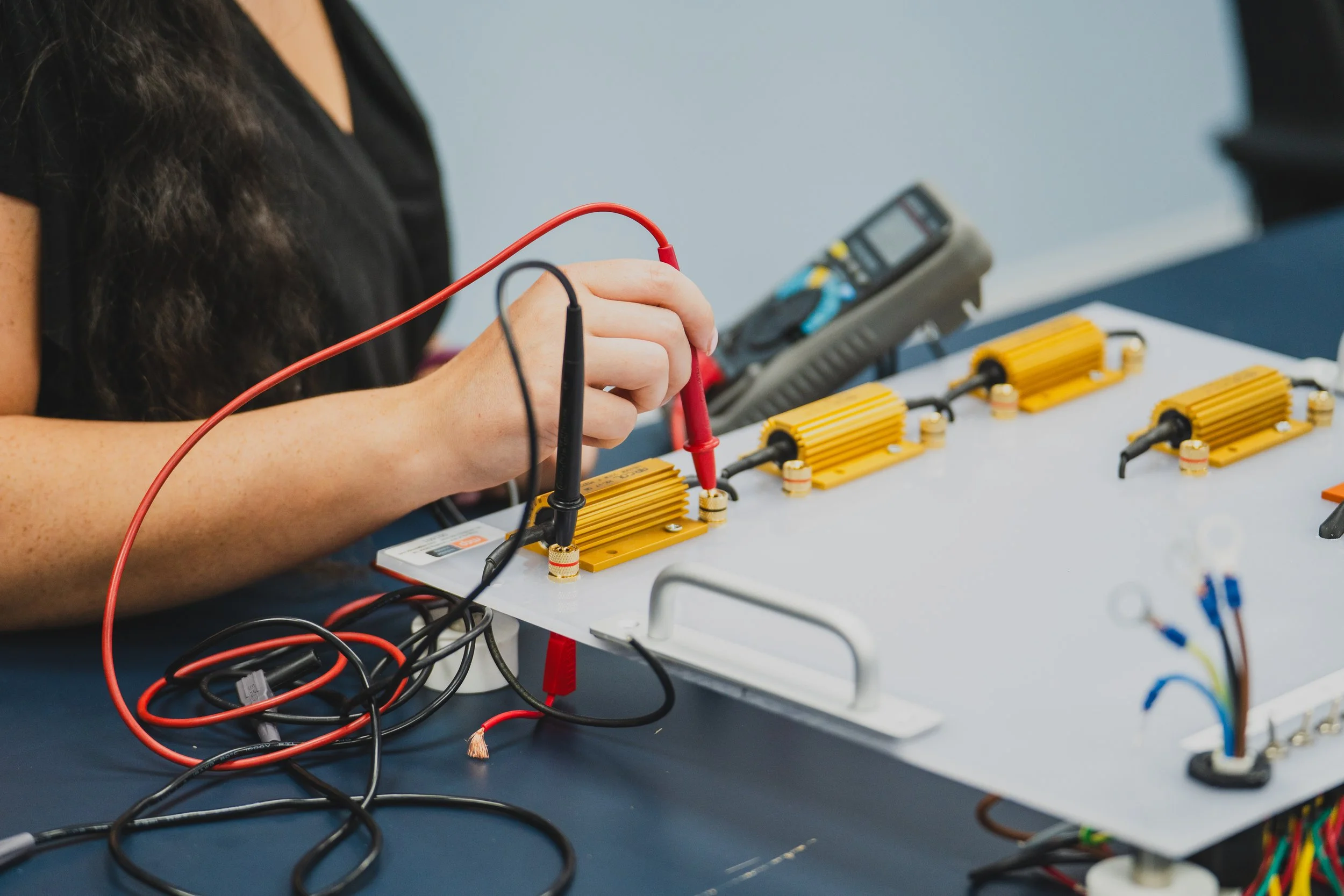
» Carrying out continuity and insulation resistance tests
» Interpreting electrical test results
» Fault finding on AC motors and starters
» Reading and interpreting electrical drawings
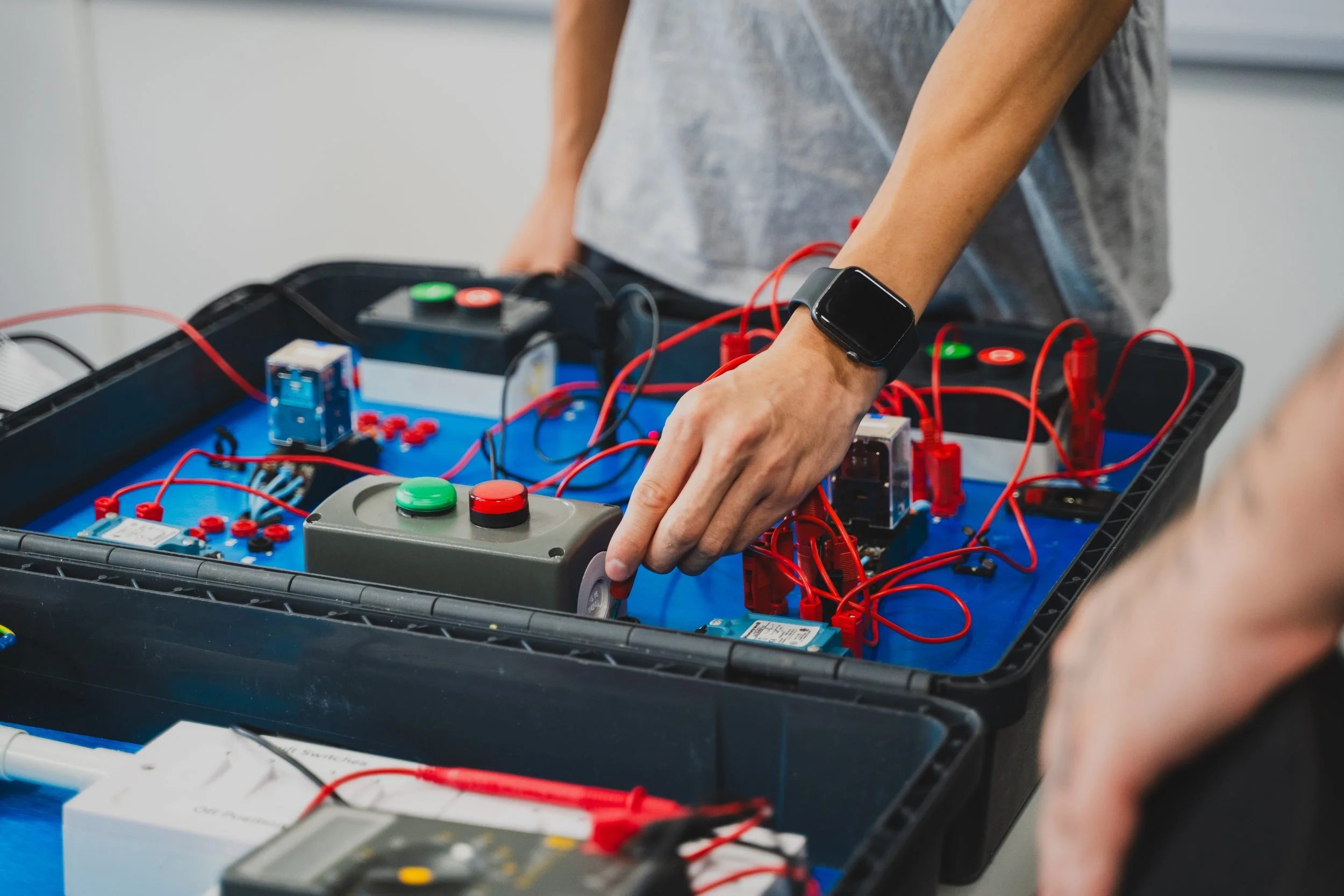
» Connecting relay-controlled loads
» Connecting and testing proximity sensors
» Working with limit switches
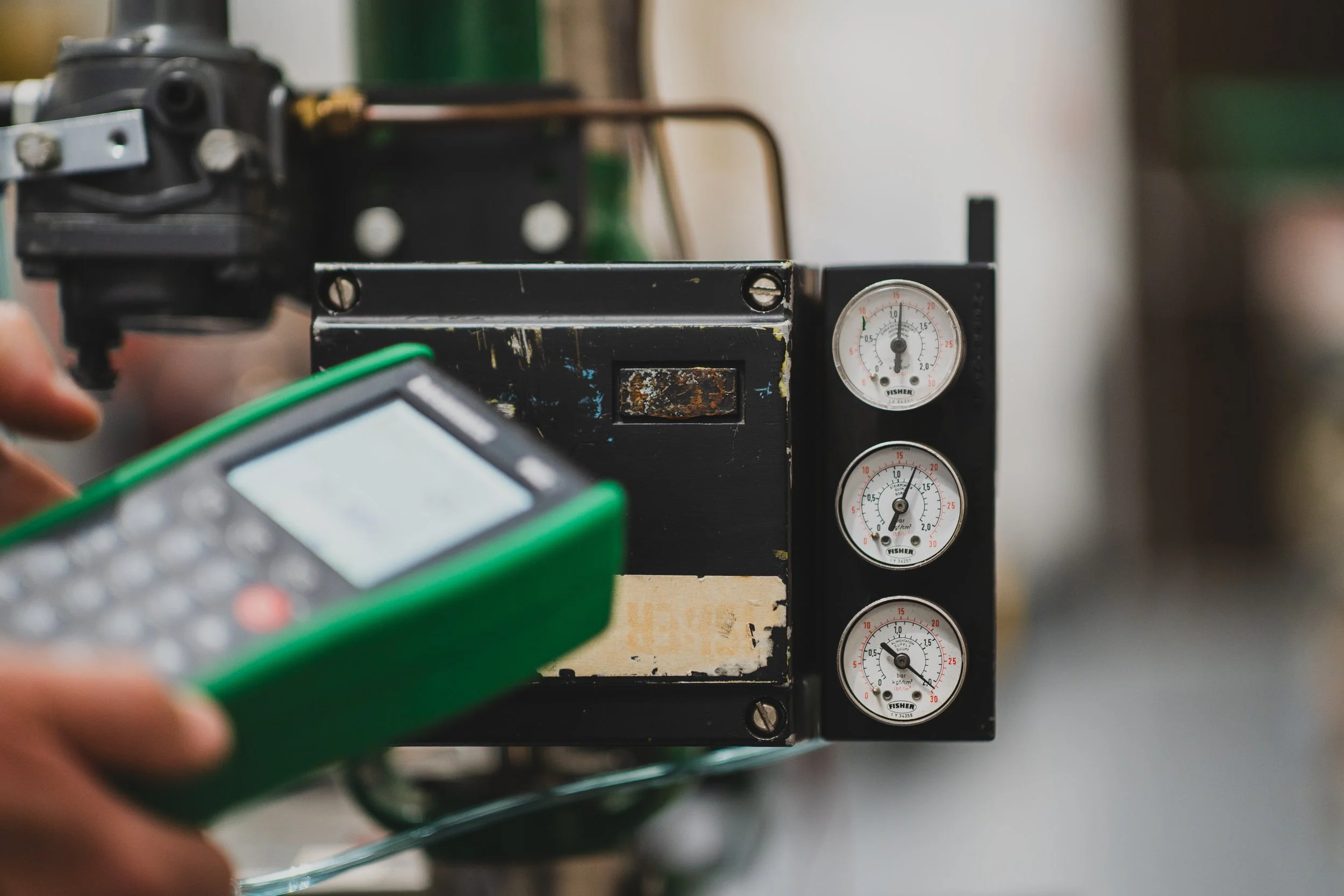
» Using sensor-testing equipment
» Fault finding on control circuits
» Using digital multimeters and flowcharts to diagnose faults
These exercises help delegates move beyond understanding individual electrical components towards understanding how they interact within a system and how faults can be investigated logically.
HANDS-ON TRAINING
<
HANDS-ON TRAINING <
HANDS-ON TRAINING
>
HANDS-ON TRAINING >
HANDS-ON TRAINING
<
HANDS-ON TRAINING <
WHAT YOU WILL
Learn
Part 3 combines theory with practical fault finding exercises across motor circuits, control systems and common industrial control devices.
Electrical Inspection
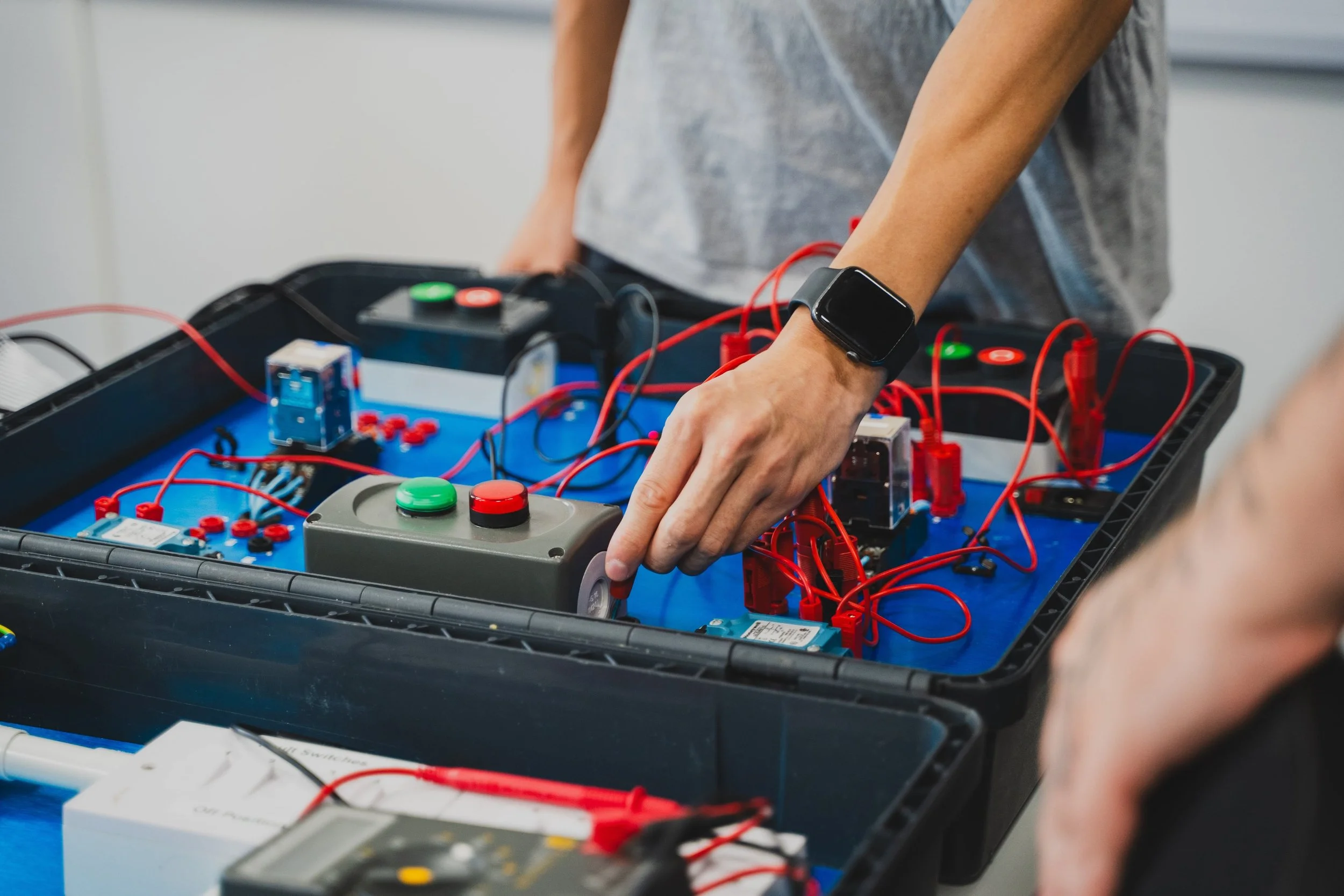
Develop a structured approach to inspecting and testing electrical systems, including:
» Inspection and testing of isolated three-phase motor circuits
» Visual inspection and testing
» Interpretation of test results
» Continuity testing
» Insulation resistance testing
» Use of electrical test instruments
Electrical Fault Finding
Develop practical electrical troubleshooting and fault diagnosis skills, including:
» Fault finding on AC motors and starters
» Practical fault finding on control circuits
» Using digital multimeters
» Using flowcharts to support structured fault finding
» Interpreting test results to help identify faults

Electrical Drawings
Develop greater understanding of electrical control systems and the information needed to diagnose problems, including:
» Reading and interpreting electrical drawings
» Control systems
» Connecting a simple relay unit to control remote loads
» Understanding how control devices operate within a circuit
Sensors & Controls
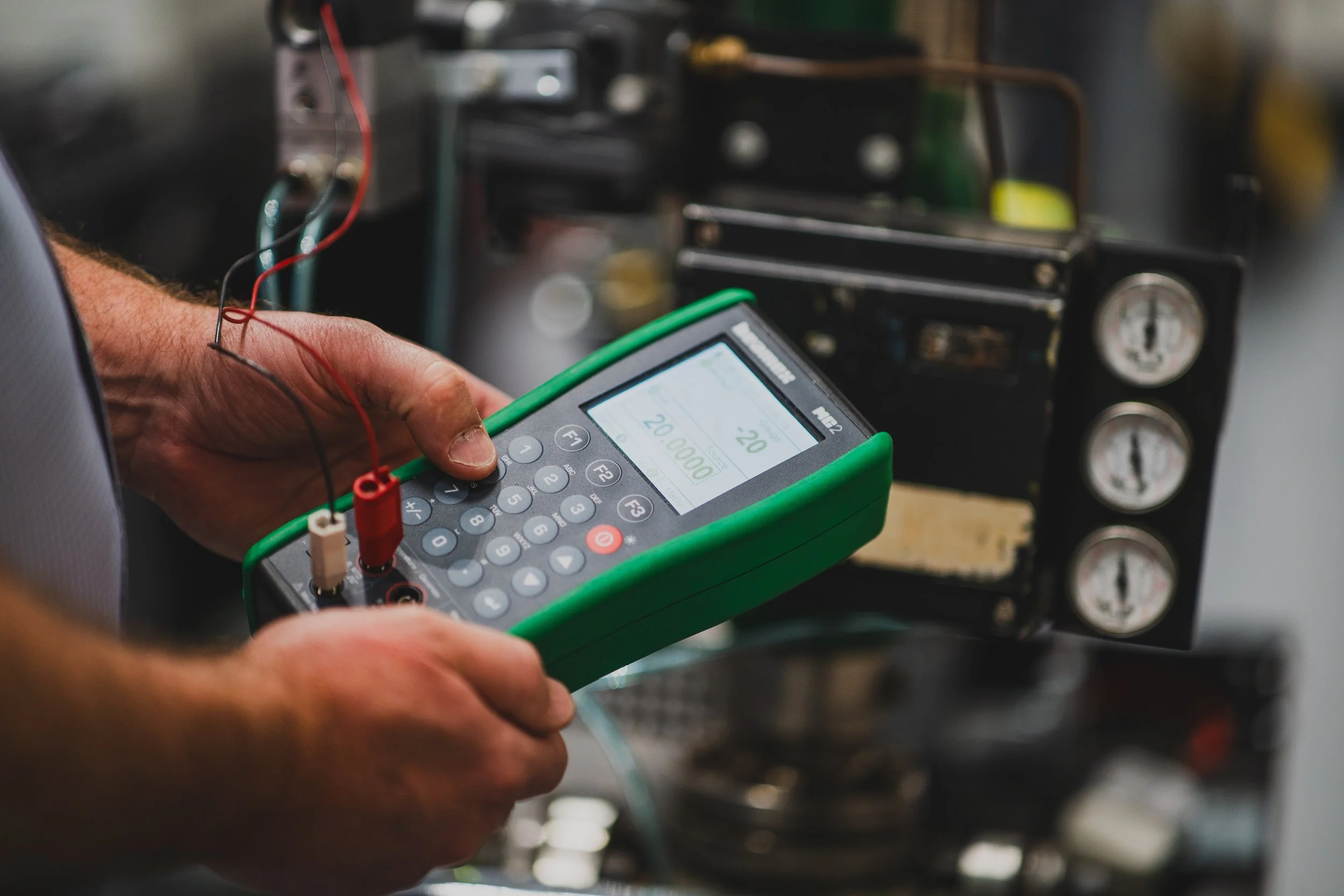
Develop practical experience with common devices used within industrial control systems, including:
» Proximity sensors
» Sensor testers
» Limit switches
» Relays
» Safety relays
» Connecting and testing control devices
Introduction to Electro-Pneumatics
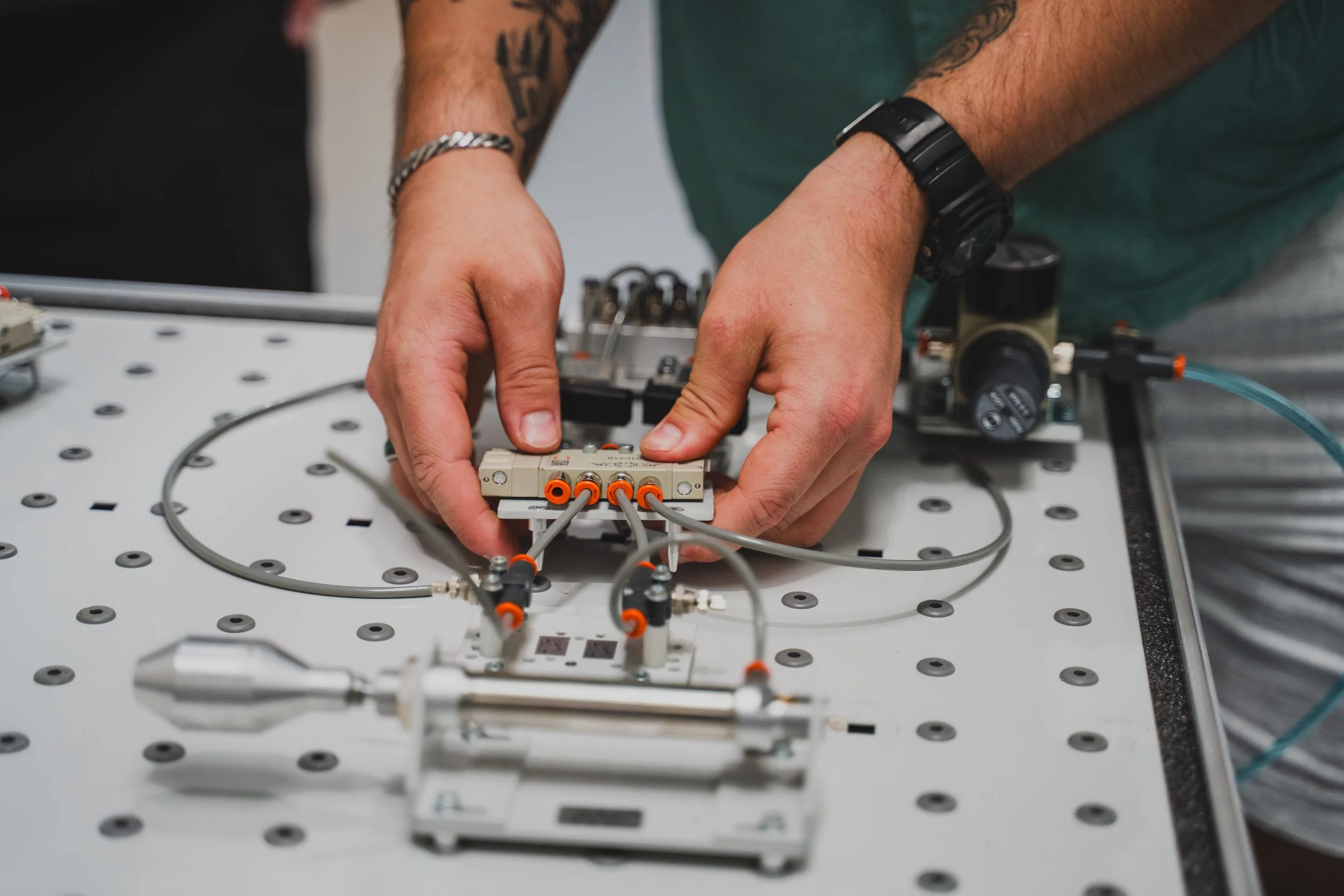
Part 3 also introduces delegates to electro-pneumatics, extending their understanding of how electrical control can be used alongside pneumatic systems in industrial applications.
Theory is provided throughout the course to support the practical activities undertaken.
ELECTRICAL FAULT FINDING
Training
Develop Practical Skills to Diagnose Electrical Faults
Mechanical to Electrical Training – Part 3 builds on the electrical maintenance skills developed during the previous stages of the programme, progressing into practical electrical fault finding, inspection and testing and control systems.
Designed for technicians who have completed Parts 1 and 2, this four-day electrical fault finding course develops the knowledge and practical skills needed to understand electrical drawings, identify faults and test and connect a range of control devices.
Through a combination of classroom learning and practical workshop exercises, delegates work with motors, starters, control circuits, proximity sensors, relays and test equipment, developing a structured approach to electrical troubleshooting and fault diagnosis.
Part 3 provides the next stage in MCP's Mechanical to Electrical Training Programme and prepares delegates for progression to Part 4 and completion of the accredited pathway.
DEVELOP YOUR
Electrical Fault Finding Skills
Being able to replace or connect an electrical component is only part of effective electrical maintenance. Engineers also need to understand how systems operate and develop a logical approach to identifying why something has failed.
Part 3 builds on the electrical knowledge and practical skills developed in Parts 1 and 2, introducing delegates to a wider range of fault finding and control-system activities.
Delegates learn how to inspect and test isolated three-phase motor circuits, interpret test results, read electrical drawings and use test instruments to support fault diagnosis.
The course also develops practical experience with control devices and circuits, helping delegates build confidence in identifying and investigating electrical faults rather than simply replacing components.
IS THIS COURSE
Right for You?
This course is suitable for:
» Technicians who have completed Mechanical to Electrical Parts 1 and 2
» Mechanical maintenance engineers progressing through the M2E Programme
» Engineers developing practical electrical fault finding skills
» Maintenance technicians who need greater confidence diagnosing faults in motors, starters and control circuits
» Multi-skilled engineers looking to broaden their electrical maintenance capability
» Employers developing greater first-line fault finding capability within their maintenance teams
Part 3 is designed to build on the knowledge and practical skills developed during the earlier stages of the Mechanical to Electrical Training Programme.
WHAT WILL YOU
Be Able to Do?
By the end of Part 3, you will have developed the knowledge and practical skills to:
» Inspect and test isolated three-phase motor circuits
» Carry out continuity and insulation resistance testing
» Interpret electrical test results
» Apply a structured approach to electrical fault finding
» Investigate faults on AC motors and starters
» Read and interpret electrical drawings
» Understand basic electrical control systems
» Connect and test common control devices
» Work with proximity sensors and limit switches
» Use digital multimeters and flowcharts to support fault diagnosis
» Understand the basic principles of electro-pneumatic control
» Progress to Mechanical to Electrical Training – Part 4
CITY & GUILDS
Accreditation
Successful completion of Part 3 leads to the award of an MCP Technical Training Certificate.
Part 3 forms part of the City & Guilds accredited pathway through the Mechanical to Electrical Training Programme. Successful completion of Parts 2, 3 and 4, including passing the final examination, leads to the associated City & Guilds Accreditation.
Throughout the course, delegates complete practical activities designed to reinforce and demonstrate the electrical fault finding, testing and control-system skills developed during the four days.
COURSE
Syllabus
» Relay units and remote loads
» Control devices
» Limit switches
» Introduction to electro-pneumatics
» Practical fault finding on control circuits
» Use of digital multimeters
» Use of flowcharts for fault finding
» Introduction to safety relays
» Theory supporting the practical activities
» Inspection and testing of isolated three-phase motor circuits
» Visual inspection and interpretation of results
» Continuity testing
» Insulation resistance testing
» Fault finding on AC motors and starters
» Proximity sensors
» Use of sensor-testing equipment
» Reading and interpreting electrical drawings
» Control systems
CONTINUE YOUR MECHANICAL TO ELECTRICAL JOURNEY
Mechanical to Electrical Training has been designed as a progressive learning pathway.
Part 1
Electrical Fundamentals
Part 2
Electrical Maintenance, Motors and Motor Control
Part 3
Electrical Fault Finding and Control Systems (Current Module)
Part 4
PLCs, Thermography and Final Assessment
Ready to Develop Your
Build the practical skills and confidence to investigate faults across motors, starters and electrical control circuits with Part 3 of MCP's Mechanical to Electrical Training Programme.
Whether you're progressing through the complete M2E Programme or developing greater fault finding capability within your maintenance team, Part 3 provides the next step towards broader electrical maintenance competence.
Electrical Fault Finding Skills


FAQs
-
Part 3 is designed for technicians who have completed Parts 1 and 2 of the Mechanical to Electrical Training Programme and builds directly on the electrical knowledge and practical skills developed during those modules.
-
Yes. Practical fault finding forms an important part of the course. Delegates work with motor and control circuits, test instruments, sensors and other control devices to develop a structured approach to identifying electrical faults.
-
The course includes fault finding on AC motors and starters and practical fault finding on electrical control circuits using digital multimeters and flowcharts.
-
Yes. Reading and interpreting electrical drawings is included to help delegates understand circuits and support effective fault diagnosis.
-
Yes. The course covers control systems and practical work with relays, proximity sensors, limit switches and other control devices, alongside fault finding on control circuits.
-
Part 4 is the final stage of the Mechanical to Electrical Training Programme and introduces electrical design principles, PLC system basics and thermography before a comprehensive review and final examination.
-
Public M2E training is available at MCP's training centres in Solihull and Reading, and the programme can also be delivered on site for organisations.