
MMA Welding Training
Practical Stick Welding Course
Manual Metal Arc (MMA) welding, also commonly known as stick welding, is a versatile welding process used across engineering, maintenance, manufacturing and fabrication environments.
COURSE AT A
Glance
Duration:
1-5 days
Delivery:
Practical welding training
Locations:
On Site Only
Prerequisites:
Novice and more experienced welders
Certificate:
MCP Certificate of Attendance (BS 4872)
Related Courses:
TIG Welding | MIG/MAG Welding

PRACTICAL WORKSHOP
Experience
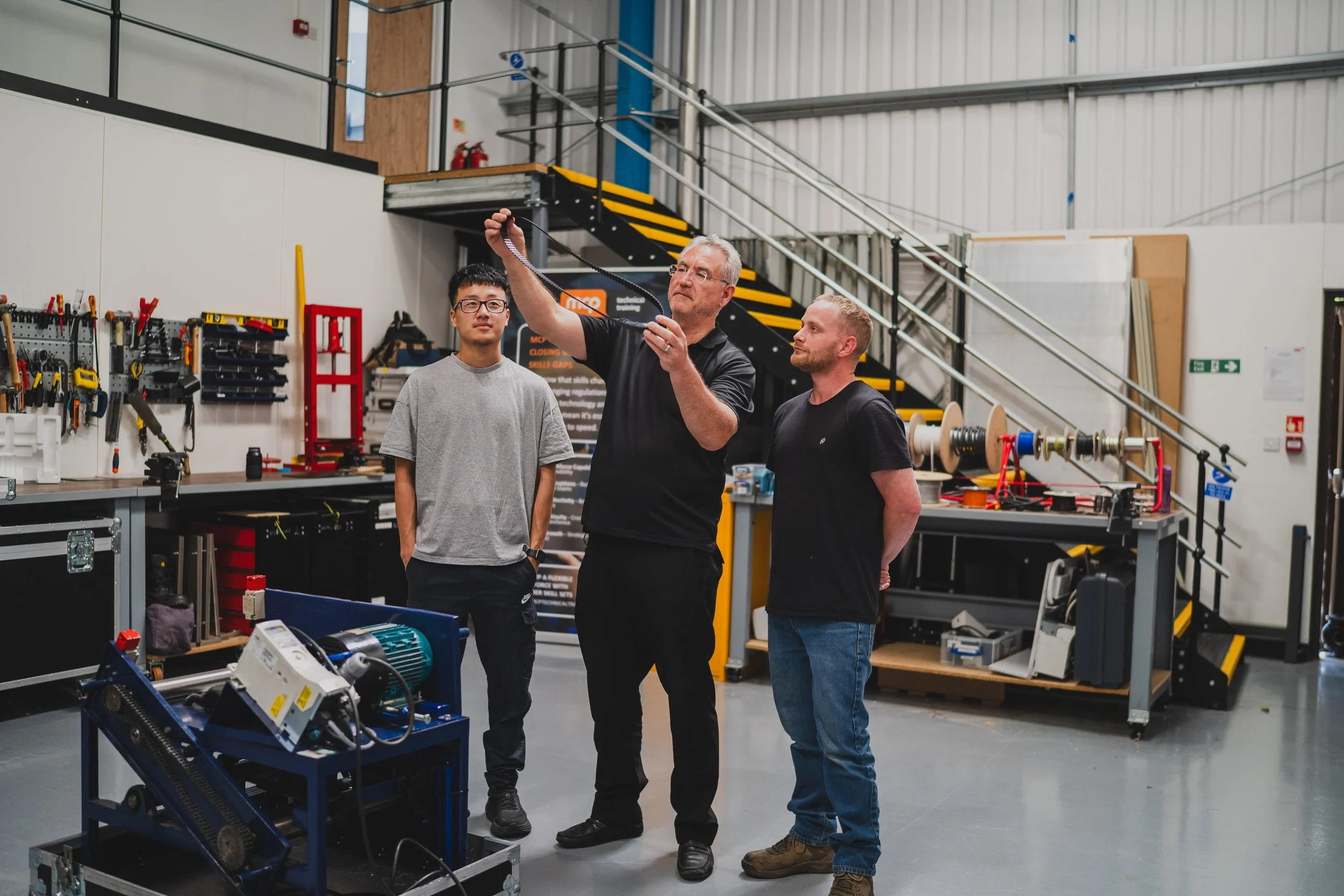
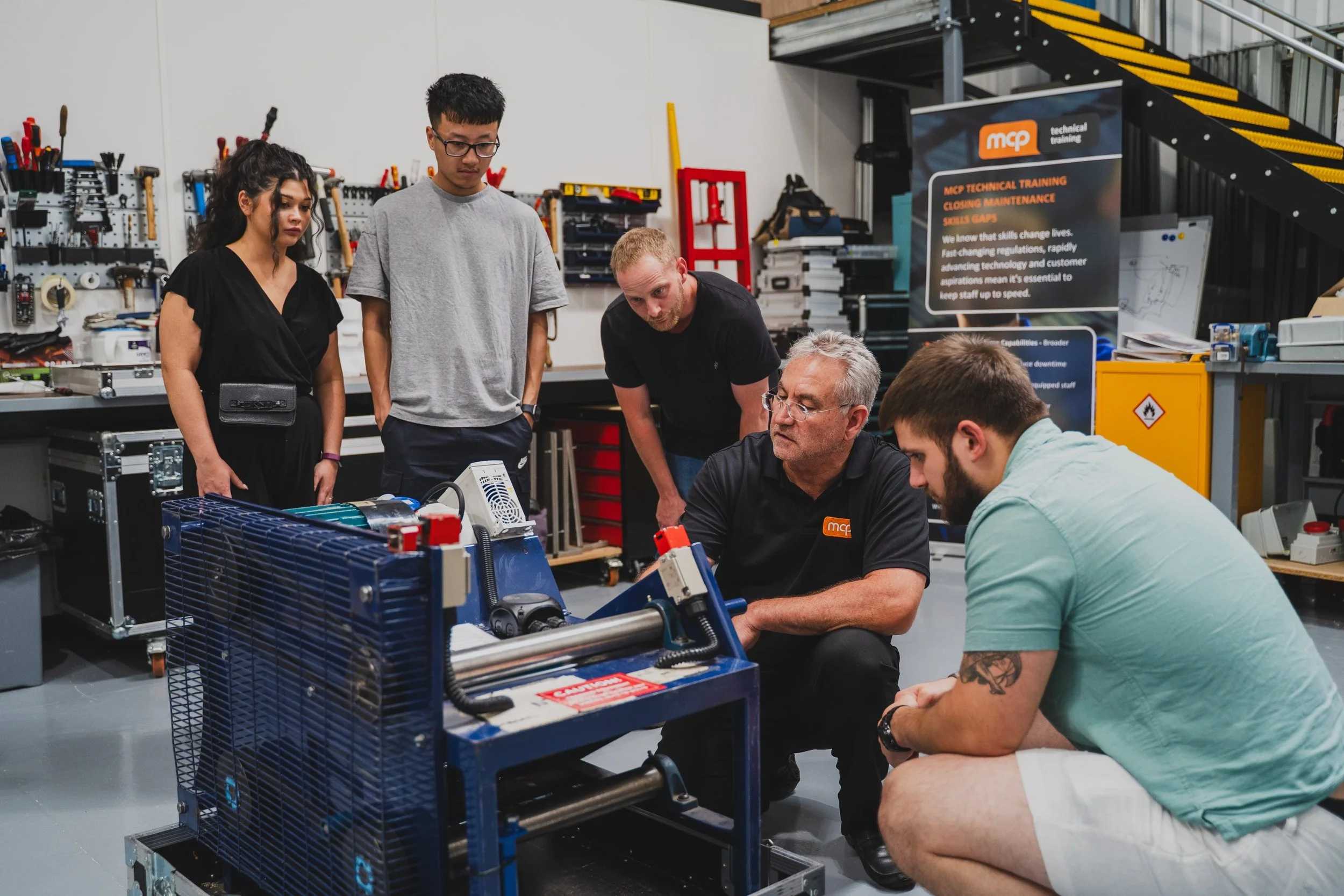
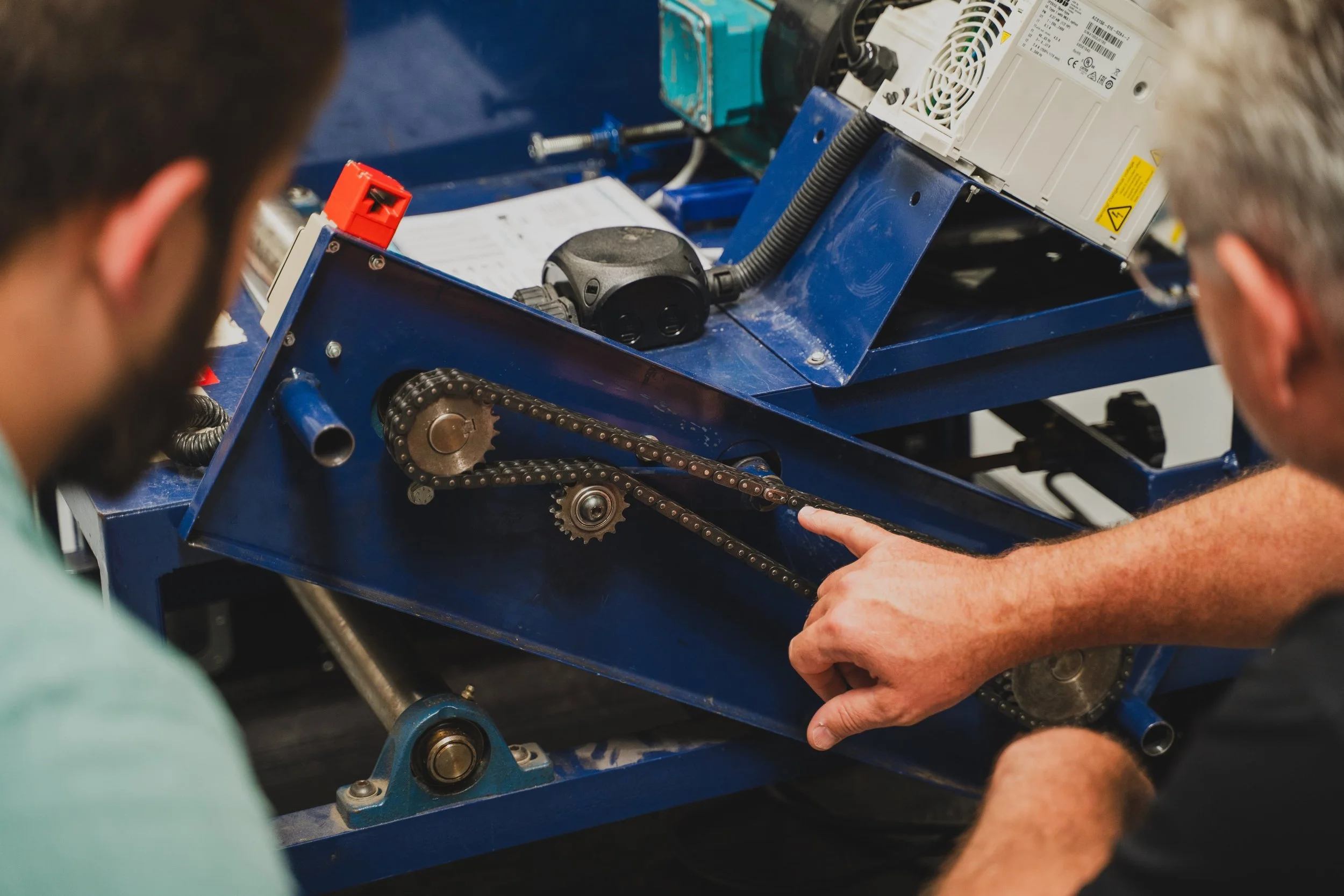
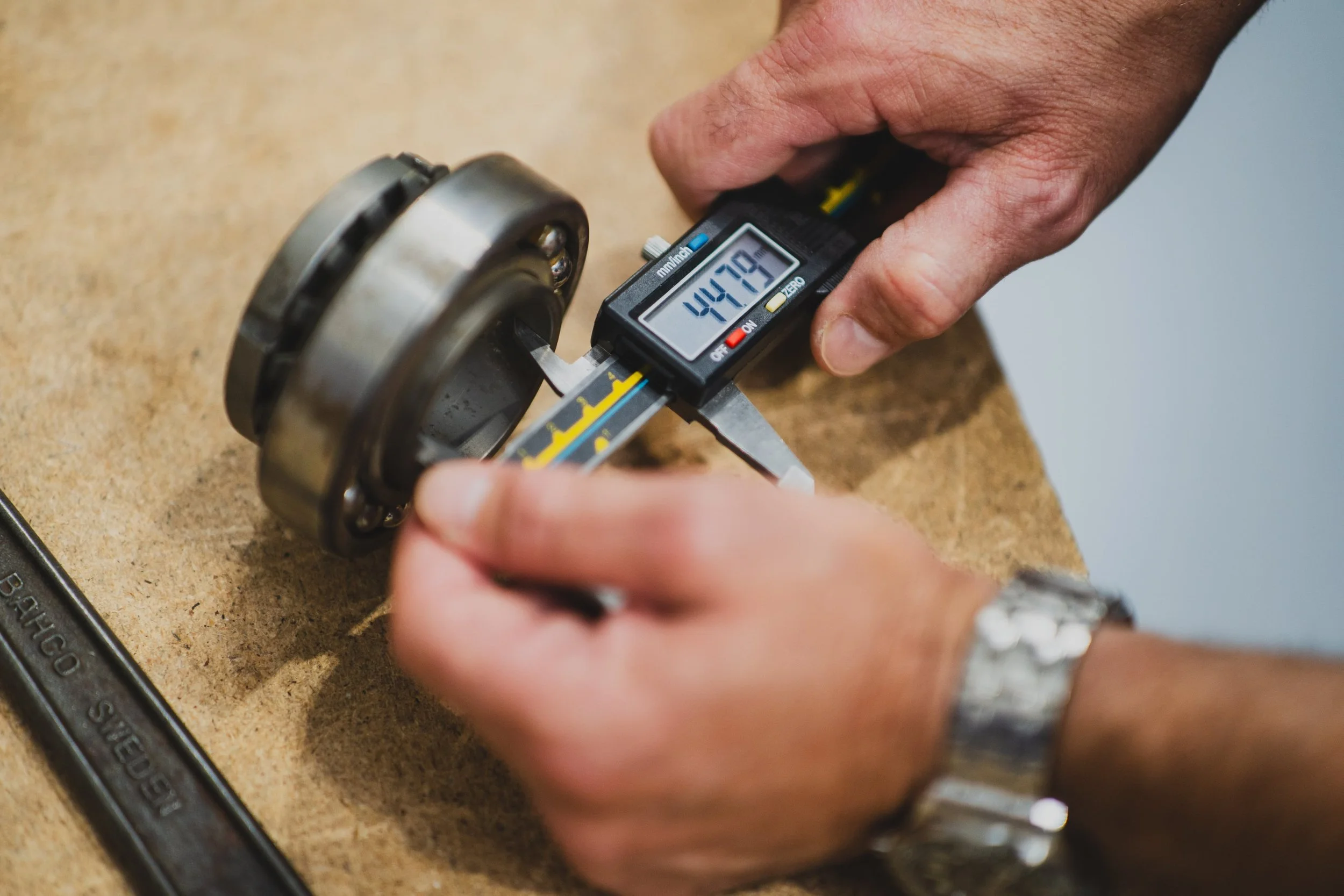
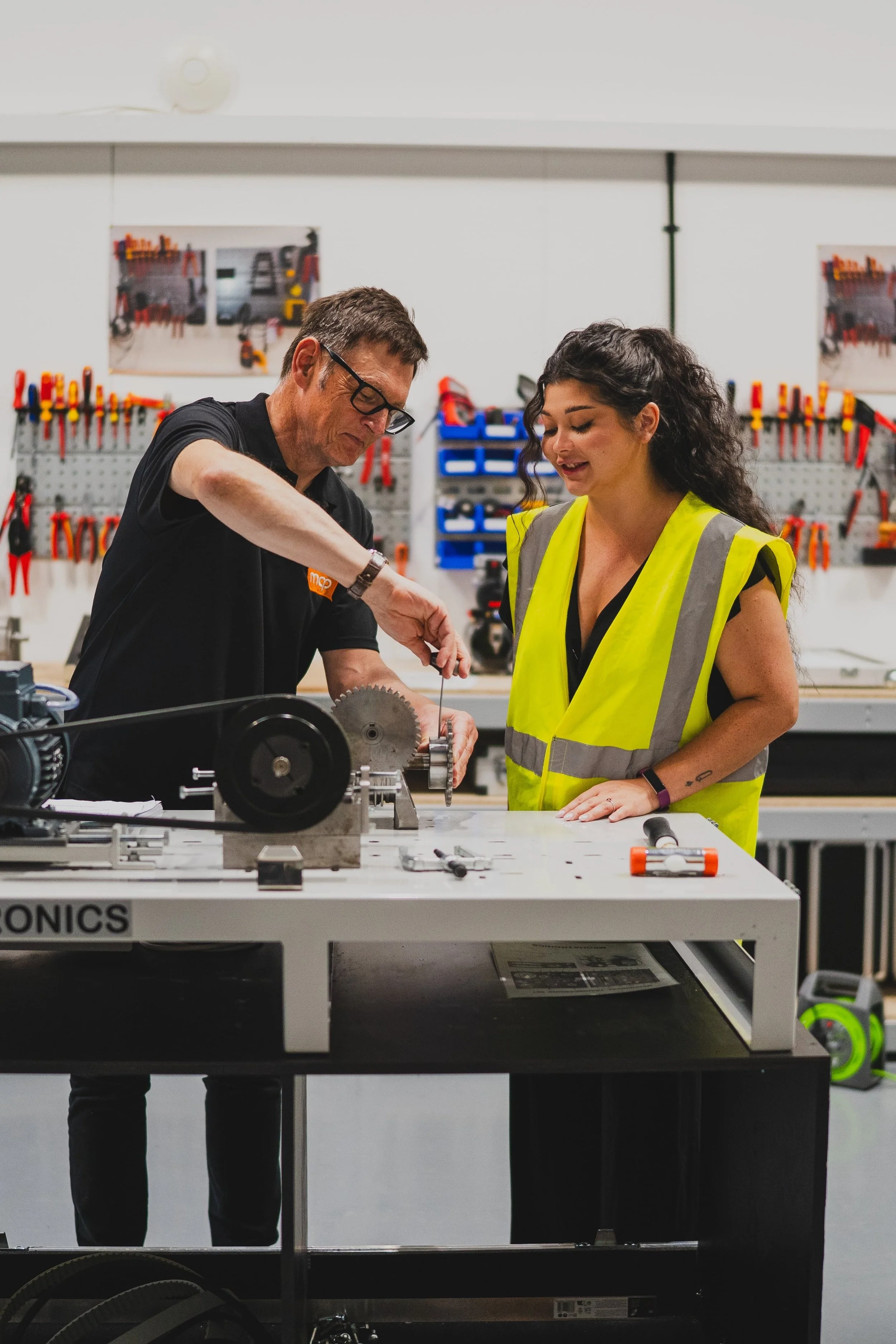
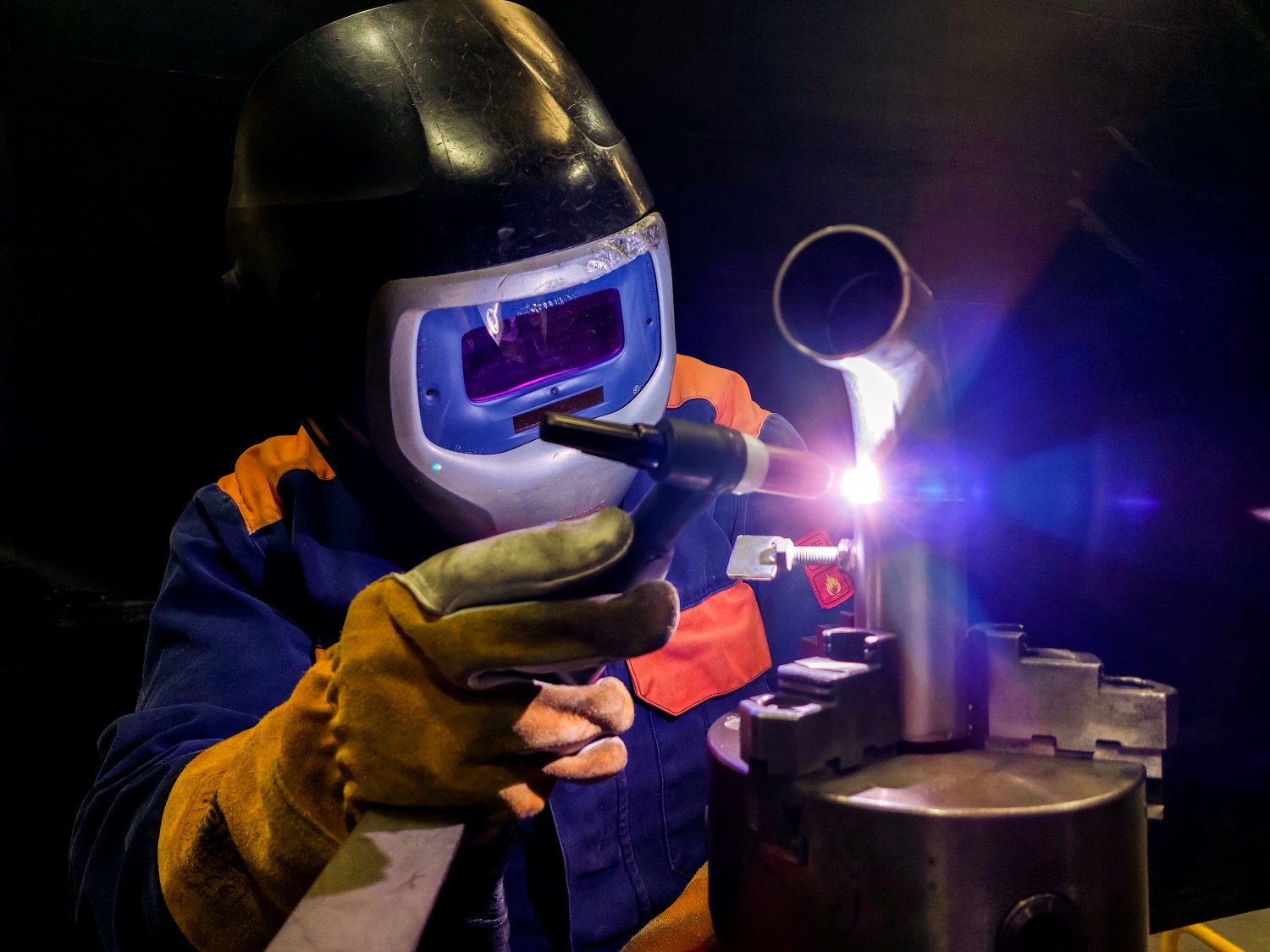
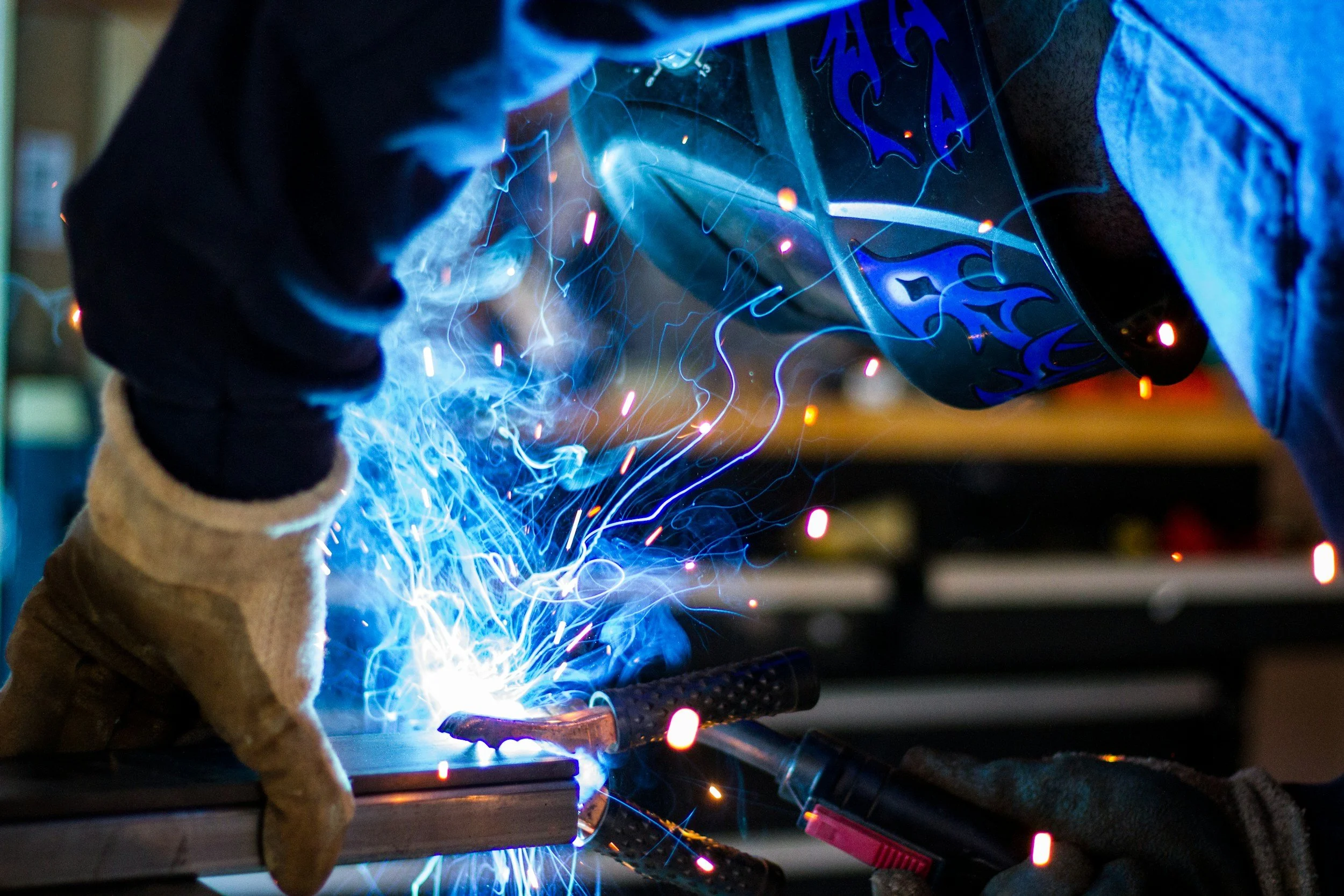
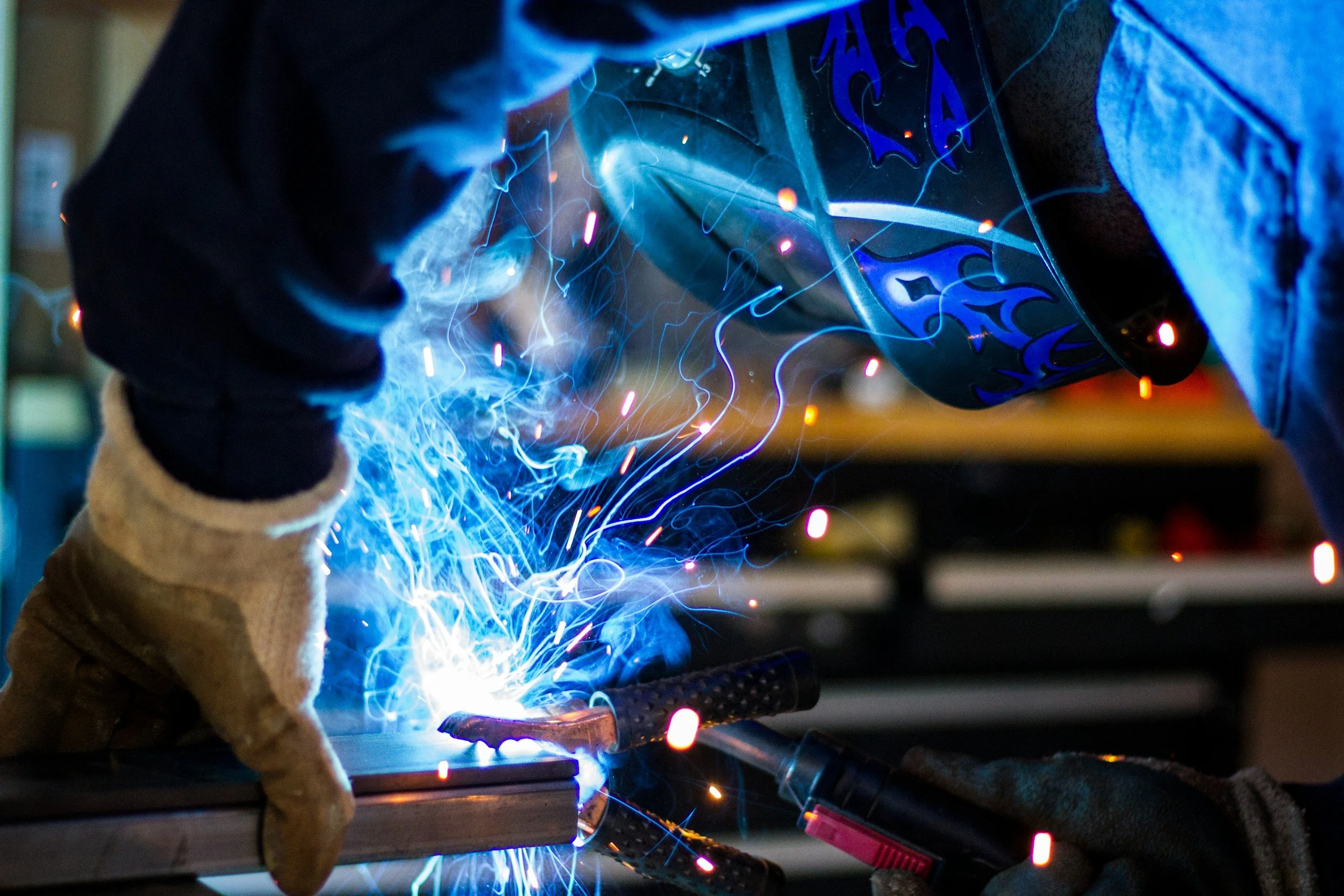
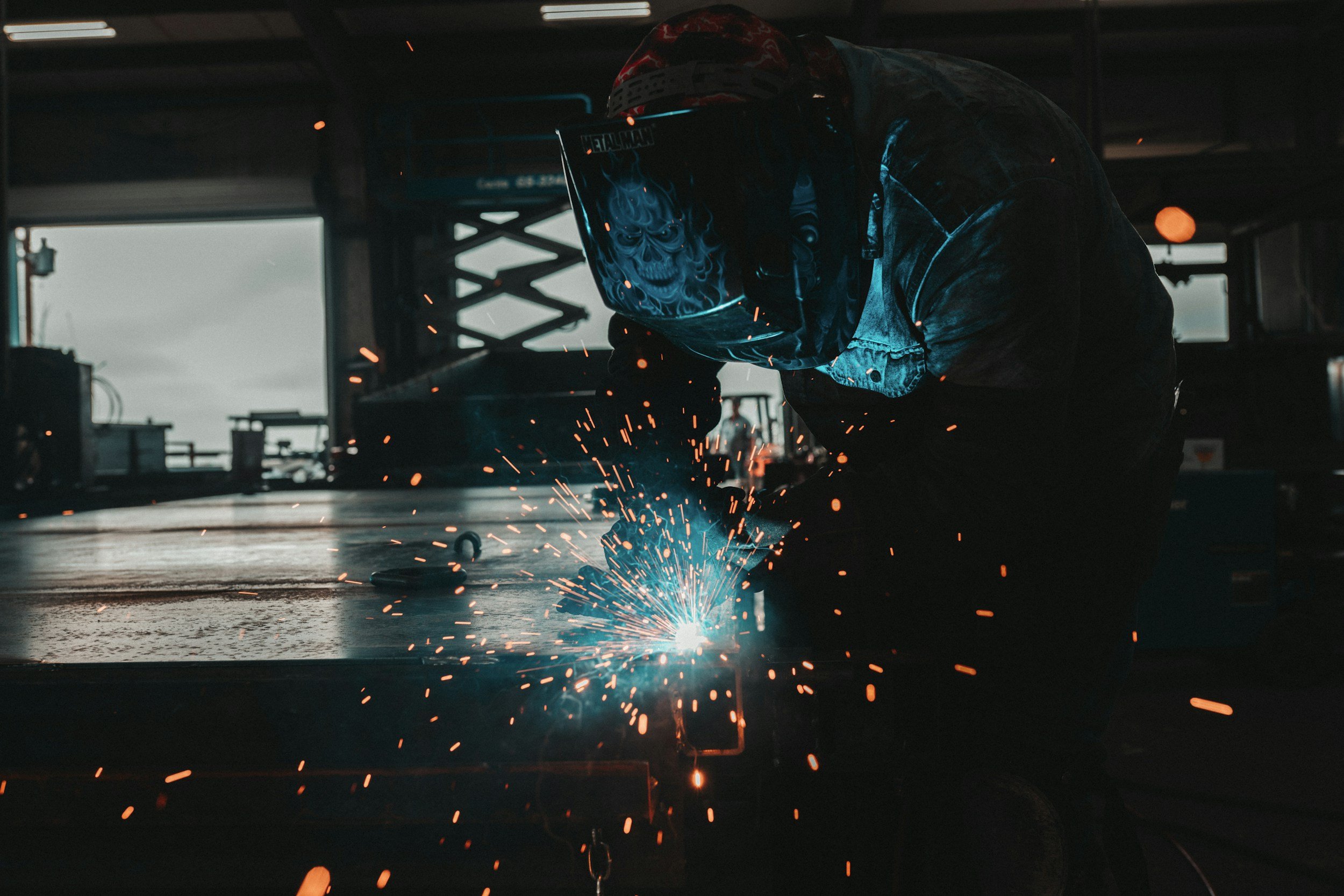
Practical welding is central to the MMA Welding Course.
All practical welding and instruction take place at a bench, helping to maximise the amount of course time available for hands-on skills development.
Delegates produce a range of test pieces while developing their welding techniques, with the training adapted according to their existing experience and ability.
Test pieces produced during the course are assessed by the trainer.
HANDS-ON TRAINING
<
HANDS-ON TRAINING <
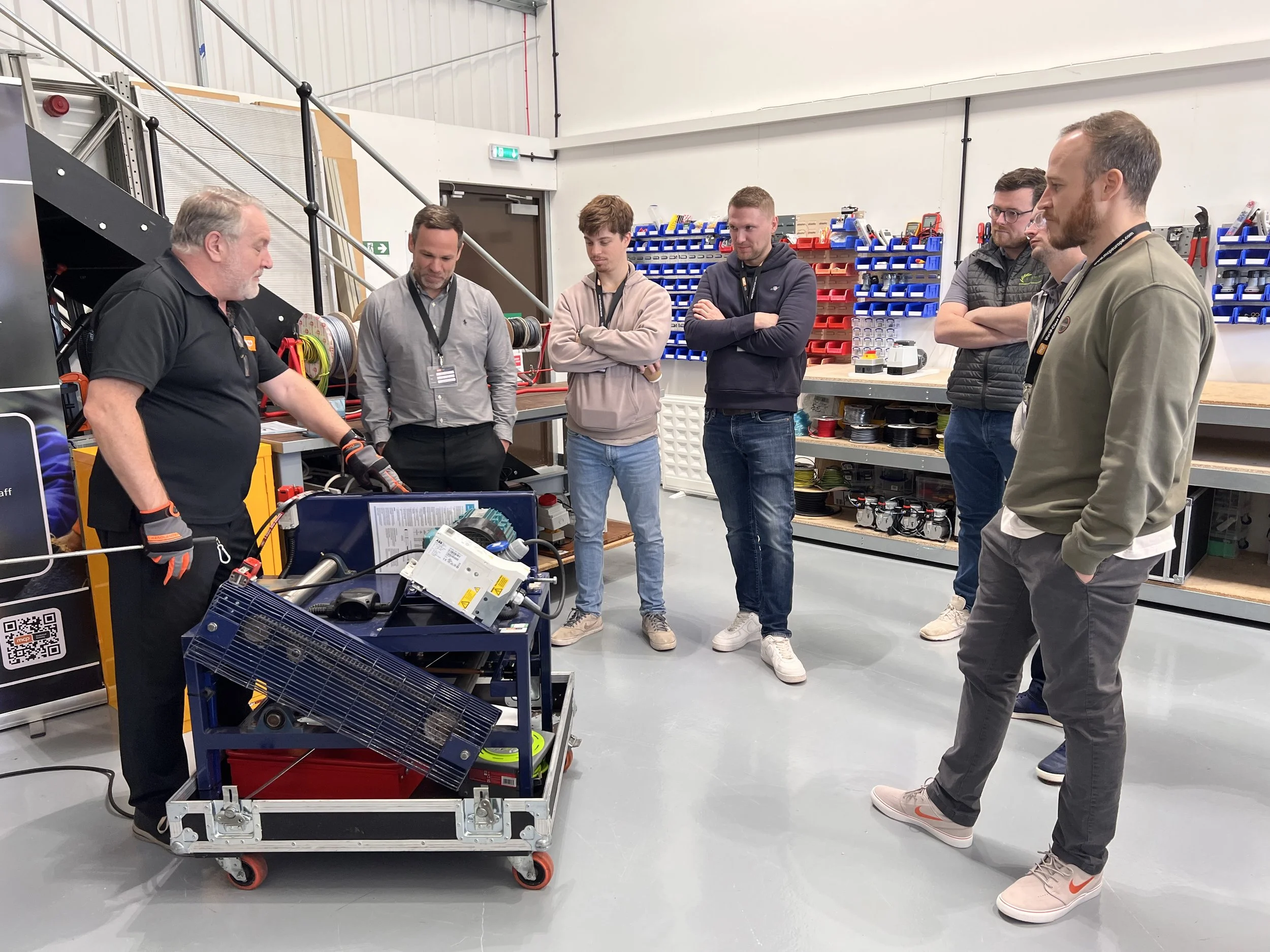
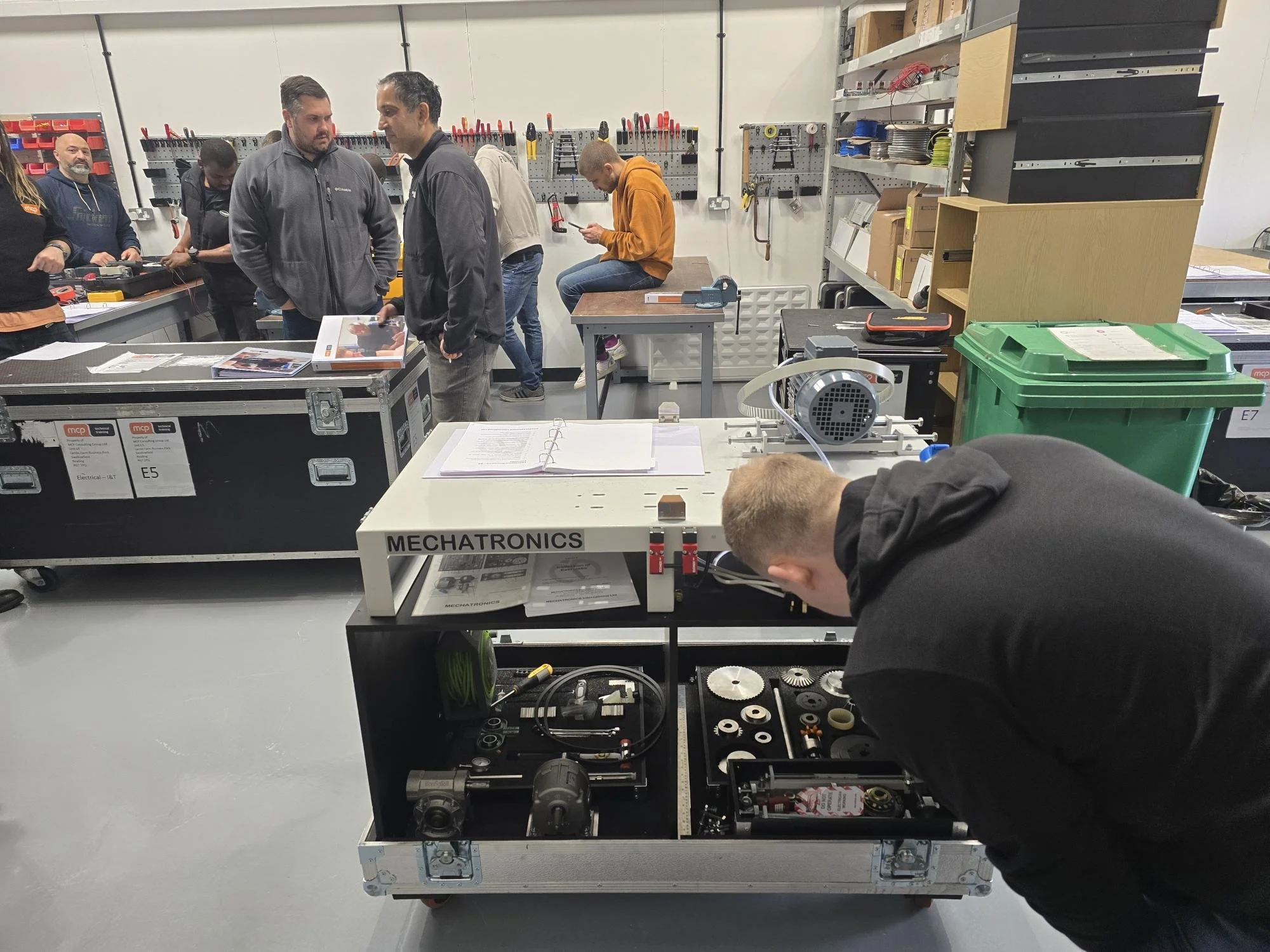
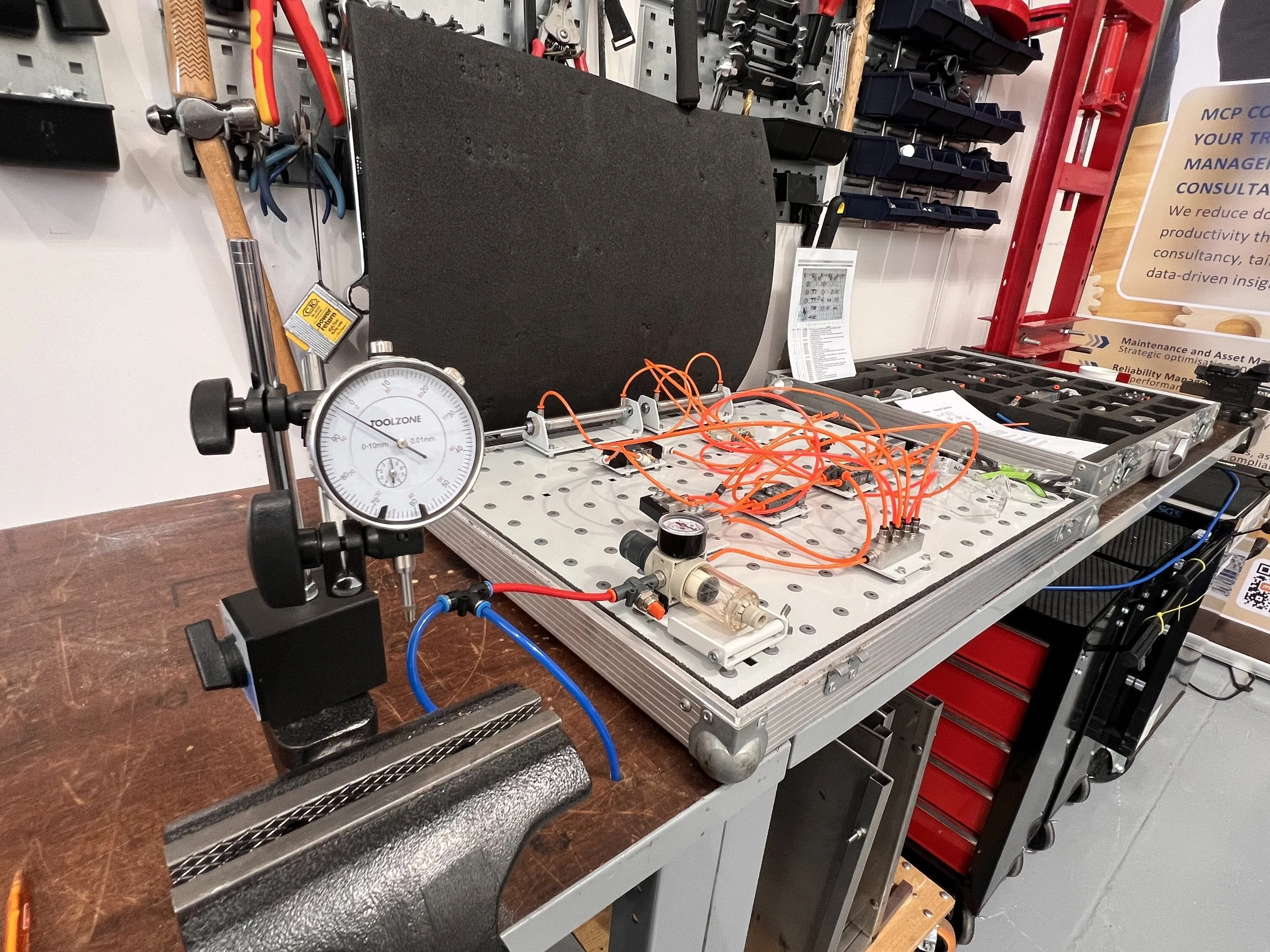
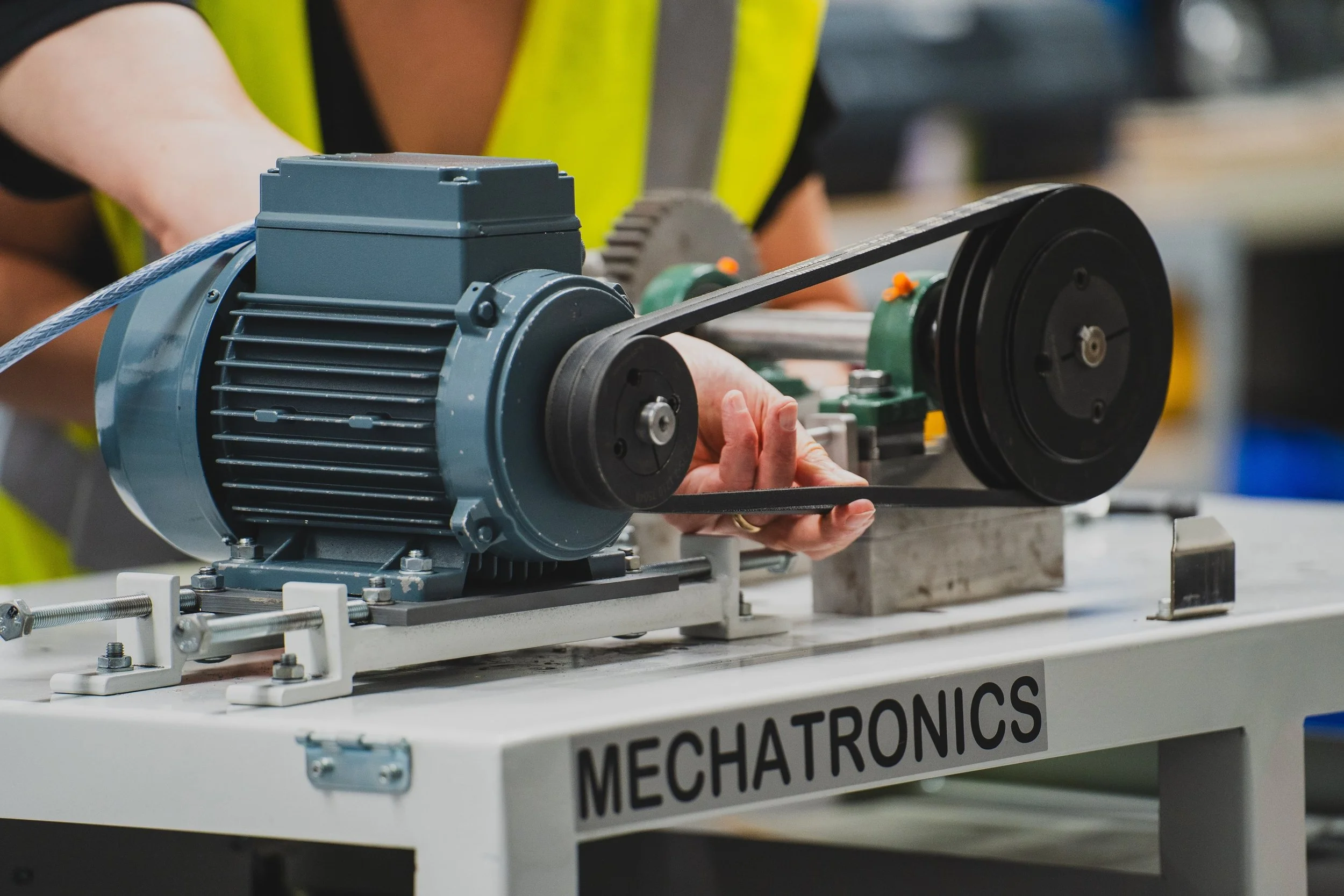
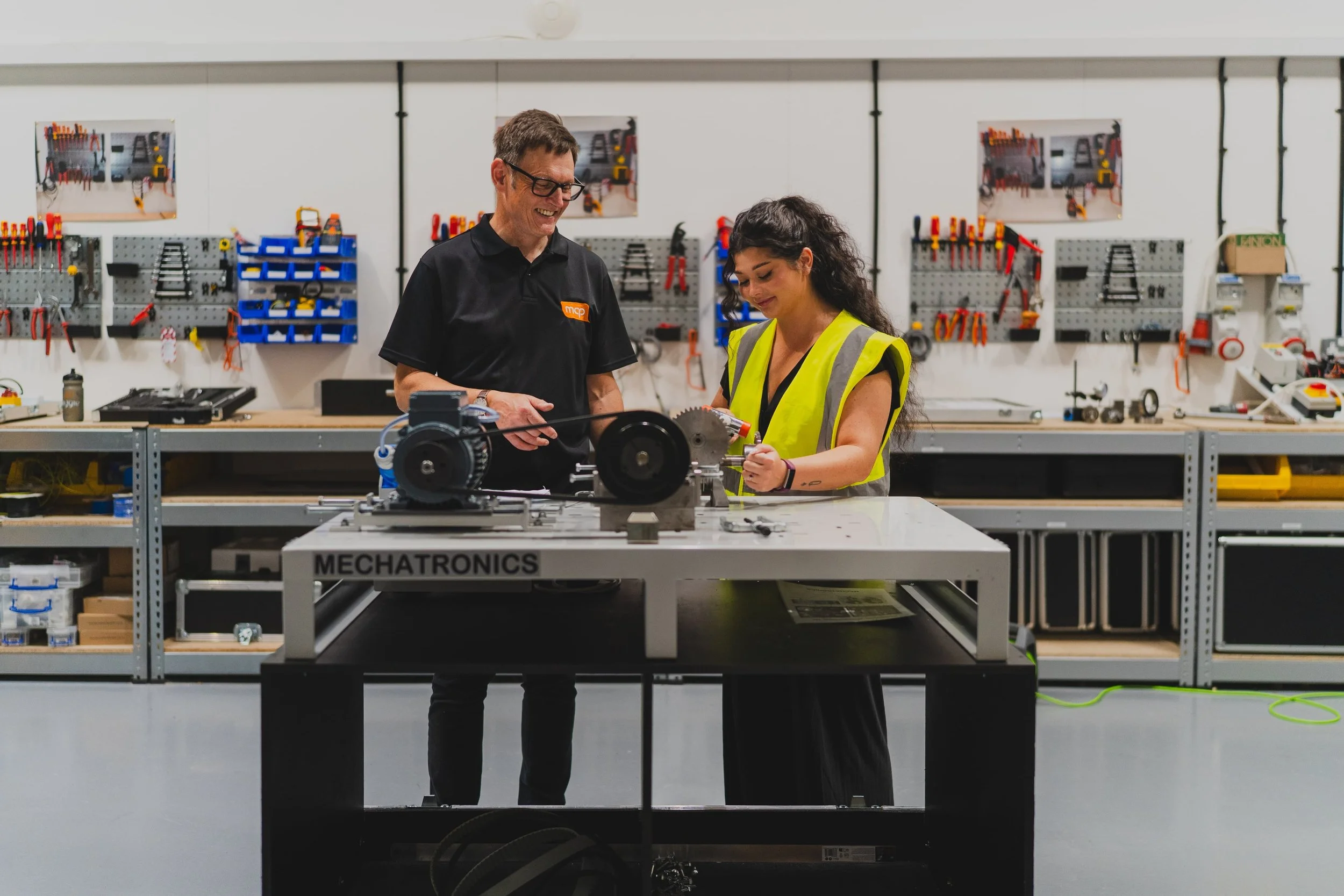
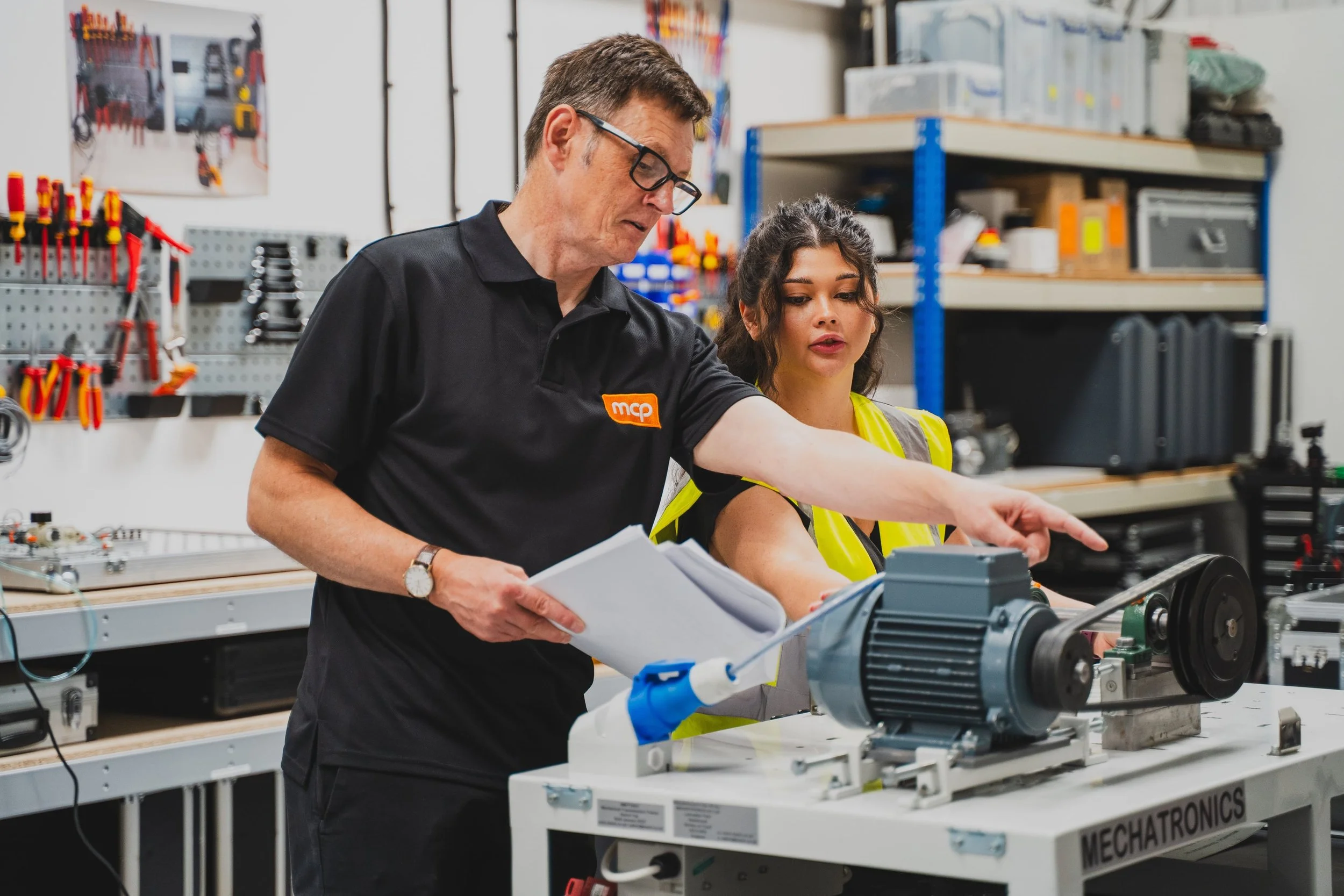
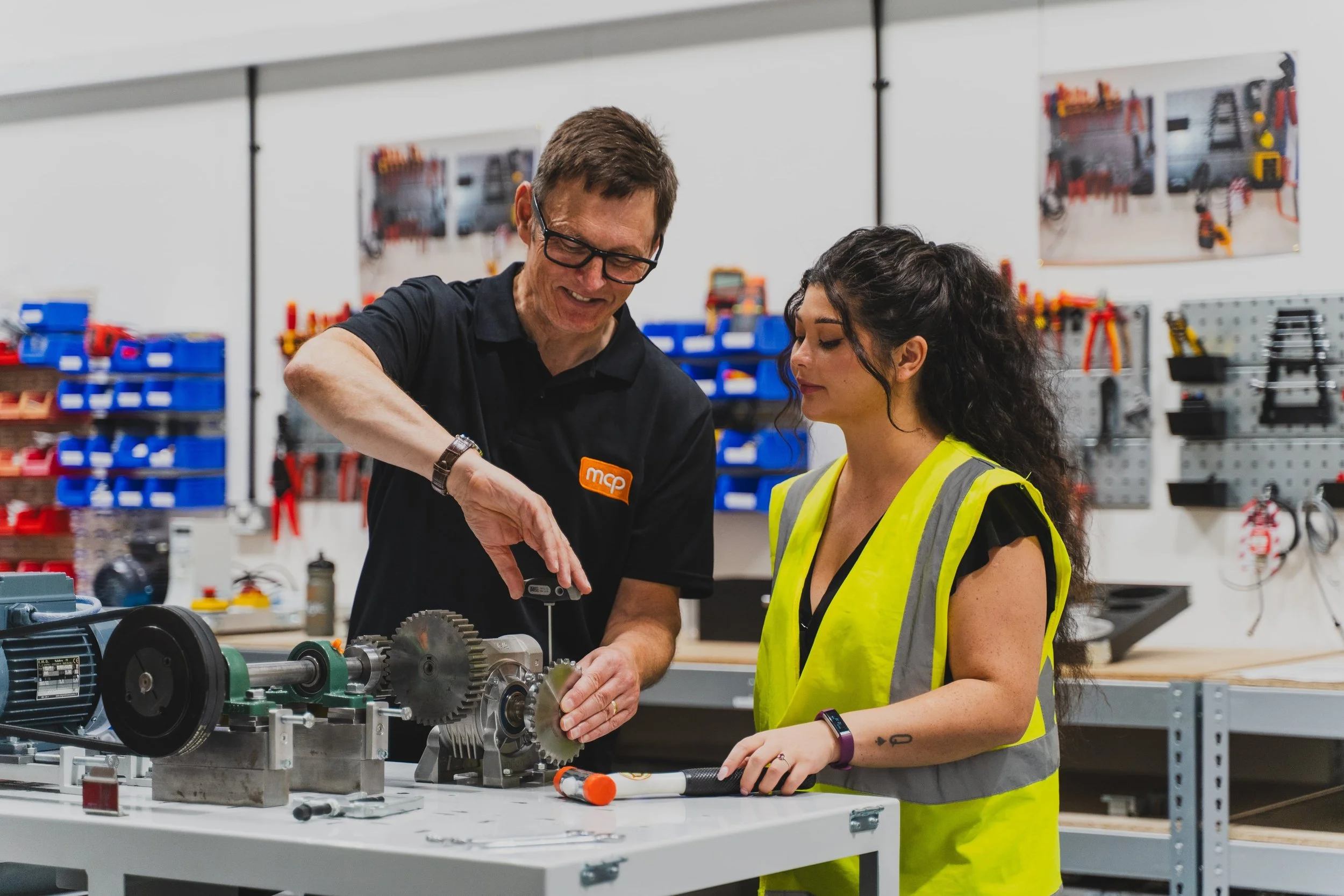
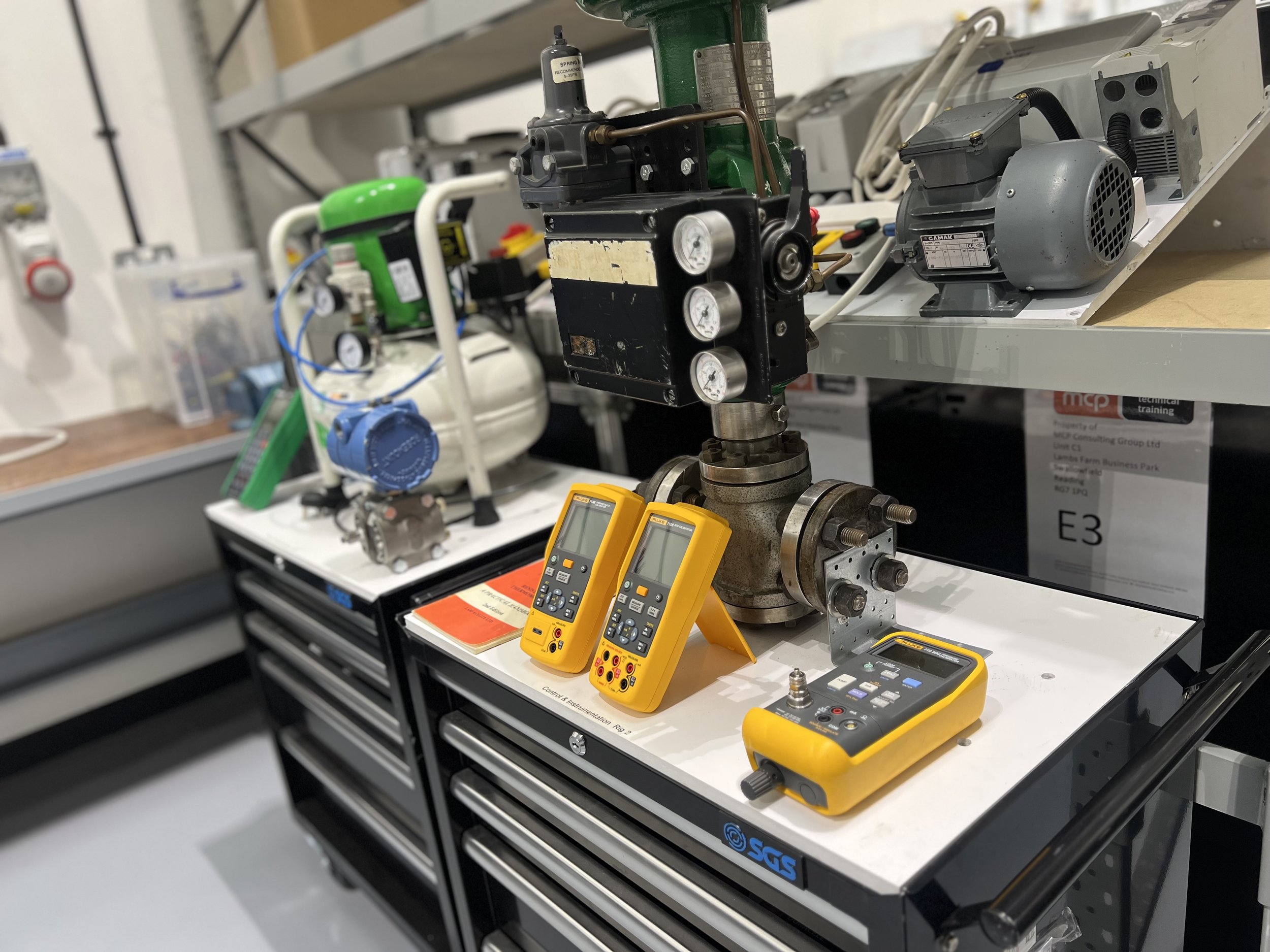
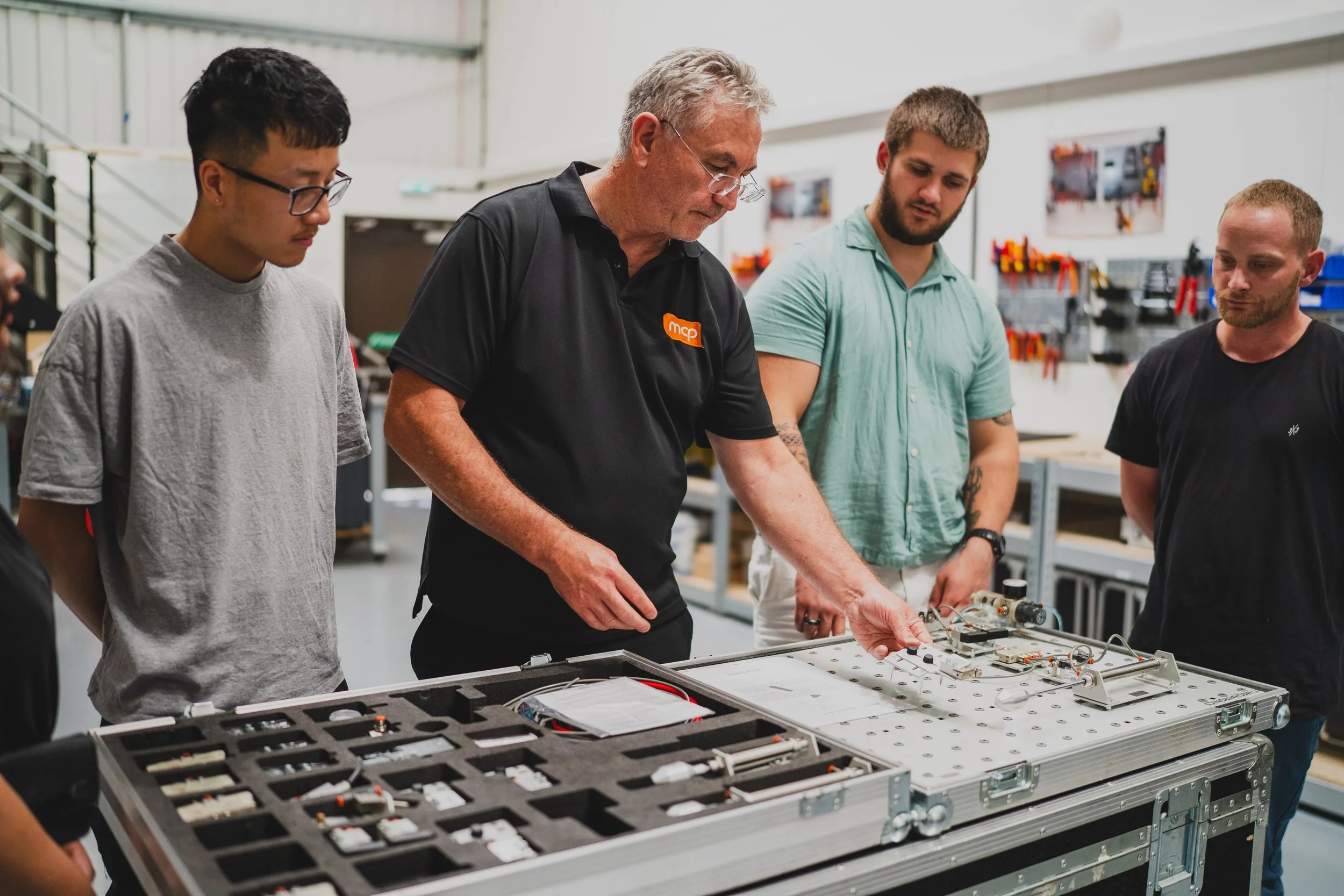
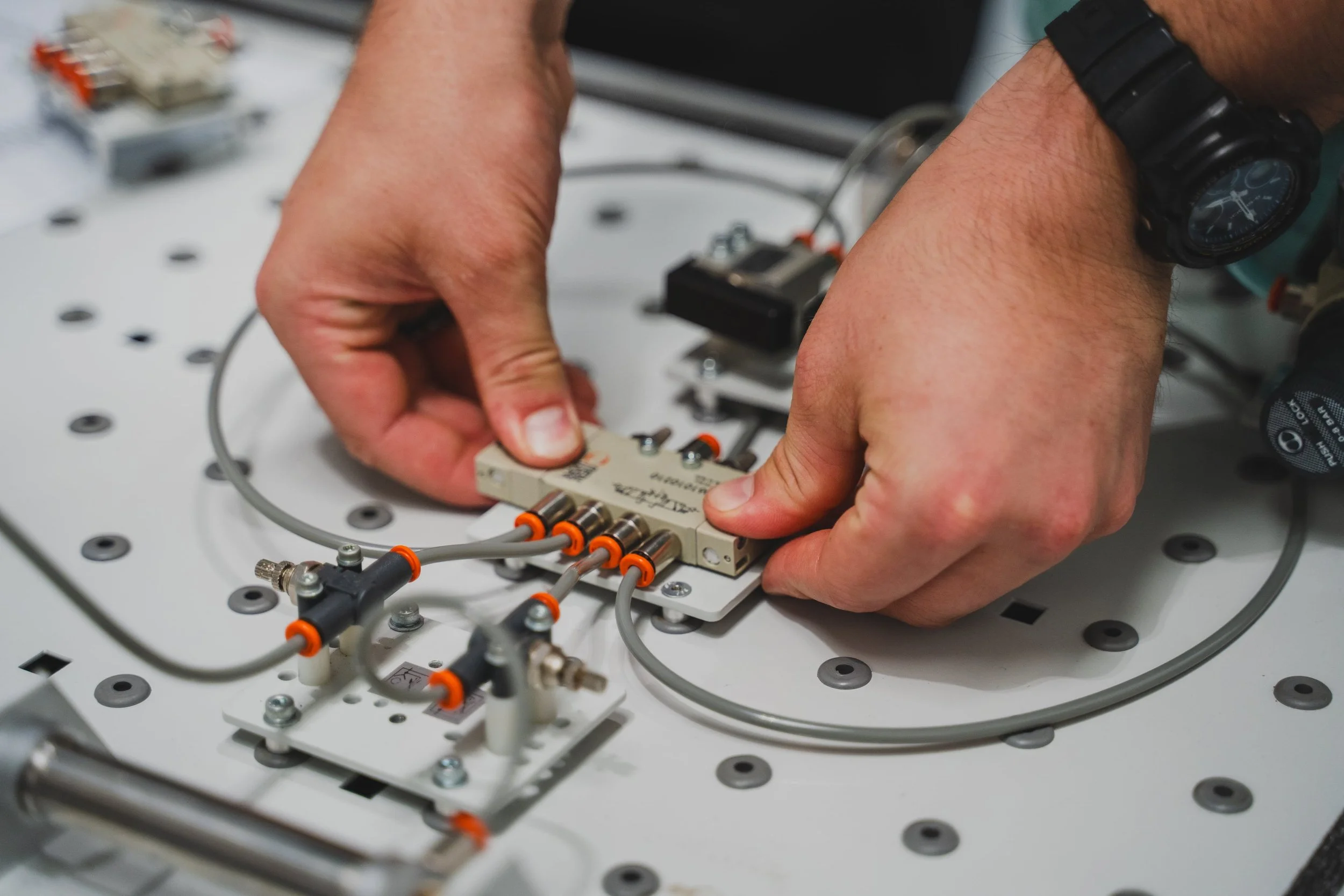
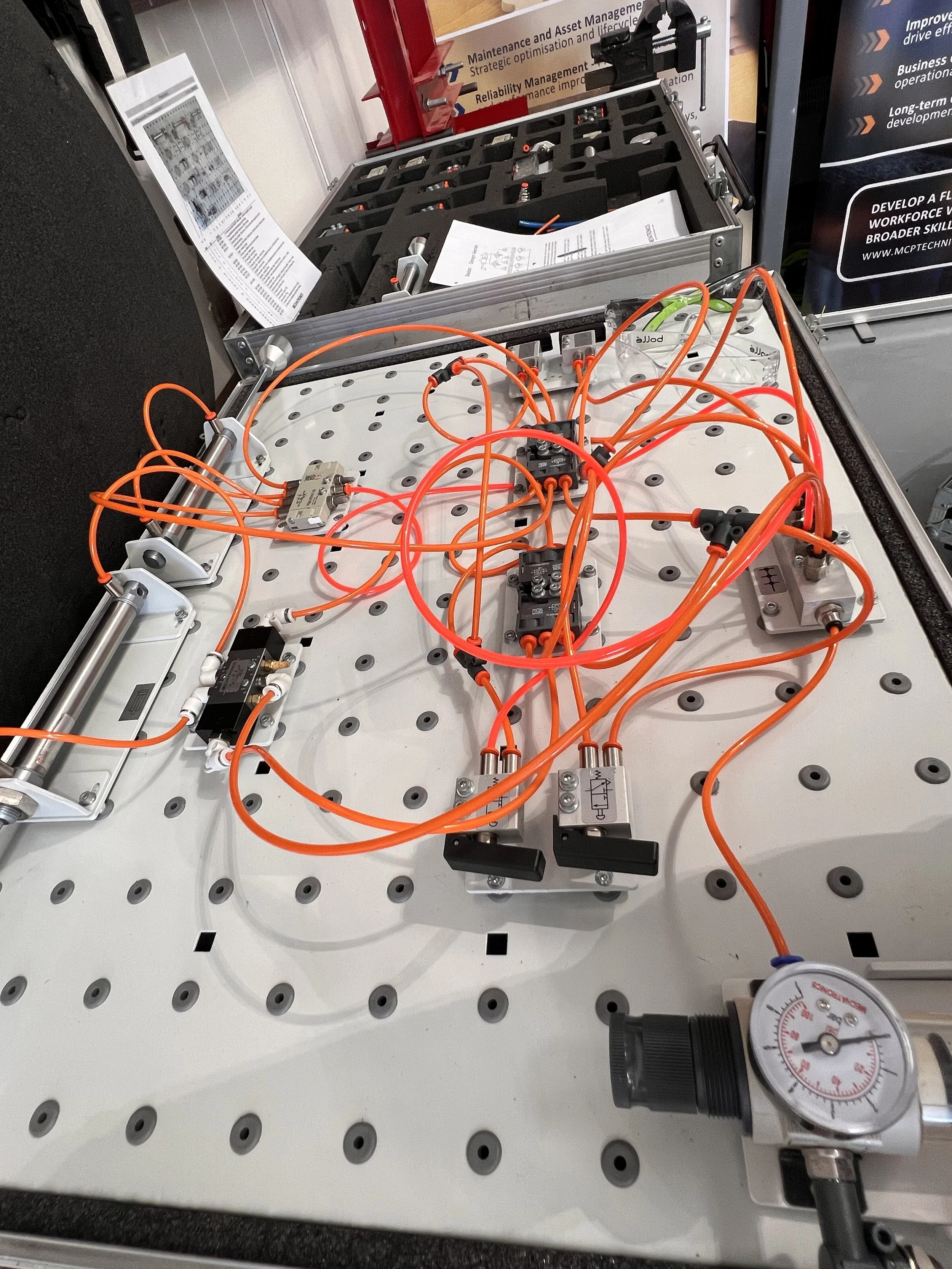
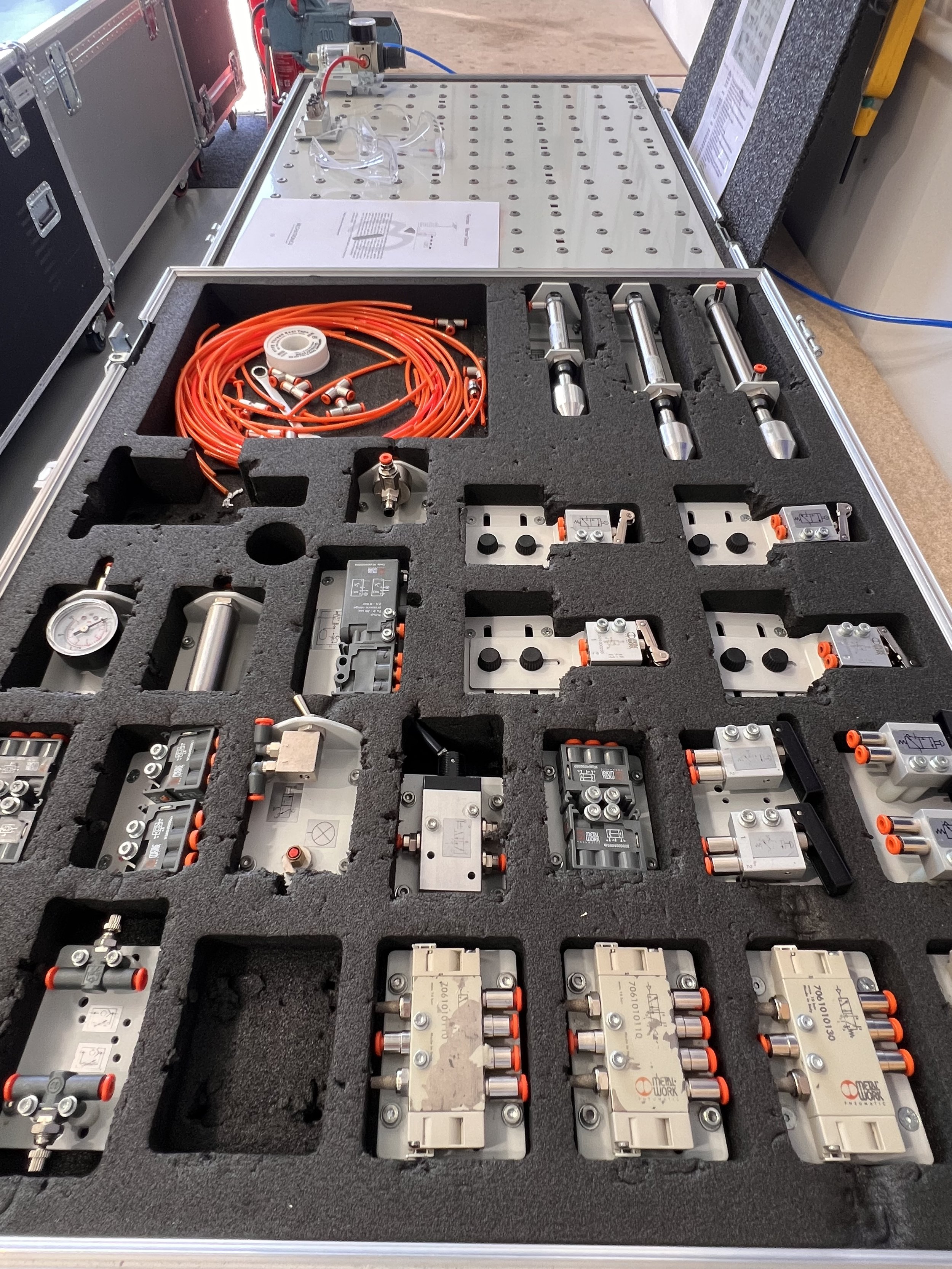
HANDS-ON TRAINING
>
HANDS-ON TRAINING >
HANDS-ON TRAINING
<
HANDS-ON TRAINING <
WHAT YOU WILL
Learn
The MMA Welding Course combines welding theory with practical activities designed to develop delegates' knowledge and hands-on welding skills.

MMA Welding Equipment
» Direct Current Electrode Positive (DCEP)
» Direct Current Electrode Negative (DCEN)
» AC differences, dependent upon machine capabilities
» Safe use of welding equipment
» Changing relevant parts of the system
Electrode Selection
& Storage
Develop an understanding of:
» Electrode classifications
» Different electrode types
» Appropriate uses
» Correct storage of electrodes
Welding Theory
& Techniques
Develop knowledge of:
» MMA welding theory
» Distortion control
» Weld symbols
» Weld defects
» Weld testing
» Process applications
Practical
Welds
» Beads on plate
» T-fillet welds
» Lap fillet welds
» Butt welds
» Open corner welds
» Welds on 3–5 mm sheet/plate
Welding
Repairs
Develop the knowledge and practical skills required to make safe and effective repairs.
Health, Safety
& PPE
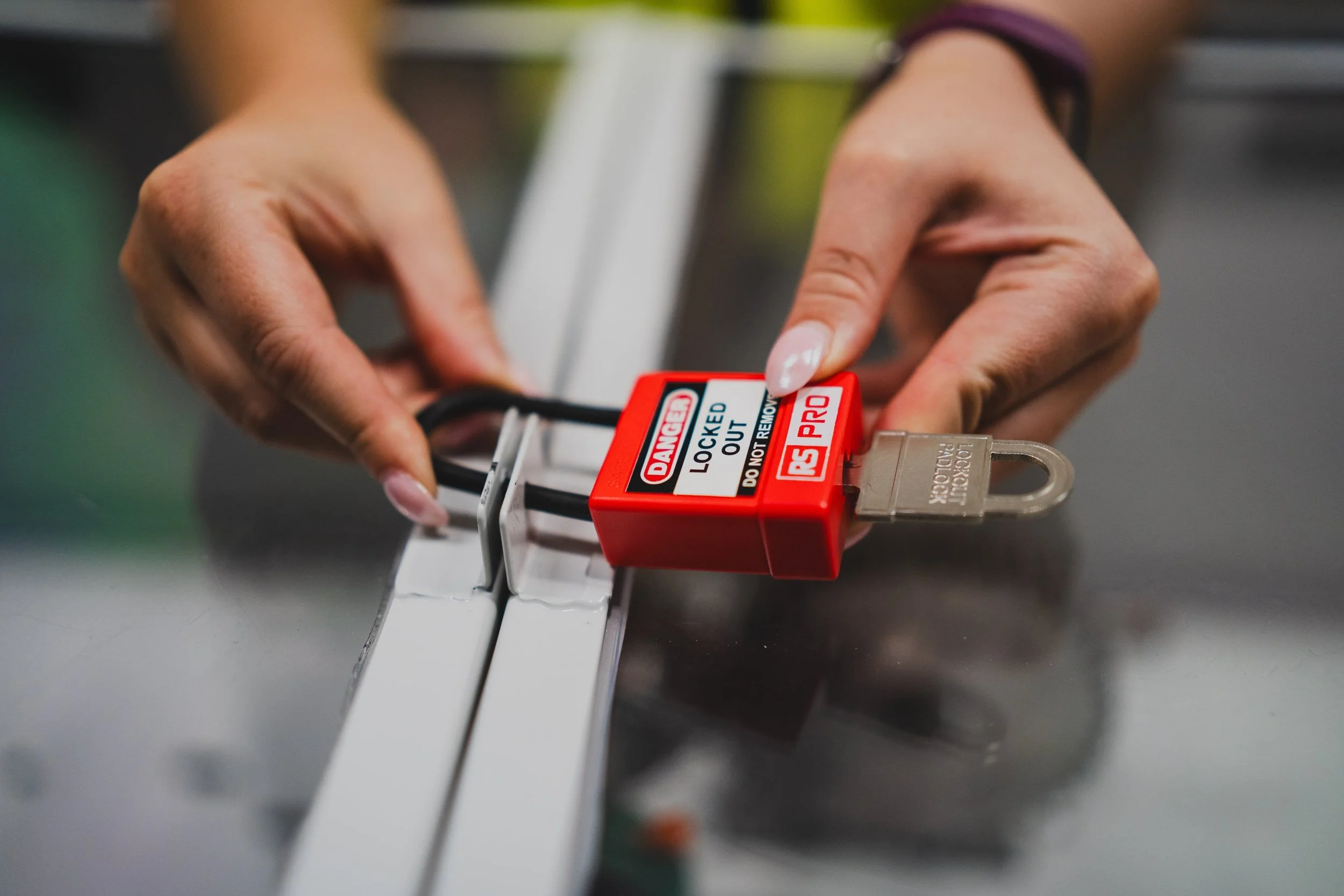
» Health and safety relating to the welding process
»Relevant aspects of HASAWA 1974
» Relevant aspects of COSHH
» Appropriate PPE
» Safe use of welding masks and air-fed masks
MMA WELDING TRAINING
Welding Course
Develop Your MMA Welding Capability
Developing practical MMA welding capability requires an understanding of the welding process, correct equipment set-up and the techniques required to produce welded joints safely and effectively.
The MMA Welding Course combines welding theory with extensive practical application, allowing delegates to understand the equipment and consumables involved before applying their knowledge through hands-on welding activities.
Delegates develop skills in producing welds in flat and horizontal/vertical positions. More able delegates can also progress to out-of-position welding, including vertical-up and overhead welding.
The course is designed to maximise practical welding time, with practical welding and instruction taking place at the bench.
WHY DEVELOP
MMA Welding Capability
Following the MMA Welding Course, delegates will have developed greater knowledge and practical capability in the Manual Metal Arc welding process.
Setting up MMA welding equipment
» Understanding DCEP, DCEN and relevant AC differences
» Selecting appropriate electrodes
» Storing electrodes correctly
» Applying MMA welding techniques
» Producing a range of welded joints
» Understanding distortion control
» Recognising weld symbols and defects
» Understanding weld testing
» Making safe and effective repairs
» Using welding equipment safely
» Selecting and using appropriate PPE
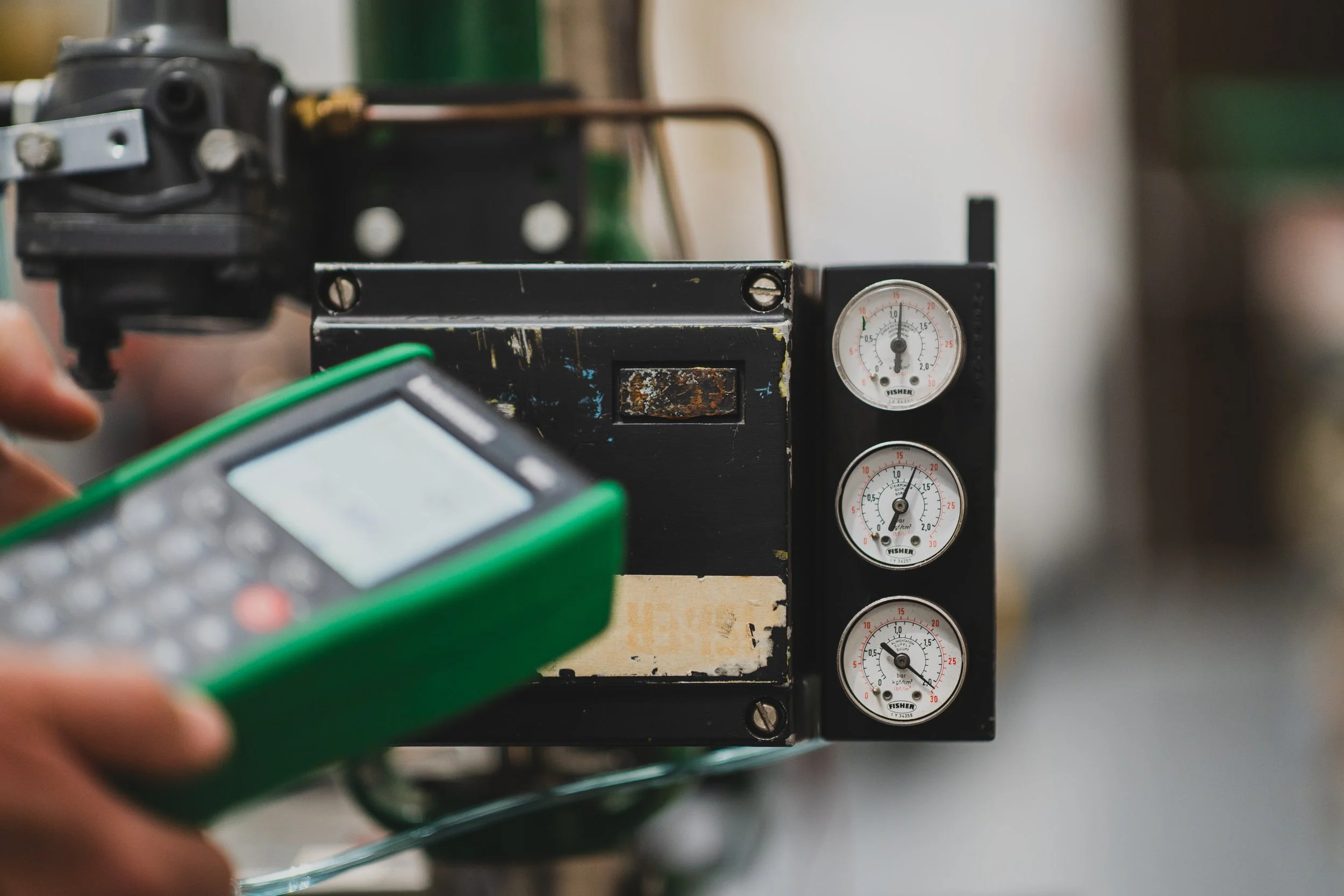
» Undertaking basic welder maintenance
The exact level of practical capability developed will depend upon the duration of the course, delegates' starting experience and the training requirements agreed.
IS THIS COURSE
Right for You?
The MMA Welding Course is designed for people who need to develop, refresh or extend their practical Manual Metal Arc welding skills. Training can be tailored to suit both novices and more experienced welders looking to upskill or recode, as well as being adapted to meet employer requirements.
It is particularly suitable for:
» Maintenance Technicians
» Mechanical Maintenance Engineers
» Mechanical Fitters
» Fabricators
» Engineering Technicians
» Multi-skilled Maintenance Engineers
» Employees developing practical welding skills
» Existing welders looking to upskill or refresh their skills
» Organisations looking to develop MMA welding capability within their teams
The duration and content of the training can be adapted according to delegates' existing experience and organisational requirements.
WHAT WILL YOU
Be Able to Do?
Following the MMA Welding Course, delegates will have developed greater knowledge and practical capability in the Manual Metal Arc welding process.
Depending on the training undertaken and individual experience, this includes greater confidence in:
» Setting up MMA welding equipment
» Understanding DCEP, DCEN and relevant AC differences
» Selecting appropriate electrodes
» Storing electrodes correctly
» Applying MMA welding techniques
» Producing a range of welded joints
» Understanding distortion control
» Recognising weld symbols and defects
» Understanding weld testing
» Making safe and effective repairs
» Using welding equipment safely
» Selecting and using appropriate PPE
» Undertaking basic welder maintenance
The exact level of practical capability developed will depend upon the duration of the course, delegates' starting experience and the training requirements agreed.
ASSESSMENT &
Certification
Practical welding forms an important part of the course, with delegates undertaking practical activities and weld test pieces as part of their training.
Practical weld test pieces are assessed to help evaluate the welding skills developed during the course.
Following completion of the training, delegates receive an MCP Certificate of Attendance (BS 4872).
COURSE
Syllabus
» Weld symbols
» Weld defects
» Weld testing
» Beads on plate
» Personal protective equipment
» Electrode classification, selection and uses
» Electrode storage
» MMA welding theory
» Distortion control
» COSHH
» Practical welding and assessment
» MMA welding equipment
» Equipment set-up
» DCEP and DCEN
» AC differences where applicable
» Health and safety
» Process applications
» T and lap fillet welds
» Butt welds
» Open corner welds
» Welding positions
» Welding repairs
» Basic welder maintenance
Which Welding Course Is Right for You?
Choosing the appropriate welding course will depend upon the welding process used within your workplace, your existing experience and the practical skills you need to develop.
TIG Welding
Suited to applications where control and precision are particularly important and provides training in the Tungsten Inert Gas welding process.
MIG/MAG Welding
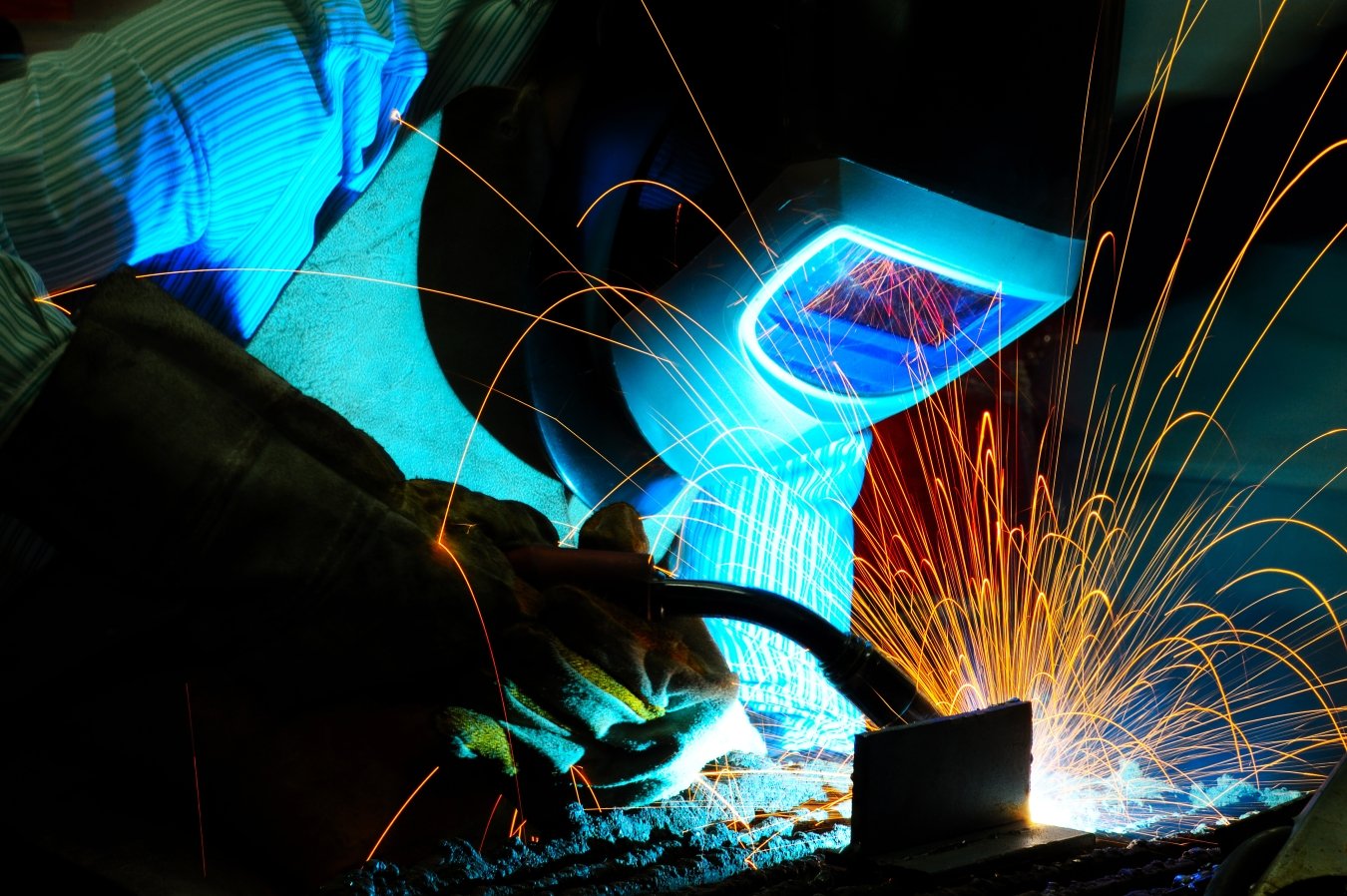
provides training in the Metal Inert Gas and Metal Active Gas welding processes widely used across manufacturing, fabrication and engineering environments.

MMA Welding
Also known as stick welding, provides training in the Manual Metal Arc process used across a range of maintenance, engineering and fabrication applications.
Whether you are introducing employees to welding, developing existing skills or strengthening practical welding capability within your maintenance and engineering teams, MCP Technical Training offers a range of courses to meet different requirements.
Explore our TIG, MIG/MAG and MMA welding courses to find the appropriate training or speak to our team about tailoring welding training to your organisation.
DEVELOP YOUR WELDING SKILLS
Training Journey

FAQs
-
MMA stands for Manual Metal Arc welding. It is also commonly referred to as stick welding.
-
The course can be tailored for novice welders as well as more experienced welders looking to upskill or recode. Training can also be adapted to meet employer requirements.
-
The course can be delivered over one to five days, depending on delegates' existing experience and training requirements.
-
Yes. Practical welding is central to the course, with practical welding and instruction taking place at the bench to maximise hands-on training time.
-
Practical training can include beads on plate, T and lap fillet welds, butt welds and open corner welds on 3–5 mm sheet or plate. More able delegates may also undertake vertical-up and overhead welding.
-
Yes. Test pieces produced during the course are assessed by the trainer.
-
Delegates receive an MCP Certificate of Attendance (BS 4872) following completion of the training.