
POST-APPRENTICESHIP DEVELOPMENT
Newly Qualified Engineers
Develop the practical skills of newly qualified engineers with post-apprenticeship training tailored to workplace roles and technical requirements.
Watch our
Skills Gaps Video
«««
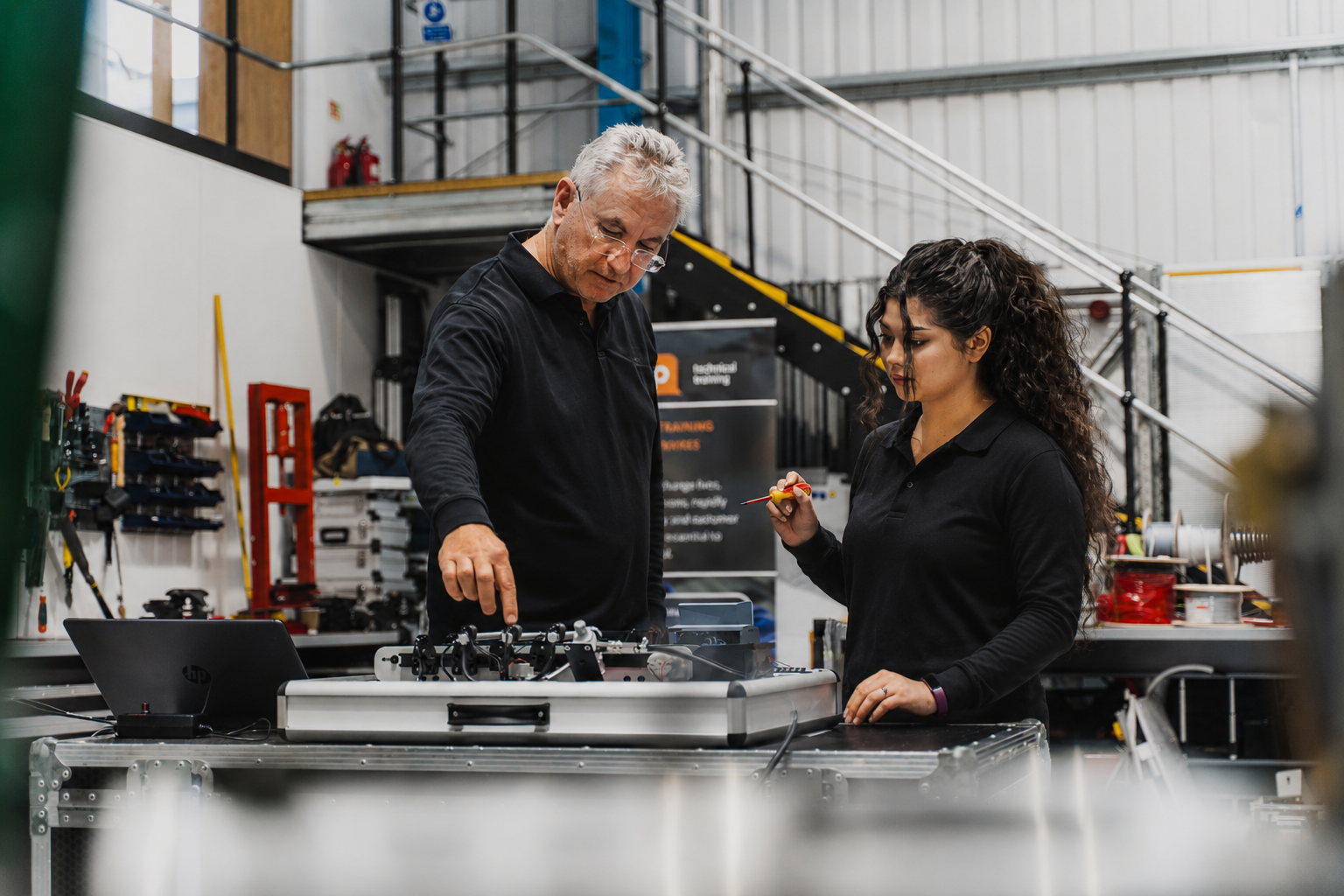
Building the Right Development Pathway
The right pathway depends on what the engineer already knows, what their role requires and the skills the employer needs them to develop.
01. DEFINE THE DEVELOPMENT REQUIREMENT
Identify the additional technical knowledge and practical skills required for the individual's role.
02. SELECT THE RIGHT TRAINING
Choose appropriate MCP courses, established programmes or a tailored combination of training.
03. DEVELOP KNOWLEDGE & PRACTICAL SKILLS
Build capability progressively through technical learning and practical application.
04. CONSOLIDATE IN THE WORKSPACE
Allow engineers to reinforce and apply their new skills within the appropriate workplace environment, with suitable organisational support.
05. CONTINUE DEVELOPMENT
Identify the next stage of development as responsibilities and technical capability increase. This provides a practical route from apprenticeship learning towards the broader knowledge and skills required.
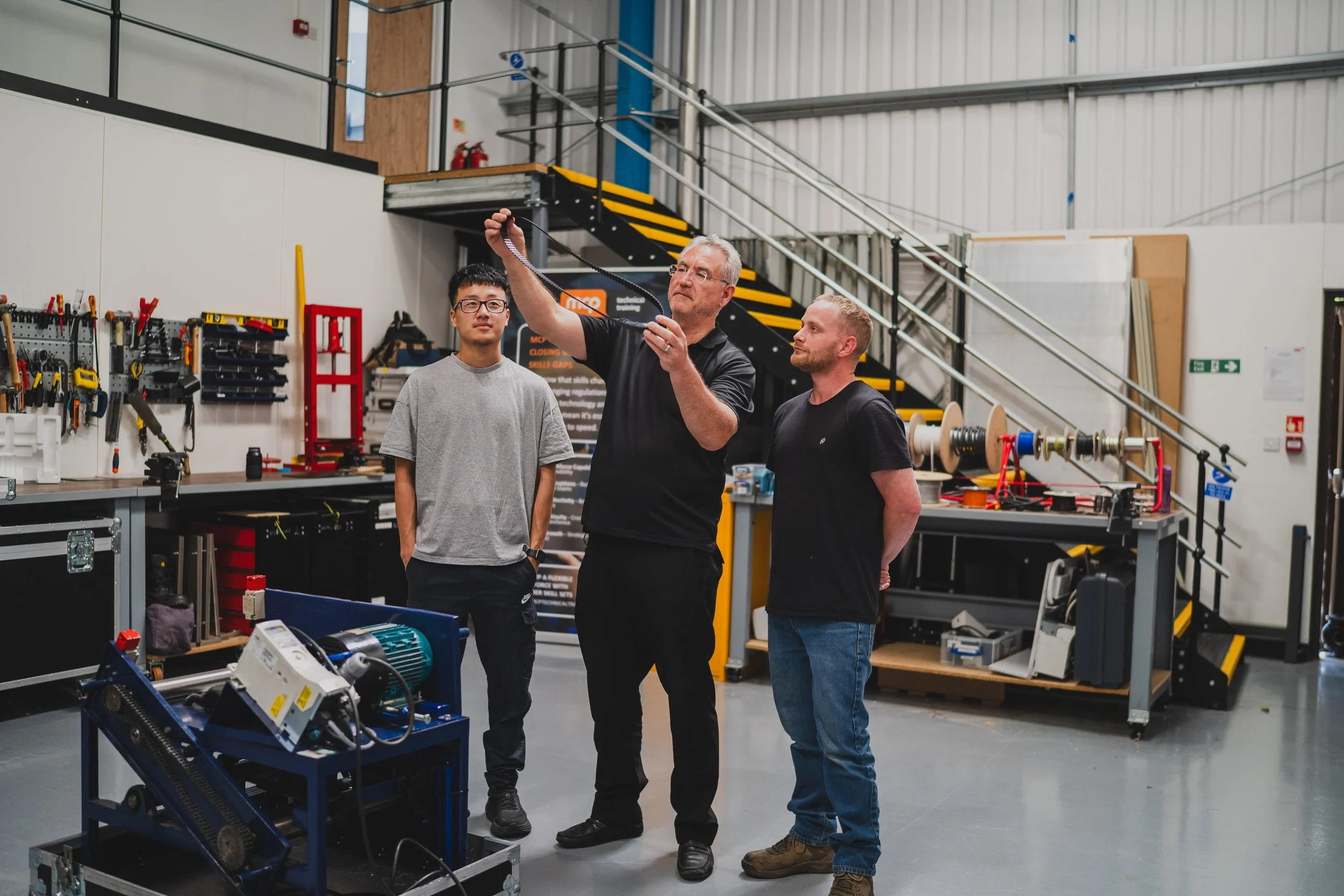
From Analysis to a Development Plan
A Skills Gap Analysis should provide a practical route forward rather than simply highlighting areas of weakness.
Identify the difference between current and required capability
Primary purpose
Assess and demonstrate technical knowledge and practical skills
Maintenance Development Centre
Skills Gap Analysis
Assessment results and development recommendations
Focus
Skills gaps and development priorities
Individual assessment with team-level reporting
Level
Outcome
Individual or team
Targeted development priorities
Technical assessment and evidence of capability
The findings can be used to help organisations establish:
» Priority development areas
» Individual training requirements
» Common team development needs
» Appropriate technical training pathways
» Opportunities for multi-skilling
» Workplace development requirements
» Longer-term competence objectives
» Areas requiring reassessment

FROM APPRENTICESHIP TO SAFE,
Competent and Knowledgeable Engineers
Completing an engineering apprenticeship provides an important technical foundation. However, newly qualified engineers may still require additional practical development to meet the specific requirements of their role and working environment.
An employer may already know exactly where further development is needed. A newly qualified engineer may, for example, require additional three phase electrical knowledge and practical skills before undertaking particular maintenance activities safely and competently.
MCP Technical Training works with organisations to provide targeted post-apprenticeship development, helping newly qualified engineers build the additional knowledge and practical capability required for their workplace roles.
Where the development requirement is already understood, appropriate technical courses and programmes can be selected. Where the gaps are less clear, MCP can also help establish existing capability and identify areas requiring further development.
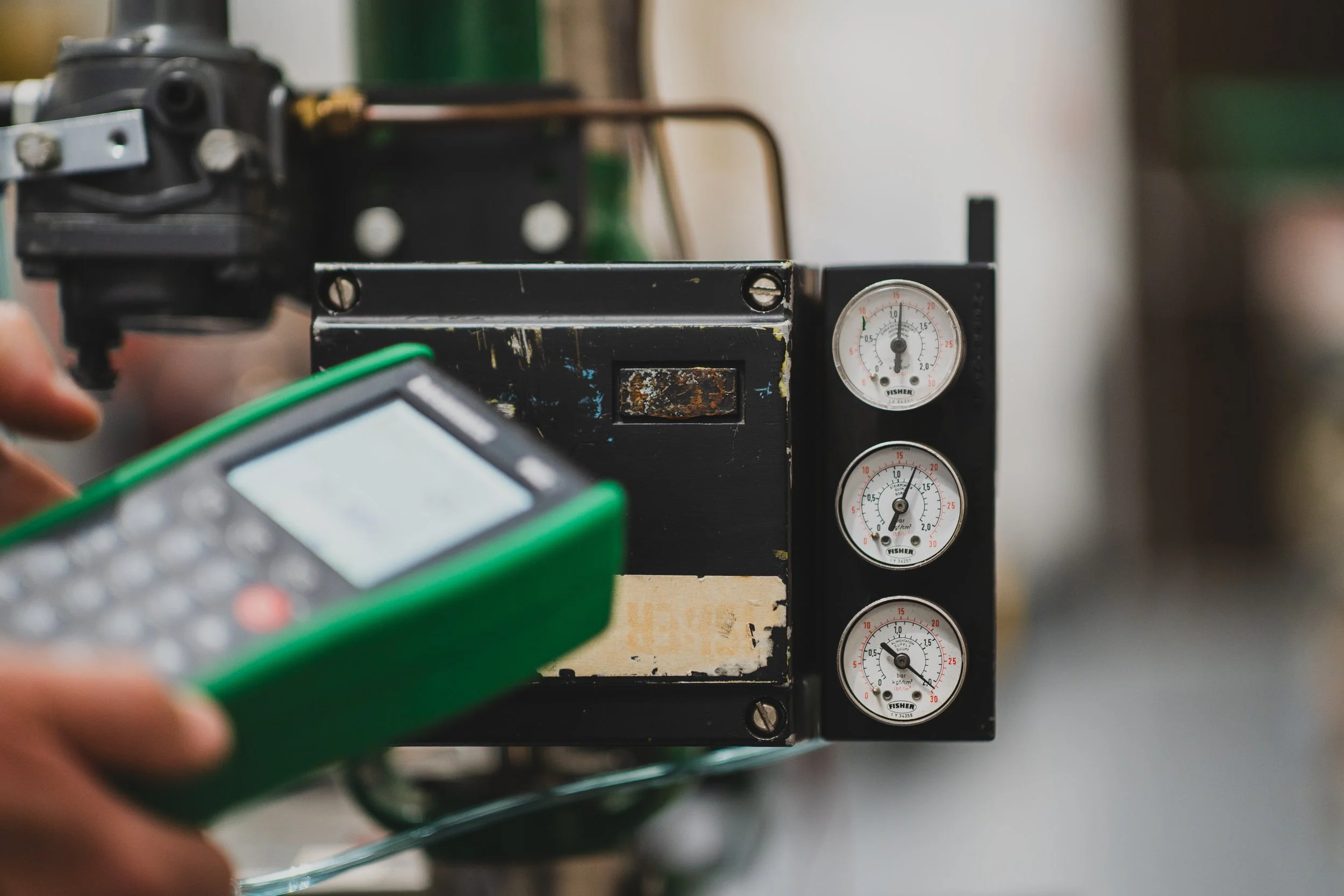
POST-APPRENTICESHIP DEVELOPMENT
for Your Organisation
Post-apprenticeship development can support employers looking to:
» Develop newly qualified maintenance engineers
» Strengthen practical capability following apprenticeship training
» Address known electrical or mechanical skills requirements
» Prepare engineers for the specific demands of their workplace roles
» Develop broader technical capability
» Support progression towards multi-skilled maintenance roles
» Provide a structured continuation of technical development
» Create more consistent capability across newly qualified employees
Development can be focused on an individual engineer or form part of a wider programme for groups of employees.
DEVELOPING ELECTRICAL CAPABILITY
After an Apprenticeship
Electrical capability can be particularly important for engineers moving into industrial maintenance roles.
Where a newly qualified engineer has a mechanical background but needs to develop electrical knowledge and practical skills, MCP's established Mechanical to Electrical (M2E) Training Programme provides a structured development pathway.
The programme progressively develops electrical understanding and practical maintenance skills, beginning with electrical fundamentals and safe working before moving into more advanced electrical maintenance capability.
Part 1 specifically supports apprentices progressing into industrial maintenance roles and develops understanding of electrical safety, electrical principles and basic first-line electrical maintenance tasks.
Engineer Development
SUPPORTING LONGER-TERM
Becoming qualified does not mark the end of an engineer's technical development.
As experience grows, engineers may need to develop additional skills, work with different equipment or take on broader maintenance responsibilities.
Post-apprenticeship development can therefore provide the starting point for a longer-term development pathway, with further technical training introduced as the individual's role and responsibilities evolve.
For organisations with broader requirements, MCP can also develop bespoke programmes combining different technical disciplines and development activities.
Not Sure Where the Skills Gaps Are?
Sometimes the development requirement is less obvious.
An employer may know that an engineer needs further development but not know precisely where the strongest capability already exists or which areas should be prioritised.
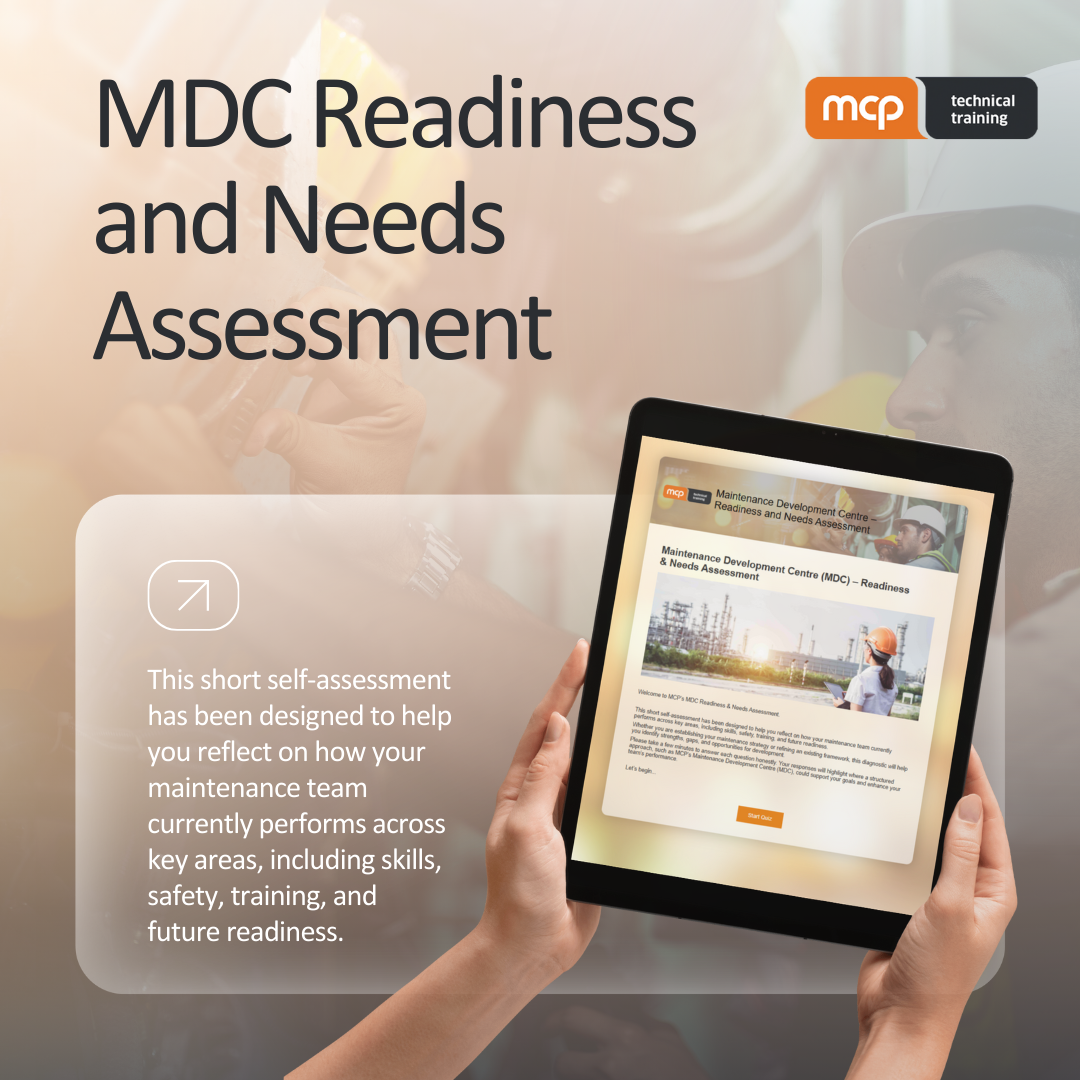
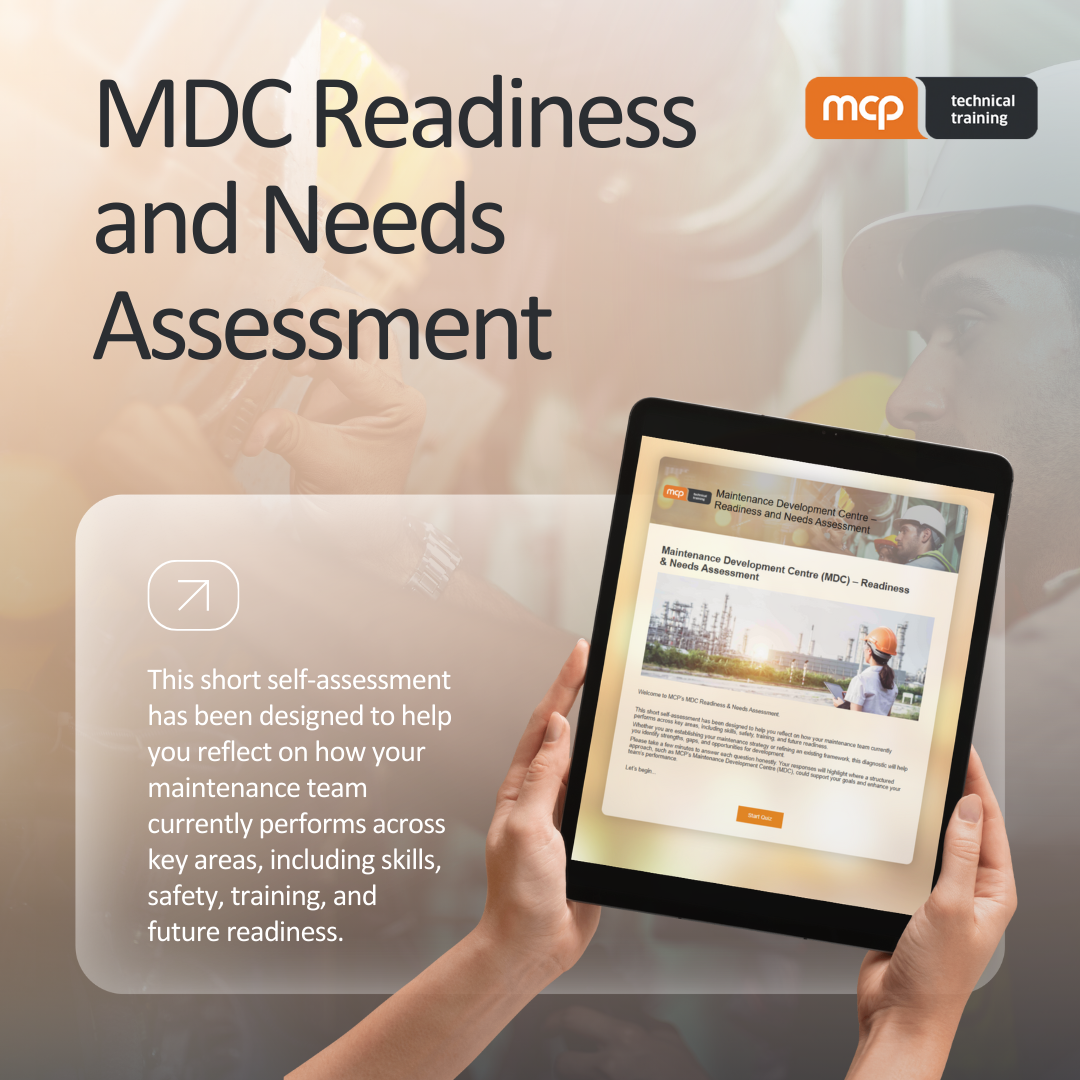
In these circumstances, MCP's Assessment & Competence services can help establish current capability and identify development needs before further training is selected.

SKILLS GAPS ANALYSIS
Compare demonstrated capability with the knowledge and skills required for the role to identify development priorities.
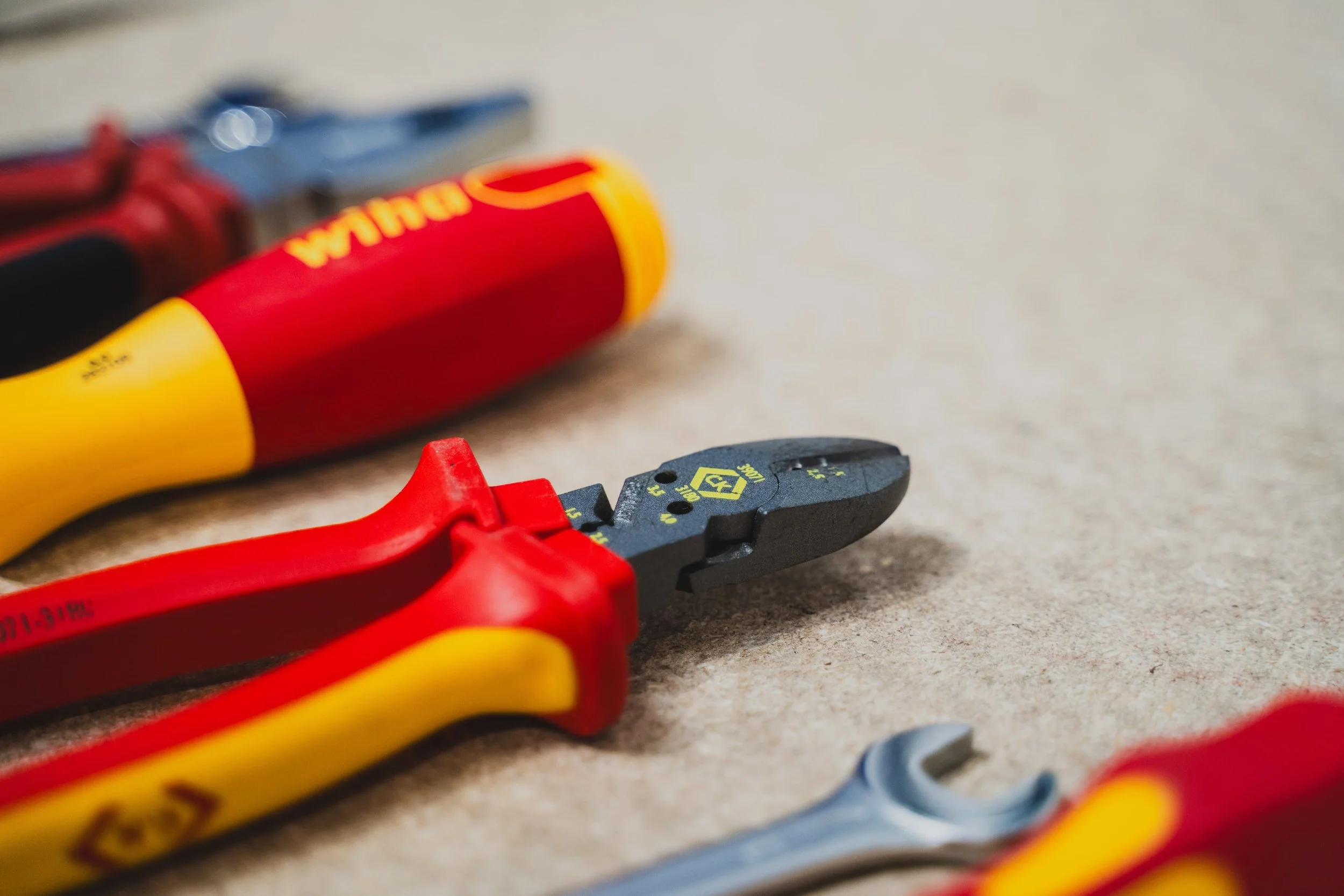
MAINTENANCE DEVELOPMENT CENTRES
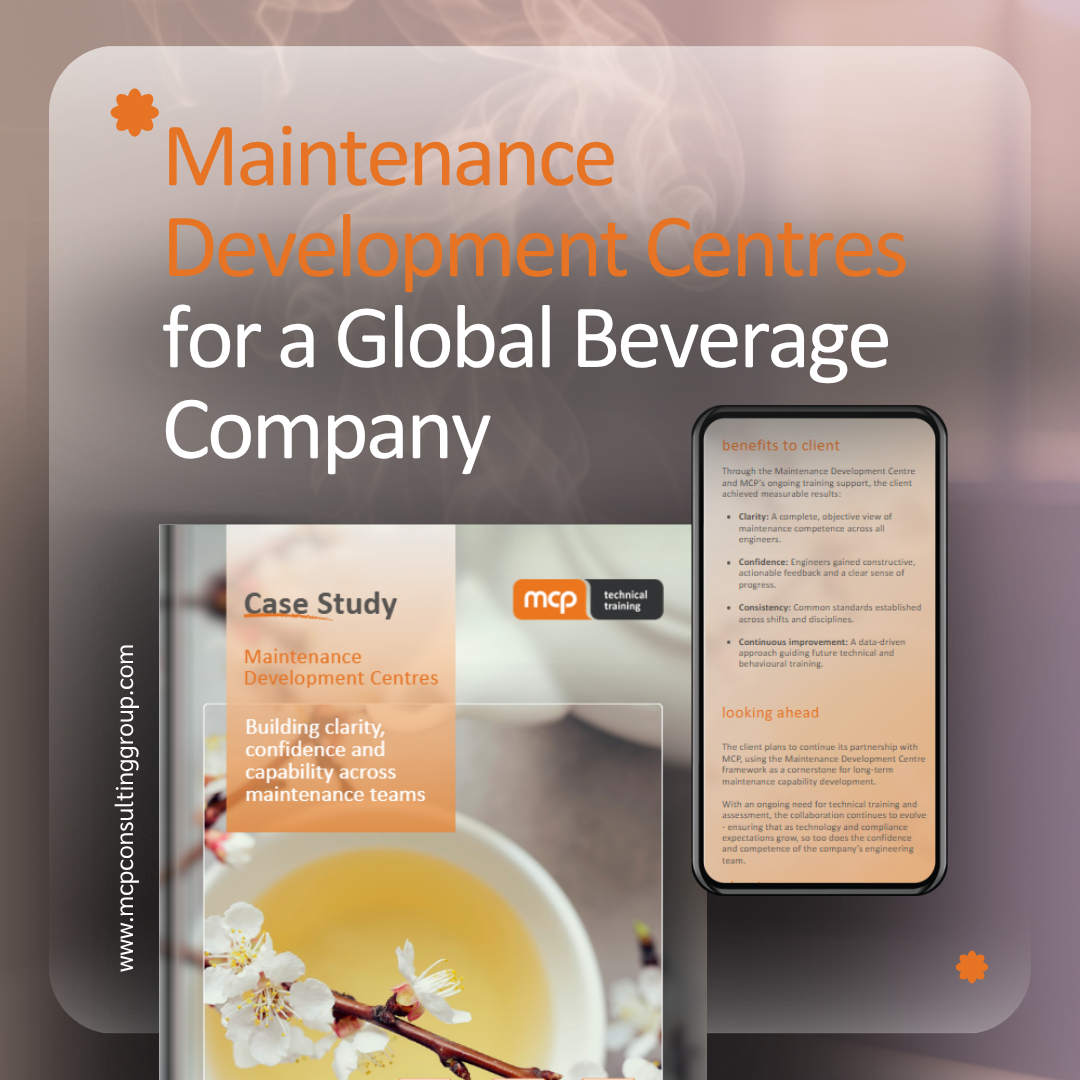
Assess technical knowledge and practical capability across relevant maintenance disciplines.
The findings can then be used to create a more targeted development pathway.
YOU KNOW TH SKILLS THEY NEED
We Help Develop Them



Not every organisation needs a detailed assessment before development begins.
You may already know that a newly qualified engineer needs additional electrical training, greater mechanical capability or further development in a particular technology.
Where the requirement is clear, MCP can help you identify the appropriate training and create a development pathway around that known need.
Depending on the role, this could include:
» Electrical maintenance skills
» Mechanical maintenance skills
» Electrical safety and safe isolation
» Control and instrumentation
» PLCs and automation
» Pneumatics
» Hydraulics
» Fault finding
» Safety and compliance
» Other relevant technical development
Training can draw upon established MCP courses and programmes or form part of a broader bespoke solution where several areas of development are required.
PRACTICAL
Technical Training
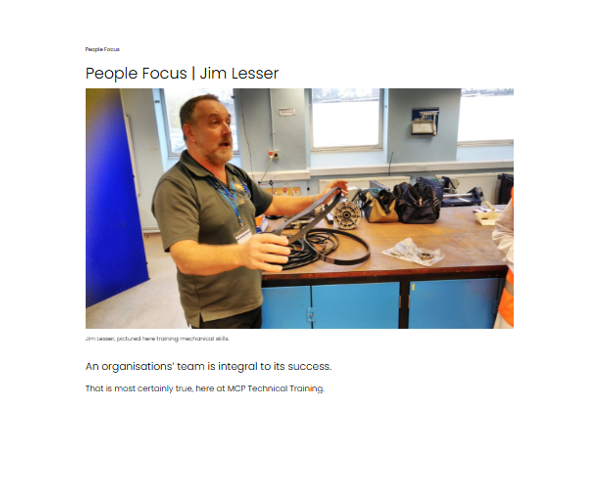
Post-apprenticeship development should build practical capability as well as technical understanding.
Across MCP's technical training, practical learning is used wherever appropriate to help delegates understand equipment, practice relevant activities and develop greater confidence in applying their skills in the workplace.
For newly qualified engineers, this can be particularly valuable as they move from the structured environment of an apprenticeship into the day-to-day requirements of an industrial maintenance role.
The emphasis is on building the additional knowledge and practical skills required to support safe and competent working within the scope of their role.
QUIZZ
<
QUIZZ <
QUIZZ
>
QUIZZ >
QUIZZ
<
QUIZZ <
Their Apprenticeship
Ready to Build on
If you already know the additional skills your newly qualified engineers need, MCP can help you build the right technical development pathway.
From developing electrical or mechanical capability to building skills across PLCs, instrumentation, pneumatics, hydraulics and other maintenance disciplines, training can be focused on the practical requirements of the role.
And if you're not yet sure where the gaps are, we can help you identify them first.
FAQs
-
Post-apprenticeship development provides additional technical and practical training for newly qualified engineers who need further skills to meet the specific requirements of their workplace role.
-
Not necessarily. If you already know what development is required, MCP can help select appropriate courses or programmes to address that need. Where requirements are less clear, technical assessment can be used to identify existing capability and development priorities.
-
Yes. MCP's Mechanical to Electrical Training Programme is designed to develop electrical knowledge and practical skills in mechanically biased engineers. Its first module requires no previous electrical experience and specifically identifies apprentices progressing into industrial maintenance roles as a suitable audience.
-
Yes. MCP provides practical Mechanical Maintenance Skills training as well as training across other maintenance disciplines. Post-apprenticeship development can be built around the particular capability required by the role.
-
No. Where an established programme meets the requirement it can provide a clear pathway, but MCP can also adapt or combine technical training around the organisation's workforce, roles, equipment and development priorities.
-
Many MCP technical courses and development programmes can be delivered on site, depending on the training required.