
 Image 1 of 6
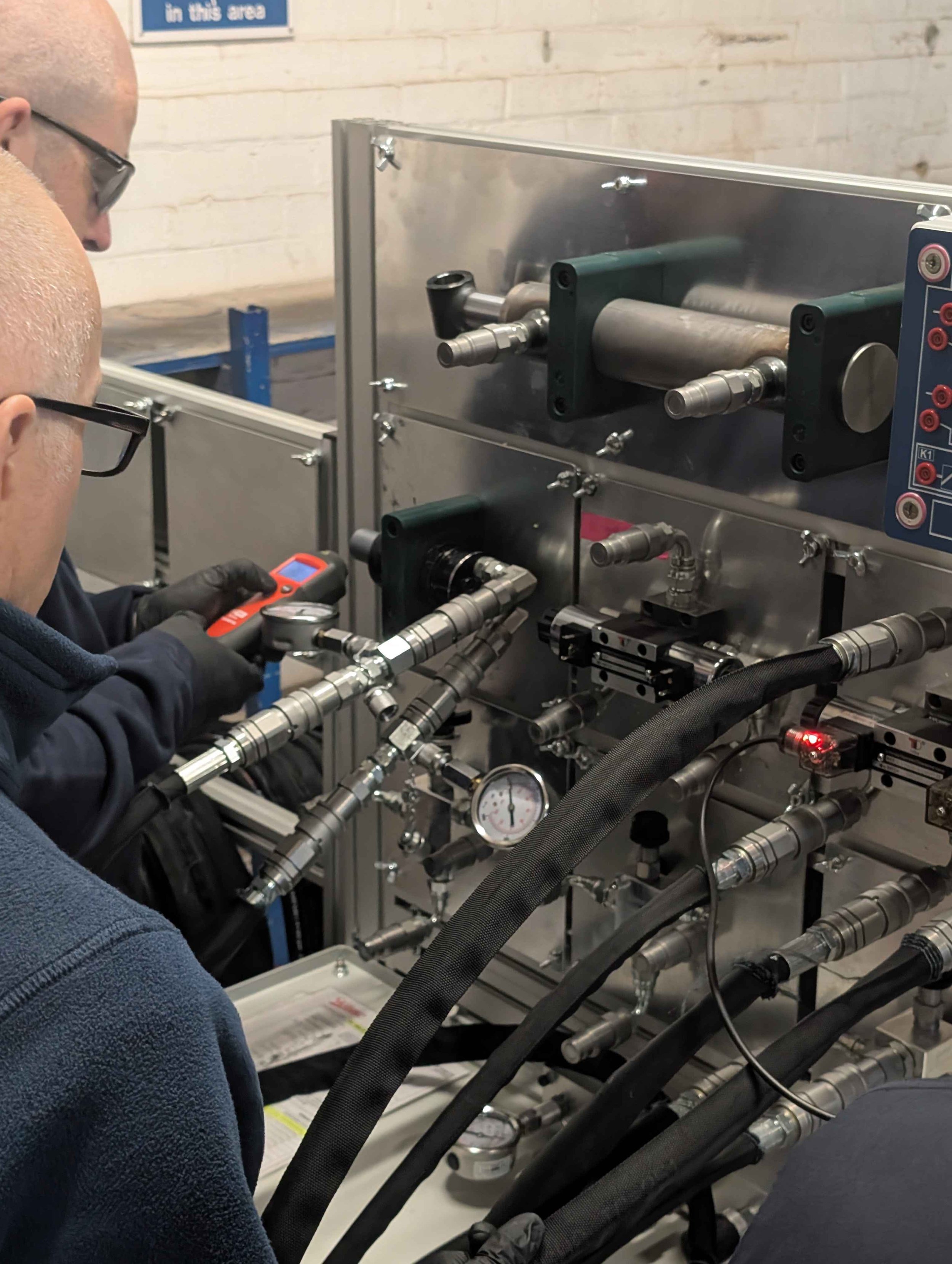 Image 2 of 6
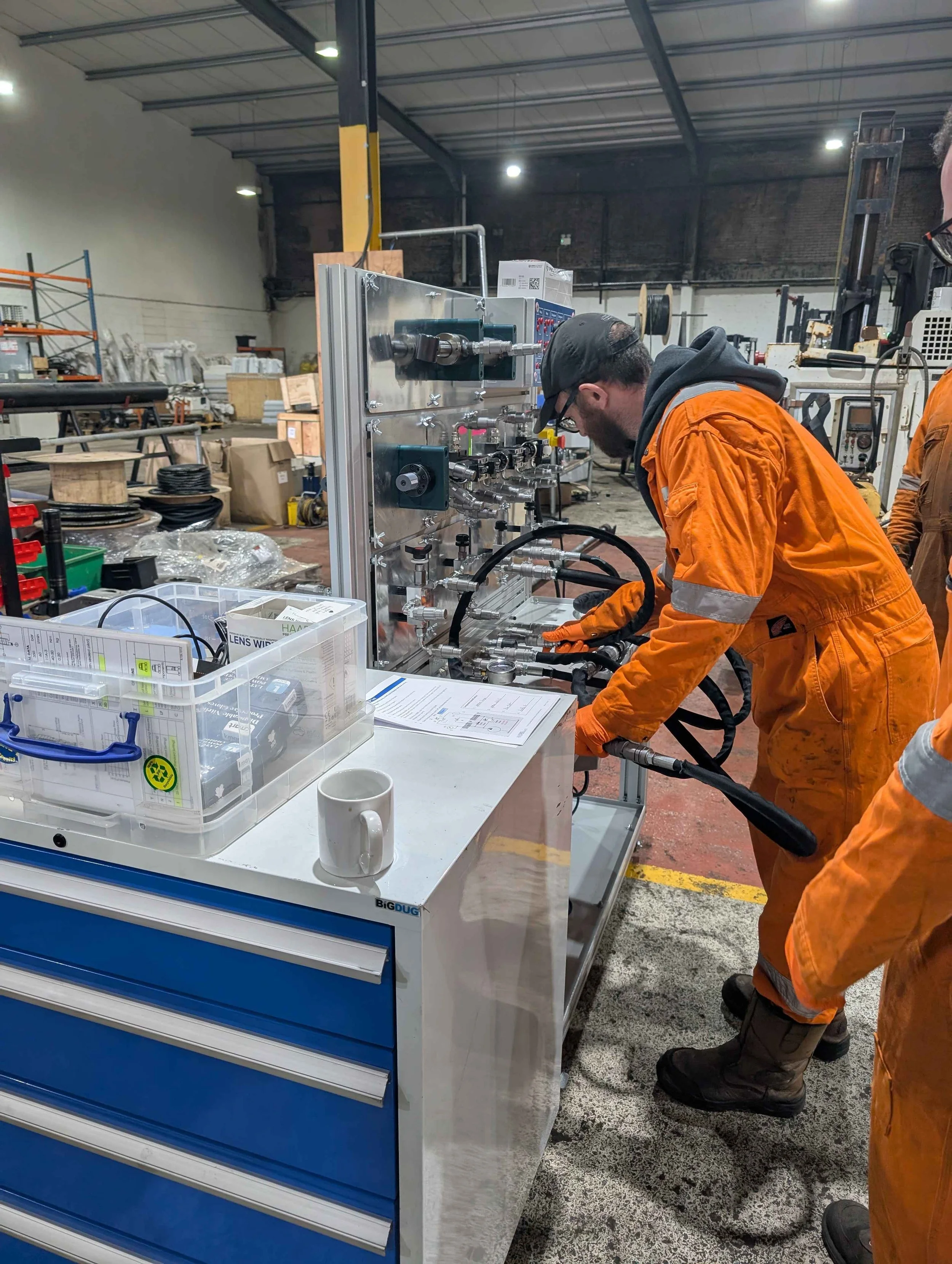 Image 3 of 6
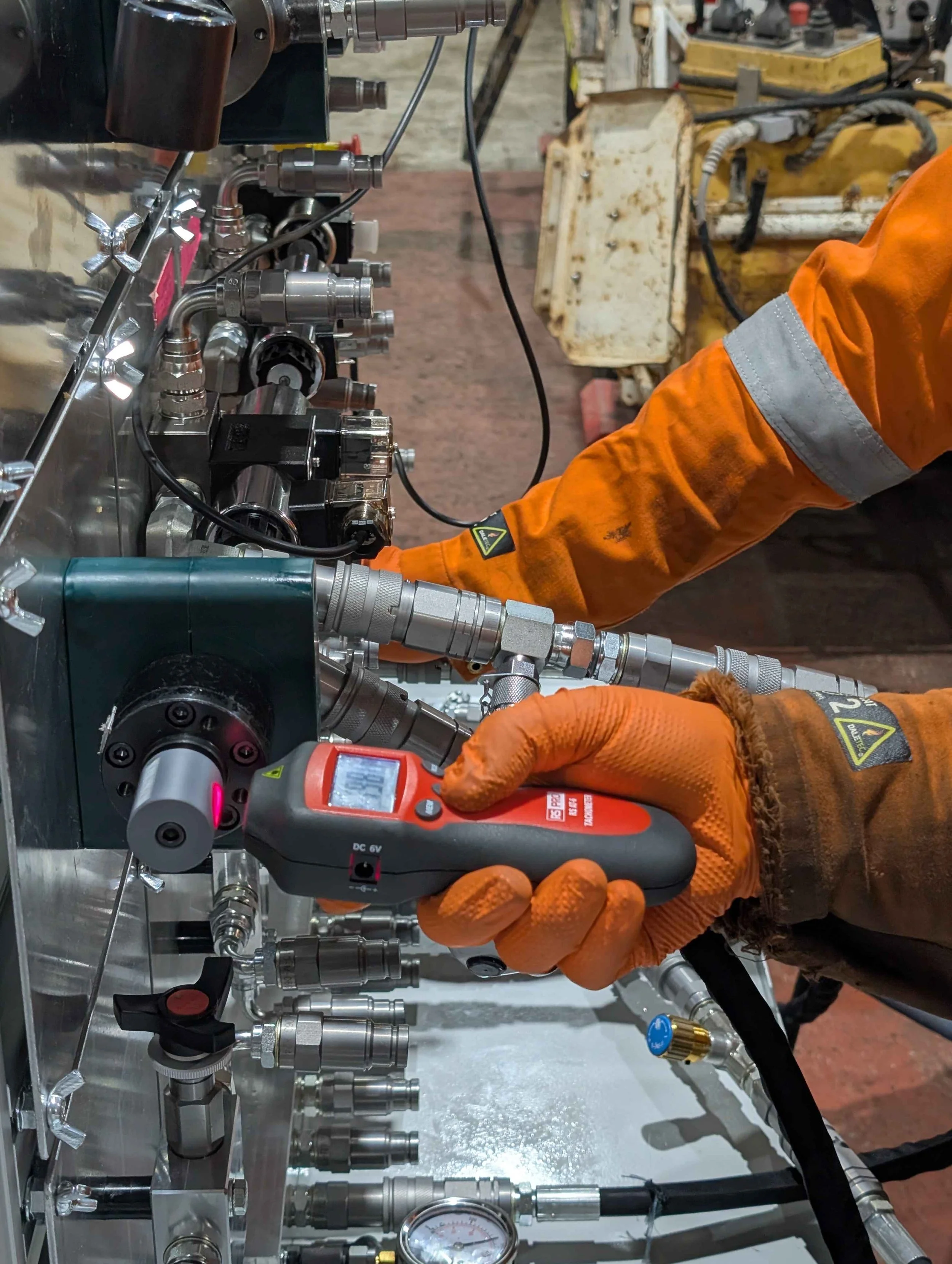 Image 4 of 6
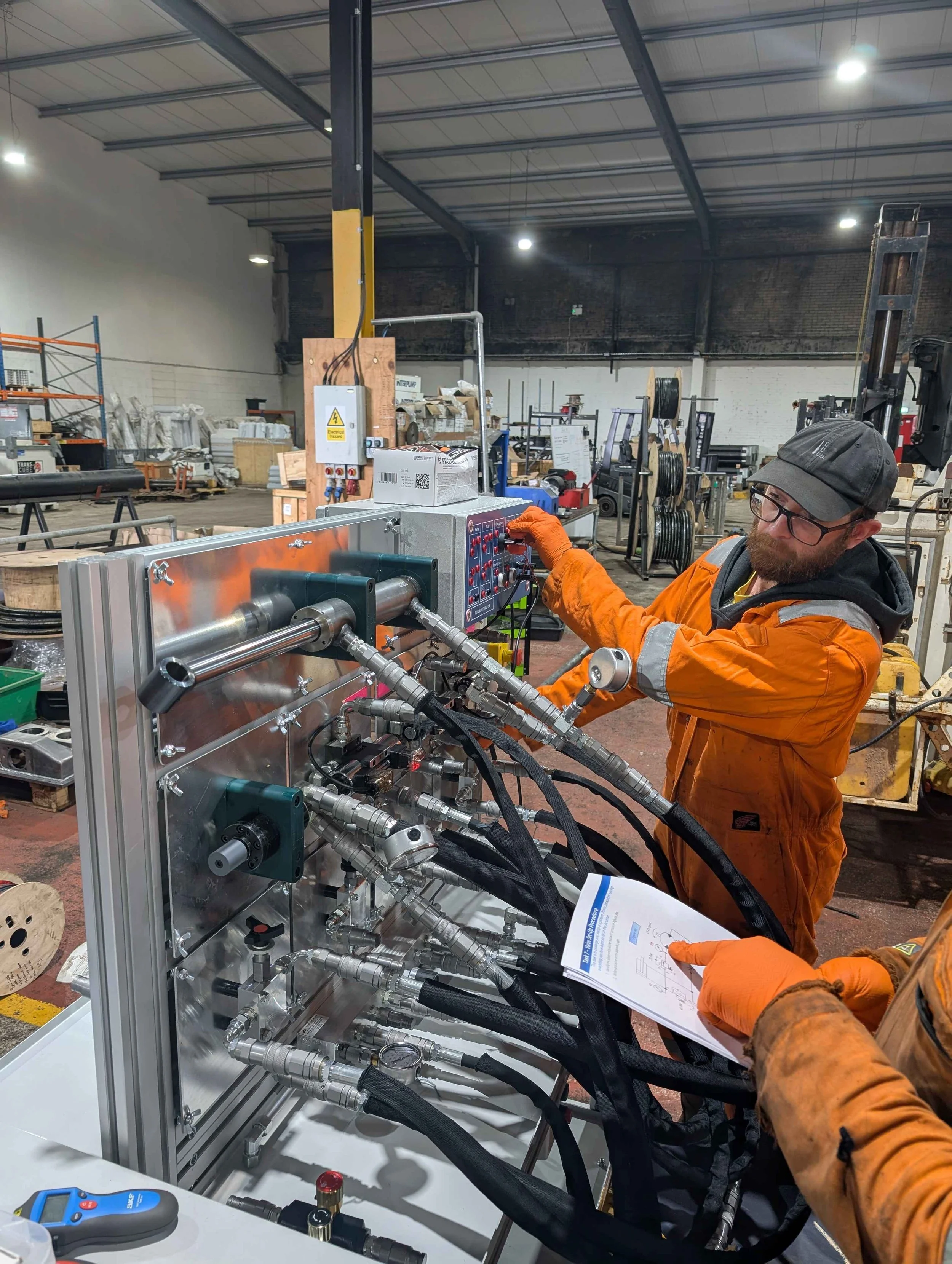 Image 5 of 6
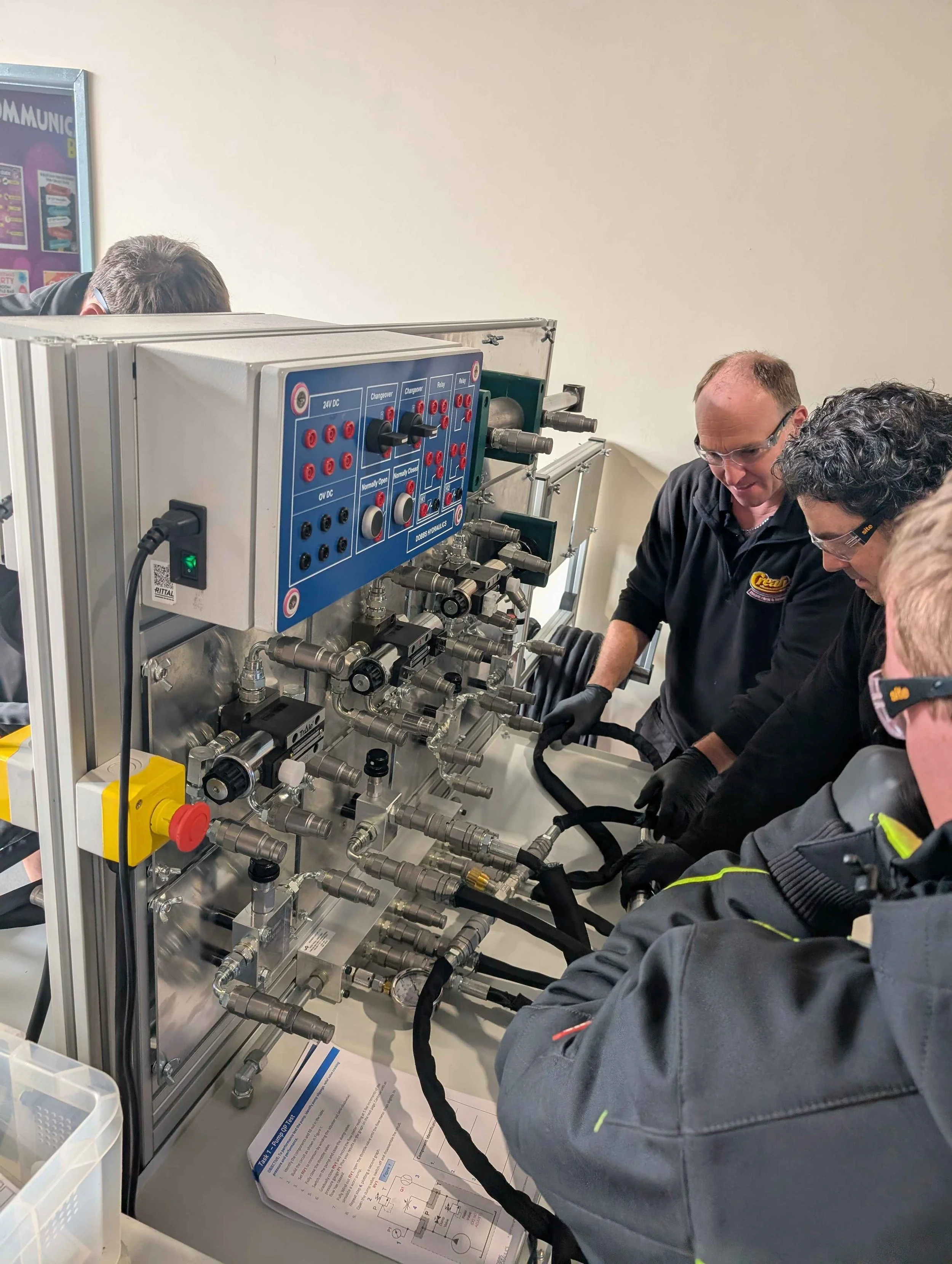 Image 6 of 6
Introduction to Hydraulics
On completion of this course, you will have an appreciation of hydraulic systems. Candidates will have a basic understanding of the relationships of flow and pressure within a system. An awareness of the hazards and risks involved with hydraulic systems.

Is it right for me?
This course is intended for all those people working on or around hydraulics, this course is designed to introduce people to a basic hydraulic system and its control valves. A focus on safe working practices around hydraulics highlighting the hazards and risks involved. No previous hydraulic courses are necessary to attend this course.

What will I learn?
What is hydraulics, and why is it used?
Basic hydraulic system
Hydraulic Symbols
Introduction to Hydraulic Pumps
Hydraulic Actuators
Control valves; pressure direction and flow
Hoses and Fittings
Hydraulic Fluid and Conditioning
Fluid Power Safety
Optional - Practical Hands-on Tasks 1/2 day

The benefits?
Training records meet and exceed those required by HSE etc. If you have an up to date certificate and there is an accident, you are in a much better place in a court of law
Motivation and development of staff
Improved staff retention
Formal targeted training with direction and end focussed on business need
Encouragement of teamwork through coach and assessor communicating more with opposite trade
Re-focused of training budget
SOPs and training packages are written around business needs
Safe job; Timely job; Right first-time job
Improved productivity as downtime is reduced due to increased skills base
Cross cover of skills in event of absenteeism, sickness etc.
Nationally recognised qualifications where appropriate; skills are validated